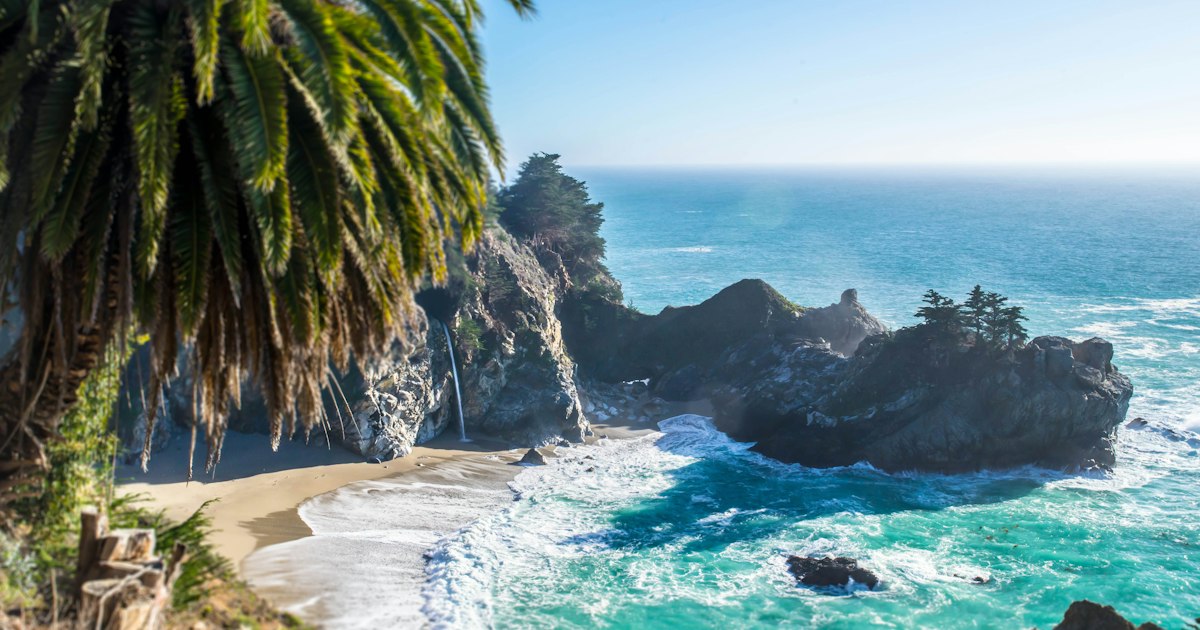
Photo by Chor Tsang on Unsplash
Closer to Taipei than to Tokyo, Ishigaki and the Yaeyama Islands feel like a different country stitched onto Japan’s southern edge. This is where Okinawa’s turquoise-water reputation is actually earned — fringing coral reefs, mangrove rivers, water buffalo carts, and a scattering of small islands you can hop between in a single morning. It’s also the launch point for Japan’s southernmost inhabited territory. Here’s how to plan the trip properly.
Getting There (and Around)
New Ishigaki Airport (ISG) has direct flights from Tokyo Haneda and Narita (around 3.5 hours), as well as Osaka, Nagoya, and Fukuoka; ANA and JAL run the bulk of these routes, with seasonal and LCC capacity shifting year to year, so it’s worth comparing fares before booking — our guide to LCC vs JAL & ANA for long domestic hops explains when the budget carriers are actually worth it. If you’re coming from mainland Okinawa, it’s a quick 45-minute hop from Naha.
Once on Ishigaki, a rental car is close to essential — budget roughly ¥5,000–8,000/day in peak season, and book weeks ahead for summer. Public buses exist but run infrequently and won’t get you to the best beaches or the Kabira Bay viewpoint on a convenient schedule. Ishigaki Port, right in town, is the hub for ferries to the outer islands.
Island-Hopping: Taketomi, Iriomote, and Beyond
This is the real draw. High-speed ferries from Ishigaki Port reach Taketomi Island in about 10–15 minutes (roughly ¥1,500 round trip) — a village of sand-covered lanes and red-tiled houses where water buffalo carts (around ¥2,000 for a 30-minute loop with a shamisen-playing driver) are genuinely worth the tourist-trap price tag. Iriomote, about 35–40 minutes away, is almost entirely covered in subtropical jungle and mangrove forest; kayaking up the Urauchi or Nakama River, or hiking to Pinaisara Falls, feels more like Borneo than Japan. Smaller islands — Kohama, Hatoma, Aguni — are quieter still and make good half-day add-ons if you base yourself in Ishigaki City for a few nights.
Ishigaki is also the departure point for Yonaguni, Japan’s westernmost inhabited island, reachable by a roughly 30-minute flight or a long ferry crossing. If diving the disputed underwater “ruins” or spotting hammerhead sharks interests you, it’s a worthwhile extension — see our guide to Yonaguni for logistics. For a different flavor of Okinawan island-hopping with bridges instead of ferries, Miyakojima is a separate trip north of here, not part of the Yaeyama chain, but a common point of comparison when people are deciding between the two.
Best Time to Visit
April through June is the sweet spot: warm water, good visibility, and before the worst of the heat and typhoons. July and August bring the hottest temperatures and the most reliable sunshine, but also peak crowds, peak prices, and real typhoon risk — August and September see the most storm activity in this part of Okinawa, and ferries to the outer islands suspend service when one approaches, sometimes stranding travelers for a day or two. Winter (December–February) is mild (around 18–22°C) and a legitimate low-season option if you don’t mind water too cool for comfortable snorkeling; it’s also whale-watching season, with boat tours (roughly January–April, around ¥5,000–6,000) heading out to spot humpbacks. Avoid planning a tight, single-day island-hop during peak typhoon season — build in a buffer day.
Diving, Snorkeling & Beaches
Kabira Bay is the postcard shot, but swimming is banned there to protect the black pearl farms — go for the glass-bottom boat tour (around ¥1,000) instead and swim elsewhere. Yonehara Beach has an easily accessible reef right off the sand, good for snorkelers who don’t want a boat. For diving, the Manta Scramble and Manta Way sites near the Kabira area are Ishigaki’s signature draw, with manta ray encounters most reliable from November to May; dive shops in town run trips from around ¥12,000–15,000 for a two-tank day including gear. Budget travelers can skip the boat entirely and snorkel reef edges at Fusaki Beach or Sunset Beach for free.
Where to Stay & What to Bring Home
Ishigaki City has the widest range: budget guesthouses from around ¥3,000–5,000/night, mid-range resort hotels near the harbor from ¥10,000–18,000, and splurge options like beachfront resorts on the north shore (ANA InterContinental Ishigaki, for instance) running ¥25,000+ in peak season. Staying in Taketomi overnight (a handful of small inns) is a nice way to see the village without day-trip crowds, but book well ahead since rooms are limited.
Before you fly home, pick up Yaeyama salt (mineral-rich sea salt, sold in small bags from around ¥500), Ishigaki beef (a lesser-known but well-regarded wagyu brand), kokuto black sugar blocks, and minsa textiles — a traditional striped weave originally used for obi sashes, now sold as coasters and bags in Taketomi and Ishigaki City shops.
Common Mistakes to Avoid
- Underestimating ferry schedules. Outer-island ferries run less frequently than they look on paper, and the last boat back to Ishigaki is often mid-afternoon, not evening. Check return times before you commit to an itinerary.
- Not booking a car early enough. Rental agencies sell out fast in Golden Week (late April–early May) and summer; without a car, Kabira Bay and the northern beaches are a frustrating bus transfer away.
- Ignoring typhoon contingencies. If you’re traveling August–September, buy travel insurance and avoid scheduling a flight home the same day as an inter-island ferry — a one-day delay can cascade.
- Swimming at Kabira Bay. It’s prohibited, patrolled, and fined — go for the boat tour and swim at Yonehara or Fusaki instead.
- Treating Ishigaki City as the whole trip. The city itself is pleasant but unremarkable; the reason to come is the surrounding islands and reefs, so leave at least two full days free for Taketomi and Iriomote.