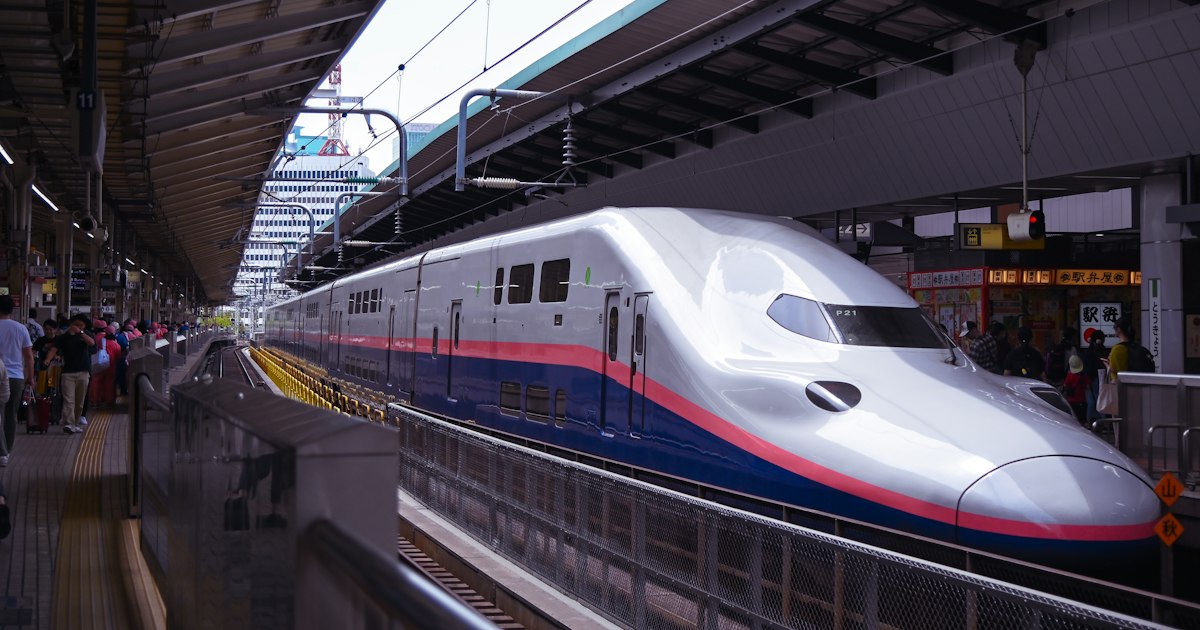
Booking a Shinkansen ticket used to mean standing in a station line with a phrasebook. Now three overlapping online systems — Smart EX, the EX App, and Ekinet — let you reserve seats, pick your train, and walk straight to the platform on a QR code or IC card tap. The catch is that each one covers different train lines and different nationalities of credit card, so picking the wrong one wastes time. Here’s what each platform actually does, what it costs, and which one you need for your route.
Why Bother Booking Online at All
You can still buy paper tickets at any Shinkansen ticket window (midori-no-madoguchi) or from the orange touch-screen machines in JR stations, which are staffed roughly from the first train of the day until around 20:00–22:00 depending on the station. But booking online gets you three things a counter visit doesn’t: you can reserve a specific seat (window, non-smoking car, near the luggage racks) days or weeks in advance from your phone before you’ve even landed; you can change or cancel most tickets online without walking back to a station; and on JR East routes you can unlock discounted fares that aren’t available at the counter at all. During peak travel weeks — Golden Week (late April–early May), Obon (mid-August), and the New Year holiday (Dec 28–Jan 3) — reserved seats on popular trains sell out, so booking online in advance isn’t just convenient, it’s often the only way to guarantee a seat.
Smart EX: The Easiest Option for Most Visitors
Smart EX (smart-ex.jp, with an English interface and companion app) covers the Tokaido, Sanyo, and Kyushu Shinkansen — the single busiest corridor in the country, running Tokyo–Nagoya–Kyoto–Osaka–Hiroshima–Fukuoka/Hakata. It was built specifically to accept foreign-issued credit cards (Visa, Mastercard, Amex, JCB), which is the detail that trips up most first-timers: Smart EX works where Japan-only cards are required elsewhere. Sign up for free, enter your card, and book trains — a reserved non-Nozomi seat from Tokyo to Osaka runs about ¥13,870, while the fastest Nozomi service is roughly ¥14,720 one way in regular seating; Green Car (first class) adds around ¥4,000–5,000 on top. Once booked, you either register the ticket to a Suica/Pasmo IC card and simply tap through the gates, or show the QR code on your phone at the ticket gate — no paper, no counter visit needed. Note that Smart EX is separate from the Japan Rail Pass: if you’re using a pass, you still exchange it at a station counter and make seat reservations there or via a different JR East/West system, not through Smart EX.
The EX App: Japan’s Native Version
The EX App is the original, Japan-market version of the same Tokaido/Sanyo/Kyushu reservation system. Functionally it looks similar to Smart EX, but full use of EX App historically required an EX Card or JR-affiliated credit card issued to a Japanese address — a barrier most visitors can’t clear. In practice, there’s rarely a reason for a foreign traveler to use EX App over Smart EX, since Smart EX gives you the same trains, the same seat maps, and the same IC-card tap-through convenience while actually accepting your overseas card. If you already have a Japanese credit card from a previous long stay or working visa, EX App works fine, but for a standard visit, Smart EX is simply the right tool.
Ekinet: For Tohoku, Hokuriku, and Everywhere North of Tokyo
Smart EX and EX App don’t cover JR East’s Shinkansen lines — Tohoku, Joetsu, Hokuriku, Akita, and Yamagata. For those, you need Ekinet (eki-net.com), JR East’s own booking platform, which has had a usable English version for several years now. This is the system you’ll use heading to Sendai, Morioka, Akita (for day trips like Kakunodate’s samurai district), Niigata, or Kanazawa. A reserved seat from Tokyo to Shin-Aomori on the Hayabusa costs around ¥17,760, but Ekinet’s real value is its “Tokudane” discount fares — tickets booked roughly 3 to 13 days ahead on specific trains can run up to 30% cheaper than the standard reserved fare, a discount you genuinely cannot get at a ticket window. Ekinet accepts most major foreign credit cards for payment, and tickets are collected at a station kiosk with the same card or picked up as a QR/IC-linked ticket depending on the route. The tradeoff is a slightly clunkier interface than Smart EX and a booking window that opens exactly one month before travel at 5:30 am, so if you want a specific discounted seat on a popular date, set a reminder.
Smart EX vs EX App vs Ekinet: Which One Do You Need
The decision is really about geography, not preference. Heading along the Tokyo–Osaka–Fukuoka spine? Use Smart EX. Heading north toward Tohoku, Niigata, or Hokuriku, or want access to discount fares? Use Ekinet. Already hold a Japan-issued credit card and don’t mind the native interface? EX App works, but gives you no advantage over Smart EX for most travelers. If your trip spans both halves of the country — say Tokyo to Kyoto, then later Tokyo to Sendai — you’ll end up with accounts on both Smart EX and Ekinet, which is completely normal and not a sign you’ve done something wrong.
Common Mistakes to Avoid
- Assuming one account covers the whole country. Smart EX tickets won’t show up in Ekinet and vice versa — they’re genuinely separate systems with separate logins.
- Booking a Nozomi or Hayabusa ticket thinking it’s covered by a Japan Rail Pass. The fastest Nozomi, Mizuho, and some Hayabusa services have surcharges or restrictions that passes don’t cover; check before booking.
- Forgetting the IC card link step. With Smart EX, if you register a Suica or Pasmo to your reservation, that same physical card must be the one you tap at the gate — a different IC card won’t work even if it’s “yours.”
- Missing the Ekinet discount window. Tokudane fares vanish once the discount quota for that train is sold, often days before departure, so booking “whenever” instead of as soon as the window opens means paying full price.
- Overlooking scenic or sightseeing trains. Some special trains, like those covered in our guide to Japan’s best scenic sightseeing trains, require their own separate reservation process even if the route overlaps with a regular Shinkansen line.
Budget, Mid-Range, and Splurge Booking Strategies
On a tight budget, unreserved seats (jiyuseki) booked through any of these apps are the cheapest way to travel and are rarely full outside peak weeks — just board the correct unreserved cars and sit anywhere. For mid-range comfort, a standard reserved seat guarantees you a place and is worth the roughly ¥500–1,500 premium over unreserved, especially with luggage. For a splurge, Green Car seats offer two-across seating with far more legroom, and on some Tohoku Shinkansen runs you can even book Gran Class, which includes meal and drink service at the seat. And if your itinerary includes a long north-south hop — say Tokyo to Fukuoka — it’s worth comparing the Shinkansen fare and roughly 5-hour journey against flying; our breakdown of LCC vs JAL & ANA for domestic flights lays out when the plane actually wins. If you’re flying into central Japan first, note that Chubu Centrair Airport connects easily into the Tokaido Shinkansen network via Nagoya Station, making Smart EX your booking tool from the moment you land.