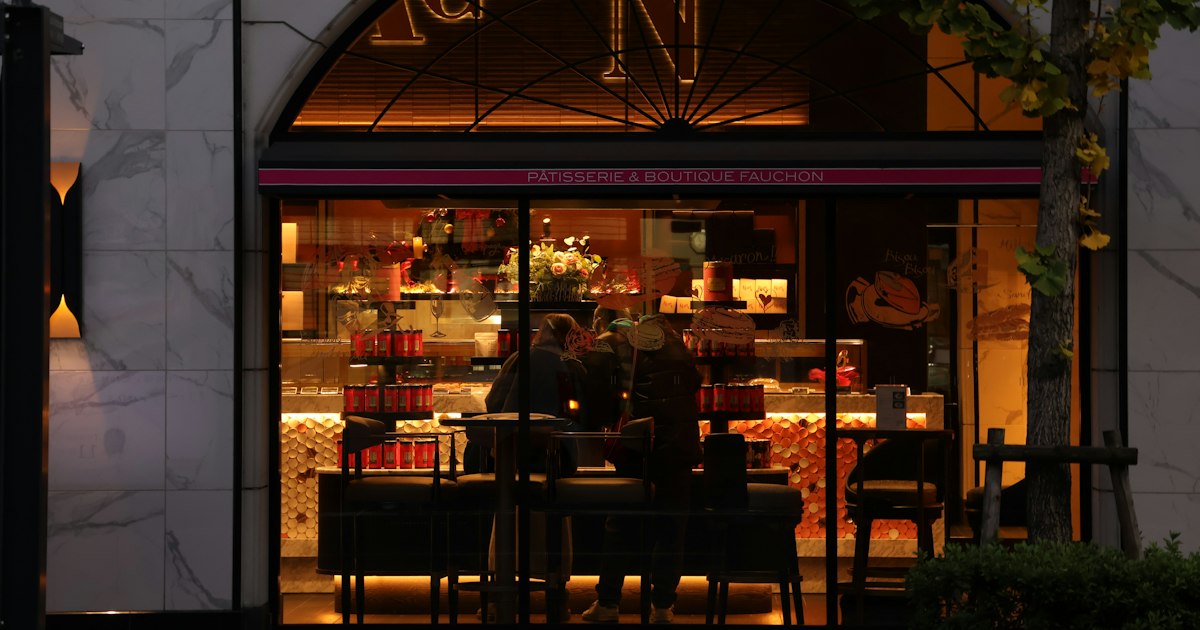
Photo by Yanhao Fang on Unsplash
Japan has one of the world’s best secondhand luxury markets, and it isn’t close. Decades of meticulous ownership, humidity-controlled storage, and a resale culture built on trust mean a used Chanel bag or Rolex bought in Tokyo or Nagoya is often in better condition than one sold as “pre-owned” anywhere else. Komehyo is the name most visitors run into first, but it’s one of several chains worth knowing before you shop. Here’s how to buy well, avoid the rookie mistakes, and get the best price.
Why Japan’s resale market is different
Japanese secondhand shops grade items with a rigor that’s unusual outside the country. Most chains use a letter system — typically S (unused/showroom condition) down through A, B, and C (visible wear) — and staff will point out every flaw before you buy, not after. Authentication is taken seriously too, with in-house specialists trained specifically on hardware, stitching, and serial numbers for houses like Hermès, Chanel, and Louis Vuitton. That’s why prices for the same bag model can vary by 30–40% between two shops: you’re paying for the grade, not just the label.
Komehyo: Japan’s biggest name
Founded in Nagoya in 1947, Komehyo (コメ兵) is Japan’s largest publicly listed secondhand luxury retailer, with flagship stores in Ginza, Shinjuku, and Shibuya in Tokyo, a multi-floor headquarters building in Nagoya, and branches in Osaka’s Shinsaibashi and other major cities. Beyond bags and watches, Komehyo is also a serious destination for used kimono and furisode — a category worth a look if the full-price kimono world (see our guide to Seijin no Hi and the furisode tradition) left you curious but priced out.
Most Komehyo locations open around 11:00 and close around 20:00, with no fixed weekly closing day at the flagship stores (always check the specific branch page before visiting, since hours shift around New Year). The Ginza and Shinjuku stores are multi-floor affairs — bags and watches upstairs, jewelry and small accessories on lower floors — and staff at the larger locations usually speak workable English given the tourist volume.
Crucially for visitors: Komehyo’s major stores are registered tax-free shops. Spend over ¥5,000 (before tax) on a single visit and, with your passport in hand, you get the 10% consumption tax waived on the spot — a meaningful discount on a ¥300,000 watch.
Other resale chains worth knowing
- Daikokuya — Komehyo’s closest rival in scale, strong on watches and jewelry, with a flagship in Ueno and branches nationwide.
- RAGTAG — leans younger and more fashion-forward (Comme des Garçons, Celine, streetwear-adjacent designer pieces) rather than classic handbags; good if you want pieces, not just investment bags.
- Brand Off — smaller, curated stores often tucked into shopping streets in Ginza and Shibuya; worth a look for watches and smaller leather goods.
- 2nd Street — the budget end of the spectrum. Mostly contemporary secondhand clothing with occasional designer finds, and prices that start in the low thousands of yen rather than tens of thousands.
If you’re building a day around shopping, it’s worth knowing that several of these chains cluster their flagships within a few train stops of each other in central Tokyo — Ginza and Shinjuku both have a Komehyo and a Daikokuya within walking distance of the station, so a single afternoon with a day pass for the subway can cover three or four shops without wasting time on individual fares.
Budget, mid-range, and splurge picks
At the budget end, small leather goods — cardholders, keychains, coin purses from mid-tier houses like Coach or Kate Spade Japan — run ¥3,000–¥15,000 at most chains, and 2nd Street can go lower still. Mid-range is where the market is deepest: a grade-A Louis Vuitton Speedy or Chanel wallet typically lands in the ¥80,000–¥250,000 range, and this is the sweet spot for first-time resale buyers because the grading gap between A and B is usually visible and easy to judge in person. For a splurge, Hermès Birkins and Kellys at Komehyo or Daikokuya generally start around ¥1.5 million for common leathers and sizes and climb sharply for exotic skins or discontinued colors — expect waitlists and a request slip rather than a walk-up purchase for the rarest pieces.
Watches follow a similar curve: a well-worn Seiko or Citizen might be ¥10,000–¥30,000, a clean Omega Seamaster often ¥150,000–¥400,000, and a Rolex Submariner or Daytona frequently ¥1.5–3 million depending on reference and box/papers status.
Best timing and common mistakes
Late December into early January brings fukubukuro-style clearance and post-holiday restocking as people sell gifts and unused items, which is genuinely one of the better windows for finding fresh inventory at a discount. The weeks around Japan’s fiscal year-end in March also see a wave of corporate gift and relocation sell-offs. Avoid assuming Golden Week (late April–early May) is a bargain period — it’s actually the busiest tourist shopping window and prices don’t move.
The most common visitor mistake is skipping the grading explanation and just comparing sticker prices across shops — a “cheaper” bag at grade B might need a cleaning or corner repair that a slightly pricier grade A doesn’t. Ask staff to show you the flaws directly; most are happy to walk through it with a loupe. The second mistake is forgetting the tax-free minimum and passport requirement, then realizing at checkout that cash-only applies to some smaller boutiques (the big chains all take major cards, but a few of the small Ginza specialty shops are card-limited or cash-preferred for negotiated prices). Third: don’t expect to haggle at Komehyo or Daikokuya — prices are fixed and marked, unlike flea markets or some standalone watch dealers.
Getting there, especially Nagoya
If you want to see the resale market at its most serious, Komehyo’s Nagoya headquarters building is worth the detour — it’s the largest single secondhand luxury retail space in the country, with floors dedicated to watches, jewelry, art, and kimono that the branch stores simply don’t have room for. Nagoya is an easy stop if you’re already routing through central Japan via Chubu Centrair Airport, or a straightforward Shinkansen hop from Tokyo or Osaka — book that leg through Smart EX or the EX app rather than at the station window to save time during peak travel periods.
However you plan the trip, treat a resale shop visit the way you’d treat buying anything from a specialty market — go in with a price range in mind, ask questions, and let the grading system do the work for you rather than relying on photos or guesswork.