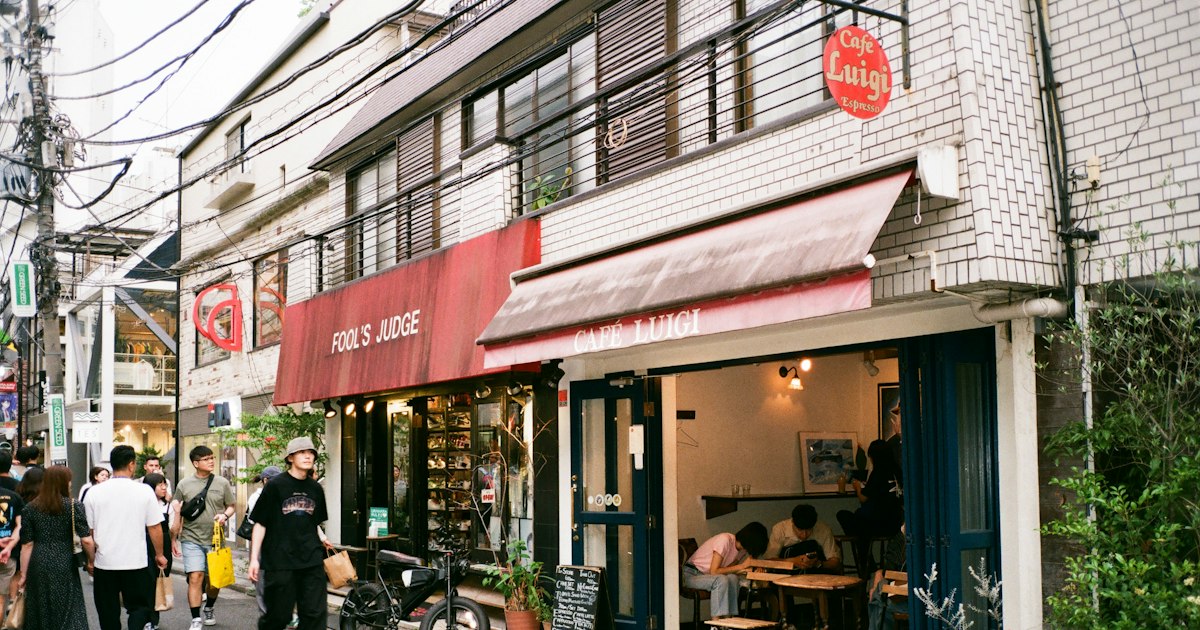
Photo by Kevin Jody on Unsplash
Japan has quietly become one of Asia’s most appealing bases for remote work — low crime, excellent trains, convenience stores on every corner, and coffee shops that don’t mind if you camp out for three hours. But the practical logistics of actually working here — which visa lets you do it legally, where to find a desk with decent monitors, and how to avoid buffering during a client call — trip up a lot of first-time nomads. Here’s what actually works in 2026.
Visa options: tourist stays vs. the Digital Nomad Visa
Most nationalities (the US, UK, Canada, Australia, most of the EU) can enter Japan visa-free for up to 90 days as a tourist. Technically, this status does not authorize any kind of work, including remote work for a foreign employer — immigration has historically turned a blind eye to someone answering Slack messages from a cafe, but it is a legal gray zone, not a sanctioned arrangement. If you’re doing short stints of a few weeks while mostly sightseeing, this is what almost everyone uses in practice.
For longer, above-board stays, Japan launched a dedicated Digital Nomad Visa in 2024. It allows a stay of up to 6 months (not renewable consecutively — you must wait before reapplying) and is open only to nationals of countries that have a tax treaty with Japan, which covers most of North America, Europe, Australia, and parts of Asia. Requirements include:
- Annual income of at least ¥10 million (roughly $65,000–70,000 USD, though the exact threshold is set in yen and fluctuates with the exchange rate)
- Employment by, or contracting with, a company based outside Japan — you cannot work for a Japan-based client under this visa
- Private health insurance covering your entire stay (Japan’s national health insurance is not available on this status)
- A valid passport from an eligible country, plus proof of the above via bank statements, employment contracts, or invoices
Spouses and children can accompany you on a dependent visa, but they also need private insurance. Apply at a Japanese embassy or consulate in your home country before you travel — processing typically takes 5–10 business days once your documents are complete, so don’t leave it until the week before departure.
Common visa mistakes to avoid
The biggest mistake is assuming the 90-day tourist entry can be extended or renewed by leaving and re-entering repeatedly. Immigration officers at the airport do watch for this pattern, and someone who’s clearly living in Japan on a string of tourist stamps can be denied entry or questioned at the border. The second mistake is accepting local, Japan-based client work while on a tourist or nomad visa — that crosses into unauthorized work regardless of how informal the arrangement feels. If your remote work is genuinely open-ended, it’s worth the paperwork for the proper visa rather than gambling on enforcement gaps.
Coworking spaces by city
Tokyo has the deepest bench. WeWork runs around 20 locations across the city (Marunouchi, Shibuya, Roppongi, and others), with day passes around ¥4,000–5,000 and hot-desk memberships from roughly ¥39,000–50,000 a month. Impact Hub Tokyo and The Hive (locations in Daikanyama and Shibuya) are smaller, community-oriented spaces aimed more at freelancers and startups, with day passes typically ¥3,000–3,500 and monthly plans from around ¥25,000–30,000. If you want a quieter, more residential working atmosphere, the craft-focused neighborhood covered in Kuramae has a handful of independent cafes and small studios that make a nice change of scenery from the big coworking chains.
Osaka and Kyoto are cheaper and less crowded. Impact Hub Osaka and Kyoto’s Co-ba Kyoto run day passes in the ¥2,000–3,000 range. Fukuoka has emerged as a genuine nomad hub over the past few years thanks to lower living costs and a startup-friendly city government; Fukuoka Growth Next, housed in a converted elementary school, offers some of the most affordable coworking rates in the country.
Budget tip: Japan’s 24-hour internet cafes (manga kissa chains like Manboo and Jiyu Kukan) aren’t glamorous, but a private booth with a desk, monitor, and fast wired internet runs around ¥400–600 for the first hour and often has discounted overnight packages (roughly ¥2,000–2,500) — useful if you’re pulling a late call with a client overseas or missed the last train home.
Getting reliable wifi
You have three realistic options, and which one wins depends on how long you’re staying:
- Pocket wifi rental — providers like Ninja WiFi and Sakura Mobile rent handheld 4G/5G routers you pick up at the airport and return before you leave, from around ¥150–300 per day depending on data allowance. Good for groups sharing one connection.
- eSIM — the easiest option if your phone supports it. Plans from providers like Sakura Mobile, Ubigi, or Mobal run roughly ¥4,000–7,000 for 30 days with 10–20GB of data, installed before you land with no physical SIM swap needed.
- Physical prepaid SIM — sold at convenience stores and electronics chains like Bic Camera, useful if you need a Japanese phone number as well as data.
Free wifi at convenience stores, train stations, and Starbucks is widespread but often unencrypted — fine for checking a map, risky for logging into client systems without a VPN. For any real work session, a personal connection (eSIM or pocket wifi) is worth the few hundred yen a day over relying on public networks.
Timing your stay
Avoid scheduling critical work weeks around Golden Week (late April–early May) or the New Year period — not because internet gets worse, but because coworking spaces, banks, and government offices (including immigration counters) close or run reduced hours, and trains get packed. Check the 2026 public holiday dates before booking a coworking membership or planning an in-person client meeting, since a multi-day closure can eat into a short membership term.
Practical setup notes
Japan runs on 100V, which is lower than the 220–240V standard in much of Europe, Australia, and the UK — most modern laptop chargers handle this fine, but older peripherals, monitors, or power strips may not. The plug shape (Type A, two flat pins) also differs from three-pin UK or European plugs. Worth reading the guide to electrical outlets and voltage in Japan before you pack, especially if you’re bringing a second monitor or other work gear rather than buying it locally.
If you’re landing at Narita or Haneda and heading straight into a coworking membership or short-term apartment in central Tokyo, the airport limousine bus is the easiest way to get into the city with luggage and a laptop bag in tow, without wrestling train transfers after a long flight.
Japan rewards nomads who treat the visa question seriously and the connectivity question casually — get the paperwork right, and the wifi and desks will take care of themselves.