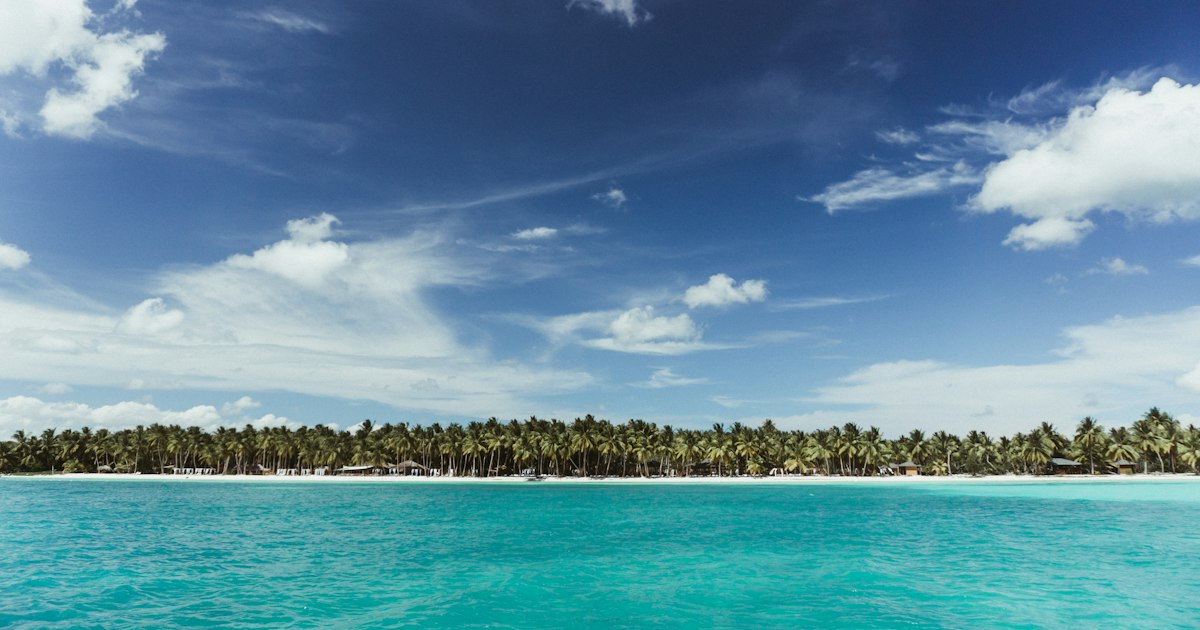
Photo by Kirk Thornton on Unsplash
Thirty-plus meters of visibility, a turquoise so saturated locals call it “Kerama Blue,” and a ferry ride short enough to do as a day trip from Naha—the Kerama Islands are the reason divers add an extra day to their Okinawa itinerary. You don’t need dive certification or an overnight stay to see what the fuss is about. Here’s how to plan the trip properly, from the ferry schedule to what actually ruins people’s day out there.
Why the Water Looks Different Here
The Kerama Islands sit about 30–40km west of Naha and were designated Kerama Shoto National Park in 2014, largely to protect the coral reefs that give the water its clarity. Unlike the main Okinawa coastline, there’s little river runoff or urban sediment feeding into the sea around these islands, so visibility regularly hits 20–30 meters on calm days—genuinely rare for a spot this accessible. The reef systems here also support sea turtles that are commonly spotted on snorkeling trips, which is a big part of the draw for travelers who aren’t divers at all.
Getting There: Ferries from Tomari Port
Almost everyone departs from Tomari Port (Tomarin) in Naha, about a 15-minute taxi ride from Naha Airport or a short walk from Miebashi Station on the Yui Rail monorail. Two ferry companies run from here, each serving a different island group:
- To Zamami Island: the high-speed ferry (Queen Zamami) takes around 50 minutes one way; the slower car ferry (Ferry Zamami) takes about 90 minutes. Round-trip fares are roughly 6,900 yen for the high-speed boat and 4,100 yen for the slow ferry.
- To Tokashiki Island: the high-speed ferry (Marine Liner Tokashiki) takes about 35–45 minutes; the slow ferry takes roughly 70 minutes. Round-trip fares run approximately 6,000 yen for the fast boat and 3,500 yen for the slow one.
Sailings are limited—often just 2–4 round trips a day per island—so book seats in advance during Golden Week, Obon, and summer weekends, when boats sell out. If you’re timing your trip around other national holidays, it’s worth cross-checking against our guide to Japanese public holidays before locking in ferry tickets, since those are exactly the dates when seats disappear fastest.
Best Time to Go
The diving and snorkeling season runs roughly April through October, with the most reliable combination of warm water and good visibility from May to June and again in September to October. Peak summer (late July–August) brings the warmest water but also typhoon season, which can cancel ferries with little notice—always build a buffer day into your itinerary if you’re traveling in August or September rather than scheduling an inter-island flight the same evening. Early morning departures tend to have calmer seas and better underwater light, so take the first boat out if you have the choice.
Zamami vs. Tokashiki: Which Island for a Day Trip
Zamami is the more popular day-trip choice, mainly because Furuzamami Beach is a flat 15-minute walk from the port and is consistently ranked among Japan’s best beaches for snorkeling right off the shore—no boat required if you just want to swim out and look at coral. Tour operators also run snorkeling and diving boats out to nearby uninhabited islets like Agenashiku and Kerama Kaigan, where visibility is noticeably better than near the port.
Tokashiki is quieter, with fewer crowds and two excellent beaches—Tokashiku and Aharen—both reachable by the island’s local bus from the ferry terminal. It suits travelers who want a slower, less touristy day. If you only have one day and want options stacked close together (beach, dive shops, rental gear, food), Zamami is the easier choice; if you want space and don’t mind a short bus ride, go Tokashiki.
Budget, Mid-Range, and Splurge Options
- Budget (self-guided snorkeling): Walk to Furuzamami or Aharen beach, rent a mask and fins from a beachside shop for around 1,000–1,500 yen, and swim out from shore. Total cost beyond the ferry fare can be under 2,000 yen.
- Mid-range (guided day tour): Snorkeling boat tours booked in Naha or on the island, including gear, a guide, and sometimes lunch, typically run 7,000–12,000 yen. These are the best option if you want to reach the clearer water further from the port without arranging your own transport.
- Splurge (certified diving): Two-tank boat dives with a local dive shop, including full gear rental, generally cost 20,000–25,000 yen for certified divers, or a bit more for a trial/discovery dive with an instructor if you’re not certified. Shops on both islands offer English-speaking guides, but confirm this when booking if it matters to you.
Common Mistakes to Avoid
- Booking the last ferry back: if the afternoon sailing is cancelled for weather, you could be stuck overnight with no lodging arranged. Build in slack, especially outside of May–June and September–October.
- Underestimating the sun: Okinawa’s UV index is brutal even on cloudy days. Reef-safe sunscreen, a rash guard, and a hat for the ferry ride are not optional extras.
- Forgetting cash: gear rental shops and small restaurants on both islands are frequently cash-only, and ATMs are limited once you’re off the ferry. Withdraw what you need in Naha first.
- Skipping travel insurance for diving: standard travel policies sometimes exclude scuba diving; check this before booking a dive-shop trip, not after.
- Not charging devices beforehand: there’s little in the way of charging infrastructure on the islands themselves. If you’re bringing an underwater camera or action cam, top it off the night before—our guide to Japan’s outlets and voltage covers what plugs and adapters you’ll need if you’re traveling with gear bought overseas.
Practical Tips for the Day
Pack a dry bag, a change of clothes, and sandals you don’t mind getting wet—most ferry terminals have simple changing rooms but no real storage beyond coin lockers. If you’re staying in Naha afterward and want something cool and breathable for the evening once you’re sunburnt and salty, a traditional jinbei set makes a surprisingly practical souvenir for Okinawa’s climate. And if Kerama’s beach scene has you craving more of the same further south, Honshu’s own white-sand counterpart, Shirahama in Wakayama, is worth comparing notes on for a different kind of coastal day trip later in your Japan itinerary.
Done right, a Kerama day trip is one of the easiest ways to pair a major city stay in Naha with genuinely world-class water—no overnight bag, no inter-island flight, just an early ferry and a reef that lives up to the photos.