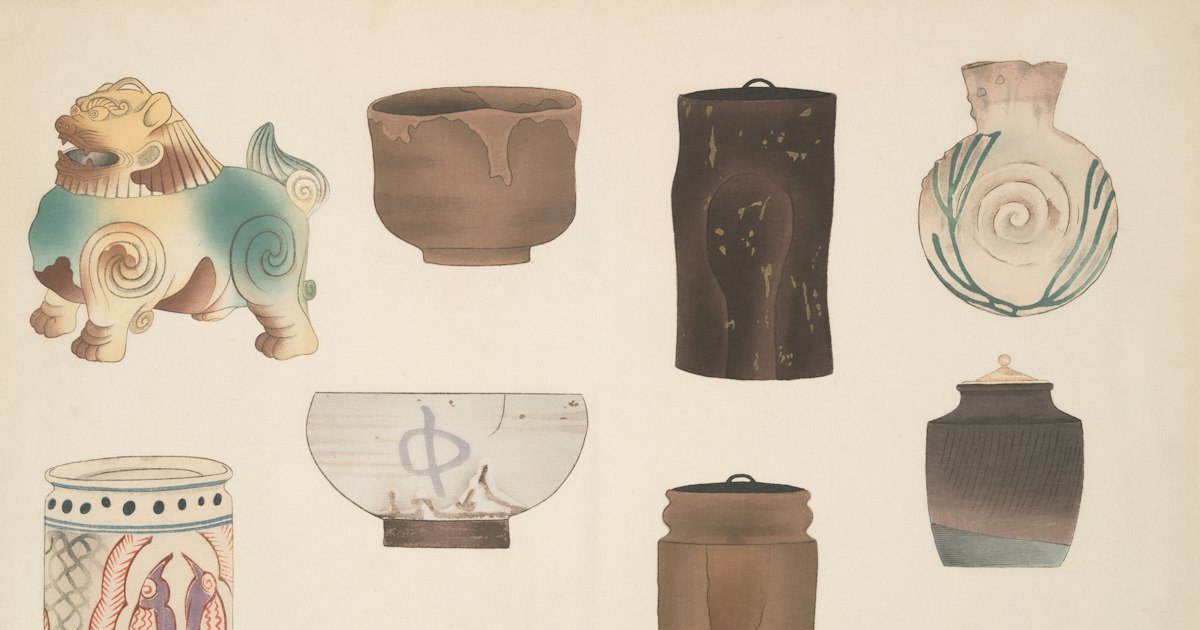
Photo by The New York Public Library on Unsplash
Most visitors to Okinawa know the beaches and the shisa statues, but the island’s most distinctive export is something you drink. Awamori is Japan’s oldest distilled spirit, made in Okinawa for over 500 years using a method found nowhere else in the country. It’s stronger than sake, mellower than most Japanese shochu, and tied so closely to local identity that you’ll find it poured in everything from backstreet izakaya to formal toasts at weddings. Here’s what it actually is, where to taste it properly, and how to avoid the mistakes most first-timers make.
What Makes Awamori Different From Sake
The confusion is understandable — both are rice-based and both come in small ceramic-looking bottles — but they’re made in completely different ways. Sake is brewed, like beer, and stays under 20% alcohol. Awamori is distilled, like whisky or shochu, and typically comes in around 25-30% ABV, with some undiluted “genshu” bottlings reaching 40-60%.
Two other things set it apart. First, awamori is made with Thai long-grain (indica) rice rather than Japanese short-grain rice, a legacy of the Ryukyu Kingdom’s historical trade routes with Southeast Asia. Second, it uses black koji mold (kurokoji), which produces citric acid during fermentation — essential in Okinawa’s hot, humid climate, where that acid prevents the mash from spoiling. Mainland shochu generally switched to a milder white koji strain generations ago; Okinawan distillers never did.
Kusu: Why Aged Awamori Costs More
Awamori aged three years or longer in ceramic jars (kaame) or stainless tanks can legally be labeled “kusu,” and it’s where the real flavor difference shows up. Young awamori is sharp and grassy; kusu rounds out into something closer to a light brandy or aged rum, with notes of vanilla and dried fruit. Many distilleries use a traditional blending system called shitsugi, continually topping older jars with younger spirit rather than bottling single vintages, which is part of why true aged kusu is prized and priced accordingly.
As a rough price guide: a standard 720ml bottle of young awamori runs 1,000-1,800 yen at any Okinawan supermarket. A well-regarded 10-year kusu from a known distillery is typically 3,000-6,000 yen. Rare 20-30 year bottlings from small producers can run well past 10,000 yen, and vintage jars sold at auction or specialty shops occasionally hit far higher. If a shop claims “50 year kusu” at a suspiciously low price, be skeptical — ask whether it’s genuinely cask-aged or just a young spirit in an old-looking jar.
Where to Taste It in Naha
Kokusai-dori, Naha’s main tourist street, has dozens of izakaya where awamori is the default drink rather than beer — look for menus offering a “awamori flight” or tasting set, usually 1,500-2,000 yen for three or four pours with different ages. For something more local in feel, walk the side streets around Makishi Public Market, a few minutes off Kokusai-dori, where small standing bars sell awamori by the glass for 500-900 yen alongside Okinawan dishes like rafute (braised pork belly) and umibudo (sea grapes).
Don’t skip Tsuboya, Naha’s historic pottery district, about a 10-minute walk from Makishi monorail station on the Yui Rail. This is where the big-bellied kaame jars used for aging kusu are traditionally made, and several pottery shops sell smaller versions suitable as souvenirs — useful if you’re also curious about Japanese ceramic craft traditions like those covered in Suribachi & Surikogi: Japan’s Mortar and Pestle for Grinding Sesame.
Distillery Tours Worth the Trip
Several producers welcome visitors, though hours and reservation requirements change seasonally, so check ahead rather than showing up unannounced. Zuisen Distillery, within walking distance of Shuri Castle in Naha, runs short factory tours with a small tasting at the end and is easy to combine with a Shuri Castle visit in a single morning. Helios Distillery, in Nago in northern Okinawa (roughly 1.5 hours by car from Naha via the Okinawa Expressway), is a larger operation with a visitor shop and a pub in Naha’s Kokusai-dori area for anyone who doesn’t want to drive north. If you’re already heading north to Churaumi Aquarium, Helios makes a logical stop along the way.
Best timing: visit on a weekday morning if possible, since weekend tours fill up faster with domestic tourists, and avoid Okinawa’s rainy season (roughly late May through mid-June) if you also want good weather for the drive. For general date-planning around Japanese holidays that can affect crowds and tour availability, see Japanese Public Holidays: Which Dates to Avoid (or Plan Around) in 2026.
How to Drink It Like a Local
Okinawans rarely drink awamori neat. The most common style is mizuwari — awamori mixed with water, often in a roughly 1:1 or 1:2 ratio — served at room temperature rather than chilled, which lets the aroma open up. On the rocks is also common, especially with younger spirit. In winter you’ll sometimes see oyuwari, the same idea with hot water instead. If you’re handed a small flat flask and tiny cups at a traditional bar, that’s a karakara set, used for communal pouring at gatherings — it’s polite to let others pour for you rather than serving yourself.
A common mistake is ordering awamori expecting something close to sake in flavor and being thrown off by how much stronger and earthier it is; ask the bartender for their mildest aged option if you want an easier introduction. Another is assuming all awamori pairs the same way — young, sharp awamori suits rich pork dishes, while aged kusu is better sipped slowly on its own or with simple snacks.
Buying Bottles to Bring Home
Naha Airport’s departure-area shops carry a solid range of awamori, including gift-boxed kusu, so you don’t need to carry bottles through security checkpoints — buy after you clear security if you’re connecting through other Japanese airports, since liquids restrictions apply to carry-on bags before that point. Checked luggage has no such restriction, just pack bottles well; the ceramic kaame-style jars are heavier and more breakable than standard glass bottles, so consider asking the shop to wrap them for transport.
Check your home country’s duty-free alcohol allowance before buying multiple bottles — many countries cap duty-free spirits at around 1 liter per adult, with extra bottles subject to declaration and duty on arrival. If you’re navigating any language barriers while shopping or ordering awamori-paired dishes, a translated allergy or dietary card can help; see Food Allergy Cards & Menu Translation in Japan: A Traveler’s Safety Guide for how those work.
Making It Part of a Wider Okinawa Trip
Awamori tasting pairs naturally with a broader look at Okinawa’s islands — many visitors split a few days between Naha’s food and craft scene and a day trip to the outer islands. If diving or snorkeling is on your list, the Kerama Islands: Okinawa’s Day-Trip Dive Spot for World-Class Visibility are reachable by fast ferry from Naha and make a good contrast to a city day spent on distillery visits and Tsuboya pottery shopping. Plan the drinking-focused day for later in your trip — nothing ruins an early-morning dive boat like an awamori hangover from the night before.