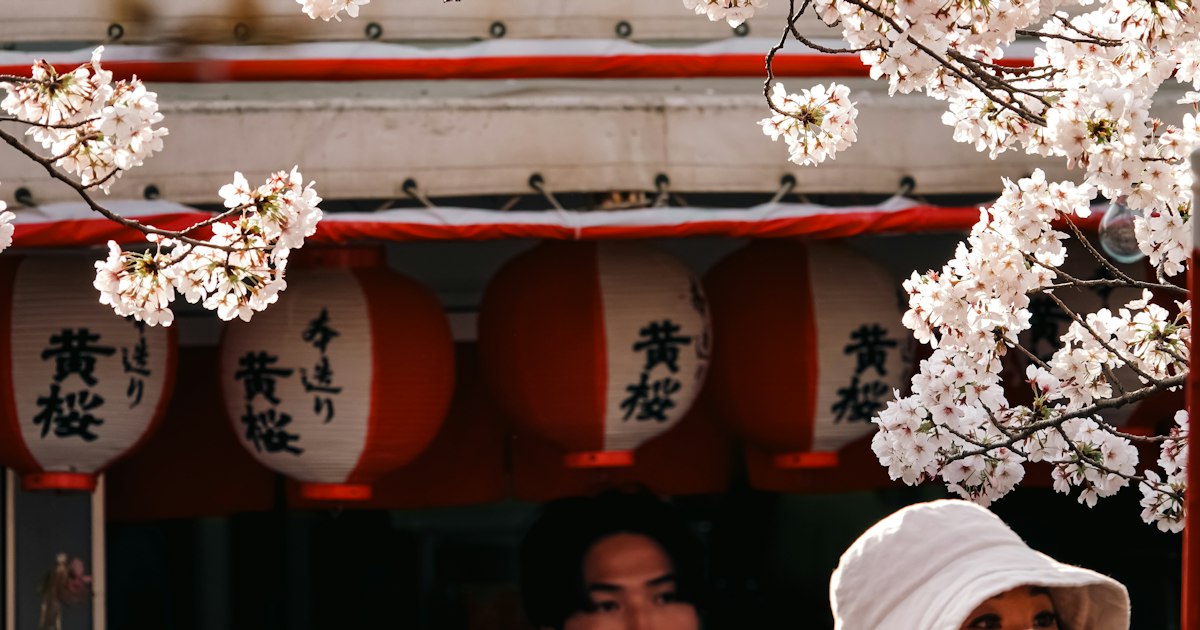
Photo by Nathalie Lays on Unsplash
In Japan, a business card is rarely just contact information — it’s a small, ritualized stand-in for the person handing it to you. If you’re attending meetings, conferences, or trade shows in Japan, getting the meishi (名刺) exchange right signals respect before you’ve said a word of substance. Get it visibly wrong — jamming a card in your back pocket, say — and you can undercut an otherwise good first impression. None of this requires fluent Japanese or years of training; it just requires knowing a handful of concrete rules and having the right cards on hand.
Why Meishi Matter More Than They Look
Meishi exchange (meishi koukan) descends from older customs of formally presenting oneself, and the card itself is treated as an extension of the giver — their name, title, and company affiliation all in one object. That’s why it’s handled with both hands, read carefully rather than glanced at, and never defaced, folded, or stuffed away carelessly in front of the other person. Seniority and hierarchy are baked into the exchange too: cards typically go from the lower-ranking or visiting side first, and the most senior person in a group is usually greeted and exchanges cards before their subordinates.
None of this means you need to study a manual. Japanese counterparts generally extend grace to foreign visitors who show basic effort — a two-handed receive, a moment spent reading the card, and careful storage will cover 90% of what matters.
Before You Travel: Getting Cards Made
Bring enough cards. For a multi-day conference or a week of client meetings, 30–50 cards is a reasonable minimum; for a major trade show, closer to 100. Running out and apologizing repeatedly is a minor but recurring embarrassment for visiting businesspeople.
- Budget: Online printers in your home country (Vistaprint, Moo) run roughly $15–40 USD for 50–100 cards, but turnaround before a trip needs 1–2 weeks.
- Mid-range, done in Japan: Convenience store multi-copy machines (Seven-Eleven, Lawson, FamilyMart) have simple meishi templates for a few hundred yen per sheet if you need an emergency batch, though quality is basic.
- Splurge / most authentic: A proper Japanese print shop (meishi insatsu) can produce cards with your name in both English and Japanese (often with furigana pronunciation guides) for around ¥3,000–¥6,000 for 100 cards. This is the version that reads as most polished to a Japanese counterpart, and it’s worth it if you’ll be doing repeat business in Japan.
Double-sided cards — English on one side, Japanese on the other — are the standard professional solution for foreign visitors and widely considered a thoughtful touch rather than a necessity.
What Goes On a Proper Meishi
At minimum: full name, job title, company name, and one contact method (email or phone). Japanese business cards generally skip personal flourishes — no photo, no slogan, no QR code to a personal social account. Company logo and address are standard. If your title doesn’t translate neatly (common with flatter Western org structures), pick the closest conventional equivalent — “Director,” “Manager,” “Representative” — since an ambiguous title can confuse where you sit in the hierarchy, which affects how you’ll be treated and seated at meetings.
The Exchange Itself: Step by Step
- Carry a card case (meishi-ire). Keeping cards loose in a wallet or pocket is a visible faux pas. A simple case costs ¥500–¥1,500 at any stationery store or department store basement, and a nicer leather one makes a reasonable souvenir purchase — stationery-focused neighborhoods like Kuramae have craft shops selling well-made leather goods if you want something higher quality than a convenience version.
- Present with both hands, card facing the recipient so they can read it right-side up, text oriented toward them, while giving a slight bow and saying your name.
- Receive with both hands as well, saying “thank you” or itadakimasu-style thanks, and take a few seconds to actually read it — commenting on the company name or title is a small, appreciated gesture.
- In a group, exchange with the most senior person first, then work down; if you’re unsure of rank, follow the lead of whoever on your own side goes first.
- During the meeting, lay received cards on the table in front of you, arranged in the seating order of the people across from you, rather than putting them away immediately. This helps you keep names straight and is itself a sign of respect.
- After the meeting, place cards carefully in your case — never in a back pocket, and never write on someone else’s card in front of them.
Common Mistakes Foreign Visitors Make
- Handing cards with one hand or sliding them across the table — minor, but noticeably casual.
- Writing notes on a card immediately in front of its owner. Wait until you’re back at your hotel or desk to jot context on the back.
- Bending, folding, or fanning cards like a deck while waiting your turn to hand them out.
- Running out of cards partway through a conference — pack more than you think you need.
- Giving a card that’s visibly worn, bent, or has an outdated title — treat the card’s condition as part of the impression you’re making.
- Forgetting the hierarchy order in group meetings — if genuinely unsure, it’s fine to hang back a beat and mirror what your Japanese hosts do first.
Timing, Logistics, and Packing Notes
If you’re attending a specific trade show or conference, check Japan’s public holiday calendar before booking — Golden Week (late April–early May) and the New Year period see many offices closed, so business meetings are hard to schedule then. Outside of those windows, meishi exchange happens year-round regardless of season.
A card case and spare cards pack flat and weigh almost nothing, so there’s no reason to skimp on quantity. If you’re also bringing electronics for presentations, it’s worth double-checking Japan’s plug type and voltage — see this guide to electrical outlets and voltage in Japan so you’re not caught out at a venue with the wrong adapter. And if you’re combining business travel with remote work days in Japan, the practicalities of visas and reliable wifi are covered in this digital nomad guide to Japan.
Bringing It Home
The underlying principle is simpler than the list of rules suggests: treat someone’s card the way you’d want your own treated — read, handled deliberately, stored with care. Visitors who show that baseline respect, even imperfectly, are judged far more on effort than on precision. Bring enough cards, use two hands, and don’t be the person patting down three pockets looking for their meishi case while a room waits.