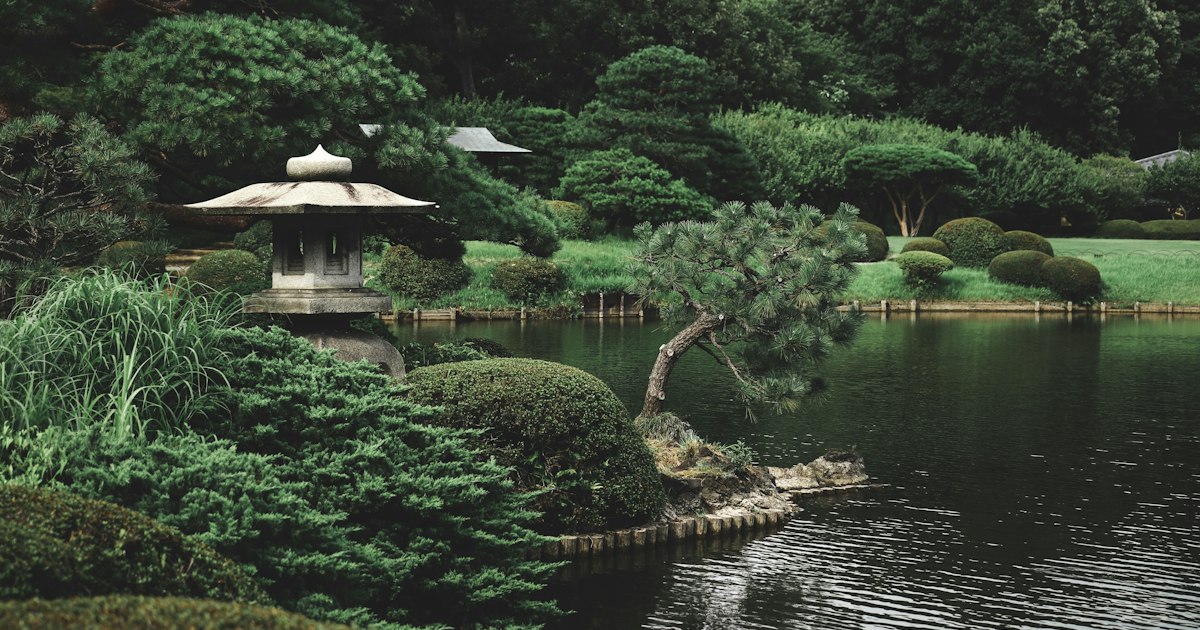
Photo by Thor Alvis on Unsplash
An hour north of central Tokyo, a quiet residential neighborhood in Saitama City holds one of Japan’s strangest and most underrated attractions: a cluster of working nurseries where some of the trees have been trained and shaped for over a century. Omiya Bonsai Village isn’t a theme park or a single ticketed site — it’s a real neighborhood where bonsai masters live and work, and where you can walk from garden to garden looking at living sculptures that predate most of the buildings around them. Here’s how to visit, what it costs, and what to know before you try to buy one.
What Is Omiya Bonsai Village?
The village traces back to 1925, when a group of bonsai growers relocated from the Tabata district of Tokyo after the 1923 Great Kanto Earthquake, drawn by Omiya’s clean water and open land. Several of their family-run nurseries are still here, now joined by the Omiya Bonsai Art Museum, which the city opened in 2010 as the world’s first public museum dedicated entirely to bonsai. The whole area covers only about a square kilometer, so it’s an easy, flat half-day walk between the museum and five or six private gardens.
Getting There from Tokyo
Take the JR Utsunomiya Line, Takasaki Line, or Keihin-Tohoku Line to Omiya Station (roughly 25-30 minutes from Ueno on a rapid service). At Omiya, transfer to a local JR Utsunomiya or Tohoku Line train for the one-stop, two-minute ride to Toro Station. From Toro Station’s east exit, it’s about a 5-10 minute walk to the Omiya Bonsai Art Museum and the start of the garden cluster. If you’re coming straight from the airport, it’s worth first getting settled in central Tokyo — the airport limousine bus from Narita or Haneda drops you near major hotel districts without a train transfer, and Omiya is an easy train ride from most of them the next day.
Omiya Bonsai Art Museum: Hours, Tickets, What You’ll See
The museum is open 9:00-16:30 (last entry 16:00) from March through October, and 9:00-16:00 (last entry 15:30) from November through February. It’s closed Mondays (shifting to Tuesday when Monday is a national holiday) and over the New Year holiday period, so check the calendar before a weekday trip. Admission is modest — around 310 yen for adults and 150 yen for high school and university students, with elementary and junior high students admitted free.
Inside, rotating indoor displays show a handful of museum-grade specimens under controlled light, while the real draw is the outdoor courtyard garden, where dozens of trees — some pines and junipers well over 100 years old — sit on individual display stands. Information panels explain styling techniques (moyogi, shakan, bunjin) in both Japanese and English, which makes this a good first stop before wandering into the private gardens, where explanations are sparser.
The Private Bonsai Gardens Worth Visiting
Within a 10-15 minute walk of the museum are several working nurseries open to the public, including Mansei-en, Toju-en, Seikou-en, Fuyo-en, and Kyuka-en. Most are open roughly 9:00-17:00, and most close one weekday — historically Thursday for several of them, though individual gardens vary, so it’s worth building slack into your schedule rather than targeting just one. Entry to most gardens is free; a few ask a small viewing fee of around 200-300 yen. These are commercial nurseries, not museums, so trees are often for sale and staff are usually happy to talk about care and training if you ask, though English ability varies by garden. Photography rules differ from garden to garden — some restrict flash or tripods — so ask before shooting a tree that’s clearly a showpiece.
Best Time to Visit (and the Annual Bonsai Festival)
Because the trees live outdoors year-round, there’s no single “right” season, but spring (April-May) and autumn (November) tend to be the most photogenic, with flowering plum and cherry bonsai in spring and maple color in autumn. Early May is also when the Omiya Bonsai Matsuri (Bonsai Festival) takes over the neighborhood with vendor stalls and demonstrations — a good reason to time a trip around it, though it also brings the largest crowds of the year. If you’re mapping your trip against the national calendar, the rundown of Japanese public holidays to avoid or plan around in 2026 is worth a look, since Golden Week (late April-early May) overlaps with festival season and can mean packed trains out of Omiya Station. Midsummer visits are workable but less rewarding — most deciduous bonsai look fairly plain in the heat, and you’ll be walking outdoor gravel paths with little shade.
Buying a Bonsai to Take Home (Budget to Splurge, and the Customs Catch)
Prices at the village nurseries span an enormous range. Small starter bonsai (often called shohin or mame, suited to beginners) can run from roughly 3,000-10,000 yen. Mid-range specimens with more developed shape and age typically run into the tens of thousands of yen, while prize-winning, decades-old pines and junipers can sell for hundreds of thousands of yen or more — some museum-quality trees are effectively priceless to their owners.
The catch for foreign visitors is customs, not price. Almost every country restricts or bans importing live plants and soil without a phytosanitary certificate and prior quarantine clearance, and casual tourist purchases don’t meet that bar. If you’re serious about taking a bonsai home, ask the nursery specifically about export service — a handful deal with international shipping for approved species and destinations, using bare-rooted plants and official certification, but it’s slow, limited to certain countries, and adds real cost on top of the tree. For most visitors, the more realistic souvenir is a bonsai tool, pot, or book rather than the tree itself — similar in spirit to browsing the workshop-lined streets of Kuramae, Tokyo’s craft workshop neighborhood, where the appeal is watching skilled work in progress as much as buying the finished object.
Common Mistakes to Avoid
- Assuming it’s one site. Omiya Bonsai Village is spread across a real neighborhood — budget at least half a day to see the museum and two or three gardens properly, not a quick 30-minute stop.
- Ignoring closing days. The museum and several private gardens close on different weekdays; a Monday or Thursday trip can leave you with far fewer gardens open than you planned for.
- Touching the trees. Many specimens are decades or centuries old and extremely delicate — treat them like museum pieces, not garden center stock, even where there’s no visible barrier.
- Buying first, researching customs later. Confirm export and import rules before falling in love with a specific tree — it can save a disappointing conversation at the register.
- Leaving cameras or bags behind. It’s a quiet residential area with narrow paths between gardens; if you misplace something en route, Japan’s koban police box and lost-and-found system is efficient, but it’s easier to just keep track of your belongings in the first place.
Omiya Bonsai Village rewards an unhurried visit — it’s less about ticking off a sight and more about slowing down to look closely at something most people only ever see in photographs. Pair it with a late lunch back near Omiya Station and you’ve got a full, low-key day trip that feels a world away from central Tokyo despite being barely 30 minutes out.