Photo by Kei Selma on Unsplash
If you’ve wandered through Harajuku, Shibuya, or a train station shopping concourse and stumbled into a candy-colored store packed with imported cosmetics, fizzy drinks in flavors you’ve never seen, and nail art kits stacked next to Korean sheet masks, you’ve probably found PLAZA. Known for decades as “Sony Plaza,” this chain has quietly become one of the best browsing stops in the country for anyone who likes discovering small, weird, well-packaged things — and it’s a far easier, more affordable souvenir hunt than most tourists realize.
What Is PLAZA, and Why Is It Called “by Sony”?
PLAZA started in 1976 inside Sony’s Ginza headquarters building as “Sony Plaza,” a shop stocked using Sony’s overseas trading connections at a time when imported goods were hard to find in Japan. The idea was simple: use the company’s global network to bring in things Japanese shoppers couldn’t get anywhere else — foreign snacks, cosmetics, magazines, novelty items. Sony eventually spun the retail business off, and the stores were rebranded simply as PLAZA, though many locals and older signage still reference the Sony name, which is why you’ll see it written as “Plaza by Sony” in English listings and travel guides.
The DNA hasn’t changed much. PLAZA is still essentially a curated import shop, just with more Japanese-made and Korean-made products mixed in now than in its early Western-imports-only days.
What You’ll Actually Find on the Shelves
PLAZA stores are organized like a cross between a cosmetics counter, a candy shop, and a stationery store. Typical sections include:
- Cosmetics and skincare — a mix of indie Western beauty brands, Korean skincare, and Japanese drugstore-adjacent lines, often at ¥800–¥3,000 per item.
- Imported snacks and drinks — American candy, European biscuits, Korean snacks, and limited-edition flavors, usually ¥200–¥700.
- Nail care and nail art — press-on nails, polish sets, and nail stickers are a strong category; if you want the real salon version of what’s on the shelf, our guide to getting a manicure or gel nail art in Japan explains how to book one.
- Stationery and accessories — phone cases, hair clips, socks, and seasonal novelty goods.
- Toys and character goods — smaller shelves rotate through trending toys; during craze periods you’ll even find things like Beyblade X sets stocked alongside the usual novelty items.
- Seasonal pop-ups — Halloween costumes and makeup in September–October, Christmas goods in November–December, and plenty of Valentine’s and White Day items in early spring.
Prices are almost always marked clearly in yen with no bargaining, and most stores accept cash, major credit cards, and IC transit cards like Suica or Pasmo.
Where to Find the Best PLAZA Stores
PLAZA has well over 100 locations nationwide, mostly inside shopping malls, department stores, and train station concourses, but a handful of standalone flagship stores are worth seeking out for their size and selection:
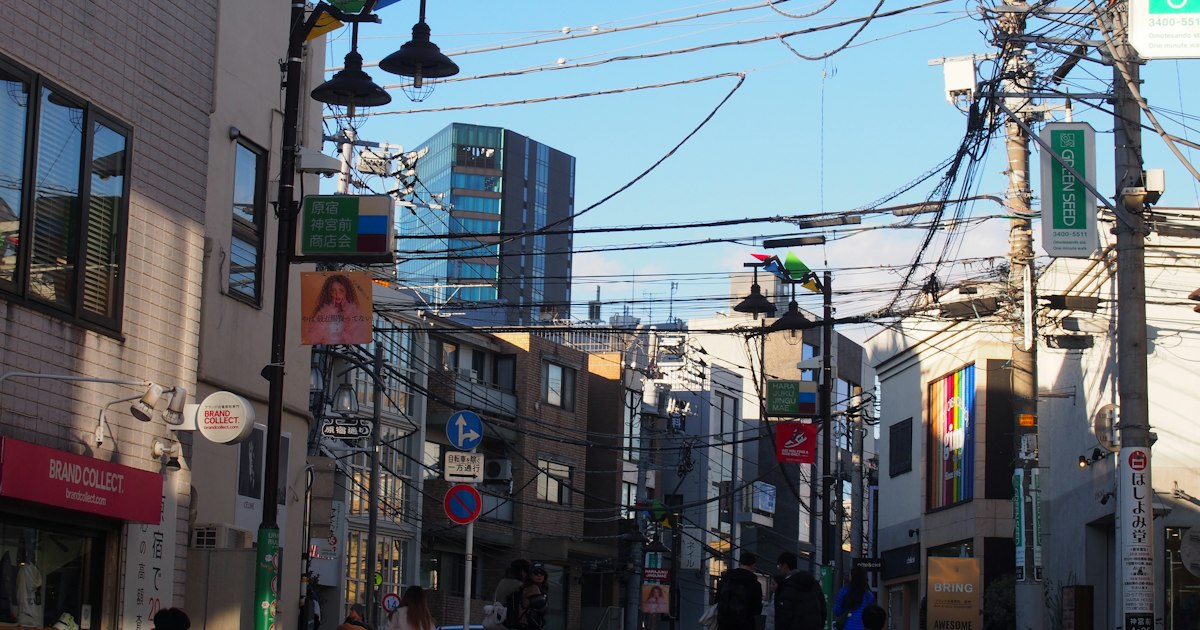
- Harajuku — a large store near Jingu-dori, close to Takeshita Street and Omotesando, with one of the deepest cosmetics and novelty selections in Tokyo.
- Shibuya — multiple locations near the station and shopping strips, convenient if you’re already doing a Shibuya/Harajuku day.
- Shinjuku and Ginza — smaller but well-stocked, good for a quick stop between other errands.
Outside Tokyo, major branches exist in Osaka (Shinsaibashi/Umeda area) and other big-city shopping districts, usually inside or near department stores. If you’re combining a PLAZA stop with other neighborhood exploring in Tokyo, it pairs nicely with a quieter day trip too — the calmer streets around Monzen-Nakacho make a good contrast if Harajuku crowds wear you out.
Opening Hours and Best Time to Shop
Most PLAZA stores keep hours similar to the malls or station buildings they’re in — typically around 10:00 to 21:00 for mall locations, and roughly 11:00 to 20:00 or 20:30 for standalone street stores. Hours vary by branch and can shift around national holidays, so it’s worth checking the specific store’s hours on PLAZA’s official site before a dedicated trip.
Weekday mornings and early afternoons are noticeably calmer than weekends, especially at the Harajuku and Shibuya branches, which get packed with teenagers and tourists after school hours and on weekends. If your trip happens to land during a busy domestic travel period — including Japan’s autumn holiday cluster — expect bigger crowds at the flagship stores; see our guide to Japan’s Silver Week if your dates overlap with it. Seasonal stock (Halloween, Christmas, Valentine’s) is also strongest in the two to three weeks leading up to each holiday, so time your visit accordingly if you’re after a specific theme.
Budget, Mid-Range, and Splurge Picks
PLAZA is friendly to almost any budget:
- Budget (under ¥1,000): imported candy and chips, nail stickers, small stationery, phone charms.
- Mid-range (¥1,000–¥3,000): skincare sets, press-on nail kits, cosmetics palettes, novelty home goods.
- Splurge (¥3,000 and up): limited-edition or collaboration cosmetics sets, larger gift boxes, and seasonal collector items that occasionally sell out fast.
Because the inventory rotates often and leans into limited runs and collaborations, there’s no guarantee a specific product will be in stock when you visit — part of the appeal is treating it like a treasure hunt rather than a shopping list.
Common Mistakes to Avoid
A few things catch first-time visitors off guard:
- Assuming it’s duty-free. Regular PLAZA branches are not tax-free shops; only select larger locations in tourist-heavy areas may offer tax-free processing, and usually only above a minimum purchase amount with passport in hand. Don’t count on it without checking the specific store first.
- Treating it like a 100-yen shop. Prices are closer to specialty retail than discount retail — browse with that expectation so nothing feels like a surprise at checkout.
- Skipping ingredient checks on cosmetics. If you have sensitive skin or allergies, read labels carefully; many products are imported from the US, Korea, or Europe and won’t have English packaging consistently.
- Expecting every branch to be identical. Flagship stores in Harajuku or Shibuya carry far more stock than a small station-side branch, so don’t judge the brand by a quick stop at a tiny location.
Quick Tips for a Smooth Visit
Go in with loose plans rather than a specific shopping list — PLAZA rewards browsing. If you’re building a half-day itinerary around it, the Harajuku branch pairs naturally with a general lifestyle-shopping afternoon; for a similar browse-and-discover mood in a bookstore setting, see our guide to Tsutaya Books, which shares the same “curated lifestyle retail” spirit. Bring a tote bag, since PLAZA (like most Japanese retailers) charges a small fee for plastic bags, and keep your receipts if you’re hoping to claim a tax-free purchase elsewhere on your trip. Above all, treat it as a snapshot of what’s trending in Japan right now — the shelves change constantly, so the PLAZA you visit in spring will look different from the one you’d find in autumn.