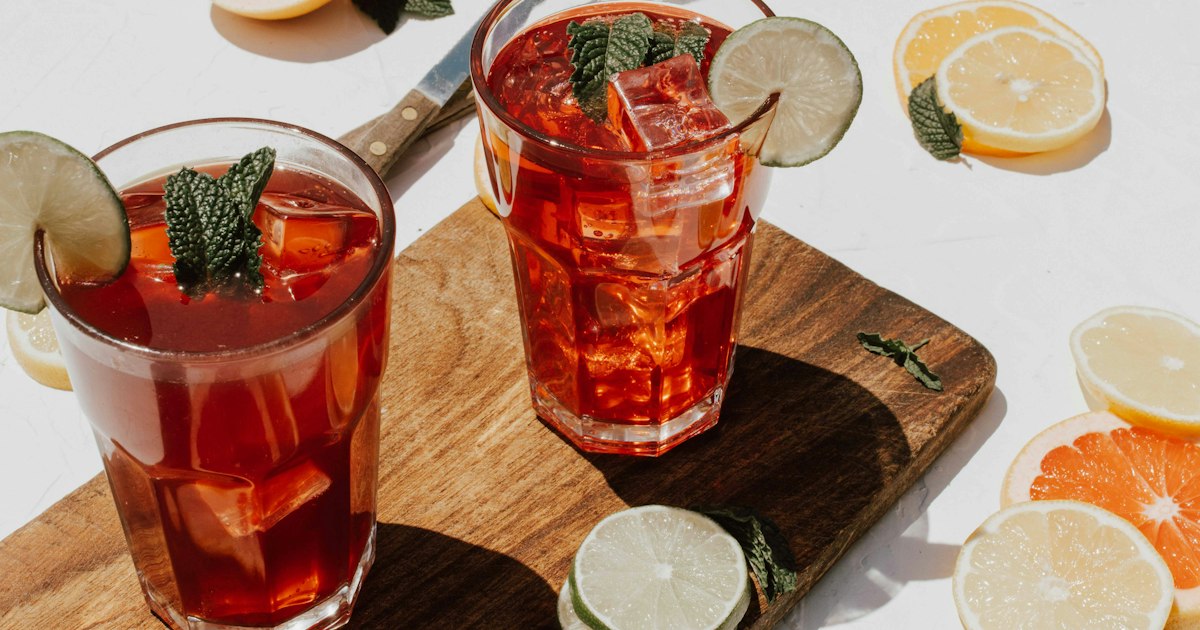
Photo by Katherine Sousa on Unsplash
If you’ve spent even one sweltering August afternoon in Japan, you’ve probably already had mugicha without knowing its name. It’s the amber-colored, slightly nutty, faintly smoky iced tea that appears on restaurant tables instead of water, chills in nearly every refrigerator in the country, and gets handed out free at school sports days. Unlike green tea or black tea, mugicha contains zero caffeine, which is exactly why it’s so deeply woven into daily Japanese life — it’s the one “tea” everyone from toddlers to grandparents can drink all day long.
What Is Mugicha, Exactly?
Mugicha (麦茶) means “barley tea,” and that’s a literal description: it’s made from roasted, unhulled barley grains steeped in hot or cold water. No tea leaves are involved at all, which is why it’s technically a tisane rather than a true tea. The roasting process gives it a toasted, almost coffee-adjacent aroma, but the flavor itself is mild, slightly sweet, and faintly bitter — closer to roasted grain or barley malt than to anything caffeinated. Because it has no caffeine and very little in the way of tannins, it doesn’t stain teeth or cause the jittery effect of iced coffee, and it’s considered gentle enough for babies (diluted) and the elderly alike.
Why It’s Everywhere in Summer
Mugicha is overwhelmingly a cold-weather-opposite drink — it belongs to Japanese summer (roughly June through September) the way hot cocoa belongs to winter elsewhere. Families brew a large pitcher every morning during the hot months and keep it in the fridge all day for rehydration, since it’s caffeine-free and won’t dehydrate you the way iced coffee or black tea can. It’s standard issue at school, handed out at sports clubs, packed into kids’ water bottles, and served automatically — often without you ordering it — at many traditional restaurants, soba shops, and izakaya as a complimentary starter drink, essentially replacing tap water. If you’re taking a soba-making class, don’t be surprised if mugicha shows up alongside your bowl at the end — it’s considered a natural palate-cleansing pairing with buckwheat noodles.
Where to Try It While You’re in Japan
You don’t need to seek out anywhere special — mugicha is one of the easiest things to find in the entire country:
- Convenience stores (7-Eleven, Lawson, FamilyMart): Bottled mugicha in 600ml–660ml PET bottles runs about ¥120–160. Brands like Ito En’s “Mugicha” and Suntory’s “Suntory Mugicha” are on nearly every cold-drink shelf, usually right next to the unsweetened green teas.
- Vending machines: Found on almost every city block and inside train stations, selling the same bottles for ¥130–160. Look for the brown-and-tan labeling — it stands out from the green tea bottles.
- Restaurants and izakaya: Many casual and traditional restaurants (teishoku shops, soba and udon counters, some izakaya) serve mugicha free as the default table drink, particularly in summer. It’s rarely on the menu because it’s assumed, not ordered.
- Supermarkets: Larger format bottles (1–2 liters) cost roughly ¥150–250 and are the cheapest per-serving option if you’re self-catering during your trip.
There’s no single “best place” or pilgrimage site for mugicha the way there might be for a regional specialty — its whole identity is that it’s ordinary and everywhere, which is part of the appeal for visitors curious about everyday Japanese life rather than tourist-oriented food experiences.
Budget, Mid-Range, and Splurge Ways to Experience It
Budget (¥120–160): Grab a single bottle from any convenience store or vending machine — the simplest way to taste it exactly as most Japanese people drink it day to day.
Mid-range (¥300–500): Buy a box of tea bags at a supermarket or drugstore (Hakubaku is the best-known brand, widely sold in boxes of 20–50 bags) and brew a pitcher yourself if your hotel or guesthouse has a kitchenette. This is also the better route if you want to compare a few brands side by side, since roast levels and grain blends vary noticeably.
Splurge (¥800–1,500): Some specialty tea shops and department store food halls sell premium, deeply roasted mugicha blends — sometimes mixed with roasted corn or rice (mugicha blended with genmaicha-style roasted rice) — in nicer packaging, aimed at gift-giving. These make a more presentable souvenir than a convenience-store bottle, though the flavor difference over a mid-range box is subtle rather than dramatic.
Brewing It Yourself
If you buy tea bags to try at home, the process is simple: steep 1–2 bags in about 1 liter of boiling water for 5–10 minutes, then refrigerate. Most Japanese households brew it this way each morning rather than making it fresh per cup, since it’s meant to be drunk cold throughout the day. Unlike green tea, there’s no risk of over-steeping into bitterness — longer steeping just deepens the roasted flavor, so it’s a forgiving tea for first-timers.
Common Mistakes Visitors Make
- Assuming it has caffeine: Some visitors avoid it thinking all “tea” has caffeine, or conversely order it expecting a pick-me-up. It has neither caffeine nor stimulant effect — it’s purely a hydrating, flavored water substitute.
- Mistaking it for genmaicha or hōjicha: These are both actual teas (green tea blended with roasted rice, and roasted green tea, respectively) and do contain some caffeine. Mugicha, made from barley with no tea leaf at all, is the only one of the three that’s completely caffeine-free.
- Expecting it hot: While mugicha can technically be served hot in winter, it’s almost always encountered cold in restaurants and convenience stores. If you’re served a hot brown tea, it’s more likely hōjicha or genmaicha.
- Buying sweetened versions without checking: Nearly all mainstream bottled mugicha is unsweetened, but a few novelty or kids’-branded versions add sugar. Check the label (無糖 means “no sugar”) if you want the traditional, unsweetened version.
Bringing It Home
Tea bags travel well and make a light, inexpensive souvenir — a box of 50 bags weighs very little and fits easily in a suitcase. Loose-leaf-style mugicha (roasted whole barley grains) is also sold in some specialty shops and keeps for months unopened. If you’re stocking up on several boxes along with other pantry souvenirs, it’s worth a quick check of what you can actually bring back under your home country’s customs allowance, since dried goods are usually fine but it’s worth confirming for your specific destination. For a more premium gift option to pair with tea back home, a box from Toraya makes a classic wagashi pairing — their subtly sweet confections are traditionally served alongside roasted teas like mugicha and hōjicha.
Mugicha isn’t a dish you need to plan a special trip around, but it’s one of the most authentic tastes of ordinary Japanese life you’ll encounter — cheap, caffeine-free, and handed to you without asking at countless meals across the country. Keep a bottle in your bag during the summer months and you’ll understand immediately why it’s a national habit rather than a niche specialty drink.