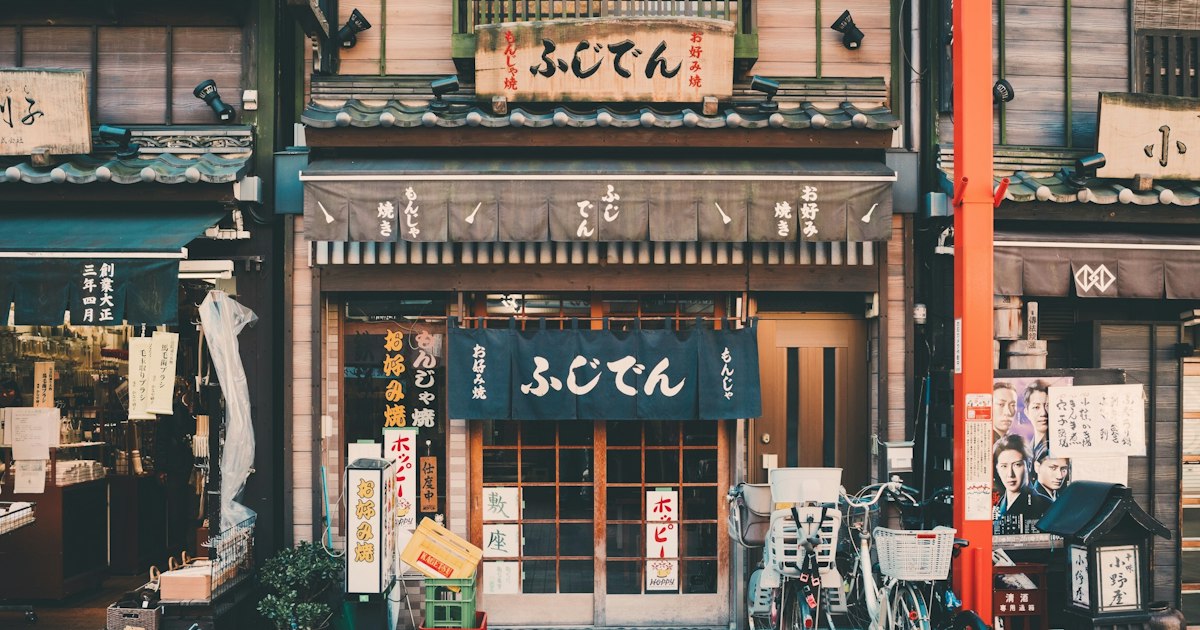
Photo by Clay Banks on Unsplash
Most visitors to Japan leave thinking they understand sake: clear, chilled, served in a tiny cup. Doburoku (どぶろく) breaks that picture entirely. It’s thick, cloudy, barely strained, and tastes closer to fermented rice porridge than to the bottles lined up in a department store sake aisle. It’s also something you can’t just walk into any liquor shop and buy — which is exactly what makes tracking it down part of the fun. Here’s what doburoku actually is, why it’s so regionally limited, and where to legitimately try it.
What Doburoku Actually Is
Standard sake (seishu) and even cloudy nigori-zake are pressed — the fermented rice mash is squeezed through cloth to separate liquid from solids before bottling. Doburoku skips that step. The rice, koji mold, and yeast stay suspended in the liquid, so what you get is opaque, slightly chunky, and often faintly sparkling because fermentation is still active when it’s served. Alcohol content typically sits around 6–10%, lower and sweeter than most sake, with a tangy, yogurt-like sourness underneath the rice sweetness. It’s traditionally served at room temperature or lightly chilled in a wooden masu box or a simple ceramic cup, often alongside a farmhouse meal of pickled vegetables, grilled river fish, or rice balls wrapped in shiso leaves.
Why You Can’t Just Buy It Anywhere
This is the part that surprises people: home-brewing any alcohol without a license has been illegal in Japan since the 1899 Liquor Tax Law, and that law never carved out an exception for doburoku. For most of the 20th century, farmhouse doburoku brewing — once common as a harvest offering to Shinto gods — went underground or disappeared.
That changed in 2002, when the national government introduced “structural reform special zones” (kōzō kaikaku tokku), letting specific depopulated, agriculture-dependent municipalities issue limited doburoku brewing licenses, usually tied to farm inns and restaurants as a way to draw tourists. That’s why doburoku today is tied to particular towns rather than sold freely nationwide — you’re drinking a product of rural economic policy as much as tradition.
Where to Try It: Tono, Iwate
Tono, in Iwate Prefecture, was among the first municipalities approved for doburoku brewing and remains the easiest place for a visitor to try it with a meal rather than just a sip. Several minshuku (farmhouse inns) and restaurants in the Tono area hold brewing licenses and serve doburoku alongside set-course lunches or dinners, typically for an extra ¥500–¥1,500 on top of the meal price. Some offer tours of the small on-site brewing room.
Getting there: Take the Tohoku Shinkansen from Tokyo to Shin-Hanamaki (around 2.5 hours), then transfer to the JR Kamaishi Line to Tono Station (about an hour). A rental car from Shin-Hanamaki is also common since the farmhouses are spread through the valley.
Best timing: Fresh batches are typically brewed after the autumn rice harvest (September–November), when the doburoku is at its most lively and slightly fizzy. Tono also holds a dedicated Doburoku Matsuri in February, with tastings and local food stalls.
Doburoku Festivals Worth Timing a Trip Around
If you’d rather sample it for free than seek out a licensed restaurant, plan around a shrine festival. The best-known is Shirakawa-go’s Doburoku Matsuri in Gifu Prefecture, held across three shrines on different mid-October dates: Shirakawa Hachiman Shrine (around October 14–15), Iijima Hachiman Shrine (around October 16–17), and Hirose Hachiman Shrine (around October 18–19). Doburoku brewed on-site is first offered to the gods, then shared with everyone in attendance, accompanied by lion dances and sacred kagura performances on the shrine grounds. Admission and tastings are free; you’re only paying for transport and lodging.
Getting there: From Takayama, buses to Shirakawa-go run roughly every 30–60 minutes and take about 50 minutes (around ¥2,600 one way). From Kanazawa, the direct bus takes roughly 75 minutes. Mid-October is also peak season for the thatched-roof village itself, so book accommodation well ahead if you’re staying overnight rather than day-tripping.
If you’re already routing through the Hokuriku region for this festival, it’s worth building in a detour to Toyama, where you can try the regional specialty Toyama black ramen — a different rustic, laborer’s-food tradition from the same part of Japan.
Buying Bottled Doburoku to Take Home
Some producers sell a pasteurized or coarse-filtered version that’s legally classified as regular seishu, which means it can be sold in ordinary liquor shops, department store sake floors (the basement food halls at Isetan Shinjuku or Takashimaya carry regional sake selections that occasionally include doburoku-style bottles), and airport duty-free shops at Narita and Haneda. Expect to pay roughly ¥1,200–¥2,500 for a 720ml bottle, depending on the brewery and whether it’s labeled “nama” (unpasteurized, live) or heat-treated.
Nama versions are the closest to what you’d drink at a farmhouse or festival, but they’re genuinely perishable — keep them refrigerated and drink within a few days of opening, since active yeast keeps fermenting in the bottle. If you’re flying home with a bottle, pack it in checked luggage (liquids over 100ml aren’t allowed in carry-on) and double-check your destination country’s alcohol import allowance before you go.
Common Mistakes to Avoid
- Expecting it to taste like sake. Doburoku is sweeter, thicker, and more sour than any seishu or nigori-zake — go in expecting something closer to a fermented rice drink than a refined rice wine.
- Underestimating the alcohol. The sweetness masks the 6–10% ABV. It’s easy to drink more than you intend, especially warm from a festival ladle.
- Assuming it’s sold everywhere. Outside the special brewing zones and a handful of nationally distributed pasteurized bottles, doburoku simply isn’t stocked at convenience stores or most liquor shops — plan your route around it rather than hoping to stumble on it.
- Confusing it with nigori-zake. Nigori is cloudy too, but it’s pressed and legally classified as refined sake, so it’s widely available and milder. If a shop clerk says “we don’t carry doburoku, but we have nigori,” that’s not the same drink.
- Not refrigerating a nama bottle. Unpasteurized doburoku left at room temperature will keep fermenting and can become overly sour or fizzy within days.
Budget, Mid-Range, and Splurge Options
- Budget: Free tastings at the Shirakawa-go Doburoku Matsuri in mid-October — you only pay for transport and lodging.
- Mid-range: A bottled doburoku-style sake from a department store sake floor or airport shop (¥1,200–¥2,500), or a glass added to a set lunch at a licensed Tono minshuku (¥500–¥1,500 on top of the meal).
- Splurge: An overnight stay at a Tono farmhouse inn with a full dinner course, doburoku pairing, and a brewing-room tour — typically ¥10,000–¥15,000 per person including breakfast.
Doburoku isn’t a drink you’ll find by accident — it takes a specific town, a specific season, or a festival date on the calendar. That’s also what makes it worth the detour: a taste of what sake looked like before filtering, licensing, and export branding turned it into what most of the world now recognizes as “Japanese sake.”