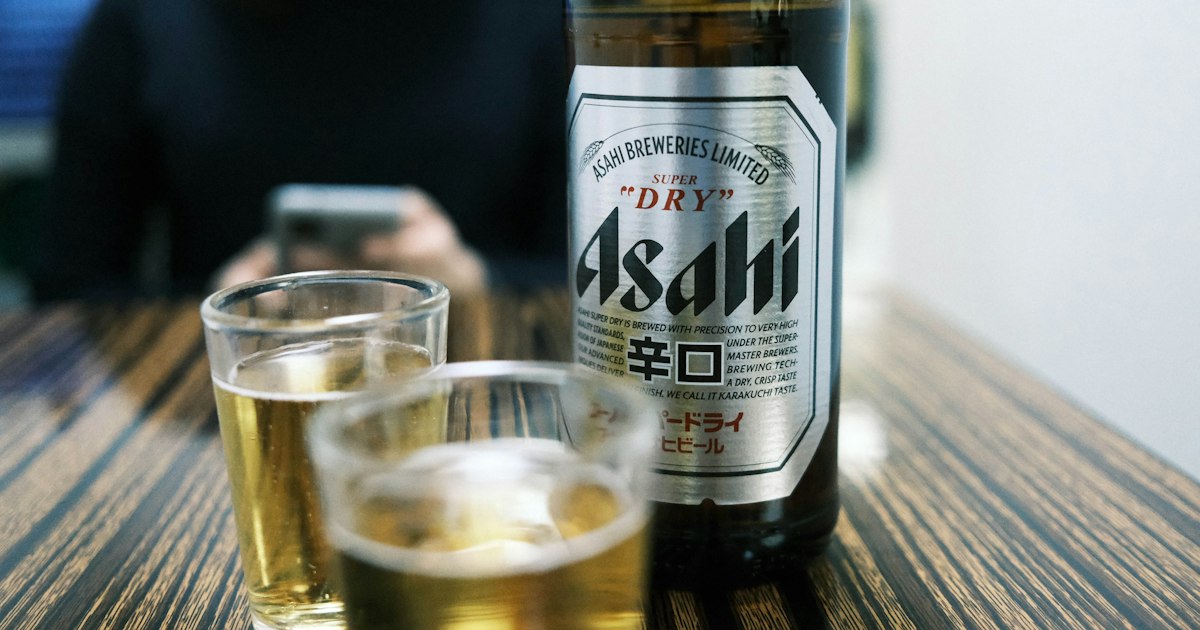
Photo by Beaumont Yun on Unsplash
Walk into any convenience store in Japan and you’ll notice something odd about the beer fridge: a growing chunk of it isn’t beer at all. Cans labeled “ノンアルコール” (non-alcohol) with “0.00%” printed in bold now sit shelf-to-shelf with the real thing, and izakayas routinely print them on the drinks menu next to the nomihoudai (all-you-can-drink) course. For visitors, this is genuinely useful: whether you’re driving, pacing yourself, traveling with kids, or just curious, Japan’s non-alcoholic beer scene is mature, cheap, and easy to find. Here’s how to navigate it.
Why Non-Alcoholic Beer Took Off in Japan
Three forces pushed this category from novelty to mainstream. First, Japan’s drink-driving laws are strict and zero-tolerance—even a trace of alcohol can mean a suspended license and a heavy fine—so anyone renting a car or driving home from a family dinner needs a legitimate alternative that still feels like having a beer. Second, Japan’s major breweries have been locked in a decades-long rivalry, and once Kirin proved there was a real market, Asahi and Suntory followed fast with their own competing formulas. Third, there’s a broader health and moderation trend (less drinking among younger adults, more people tracking alcohol intake) that’s made “I’ll have the non-alc one” a completely normal thing to say at an izakaya table, with zero stigma attached.
Meet the Big Three: Kirin, Asahi & Suntory
Each major brewer has its own flagship 0.00% beer, and they taste noticeably different from one another, so it’s worth trying more than one:
- Kirin Free (キリンフリー) – launched in 2009 as one of the first truly 0.00% beer-taste drinks in Japan. Malty and slightly grainy, closer to a traditional lager profile.
- Asahi Dry Zero – built to echo Asahi’s signature “Super Dry” crispness, with a sharper, drier finish and less sweetness than Kirin’s version.
- Suntory All-Free (オールフリー) – lighter-bodied and a touch sweeter, and Suntory frequently rolls out flavored spin-offs (citrus, lime) alongside the standard version.
None of these use the “brew then strip the alcohol out” method you’ll see with some German non-alcoholic beers—Japanese brands are typically formulated from the start to land at exactly 0.00%, which is part of why the taste profile is distinct from what you might expect.
Where to Buy It: Convenience Stores & Supermarkets
You don’t need to hunt these down. Every 7-Eleven, FamilyMart, and Lawson stocks at least two or three brands in the beer aisle, open 24 hours, for roughly ¥150–200 per 350ml can. Supermarkets sell them slightly cheaper in six-packs. The can design deliberately mimics the real beer’s branding (same colors, same fonts), so look closely for the “0.00%” printed near the brand name—that’s the detail that matters if you’re buying for someone who’s driving or can’t have alcohol at all. If you’re curious about Japan’s wider convenience-store drink culture, it’s worth also checking out Japan’s retro energy drink culture, which lives in the same fridge section and says a lot about how seriously Japanese brands compete over everyday beverages.
Where to Drink It Out: Izakayas and Beer Halls
This is where the category really shines for travelers. Most izakaya chains (Torikizoku, Watami, Kushikatsu Tanaka, and countless independents) list ノンアルコールビール on the menu for about ¥400–600 a glass—roughly the same as a soft drink, and far cheaper than ordering juice cocktails all night. One useful heads-up: non-alcoholic beer is sometimes excluded from nomihoudai all-you-can-drink deals or capped at one brand, so ask before assuming it’s included.
For something more memorable than a standard izakaya, head to Asahi’s Asakusa headquarters—the gold, flame-topped tower across the Sumida River from Senso-ji that’s instantly recognizable (and often jokingly mistaken for something else entirely). It houses restaurants on its upper floors with river and Tokyo Skytree views, where you can order both the regular beer and Dry Zero side by side to compare. Seasonal beer gardens on department store rooftops, running roughly June through September, have also made zero-alcohol options a standard menu item rather than an afterthought.
Best Season and Timing to Try It
Non-alcoholic beer is a year-round product, but a few moments make it especially worth seeking out. Summer is peak season: rooftop beer gardens open across the country from June to September, and in Kyoto, the riverside dining platforms known as kawadoko now routinely list a non-alcohol option on their seasonal kaiseki drink menus for the same June-to-September window, letting non-drinkers join the experience without feeling like they’re missing out. If your trip involves a road trip—say, a multi-day drive through the countryside in a rented EV—packing a few cans means the designated driver doesn’t have to settle for water while everyone else has a drink with dinner.
Common Mistakes to Avoid
- Confusing “0.00%” with “low-alcohol.” Some products labeled 低アルコール (low-alcohol) still contain a small amount of real alcohol, sometimes up to 1%. If you’re driving or can’t have any alcohol at all, only trust cans explicitly marked “アルコール0.00%.”
- Assuming it’s automatically free with nomihoudai. Many all-you-can-drink deals exclude non-alcoholic beer or limit it to a single brand—always check the fine print on the menu.
- Expecting it to taste identical to real beer. Each brand has a genuinely different flavor profile; if the first one you try doesn’t click, try one of the other two before writing off the category.
- Buying from a hotel minibar out of convenience. Minibar prices can run two to three times what you’d pay at the convenience store a few minutes’ walk away.
Budget, Mid-Range & Splurge Picks
Budget: a convenience store can for ¥150–200, enjoyed back at the hotel or in a park—there’s no better value in the category. Mid-range: a glass at an izakaya for ¥400–600, paired with salty, umami-heavy food that plays well against the slight bitterness of non-alcohol beer—regional specialties like Toyama’s jet-black ramen are a surprisingly good match. Splurge: a seasonal rooftop beer garden course (roughly ¥4,000–6,000 for all-you-can-eat-and-drink, non-alcohol included) or dinner with a view at Asahi’s Asakusa tower. However you drink it, non-alcoholic beer in Japan isn’t a consolation prize—it’s a genuinely well-made category worth exploring on its own terms.