Photo by Joschka Silzle on Unsplash
If you’ve ever squeezed a zigzag of mayonnaise onto okonomiyaki, takoyaki, or a convenience-store egg sandwich in Japan and thought “this tastes nothing like the mayo at home,” you weren’t imagining it. That red-capped squeeze bottle with the baby logo is Kewpie (キユーピー), and it’s different from Hellmann’s or Best Foods by design — not by accident. Here’s why it tastes the way it does, and where to actually find it, whether you’re shopping in Tokyo or trying to recreate the taste back home.
Why Kewpie Mayonnaise Tastes Different
Three ingredient choices separate Kewpie from most Western mayonnaise brands:
- Egg yolks only, not whole eggs. Kewpie has used just the yolk since its founder, Toichiro Nakashima, developed the recipe in 1925 after studying American mayonnaise in the US. Yolk-only mayo is richer, denser, and more custard-yellow than the paler whole-egg versions common in the US and Europe.
- A vinegar blend, not a single vinegar. Kewpie uses a mix of rice vinegar and apple vinegar rather than plain distilled vinegar, giving it a rounder, slightly fruity tang instead of a sharp, flat sourness.
- A small amount of MSG (monosodium glutamate). This is the biggest flavor difference most people can’t name. The added umami makes Kewpie taste “savory” in a way Western mayo doesn’t, which is part of why it works so well drizzled over grilled meat, fish, or vegetables rather than just sandwiches.
The soft, squeezable bottle with a star-shaped nozzle is also deliberate — it’s designed to lay down a neat ribbon on top of food rather than spread like a Western-style jar mayo, which is why you see it piped in decorative patterns on everything from crepes to hot dogs.
Where to Buy It in Japan
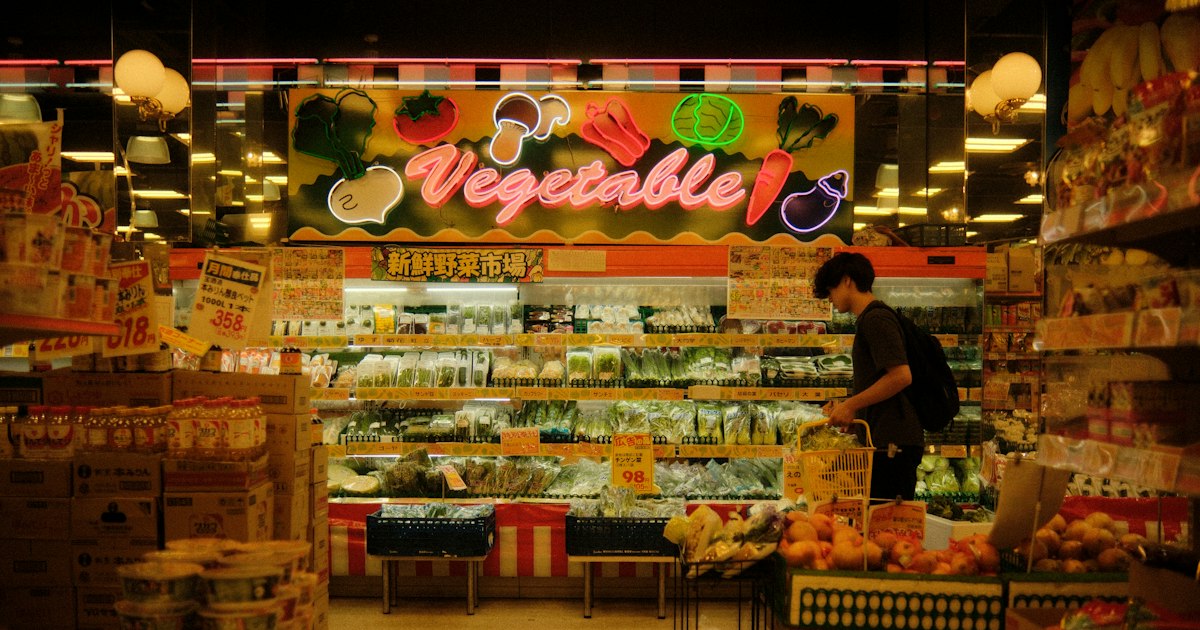
You genuinely don’t need to hunt for this one — it’s one of the easiest Japanese grocery items to find.
- Supermarkets (Life, Seiyu, Ito-Yokado, Maruetsu) stock the full range: the standard 300g bottle runs roughly ¥250–320, and a 450g bottle is around ¥400–450. These are typically open from around 9:00 or 10:00 until 21:00–22:00.
- Convenience stores (7-Eleven, Lawson, FamilyMart) carry smaller 130–200g bottles for about ¥150–220 — handy if you’re staying in a hotel without a fridge and just want a taste test.
- Don Quijote (Donki) stocks Kewpie alongside its wider snack and souvenir selection, and many flagship stores (Shibuya, Dotonbori, Shinjuku) are open very late or 24 hours, which is useful if you’re shopping after a long sightseeing day. While you’re in the kitchenware aisle there, it’s also worth a look if you’re building out a Japanese kitchen kit — see our guide to tawashi scrub brushes for another authentic, inexpensive item sold in the same section.
- Kaldi Coffee Farm, despite the name, sells imported and specialty Japanese condiments including flavored Kewpie varieties, usually 10:00–20:00 in shopping mall locations.
Visiting the Kewpie Mayo Terrace (Factory Tour)
For a deeper dive than just buying a bottle, Kewpie runs a free factory tour and visitor center called Mayo Terrace near Sengawa Station in Chofu, on the western edge of Tokyo. Tours cover the history of the brand and how the mayonnaise is made, and typically end with a tasting. The catch: reservations are required well in advance through Kewpie’s Japanese-language website, tours run on a fixed schedule (generally weekday mornings and afternoons, closed weekends and Mondays), and the tour itself is conducted mostly in Japanese, so it suits travelers comfortable navigating a reservation site in Japanese or with help from a Japanese-speaking friend. It’s a niche stop, but a memorable one if you’re already a fan of the brand.
Flavors and Formats Worth Trying
Budget (¥150–220): The small convenience-store bottle of original Kewpie is the easiest low-commitment buy, and it’s the same recipe as the big bottles.
Mid-range (¥250–450): Look for “Kewpie Half” (ハーフ), a reduced-calorie, reduced-fat version that’s still distinctly Kewpie-flavored, or the Deep Roasted Sesame (焙煎ごま) and Yuzu Pepper variants, which are genuinely good on grilled chicken or cold tofu and make better souvenirs than the plain version since they’re harder to find outside Japan.
Splurge: Department store food halls (depachika) occasionally stock small gift-boxed sets pairing flavored Kewpie bottles with regional vinegars or oils, usually ¥800–1,500. If you’re already working your way through a depachika basement for food souvenirs, it pairs naturally with a stop for boxed cake — see our guide to baumkuchen brands sold in Japanese department stores for another classic depachika pickup.
One of the best everyday uses for a bottle you bring home is on homemade tamagoyaki — the slightly sweet, umami-rich mayo plays well against the egg’s sweetness. If you want to make tamagoyaki at home to go with it, our tamagoyaki pan guide covers which pan to buy and how to use it.
Buying It at the Airport and Bringing It Home
Narita, Haneda, and Kansai airport souvenir shops all sell small single-serve or travel-pack Kewpie bottles (often 90–130g, ¥200–400) in their Japanese snack sections, typically open from early morning until the last flight departs. These are sized to clear carry-on liquid restrictions on international flights, where containers are generally capped at 100ml — a full-size 300g or 450g bottle will not pass security in carry-on luggage and needs to go in checked baggage instead. Unopened mayonnaise packed in checked luggage travels fine for most destinations, but it’s worth checking your home country’s customs rules on egg-based products before flying, since a few countries restrict egg products specifically.
Common Mistakes to Avoid
- Trying to carry a full-size bottle onto an international flight. It will get confiscated at security — buy travel-size or pack it checked.
- Assuming the Kewpie sold in US supermarkets is identical. Kewpie produces a US-made version for the American market that is reformulated to comply with local food regulations, so the taste is close but not quite the same as a bottle made in Japan. Check the label for the manufacturing location if you want the authentic version.
- Buying it expecting a jar-style spread. Kewpie’s thinner, pourable consistency is meant for squeezing and drizzling, not scooping with a knife — it behaves differently in recipes calling for Western mayo.
Finding Kewpie Outside Japan
Back home, Japanese and pan-Asian grocery chains like Mitsuwa, Nijiya Market, H Mart, and 99 Ranch Market carry genuine Japan-imported Kewpie in most Western countries, usually at a markup over Japan prices but still reasonably affordable. It’s also widely available through online grocery retailers. If you fell for one of the flavored varieties while traveling, those are far less likely to show up abroad, which is exactly why it’s worth grabbing an extra bottle or two before you fly home.