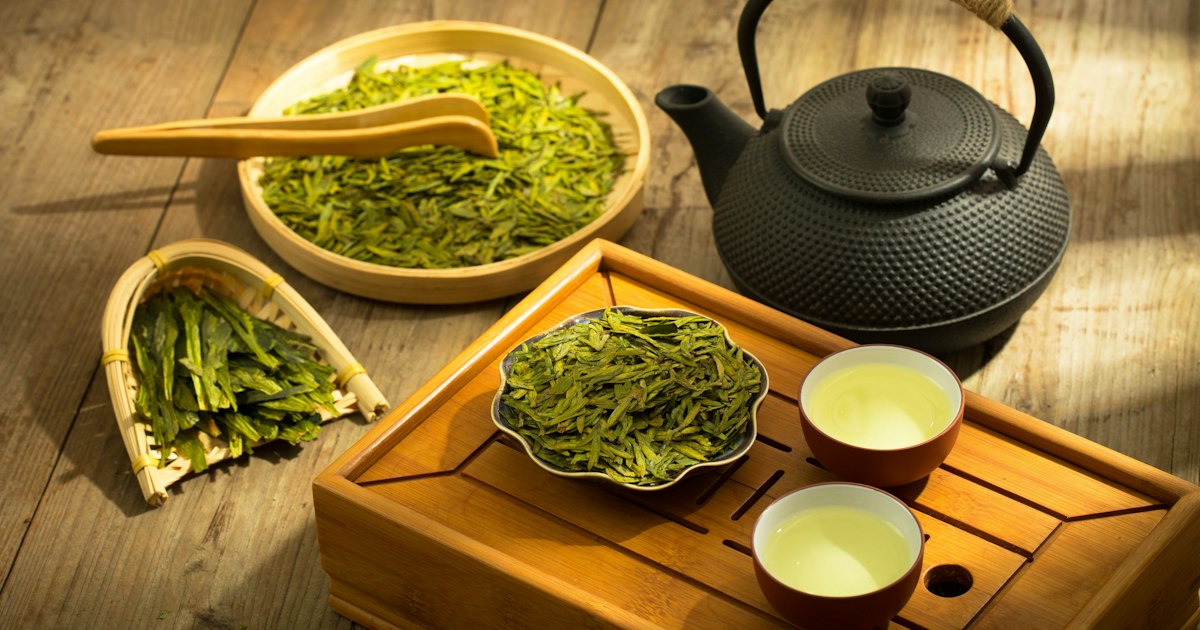
Walk into any Japanese grocery store and you’ll see two green teas sitting side by side: a bright jade-green one and a reddish-brown one that looks almost like coffee. That second tea is hojicha, and it’s often the better souvenir — lower in caffeine, impossible to brew badly, and sold everywhere from 7-Eleven to centuries-old Kyoto tea houses. Here’s what it is, where it comes from, and which brands are actually worth your suitcase space.
What Makes Hojicha Different From Regular Green Tea
Most Japanese green teas (sencha, matcha, gyokuro) are steamed to stop oxidation, which locks in a grassy, vegetal flavor and a fair amount of caffeine. Hojicha starts life as bancha or sencha — often the coarser, lower-grade leaves and stems left over after the premium leaves are sorted out — and is then roasted at high heat, usually 150–200°C, over a porcelain or metal drum. The roasting caramelizes the leaf, driving off most of the bitterness and caffeine and replacing the grassy taste with notes of toasted grain, cocoa, and roasted nuts. Because the base leaves are considered lower grade, hojicha was historically an everyday, budget-friendly tea in Kyoto households — not a luxury item — which is part of why it’s still so affordable today.
Caffeine content is the practical reason to care: hojicha typically has a fraction of the caffeine of sencha or matcha, which is why it’s the go-to tea for children, evening drinking, and anyone sensitive to caffeine. It’s also naturally sweeter, so most Japanese people drink it without sugar.
Where Hojicha Comes From
Hojicha as we know it was developed in Kyoto in the 1920s by tea merchants looking for a use for leftover bancha stems and leaves. Kyoto — specifically the Uji area south of the city — remains the spiritual home of hojicha, and many of the most respected producers are still based there or in nearby Wazuka, a rural tea-growing town. If you’re visiting Kyoto anyway, this is a good excuse to buy tea at the source rather than at an airport gift shop on the way home.
Best Places to Buy Hojicha, by Budget
Budget (¥150–600): Convenience stores and supermarkets sell bottled hojicha and hojicha lattes from brands like Itoen and Suntory Iyemon for roughly ¥140–160 a bottle — fine for trying the flavor on the go, though it’s sweetened and milky in the latte versions. For something closer to the real thing, supermarket tea bags (Itoen, Fujien, or store-brand versions at AEON or Life) run about ¥300–600 for a box of 20–50 bags. These are perfectly good everyday tea and the easiest “bring home a box for the office” souvenir.
Mid-range (¥800–2,000): Ippodo Tea, founded in Kyoto in 1717, is the most tourist-friendly serious tea shop in the country. Its flagship store is on Teramachi-dori near Kyoto City Hall, open daily 9:00–18:00 (the in-store Kaboku tearoom serves until 17:30 last order), with a second, easier-to-reach branch near Tokyo Station in Marunouchi. Their “Hojicha” and the slightly sweeter “Kazariho” blend run around ¥1,000–1,500 for 100g and come in resealable bags that pack flat. Fukujuen, another long-running Kyoto house, runs a small, free tea museum in Uji (closed Mondays) where you can see roasting equipment and buy tea on site. Lupicia, a nationwide chain with branches in most major department stores, sells flavored hojicha blends (hojicha with roasted brown rice, hojicha with cherry blossom) in the same price range — a fun variation if you want something more unusual than a plain leaf.
Splurge (¥2,500–6,000+): Marukyu Koyamaen, based in Uji and best known internationally for ceremonial-grade matcha, also produces a refined, deeply roasted hojicha sold in gift tins that make a genuinely impressive present. Ocha no Marutaka, a small shop in Okazaki (Aichi Prefecture) run by a family of tea specialists, is a cult favorite among Japanese tea enthusiasts for its “karigane” hojicha made from twigs rather than leaves — it’s mail-order only for most of the year, so if you happen to be in the Nagoya area it’s worth the detour. These higher-end teas are roasted more slowly and in smaller batches, giving a rounder, less smoky flavor than mass-market versions.
How to Get There and When to Shop
Ippodo’s Kyoto store is a 10-minute walk from Karasuma Oike Station on the Tozai or Karasuma subway lines, right in the center of the old city, so it’s easy to combine with temple sightseeing. If you’re in Uji to see Byodo-in Temple (about 20 minutes by JR Nara Line from Kyoto Station), both Fukujuen and Marukyu Koyamaen have shops within walking distance of Uji Station — a tea-focused half-day trip pairs naturally with the temple visit. There’s no real “season” for buying hojicha since the roasting happens after harvest and the tea keeps well, but freshly roasted batches tend to show up in shops from autumn through winter, when demand for a warming, low-caffeine tea rises. Shops are generally quieter on weekday mornings; weekends in central Kyoto get crowded fast.
Common Mistakes to Avoid
The biggest mistake is brewing hojicha like sencha. Because it’s roasted rather than steamed, hojicha actually tolerates near-boiling water (90–100°C) without turning bitter — unlike sencha, which needs water cooled to around 70–80°C. Steep for about 30 seconds to a minute; oversteeping makes it taste scorched rather than toasty. The second mistake is buying flavored “hojicha latte” powder mixes expecting the taste of real leaf tea — they’re sweetened and milky, closer to a dessert drink than tea, so check the package for “leaf” versus “latte powder” before buying if you want the traditional flavor. Finally, loose-leaf hojicha loses its roasted aroma faster than most people expect; buy only what you’ll use within a few months, and keep it sealed away from light and heat rather than displayed on a counter.
Building a Tea and Pantry Souvenir List
Hojicha travels well because it’s dry, light, and TSA-friendly, which makes it an easy anchor for a broader food souvenir haul. If you’re already assembling a Japanese pantry to bring home, it’s worth browsing guides to other shelf-stable finds like curry roux blocks and Kewpie mayonnaise, both of which pack as easily as a tin of tea. For drink-focused travelers who want to go deeper than tea, it’s also worth reading up on doburoku, Japan’s rustic unfiltered sake, as a contrast at the other end of the beverage spectrum — one is an everyday, low-caffeine sip, the other a farmhouse specialty you generally need to seek out at source.
Whether you spend ¥300 on a supermarket box or ¥5,000 on a Uji gift tin, hojicha is one of the few Japanese souvenirs that’s genuinely useful back home rather than just decorative — and unlike matcha, it’s nearly impossible to brew into something undrinkable.