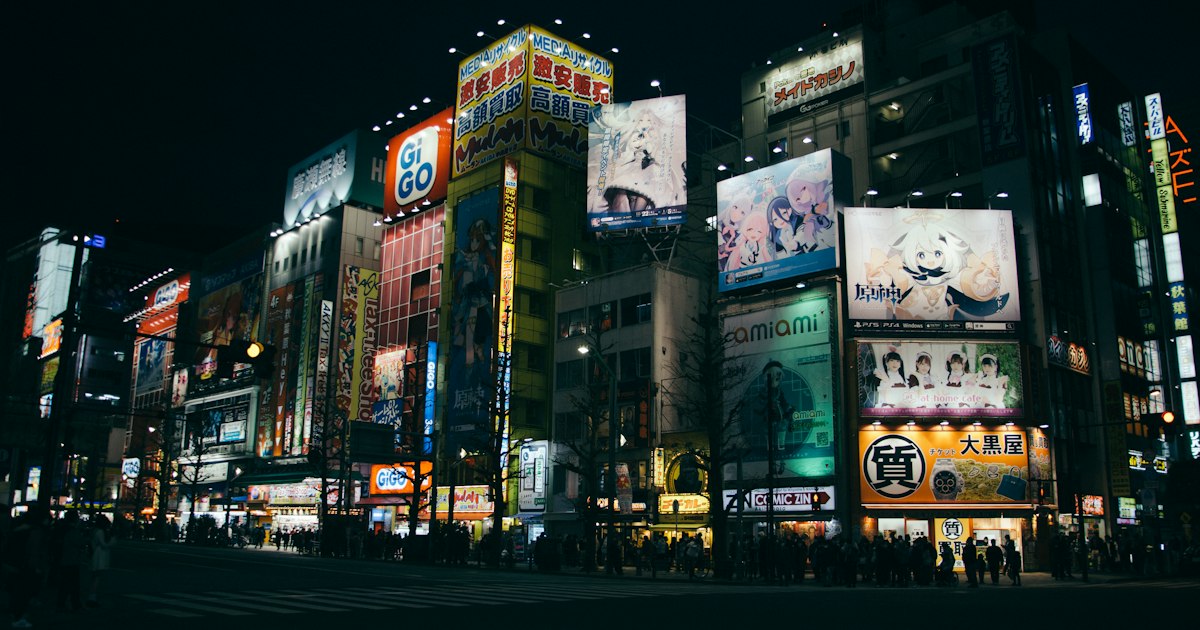
Photo by Chloe Evans on Unsplash
Maid cafes are one of those Akihabara experiences that get built up so much in anime and YouTube videos that the reality can feel confusing once you’re standing outside one, staring at a sandwich-board menu covered in cartoon characters and unfamiliar pricing rules. This guide skips the hype and covers what actually happens inside, what it costs, and the etiquette that keeps both you and the staff comfortable.
What a Maid Cafe Actually Is
A maid cafe is a themed restaurant where staff dress in French-maid-style uniforms and treat customers as “master” or “princess” (goshujin-sama / ojou-sama) for the duration of the visit. The food is simple — omurice, parfaits, curry, drinks — and it’s secondary to the performance: staff draw ketchup hearts on your plate, lead short chants before you eat, and sometimes perform a song or dance set between tables. It’s closer to a themed dinner-theater experience than a “date” or hostess bar, and the vast majority of customers are ordinary tourists, families, and solo travelers rather than anime superfans.
Where to Find Them in Akihabara
Akihabara (a few minutes’ walk from Akihabara Station’s Electric Town exit) has the highest concentration of maid cafes in Japan. The two most tourist-friendly, English-menu-equipped chains are:
- @home cafe — several branches stacked in the same building near the Chuo-dori main street, the most famous and beginner-friendly option.
- Maidreamin — multiple locations across Akihabara with English-speaking staff at the busier branches and a similar format.
Both post their hours and current branch locations on signage and staff hand out flyers on the street outside the station — that’s normal touting, not a scam, though always confirm the price sheet before you sit down. Most cafes run from around 11:00 or 12:00 until 20:00–22:00, with earlier last-order times, and hours shift on weekends and holidays, so treat any time you find online as approximate and check the door signage on the day.
How Much It Costs
Pricing is modular rather than a single admission fee, which is what trips up most first-timers:
- Budget (~¥2,000–2,500 total): A seating/table charge (commonly ¥700–900 for a set time block) plus one required drink or light dish (roughly ¥900–1,300). This is the minimum to sit down and get the basic maid greeting and photo-op menu.
- Mid-range (~¥3,000–4,500): Add a themed meal (omurice or curry sets typically ¥1,300–1,800), a dessert, and one or two “cheki” instant photos with a maid (usually ¥1,000–1,300 each, cash only in most cases).
- Splurge (¥5,000+): Extended visits with multiple photos, small merchandise (charms, postcards, bookmarks around ¥500–1,500), and sometimes a paid mini-show or birthday/anniversary package if your visit coincides with a celebration event.
Bring cash. Card payment is spotty even now, and cheki photos in particular are almost always cash-only. There’s often also a small “renewal” or time-based reseating charge if you want to stay past your allotted block — ask when you sit down so there are no surprises on the bill.
House Rules and How to Behave
Every cafe hands you a short rule sheet (often in English) at the door, but the core etiquette is consistent everywhere:
- No touching the staff — no handshakes, high-fives initiated by you, or physical contact beyond what a maid offers first (some cafes do a small hand-heart gesture together).
- No photos or video of the maids except through the paid cheki system or in designated photo moments; phones are otherwise meant to stay off or down during performances.
- No asking for personal information — real names, social media, or meeting outside the cafe. Staff use cafe nicknames only.
- Join the chants when asked (usually a short “moe moe kyun” gesture before your food) — it feels awkward the first time, but it’s expected and part of what you’re paying for, not optional theater you can opt out of.
- Finish what you order — food waste is frowned upon, and portions are usually small enough that this isn’t a hardship.
Staff are generally patient with tourists who are visibly unsure what to do — just watch the table next to you or ask quietly, and someone will walk you through it.
Common Mistakes First-Timers Make
The most frequent misstep is treating the visit like a bar and expecting to linger for hours over one drink — most cafes are built around a fixed time block (often 30–60 minutes), after which staff will politely ask if you want to renew or head out. Another is skipping the entrance/table charge in the total budget and being surprised at checkout, since menus display food and drink prices prominently but the seating charge is sometimes only on a separate card. Large groups should also confirm seating availability in advance during evenings and weekends, since popular branches queue up fast after 18:00. Finally, treating the maids as if the cafe were a hostess club — flirting, asking for contact info — will get you a firm but polite correction; the fantasy is scripted and platonic by design.
Best Time to Visit
Weekday afternoons (roughly 13:00–17:00) are the quietest and easiest for a relaxed, unrushed visit with shorter waits. Weekends and evenings after work hours are busiest with a mix of tourists and regulars, and some cafes run special seasonal events — Halloween costumes in October, Christmas-themed menus in December, cherry-blossom decor in spring — which add novelty but also longer lines. If you’re combining Akihabara with a broader Tokyo culture day, it pairs naturally with a morning visit to see traditional Japan up close, such as a sumo stable morning practice tour, before heading to Akihabara’s very different, very modern side in the afternoon.
Getting There and Nearby Options
Akihabara Station is served by the JR Yamanote, Sobu, and Hibiya/Tsukuba Express lines, about 10 minutes from Tokyo Station and 20–25 minutes from Shinjuku or Shibuya. Exit toward Electric Town and the main maid cafe cluster is within a five-minute walk along Chuo-dori. If you’re curious about the uniform culture that inspires the maid aesthetic in the first place, the seifuku shops in Harajuku are worth a separate visit. And if you end up staying in the neighborhood late after an evening of cafe-hopping and arcades, Akihabara has several branches of Japan’s manga kissa internet cafes, a legitimately cheap overnight option if you miss the last train home.