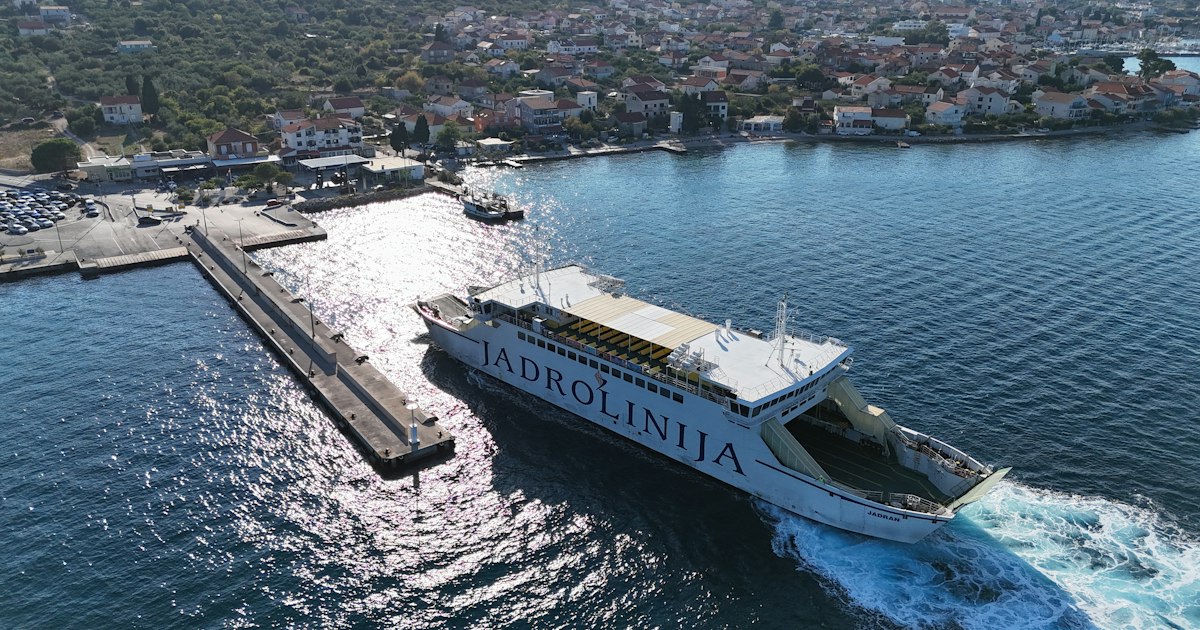
Naoshima gets all the attention, but it’s just one stop on a much bigger network of passenger ferries criss-crossing the Seto Inland Sea. Once you understand the hub ports and how thin the schedules really are, you can string together a two- or three-island day that most visitors never attempt — Ogijima’s cat-filled alleys, Teshima’s rice terraces and art museums, Inujima’s old copper refinery, or Shodoshima’s olive groves. This guide covers the routes, rough fares, and the scheduling mistakes that strand people overnight.
The two hub ports: Takamatsu and Uno
Almost every island ferry in this part of the Inland Sea radiates from one of two ports, and picking the right one changes your whole day.
- Takamatsu Port (on Shikoku, a short walk from JR Takamatsu Station) is the busier hub, run mainly by Shikoku Kisen. From here you can reach Naoshima, Megijima, Ogijima, Teshima, Shodoshima, and the seasonal “art line” boat to Inujima.
- Uno Port (on the Honshu/Okayama side, reached via the JR Uno Line from Okayama Station, about 40 minutes) is quieter and often cheaper for Naoshima, Teshima, and Inujima, since it’s closer and sees fewer tour groups.
Deciding between them usually comes down to whether you’re coming from Okayama or Takamatsu that morning — don’t try to do both hubs in one day unless you’ve mapped out the connecting ferry times in advance.
Megijima and Ogijima: the easiest half-day loop
These two small islands sit so close to Takamatsu that they’re genuinely doable as a half-day trip. Megijima (known for its “Oni ga Shima” demon-cave legend) is about 20 minutes out by ferry, and Ogijima — famous for its steep, narrow lanes and the lattice-roofed “Ogi Terrace” structure near the port — is roughly 40 minutes out, with some boats stopping at Megijima first. Fares are modest, generally in the ¥300–550 one-way range depending on the boat, and there are usually five or six sailings a day on weekdays, a bit more on weekends. The catch: boats often run only every 1.5–3 hours, so if you miss the one you planned, you may be waiting a while rather than catching “the next one.”
Teshima and Inujima: the art-island detour
Teshima (home to the Teshima Art Museum and its curved concrete “water drop” building) and Inujima (home to the Seirensho Art Museum, built into a former copper refinery) are reachable from both Takamatsu and Uno, plus a seasonal direct boat that links Naoshima–Teshima–Inujima on the same run during peak art-tourism months. This is convenient, but it’s also the schedule most likely to have only three or four departures a day outside of festival periods, so treat the timetable as fixed waypoints rather than a flexible train service. One-way fares typically land somewhere between ¥700 and ¥1,500 depending on distance and boat type. If you’re combining this with Naoshima in one day, build in a buffer — a single delay at any leg can cascade into missing the last connection home.
Shodoshima: the big island with its own rhythm
Shodoshima is large enough to feel like a destination in its own right rather than a quick stopover — it’s known for olive cultivation, soy sauce breweries, and the Kankakei Gorge ropeway. Ferries run to Tonosho Port from Takamatsu (around an hour), and there are additional routes from Okayama-side ports and even Himeji, which makes it a useful bridge if you’re traveling between Shikoku and the Kansai/Chugoku region rather than backtracking. Because the island is spread out, most visitors rent a bicycle at the port or use a car rental counter near Tonosho once they arrive; if you’d rather skip a traditional rental counter, it’s worth checking whether a car-sharing app like Times Car or Careco has a pod near the port for short hops around the island. If you specifically want to bring your own rental car across by sea rather than renting fresh on each island, that’s a different system entirely — see our guide to car ferries in the Seto Inland Sea for how vehicle boarding, pricing, and reservations work.
Best season and timing
Spring (April–May) and autumn (October–November) offer the calmest seas and the most comfortable walking weather between ports and sights. Summer brings typhoon risk from roughly August through September — ferries do get cancelled or suspended with little notice when a storm approaches, so build a buffer day into any itinerary that depends on a specific island crossing. Winter schedules thin out noticeably, with some routes dropping to two or three sailings a day, and a few smaller island connections reduce service further on weekdays. If a Setouchi Triennale art festival session happens to overlap with your trip, expect added boats and much heavier crowds on the art-focused routes (Naoshima–Teshima–Inujima especially) — check whether your travel dates fall inside a session before assuming normal off-season schedules apply.
Common mistakes to avoid
- Assuming frequent service. Most inter-island routes run a handful of times a day, not every 15–30 minutes. Always check the day’s printed or online timetable before you plan a multi-island route.
- Missing the last boat back. On smaller islands, the final return sailing can be mid-afternoon, not evening. Confirm the last departure time the moment you arrive, not when you’re ready to leave.
- Relying on cards. Many small-island ticket windows and vending machines are cash-only. Carry enough small-denomination yen for the whole day.
- Weekday vs. weekend confusion. Several routes run noticeably different schedules on weekdays versus weekends and holidays — don’t assume the Saturday timetable you saw online applies to your Tuesday visit.
- Ignoring weather cancellations. Rough seas can suspend smaller boats even when mainland weather looks fine. If a crossing is essential to your plans, have a fallback.
Budget, mid-range, and splurge options
On a budget, buy single one-way tickets at each port as you go and get around islands on foot or on a rented bicycle (often ¥500–1,500 a day), skipping taxis entirely. For a mid-range trip, base yourself one night on Shodoshima or Teshima at a local guesthouse so you’re not racing the last ferry every evening, and spread a multi-island loop across two days instead of one. If you want to splurge, a private charter boat or water taxi gives you full control over timing between islands — useful if you’re traveling with a small group and want to see three islands without being locked to public ferry hours, and it pairs well with a stay at one of the design-forward resorts or upscale glamping properties that have opened around the Inland Sea in recent years.