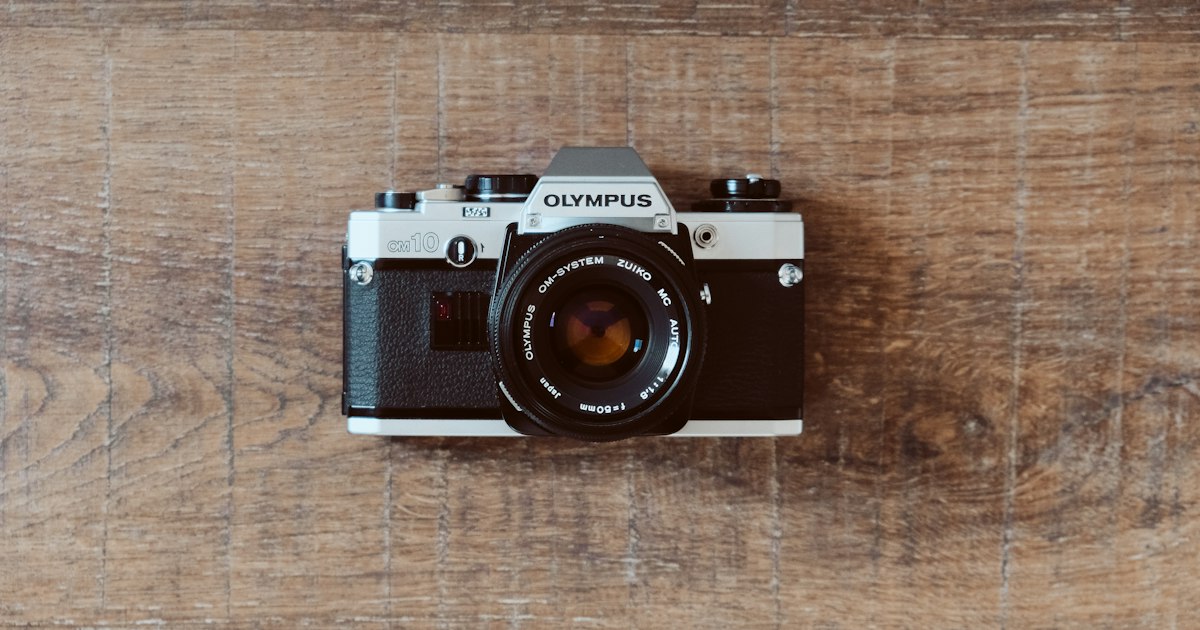
Photo by Wesley Tingey on Unsplash
Japan’s used-camera market is one of the best-kept secrets of gear shopping here: decades of careful ownership, humidity-controlled storage, and a culture that treats “secondhand” as a serious, respectable category rather than a bargain bin. For visiting photographers, that means genuinely clean glass at prices that would make an eBay listing blush — if you know where to look and how to read the labels. This guide covers the two biggest names, Map Camera and Fujiya Camera, and demystifies the letter-and-number grading codes stuck on every lens box.
Why Japan Is the Best Place to Buy a Used Lens
Three things make Japan’s secondhand camera market unusual. First, volume: Tokyo alone has dozens of dedicated used-camera shops, so supply of even obscure mounts (Contax, Leica screw-mount, old Pentax K) stays healthy. Second, inspection standards: reputable shops check every lens for haze, fungus, and aperture-blade oil before it goes on the shelf, and they’ll tell you exactly what they found instead of hiding it. Third, tax-free shopping — most major camera shops, including Map Camera and Fujiya Camera, offer consumption-tax exemption (currently 10%) on purchases over ¥5,000 when you show your passport, provided you’re a short-term visitor. That’s an automatic 10% discount stacked on top of already-low used prices.
Map Camera: Shinjuku’s One-Stop Used Camera Department Store
Map Camera’s main store sits a short walk from Shinjuku Station’s west exit, spread across several floors with new gear, used bodies, and used lenses each getting their own section. If you’ve never navigated Shinjuku Station before, it’s worth skimming Shinjuku Station’s wayfinding guide first — the west exit side is more straightforward than the east, but it’s still easy to surface in the wrong plaza.
Map Camera’s used-lens floor is organized by mount (Nikon F, Canon EF/RF, Sony E, Leica M, and so on), with price tags that list the grade, any notable flaws, and a stock number you can also check on their website before visiting — useful for comparing prices across branches or deciding whether a specific copy is worth the trip. Staff are used to overseas buyers and most lenses can be tested on a shop body before you commit. Hours are generally around 11:00–20:00 daily, though it’s worth confirming current hours on the storefront signage since individual floors sometimes shift seasonally.
Fujiya Camera: Nakano’s Cluster of Specialist Shops
Fujiya Camera takes a different approach: instead of one department store, it’s a cluster of separate, specialized shops around Nakano Station and the Nakano Broadway shopping arcade — one store focused on classic film cameras, another on digital bodies, another specifically on lenses. This split-store model rewards browsing on foot rather than online; serious hunters treat an afternoon in Nakano the way flea-market regulars treat a weekend circuit, and the comparison isn’t far off from how Japan’s recycle-shop chains for kimono operate: multiple branches, slightly different specialties, and real savings for people willing to compare a few locations instead of buying at the first shop they walk into.
The lens-focused Fujiya branches are strong on vintage manual-focus glass — old Nikkor, Takumar, and Canon FL/FD primes — alongside modern autofocus lenses. Most Fujiya shops run roughly 10:00/11:00 to 20:00; a few of the smaller annex stores close one weekday, so if you have a specific branch in mind, it’s worth a quick check before making a special trip.
Cracking the Grading Codes
Every used lens in Japan carries a condition grade, usually printed on the price tag alongside handwritten notes about specific issues. The letters vary slightly by shop, but the hierarchy is consistent industry-wide:
- N (未使用 / Unused): Never used, often still sealed. Rare and priced close to new.
- S (新品同様 / Like New): Used but essentially indistinguishable from new — no visible wear, glass is perfectly clean.
- AB (ほぼ美品 / Near Mint): The sweet spot for most buyers — faint cosmetic wear at most, optically excellent. This is where a huge share of sales happen.
- A (美品 / Excellent): Light, visible signs of use (small marks on the barrel) but fully clean optically and mechanically sound.
- B (良品 / Good): Clear signs of use — brassing, scuffed rubber grips, maybe minor dust specks inside that don’t affect images.
- C (used, cosmetic flaws noted): Heavier wear, and the tag will usually spell out specifics.
- Junk (ジャンク): Sold as-is, often with a known fault (stuck aperture, haze, non-functioning autofocus). No guarantee, no returns — only for buyers who can repair or want parts.
Learn these four Japanese terms, since they show up constantly on handwritten tags regardless of overall grade: キズ (kizu) — a scratch, usually on the barrel or front element; クモリ (kumori) — internal haze, which can soften contrast; カビ (kabi) — fungus, a dealbreaker that can spread to other lenses in storage; and チリ/ゴミ (chiri/gomi) — small dust particles inside, which are extremely common and almost never affect image quality. A lens graded “A” with a tiny “チリ少々” (a little dust) note is a perfectly safe buy; the same grade with “カビあり” (fungus present) is not, no matter how good the price looks.
Budget, Mid-Range and Splurge Picks
For a budget buy, classic manual-focus 50mm primes — old Nikkor or Pentax f/1.8–f/1.4 lenses in B or C grade — typically run ¥5,000–¥15,000 and are a great way to try film photography or add character to a mirrorless setup with an adapter. In the mid-range, popular modern primes and zooms (Canon EF, Nikon F or Z mount) in AB or A grade generally land between ¥30,000 and ¥80,000 — often 40–60% below what the same lens costs new. For a genuine splurge, Leica M-mount glass or rare Carl Zeiss and Voigtlander lenses in S or AB condition can run ¥200,000 and well beyond; serious Leica collectors often make a side trip to Jimbocho’s specialist shops, which focus almost entirely on rangefinder gear, as a complement to Map Camera and Fujiya.
Common Mistakes First-Time Buyers Make
The most frequent error is skipping the in-store test. Reputable shops will let you mount the lens on a camera and check focus, aperture blades, and zoom smoothness before you pay — always ask, even if your Japanese is limited; pointing at the lens and the camera body is usually enough. Second, don’t assume a low price means a flaw isn’t worth asking about — request a translation or photo of any handwritten note you can’t read. Third, remember that warranties on used gear are short, often around a week for basic functional issues, so test thoroughly on the spot rather than assuming you can return it later. Finally, factor in your return airport: tax-free purchases must leave Japan with you, generally unopened in some categories, so keep the tax-free paperwork and receipt accessible for customs if asked.
Best Timing and Practical Tips
Stock turns over constantly, so there’s no single “best season” — new used inventory arrives daily as sellers trade in gear. That said, early in the week (Tuesday–Thursday) tends to be quieter than weekends, giving you more one-on-one time with staff for questions about specific lenses. If you’re combining camera shopping with a broader Japan itinerary and plan to make more than one visit, it’s worth checking whether a multiple-entry visa makes sense, since repeat lens hunters often return seasonally as new stock rotates through. And if your trip includes Osaka, the vintage shops around Amerikamura are worth a browse too — camera gear isn’t the main draw there, but the secondhand-hunting mindset of comparing several small specialist shops translates directly.