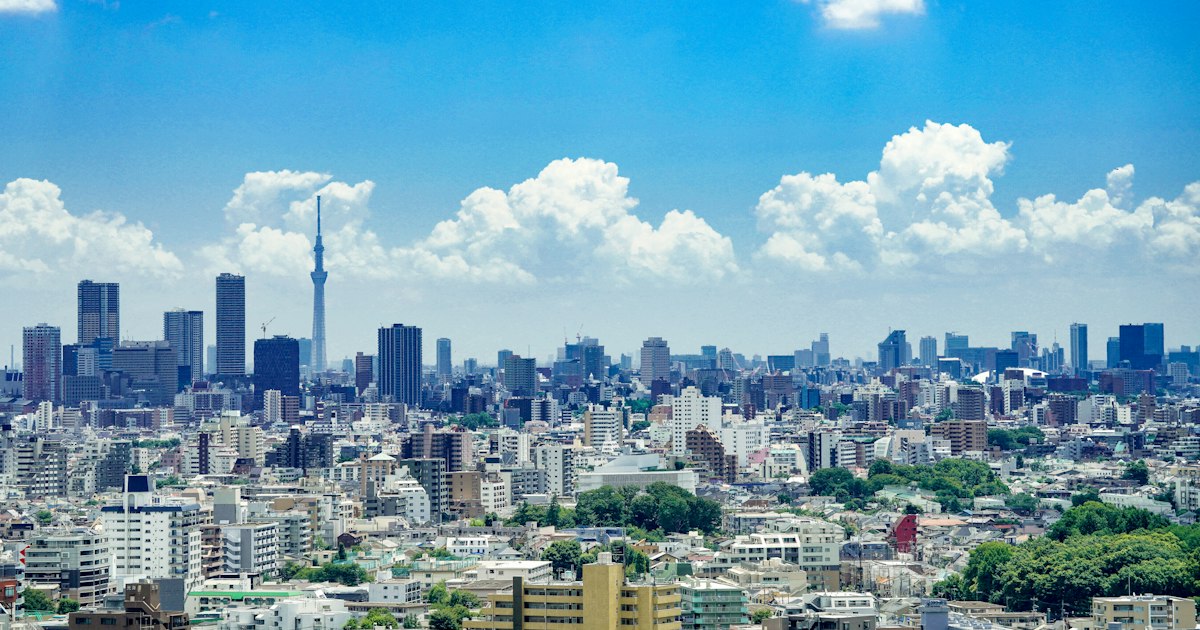
Photo by Ryo Yoshitake on Unsplash
If you’ve booked a Japan trip for July or August and started seeing phone alerts in Japanese you can’t read, there’s a good chance it’s a Necchusho Keikai Alert — an extreme heat warning. Japan’s summers aren’t just “hot,” they’re a genuine health hazard: Tokyo regularly sits at 33–36°C with humidity above 70%, and thousands of people are hospitalized for heatstroke (necchusho) every summer, a meaningful share of them tourists who didn’t adjust their walking-heavy itineraries. This guide explains what the alerts mean and how to restructure a day of sightseeing around them instead of fighting through them.
What the Necchusho Keikai Alert Actually Means
Since 2020, Japan’s Ministry of the Environment and Japan Meteorological Agency have jointly issued the Necchusho Keikai Alert (熱中症警戒アラート, “Heatstroke Warning Alert”) whenever the WBGT (Wet Bulb Globe Temperature) index is forecast to hit 33 or higher in a prefecture the next day. This isn’t the regular air temperature you see on a weather app — WBGT folds in humidity and direct sunlight, which is why a 34°C day with heavy humidity feels far more dangerous than a 36°C day in dry air. Since 2024, there’s also a second, rarer tier: the Necchusho Tokubetsu Keikai Alert (Extreme Heat Special Warning), triggered when WBGT is expected to reach 35+ across a wide area. That tier opens designated “cooling shelters” (shisho hinan shisetsu) — usually community centers, libraries, or city offices — where anyone can walk in and sit in air conditioning for free, no purchase or ID required.
You’ll see these alerts on NHK broadcasts, the Yahoo! Japan weather app, and as push notifications on Japanese phones through the J-Alert system. They don’t close attractions or cancel trains, but they are the government’s way of saying: reduce outdoor activity, especially midday.
Reading the WBGT Number Before You Head Out
The Ministry of Environment publishes real-time WBGT readings by region on its official site (search “環境省 熱中症予防情報” or “WBGT” plus your city name). As a rough guide: under 25 is caution, 25–28 is warning, 28–31 is severe warning (strenuous outdoor activity should stop), and 31+ is danger — avoid outdoor exercise and sightseeing entirely if you can. In practice, Kyoto and Osaka basin cities often run a degree or two hotter than coastal Tokyo on the same day because the surrounding hills trap heat, so don’t assume a forecast you saw for one city applies to the next one on your itinerary.
Rethinking Your Daily Itinerary for July–August
The single biggest adjustment is timing, not gear. Shrines, temples, and outdoor markets in Japan typically open by 6–9am, which is the one genuinely comfortable window in summer — temperatures are often 8–10°C cooler than the 1–3pm peak. Fushimi Inari, Arashiyama’s bamboo grove, and Nara Park are all dramatically more pleasant (and less crowded) before 8am than at noon. Flip your itinerary: do outdoor, walking-heavy sights at dawn, retreat indoors from 11am to 3pm, and save a second outdoor pass for after 5pm when the sun has dropped, even if the air is still warm.
If your trip includes hiking — Mount Hiei near Kyoto, for instance, home to the Kaihogyo marathon monks and Enryaku-ji — start before 7am or reschedule to spring or autumn entirely. Mountain trails have little shade and no convenience stores, which is exactly the combination that causes heatstroke cases every year.
Smart Gear: What to Buy and Where
Japan sells excellent, cheap heat-coping gear, and most of it is sold right next to the ticket gates you’re already walking through:
- Handheld neck fans (携帯扇風機) — ¥1,500–4,000 at Don Quijote, Bic Camera, or convenience stores; USB-rechargeable and genuinely effective.
- Cooling towels/scarves (冷却タオル) — ¥500–1,500 at drugstores; wet and wring them out, they stay cool for hours.
- Electrolyte drinks — Pocari Sweat and Aquarius (¥150–180 at any konbini) replace salt lost through sweat far better than plain water alone; drink one per few hours if you’re outside a lot.
- Kinchaku-style portable parasols
Budget travelers can get by with a ¥150 drugstore cooling towel and konbini drinks; mid-range travelers add a neck fan; if you want to splurge, Uniqlo and Workman sell UV-cut, moisture-wicking shirts (¥1,500–3,000) designed for exactly this climate — the summer counterpart to the brand’s better-known HeatTech winter layering system.
Indoor and Cool-Climate Escape Options
When the alert is active, lean into Japan’s huge menu of air-conditioned indoor attractions rather than treating them as a backup plan: aquariums, teamLab-style digital art museums, department store basements (depachika), covered shopping arcades, and train stations themselves are all fully climate-controlled and usually free to enter and wander.
For day trips, consider swapping a hot city itinerary for somewhere genuinely cooler. The JR Tokyo Wide Pass covers Nikko and Karuizawa, both highland towns that sit several degrees cooler than central Tokyo thanks to elevation — Karuizawa in particular has been a Japanese summer-retreat town since the Meiji era for exactly this reason. If you’re island-hopping in Okinawa or Kagoshima, a destination like Yoron Island trades sightseeing-by-foot for swimming and snorkeling, which keeps you cool rather than exposed. And wherever you are, a cold glass of sanpincha jasmine tea — Okinawa’s everyday cooling drink — is a better hydration habit than iced coffee, since it’s usually drunk unsweetened and in volume.
Common Mistakes Foreign Visitors Make
The most frequent error is building a European-style walking itinerary (temple at 10am, lunch at 12, museum at 2, shopping street at 4) that keeps you outside during the three worst hours of the day. The second is underestimating humidity — visitors from drier climates often don’t feel how much they’re sweating until they’re already dehydrated. The third is skipping breakfast or lunch to “save time,” which removes the salt your body needs to retain water. And the fourth is wearing dark, heavy clothing packed for a different season; light-colored, loose, breathable fabric matters as much as sunscreen in July and August.
What to Do If You or Someone Else Shows Heat Illness Signs
Early heatstroke symptoms are dizziness, headache, nausea, and stopping sweating despite the heat. If this happens: get into shade or AC immediately, loosen clothing, apply cool water or ice to the neck, armpits, and groin, and sip an electrolyte drink if the person is conscious and able to swallow. Any convenience store, station office, or shop will let a visibly unwell tourist sit in their AC — you don’t need to ask permission, just explain “necchusho” (熱中症) and staff will usually help proactively. If symptoms include confusion, vomiting, or loss of consciousness, call 119 for an ambulance (free in Japan) rather than trying to push through to the next attraction. It’s worth keeping your passport and embassy contact details accessible in case a hospital visit is needed, since Japanese ER intake will ask for ID.
None of this means skipping summer travel to Japan — festivals, fireworks, and beach season all peak in July and August. It just means treating the Necchusho Keikai Alert the way locals do: as a scheduling tool, not background noise.