If your Tokyo itinerary includes more than one day trip into the surrounding mountains, the JR Tokyo Wide Pass is one of the few rail passes that can genuinely save you money without requiring you to leave the Greater Tokyo area. It covers three consecutive days of unlimited rides on JR East lines within a roughly 100km radius of the city, including the Narita Express, the Nikko line, the Joshin’etsu Shinkansen to Karuizawa, and the Fujikawaguchiko line toward Mt. Fuji. Here’s how it actually works, what it costs, and when it isn’t worth buying.
What the Pass Covers and What It Costs
The JR Tokyo Wide Pass costs 15,000 yen for adults and 7,500 yen for children aged 6–11, valid for three consecutive days. It covers unlimited rides on JR East trains within its coverage zone, including:
- Narita Express (N’EX) to and from Narita Airport
- JR lines to Nikko and Kinugawa Onsen (Tobu lines are not included, but JR’s Nikko Line via Utsunomiya is)
- The Joshin’etsu Shinkansen between Tokyo and Karuizawa
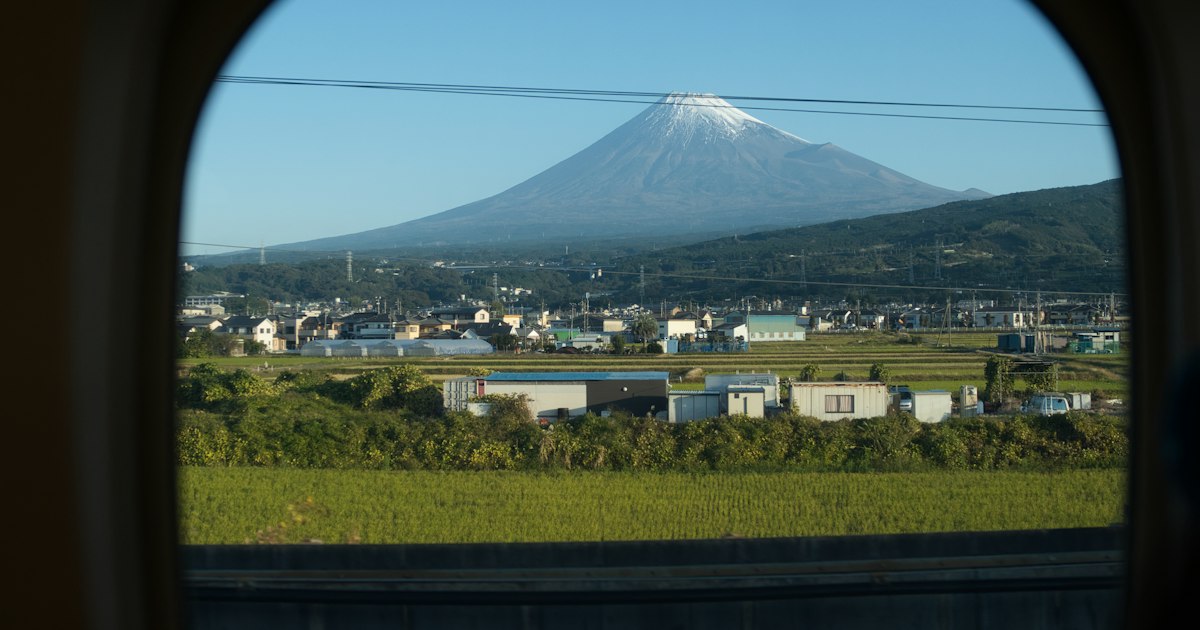
- JR lines toward Kawaguchiko and the Mt. Fuji area, including the Fujikyu Railway section
- GALA Yuzawa Shinkansen service in winter ski season
- Reserved seats on covered Shinkansen and limited express trains, with up to four seat reservations made free of charge per booking at any JR East ticket office or via the JR East app
It does not cover the Tokaido Shinkansen toward Kyoto/Osaka, Tokyo Metro or Toei subway lines, or private railways like Tobu, Odakyu, or Hakone Tozan — a frequent point of confusion for visitors planning to combine this pass with a Hakone trip (which runs on Odakyu and Hakone Tozan lines, not JR).
Where to Buy It and Who Can Use It
The pass is sold exclusively to travelers on a temporary visitor visa — you’ll need to show your passport at purchase and again when boarding. You can buy it at JR East Travel Service Centers at Narita Airport, Haneda Airport, Tokyo Station, Shinjuku Station, Ueno Station, and several other major stations, or reserve it in advance online through the JR East website and pick it up on arrival. Advance online purchase is worth doing in peak seasons (cherry blossom weeks and autumn foliage weeks) since ticket counters can have long queues. If you’ve lost your passport mid-trip, note that you’ll need it to activate or exchange any JR pass voucher, which is one more reason to sort out a replacement quickly — see our guide on embassy passport replacement steps for tourists if that happens.
Doing the Math: Is It Worth It?
The pass pays for itself quickly if you’re doing multiple trips. A round-trip Shinkansen ticket from Tokyo to Karuizawa alone runs about 10,000–11,000 yen depending on train type and seat class, and a round trip to the Kawaguchiko/Fuji Five Lakes area via limited express and local transfers runs roughly 4,000–5,000 yen. Combine any two of Nikko (about 5,000–6,000 yen round trip via JR), Karuizawa, and Fuji in three days, and you’re already past the 15,000 yen pass price. Add the Narita Express leg (around 3,070 yen one-way from Narita to Tokyo on a discounted N’EX round-trip fare, more at full price) and the pass becomes an easy win for most itineraries that start or end at Narita.
Where it stops being worth it: if you only plan one day trip, or you’re staying entirely within central Tokyo and only need subway and JR Yamanote Line rides, skip it — regular IC card taps on Suica or Pasmo will be cheaper and more flexible, including at machines beyond the usual ticket gates (see which station kiosks actually take IC card tap-to-pay).
Planning the Three Days
Most visitors split the pass across three single-destination days rather than cramming legs together, since each trip already eats 2–4 hours round trip:
- Nikko: JR Shinkansen to Utsunomiya, then transfer to the JR Nikko Line local train — total about 2 hours each way. Toshogu Shrine is open 8:00–17:00 (April–October) and 8:00–16:00 (November–March); budget a full day. Early spring and late autumn weekdays are far less crowded than weekend foliage season in November.
- Karuizawa: About 65–70 minutes each way on the Joshin’etsu Shinkansen from Tokyo Station. This is a mountain resort town with outlet shopping, Shiraito Falls, and cooler summer temperatures — a popular escape from Tokyo’s July–August heat. Many shops and the main outlet mall open around 10:00.
- Mt. Fuji area: JR trains run to Otsuki, where you transfer to the Fujikyu Railway toward Kawaguchiko — about 2–2.5 hours total each way. This is the one leg where the pass doesn’t get you all the way to the lake views on its own; many travelers pair the train ride with local buses or a ropeway once there. If your main goal is the best Fuji photo rather than the town itself, compare this route against the Hakone approach in our Hakone Ropeway vs Komagatake Ropeway guide, since Hakone isn’t covered by this pass at all and requires separate Odakyu tickets.
Common Mistakes
- Assuming it covers Hakone or Tobu Nikko trains. It doesn’t — those are private railways. Double-check which operator runs your specific route before buying.
- Not reserving seats ahead on weekends. Shinkansen and limited express cars fill up on Saturdays and holidays, especially toward Karuizawa and Nikko in peak foliage weeks. Reserve your four free seat bookings as soon as you know your dates, at any JR East ticket counter or via the app.
- Buying it for a single day trip. If you’re only going to Nikko once and doing nothing else outside central Tokyo, a one-way or round-trip ticket is cheaper than the full 15,000 yen pass.
- Forgetting the clock starts on first use, not purchase. The three days are consecutive calendar days from your first ride, so plan your three outings back-to-back or close together to get full value.
Budget, Mid-Range, and Splurge Approaches
Budget travelers can stretch the pass further by combining it with convenience-store meals and conbini ATMs for cash on travel days — withdrawal limits vary by machine, which is worth knowing before you’re standing at a rural station counter (see our breakdown of convenience store ATM withdrawal limits). Mid-range travelers typically pair the pass with one onsen day in Kinugawa or a ryokan night near Lake Kawaguchiko. Splurge travelers can use the Shinkansen’s Green Car reserved seats toward Karuizawa for extra legroom on the fastest leg of the trip, still within the pass’s free reservation allowance — just confirm Green Car availability counts toward your reservations, since standard-car seats are more consistently guaranteed to be included free of charge.
Overall, the JR Tokyo Wide Pass rewards travelers who treat Tokyo as a hub rather than a single destination. If your three days include even two of Nikko, Karuizawa, and the Fuji Five Lakes, buy it before you land — the savings and the seat-reservation convenience make the math straightforward.