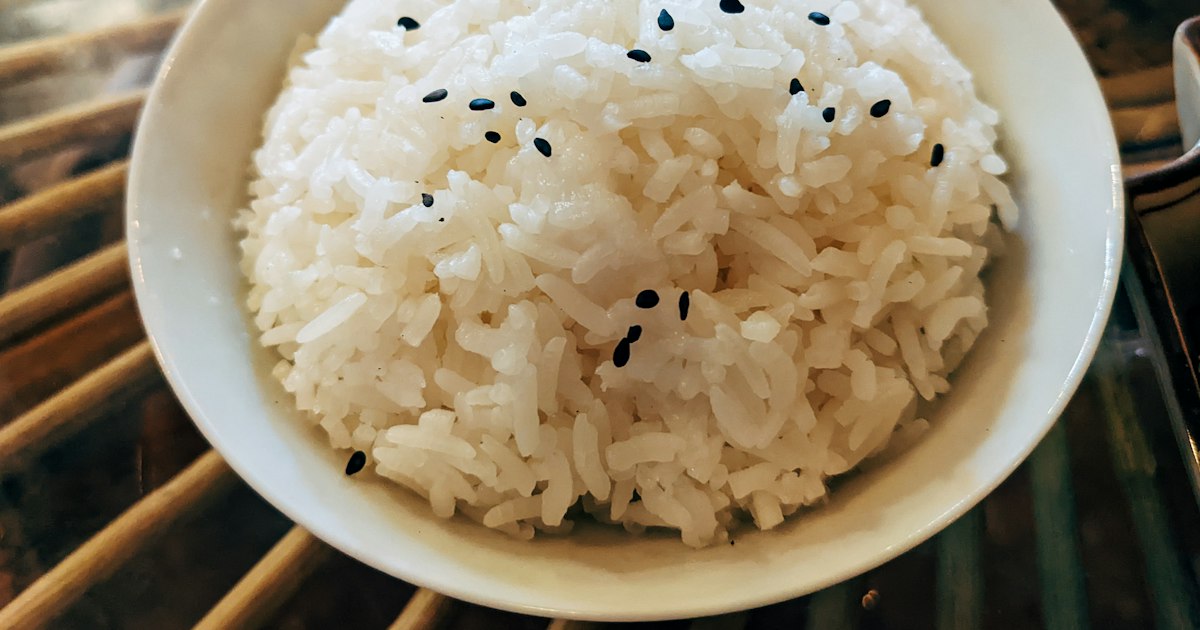
Photo by Markus Winkler on Unsplash
Japan has a reputation for being hard on gluten-free travelers, and in some ways that’s fair — soy sauce, dashi, and tempura batter sneak wheat into dishes that look perfectly safe. But Japan also has rice as its staple starch, a food labeling law that actually works in your favor, and a small but real network of restaurants that cater specifically to gluten-free diners. This guide covers what to watch for, how to shop and order with confidence, and where to eat without spending the whole trip anxious about your next meal.
Why Gluten Hides in “Safe-Looking” Japanese Food
The biggest trap is soy sauce (shoyu). Traditional Japanese soy sauce is brewed from wheat and soybeans in roughly equal parts, so it’s in teriyaki sauce, ramen broth, dipping sauces, marinated fish, simmered vegetables, and most bento seasoning. Tamari — a wheat-free soy sauce — exists but isn’t the default anywhere, and you usually have to seek it out at import grocers rather than regular supermarkets.
Other common offenders: tempura and katsu batter (wheat flour), curry roux (thickened with wheat flour), most soba noodles (legally soba can be as little as 30% buckwheat, with the rest wheat flour — only “juwari” or “100% soba” is pure buckwheat), malt-based seasonings, and beer (barley). Rice, sake, mochi, plain grilled fish, sashimi, and tofu are naturally gluten-free, but the sauce poured over them often isn’t — so the dish itself being “safe” doesn’t mean the plate is.
How to Read Japanese Food Labels
Japan’s Consumer Affairs Agency requires manufacturers to label eight specific allergens on packaged food, and wheat (小麦, “komugi”) is one of them. Look for it in the ingredients list (原材料名) or in a dedicated allergen box printed near it — if 小麦 isn’t listed, the product legally shouldn’t contain wheat as an ingredient. This makes convenience store and supermarket shopping more manageable than many travelers expect.
The catch: the law targets wheat specifically, not gluten broadly. Barley, rye, and malt extract aren’t on the mandatory list, so a product labeled free of 小麦 can still contain barley-derived ingredients. If you have celiac disease rather than a wheat allergy, treat the label as a useful first filter, not a full guarantee — and double-check anything containing 麦芽 (malt) or 大麦 (barley).
A few more labels worth recognizing: グルテンフリー (gluten-free) does appear on a growing number of products, mostly in health food stores and larger supermarkets like Seijo Ishii or import shops. アレルギー表示 means “allergen labeling” — if you see that phrase near a product, there’s a detailed breakdown nearby.
Naturally Gluten-Free Dishes Worth Seeking Out
Rather than hunting for substitutes, it’s often easier to lean into dishes that are gluten-free by tradition. Sashimi and sushi made with plain rice (ask for no eel sauce or soy-based glaze) are generally safe if you bring your own tamari for dipping. Yakiniku and shabu-shabu restaurants let you grill or boil meat yourself, so you can season with just salt instead of the usual dipping sauces. Grilled fish teishoku (set meals) served with plain rice, miso soup, and pickles are widely available and easy to simplify by skipping the miso soup if you’re strict about barley-derived miso varieties.
For something more distinctive, gomadofu, Kyoto’s silky sesame tofu, is made from sesame paste and kudzu starch — no wheat involved — and makes a good shojin-ryori (temple cuisine) option since much of that style of cooking avoids wheat-based thickeners. On the coast, mozuku, Okinawa’s slippery seaweed, is typically served simply with vinegar and is naturally gluten-free — a reliable order if you find yourself in Okinawan cuisine restaurants on the mainland or in Okinawa itself.
On the drinks side, sake is brewed from rice and is considered gluten-free by most celiac organizations because the brewing process breaks the gluten protein down; it’s a safer alcohol choice than beer. If you want something to try while you’re at it, kijoshu, a rare aged sweet sake, is worth tracking down.
Restaurants That Actually Cater to Gluten-Free Diners
Budget (under 1,000 JPY): Convenience stores sell plain shio (salt) onigiri for about 120–150 JPY — skip the ones with soy-glazed fillings. Supermarkets sell sashimi platters and plain rice bento for roughly 500–900 JPY; check the 小麦 line on the label before buying any pre-dressed items.
Mid-range (1,000–2,000 JPY): T’s TanTan, a vegan restaurant inside Tokyo Station’s underground Keiyo Street passage, is well known among gluten-free travelers for serving ramen made with gluten-free noodles and tamari-based broth — a rare chance to eat an actual bowl of ramen worry-free, for around 1,000–1,300 JPY. Soranoiro, with locations near Tokyo Station and Suidobashi, also runs a dedicated vegan/gluten-free ramen line. Hours and exact locations shift occasionally, so confirm current details before you go, especially since both sit inside busy station complexes.
Splurge (10,000+ JPY): High-end kaiseki and sushi omakase restaurants are often the easiest places to eat safely at the top end, precisely because the chef prepares each course individually. Call or email ahead — ideally a few days before your reservation — to say you need wheat-free preparation; many kitchens can swap in tamari and skip breaded items when given advance notice, something that’s much harder to arrange at a casual walk-in spot.
Communication Tools and Common Mistakes
Carrying a written Japanese explanation of your dietary restriction is more reliable than speaking it, especially in smaller restaurants without English menus. A simple card reading “私はセリアック病で、小麦・大麦・ライ麦(グルテンを含む食品)を食べることができません” (“I have celiac disease and cannot eat wheat, barley, or rye, including foods containing gluten”) covers the main categories and is easy to show a server or chef. Translation apps help too, and having a reliable phone on hand matters more than usual on a trip like this — if your handset isn’t working well locally, it’s worth reading up on buying an unlocked SIM-free phone mid-trip so you’re never stuck without translation or map access right when you need to ask about an ingredient.
The most common mistake is assuming a dish is safe because the headline ingredient is rice or fish, without accounting for the sauce. The second is trusting “healthy” branding — many health-food or diet-focused dishes in Japan are low-calorie, not gluten-free. The third is ordering soba expecting a wheat-free noodle; always ask if it’s juwari (100% buckwheat) before ordering, since standard soba usually isn’t. Finally, don’t assume every restaurant takes cash only or every card works — carrying a mix of payment methods matters here too, and it’s worth knowing why foreign credit cards sometimes get declined in Japan before you’re stuck at a register with a plate you can’t pay for.
Timing Tips
There’s no strong seasonal effect on gluten-free dining, but festival season (summer matsuri, especially July–August) is worth approaching carefully — stalls selling takoyaki, yakisoba, and okonomiyaki dominate festival food, and almost all of it contains wheat. Grilled corn (tomorokoshi) and plain grilled skewers (shio-based kushiyaki) are the safer festival-stall options if you want to join in without derailing your diet.