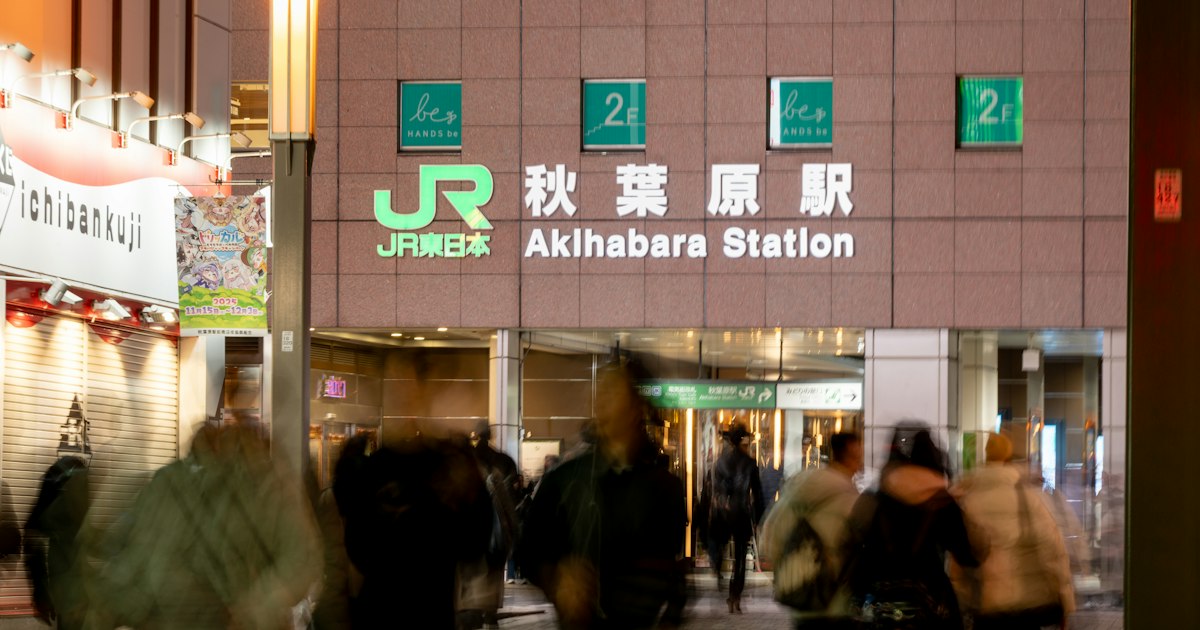
Photo by Turquo Cabbit on Unsplash
Japan didn’t just popularize the radio-controlled car hobby — companies like Tamiya, Kyosho, and Yokomo effectively built the modern RC industry, and the country still has the densest concentration of specialist shops, indoor circuits, and parts counters anywhere in the world. For drone pilots, Japan is a stranger mix: genuinely excellent retail options sitting next to some of the stricter flight regulations you’ll encounter abroad. This guide covers where to actually shop, what things cost, and the mistakes that trip up visiting enthusiasts.
Akihabara and Den Den Town: Your First Stop for Browsing
Tokyo’s Akihabara and Osaka’s Den Den Town (Nipponbashi) are the obvious starting points. Multi-floor electronics chains like Yodobashi Camera dedicate entire floors to hobby goods — RC cars, drones, plastic models, tools, and glue sit alongside cameras and PCs, and staff are used to foreign customers paying by credit card. Most locations open around 10:00 and close between 20:00 and 22:00, seven days a week, which makes them easy to slot into an evening after sightseeing.
Smaller, independent hobby shops tucked into the side streets of both districts are where you’ll find serious RC racers’ parts — bearings, servo horns, carbon-fiber chassis plates, and brand-specific spares that big chains don’t stock. These shops tend to keep shorter hours (often 11:00–19:00) and frequently close one weekday, commonly Wednesday, so don’t plan a single-shop trip around a weekday visit without checking first. If you’re the type who enjoys hunting through specialist retailers for a niche collectible, the same browsing instinct applies to our guide on buying Riichi mahjong tile sets — a different hobby, but the same Akihabara-adjacent shop-hopping logic.
Tamiya’s Hometown: Shizuoka’s Plamodel Factory
If you want more than a shop — a pilgrimage — head to Shizuoka City, home to Tamiya’s headquarters and its Plamodel Factory retail store near JR Shizuoka Station. It sells the full current Tamiya catalogue (RC chassis kits, tires, motors, paint) and is the best single place to see decades of the brand’s RC history in one room. Shizuoka is about an hour from Tokyo on the Tokaidi Shinkansen, making it a realistic day trip.
Timing matters here: Tamiya and other manufacturers hold the Shizuoka Hobby Show every May, with public days drawing enthusiasts from across the country to see new releases before they hit shelves. If your trip lines up with it, it’s worth building a day around — hotel rooms in Shizuoka book up fast that week, so reserve early.
Specialist RC Shops and Indoor Circuits
Serious RC racing in Japan happens largely indoors, at dedicated circuits that double as parts shops — many sell tires, batteries, and lubricants at the counter and let you test a new car on the track the same day. These circuits are usually in suburban industrial parks rather than city centers, so a rental car or a willingness to navigate local trains and buses helps. Long-term residents converting a foreign license at a local driving center, as covered in our guide to gaimen kirikae, will find a car genuinely useful for reaching these out-of-the-way venues.
Indoor circuits run year-round regardless of weather, but outdoor off-road courses are best visited in spring (April–May) or autumn (October–November), avoiding the rainy season (mid-June to mid-July) and the worst of summer heat, which also degrades battery performance.
Drone Shopping: What to Buy and Where
DJI maintains an official flagship store in Tokyo, where you can see the full current lineup in person, get hands-on with display units, and buy with a warranty that’s straightforward to use locally. For broader brand selection — including FPV racing drones, replacement props, and flight controllers — the hobby floors of Yodobashi and the specialist shops of Akihabara/Den Den Town are your best bet. If you want to see drone and robotics technology in action rather than just on a shelf, Miraikan in Tokyo runs exhibits on robotics and emerging tech that are worth an hour before or after a shopping trip.
The critical catch: any drone weighing 100g or more must be registered with Japan’s Ministry of Land, Infrastructure, Transport and Tourism (MLIT) and display a registration number before it can legally fly in Japanese airspace, and most of central Tokyo and Osaka fall under restricted “densely inhabited district” zones requiring separate permission to fly at all. Registration is designed around Japanese residents and typically requires a Japanese address, which makes it impractical for most short-term tourists. If you’re buying a drone to fly during your trip rather than to take home, check current MLIT rules before you buy — not after.
Budget, Mid-Range, and Splurge: What to Expect to Pay
- Budget RC: Ready-to-run entry-level cars (Tamiya’s mini 4WD line or basic on-road kits) run roughly ¥3,000–15,000. A basic toy-grade drone starts around ¥5,000–15,000.
- Mid-range: A proper hobby-grade RC kit requiring assembly (Tamiya TT-02, TT-02B chassis, or similar) typically costs ¥15,000–35,000 before electronics (motor, servo, ESC, battery, radio), which can add another ¥15,000–30,000. Consumer drones like the DJI Mini series land around ¥70,000–120,000.
- Splurge: Competition-grade touring or off-road RC kits from Kyosho or Yokomo, built for club racing, run ¥50,000–100,000+ for the chassis alone, before high-end brushless motors and lithium batteries. Professional camera drones and FPV racing setups can exceed ¥300,000.
Prices at physical shops are generally fixed (no haggling), and the 10% consumption tax is included in displayed prices. Tax-free purchases are possible at some larger stores for tourists spending over ¥5,000 in a day with your passport, though many smaller specialist hobby shops don’t offer it.
Common Mistakes Visiting Enthusiasts Make
Lithium batteries are the recurring headache. Airlines require spare lithium batteries (the kind used in drones and RC cars) to travel in carry-on luggage only, with limits on total watt-hours and the number of spares per passenger — don’t pack them in checked baggage, and check your airline’s specific limits before flying home with purchases. Nitro/glow fuel for combustion-engine RC cars, along with certain glues and adhesives sold alongside model kits, generally can’t be flown at all, checked or carry-on, so factor that into what you buy if you’re flying rather than taking the Shinkansen home.
The other common mistake is assuming every shop stocks every brand. Kyosho, Tamiya, Yokomo, and smaller boutique manufacturers each have loyal followings and shops that specialize in one ecosystem of parts — a Yokomo-focused shop may carry almost nothing for a Tamiya chassis. If you’re hunting a specific spare part, it’s worth calling ahead or checking a shop’s website rather than assuming a general hobby store will have it.
Finally, if you end up buying more than you can fit in your luggage — a common problem once people discover how much cheaper parts are locally — long-term residents often solve the storage question with a rented unit; our guide to trunk room storage in Japan covers how that works for extended stays.
Getting There and Planning Your Visit
Akihabara Station (JR Yamanote/Sobu lines, or Hibiya/Tsukuba Express subway lines) puts you within a five-minute walk of most Tokyo hobby shops. Den Den Town in Osaka is a short walk from Nippombashi Station on the Sakaisuji or Sennichimae subway lines. For Shizuoka, the Tokaido Shinkansen from Tokyo Station takes about an hour on the fastest trains. Plan a weekday morning if you want shops without the weekend crowds, and bring cash as a backup — while major chains take cards, some of the smallest specialist counters are still cash-only.