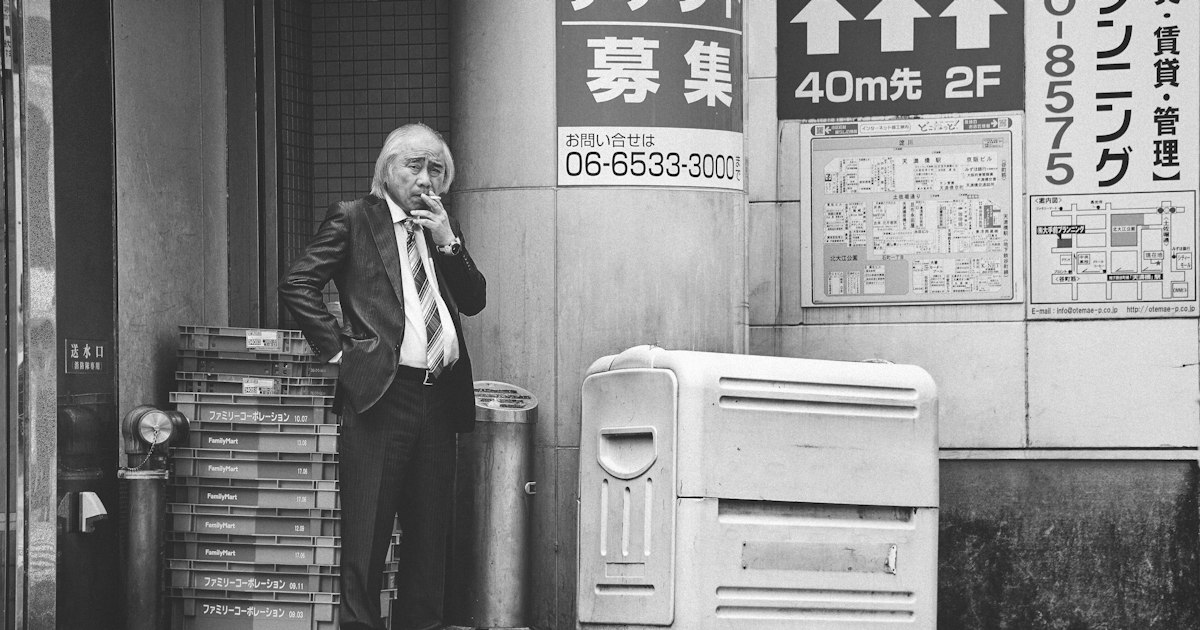
Photo by Hama Haki on Unsplash
Pick up a phone in a Tokyo real estate office, a rural clinic, or a ward city hall, and there’s a good chance you’ll hear it: the chirping handshake of a fax machine receiving a document. Japan is one of the most technologically advanced countries on earth, yet fax (FAX, pronounced “fakkusu”) remains a default communication tool in government offices, healthcare, and small businesses. For visitors and long-term residents navigating paperwork, understanding why — and where you’ll bump into it — saves real time and confusion.
The Hanko-and-Paper Logic Behind the Fax Machine
Fax survived in Japan for the same reasons the personal seal (hanko) survived: legal and institutional habits built around physical, verifiable paper. A faxed document with a signature or stamp has historically been treated as a valid original in ways that an emailed PDF was not, especially inside government procedures. Add an aging workforce in many back offices — city hall clerks, clinic receptionists, small company owners — who learned fax as the professional standard decades ago, and you get a tool that nobody has had strong enough incentive to rip out. Japan also runs on NTT’s widely available fixed-line phone network, which made fax cheap and dependable long before broadband was universal, and that infrastructure never fully went away.
Where Visitors and Residents Actually Run Into It
As a tourist doing sightseeing, you’ll rarely need to touch a fax machine yourself. But a few situations bring foreign visitors and residents face-to-face with Japan’s fax culture:
- City hall (kuyakusho/shiyakusho) procedures — residence card registration, National Health Insurance enrollment, or verifying documents issued by your home country’s embassy.
- Clinics and hospitals — referral letters (shoukaijou) between doctors, insurance pre-authorizations, and prescription transfers to pharmacies.
- Real estate and apartment/storage rentals — older management companies still fax lease contracts and guarantor forms rather than emailing scanned PDFs.
- Small shops, ryokan, and family-run businesses — reservation confirmations and supplier orders.
If you’re a long-term resident going through bureaucratic processes like converting a foreign driver’s license, the same institutional paper-trail habit shows up — see our guide to Gaimen Kirikae, converting a foreign driver’s license to a Japanese one, which still often involves verifying documents that were faxed or hand-stamped rather than digitally issued.
City Halls: Hours, What to Expect, and Why Fax Shows Up
Most ward and city offices are open weekdays only, typically 8:30 a.m. to 5:00 or 5:15 p.m., closed weekends and national holidays (some larger wards in Tokyo and Osaka open one Sunday a month for limited services — check the specific ward’s website before visiting, since this varies). When a clerk needs to confirm something with another office or an outside agency — say, verifying a document from your home country’s consulate — fax is often still the fastest officially-sanctioned channel between two government departments, faster in practice than email because it requires no account setup, no attachment-size limits, and produces an instant paper record with a transmission confirmation slip that itself functions as a receipt.
Common mistake: assuming you can simply email a scanned document to a city office and have it processed the same day. Many offices will ask you to bring the physical original, or will fax a request onward themselves, which can add a day or two to anything involving cross-department verification. Build buffer time into any paperwork timeline, especially if you’re also handling something like a storage rental agreement — our piece on renting a storage unit (trunk room) in Japan for extended stays notes that older management companies in particular may still want a faxed or hanko-stamped contract rather than a digital signature.
Clinics and Hospitals: Referrals and Prescriptions
Japan’s healthcare system relies heavily on referral letters when a patient moves from a general clinic to a specialist or larger hospital. These shoukaijou are frequently faxed directly between the two institutions’ front desks, same-day, rather than scanned and emailed — partly for speed, partly because hospital IT security policies are often stricter about email attachments than about a dedicated fax line. If you’re arranging specialist care as a visitor (for example, getting a contact lens prescription checked, as covered in our guide to buying circle contact lenses in Japan as a tourist), don’t be surprised if the clinic asks for a fax number rather than an email address when transferring your prescription to a pharmacy or optician.
Practical tip: if a clinic or hospital asks “FAX bangou wa arimasu ka?” (do you have a fax number?), you can simply say you don’t have one and ask whether email or a printed copy works instead — most front-desk staff have a workaround, but you have to ask.
How to Send a Fax Yourself
If you do need to send one — confirming an appointment, submitting a form to an office that won’t accept email — the easiest option as a visitor is a convenience store multicopy machine:
- Seven-Eleven, FamilyMart, Lawson — nearly every branch has a multicopy machine with fax send capability, available 24 hours. Domestic faxes run roughly ¥50–100 per page; international faxes cost more and are less commonly offered.
- Hotel business centers — many mid-range and upscale hotels will send a short fax for guests, sometimes free, sometimes a small per-page fee.
- Post offices and some print shops (Kinko’s) also offer fax services during business hours, typically 9:00 a.m.–5:00 or 6:00 p.m. on weekdays.
Budget option: the konbini machine is cheapest and always open. Splurge option: ask your hotel concierge to handle it for you, which is worth the small fee if the form is in Japanese and you want someone to confirm it transmitted correctly — unlike email, a failed fax transmission doesn’t always announce itself clearly.
Is This Actually Changing?
Slowly, yes. The Japanese government has pushed “paperless” and “hanko-less” initiatives since 2020, partly spurred by the pandemic exposing how much remote work was blocked by needing to physically go into an office to receive or send a fax. Some ministries and larger hospital networks have reduced fax dependency, and digital residence-card and “My Number” systems are expanding. But change moves at the pace of the smallest counterpart in any given paper trail — a city hall can digitize its own systems, but if it still needs to coordinate with a rural clinic or an elderly-run supplier who only has a fax line, the fax stays in use. For visitors, the practical takeaway is simple: carry physical copies of important documents, don’t assume email will be accepted everywhere, and treat a fax number request as a normal, non-suspicious part of doing business in Japan.