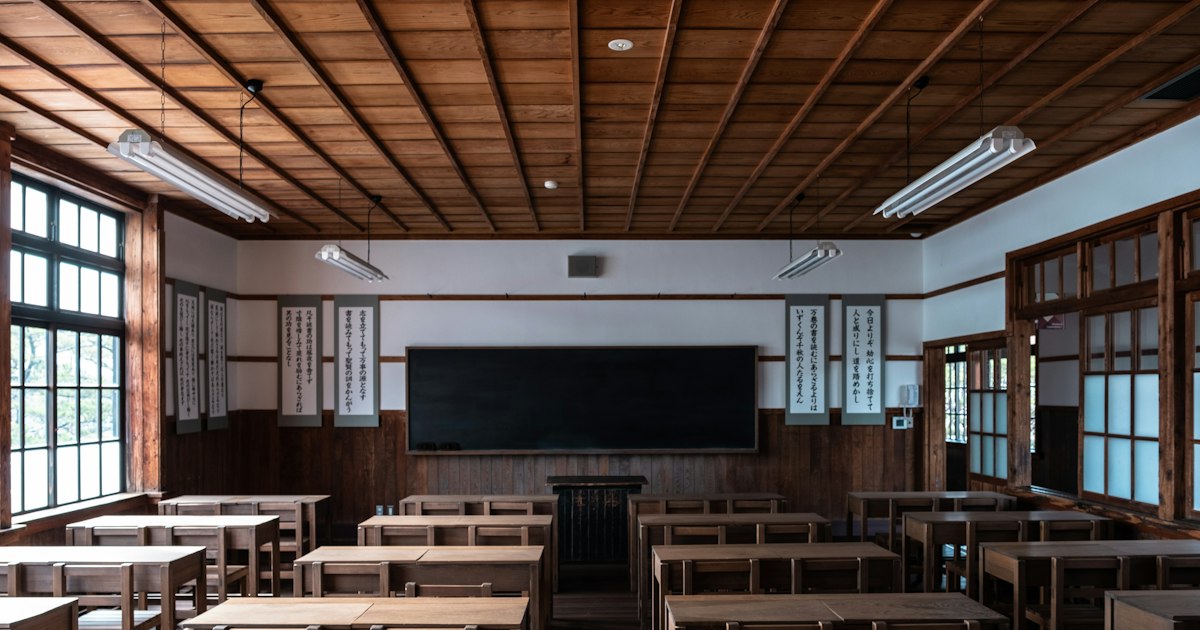
Every year, tens of thousands of foreign students enroll at Japanese language schools, and the appeal is obvious: full-time immersion, a structured visa that lets you stay for a year or more, and a far deeper experience of the country than a two-week vacation allows. But the process involves more bureaucracy than most people expect — a Certificate of Eligibility, a designated school, proof of funds, and strict rules about how many hours you’re allowed to work. Here’s what the process actually costs and how it actually runs, based on how schools and immigration offices currently operate.
Who needs a student visa, and who doesn’t
If you’re coming for under 90 days, you don’t need a student visa at all — many short-term language programs (2 to 12 weeks) run on a standard Temporary Visitor entry, and you simply enroll as a tourist. That’s the easiest way to test whether classroom study in Japan suits you before committing to a long program.
For anything longer than 90 days, you need a “Ryugaku” (留学) Student Visa, which requires enrollment at a school certified by Japan’s Immigration Services Agency to sponsor international students. Not every language school has this status, so confirm it directly before paying any deposit — a school’s website claiming to “support visa applications” isn’t the same as being an accredited sponsor.
The Certificate of Eligibility process and timeline
The visa process runs through the school, not you directly. Roughly six months before your intended start date, you apply to the school with:
- A completed application form and passport-style photos
- Final academic transcripts and graduation certificate (high school minimum for most programs)
- Proof of funds — typically a bank statement or sponsor’s certificate showing at least ¥2,000,000–¥2,500,000 available for the first year
- A statement of purpose explaining why you want to study Japanese
The school submits a Certificate of Eligibility (COE) application to its local immigration bureau on your behalf. Processing takes 1–3 months. Once approved, the school mails you the physical COE, which you then bring (along with your passport and visa application form) to a Japanese embassy or consulate in your home country to get the actual visa sticker — that final step usually takes about a week. Intakes are mostly set for April and October, matching the Japanese academic calendar, though some schools also take students in January and July.
What tuition and fees actually cost
Costs vary by school and city, but here’s a realistic range for a full-time program (roughly 20 hours of class per week):
- Application/admission fee: ¥20,000–¥30,000 (one-time, non-refundable)
- Enrollment fee: ¥50,000–¥70,000 (one-time, first term only)
- Tuition: ¥600,000–¥750,000 per year at most private language schools (3-month terms run roughly ¥150,000–¥200,000)
- Textbooks and materials: ¥10,000–¥20,000 per term
Budget schools in smaller cities can come in near the lower end; well-known Tokyo and Kyoto schools with dormitories or extra support services sit at the top. As a splurge option, some schools bundle homestay placement and cultural excursions into a premium tier, adding ¥100,000–¥200,000 a year. On top of tuition, factor in National Health Insurance (mandatory for stays over 3 months, roughly ¥15,000–¥25,000 per year for students) and the Residence Card application, which is free but required within your first weeks in Japan.
Housing: dormitory, homestay, or apartment
Most schools offer a dormitory or shared-apartment option specifically for international students, running ¥40,000–¥70,000 per month depending on city and whether it’s a private or shared room — this is the simplest route since the school handles the lease and utilities. Homestay runs similarly, often ¥60,000–¥90,000 including meals, and is worth it if conversational practice is your priority. Renting independently is possible but harder as a new student: landlords often want a Japanese guarantor, and move-in costs (deposit, key money, agency fee) can total 4–5 months’ rent upfront. If you go this route, it’s worth understanding renter realities most guides skip — things like dealing with mold in humid Japanese apartments, tatami maintenance in older units, and the noise rules buildings enforce, since these catch long-term renters off guard far more than tourists.
Working part-time on a student visa
A Ryugaku visa does not automatically permit work. You must separately apply for “Permission to Engage in Activity Other Than That Permitted by the Status of Residence Previously Granted” at immigration — a straightforward form, usually processed the same day or within a couple of weeks, often handled right when you pick up your Residence Card at the airport or local immigration office. Once granted, you’re capped at 28 hours per week during term time (up to 8 hours/day during official school holidays). Common jobs for language students are convenience stores, restaurant kitchens, and English conversation tutoring; pay is typically ¥1,000–¥1,300/hour depending on the region. Working without this permission, or exceeding the hour cap, is a visa violation that can jeopardize renewal — schools take attendance seriously partly because immigration checks it.
Common mistakes that delay or sink applications
- Underestimating the timeline. Starting the COE process less than 4 months before your intended start date is cutting it close; aim for 6 months.
- Thin proof of funds. A bank balance that only just meets the minimum, or a sudden large deposit right before applying, invites extra scrutiny. Steady savings history is stronger.
- Gaps in academic history. If there’s a multi-year gap since your last diploma, immigration may ask for a written explanation — have one ready rather than being surprised by the request.
- Assuming attendance is optional. Schools are required to report attendance, and falling below roughly 80% can affect visa renewal regardless of how well you’re doing academically.
- Not confirming JLPT alignment. If your goal is a specific JLPT level or eventual university entry, ask the school directly which textbook series and pace they use — “intensive course” means different things at different schools.
Settling in: the first two weeks
Your first weeks involve several bureaucratic errands alongside orientation: registering your address at the local ward office (within 14 days of moving in), opening a bank account (some banks require 6 months of residency first, so ask the school which ones work for new arrivals), and getting a phone contract. Many schools build a guided “survival week” into orientation for exactly this reason. It’s also a good stretch to absorb everyday social cues that aren’t taught in textbooks — small things like how service gestures work in shops and restaurants go a long way toward feeling less like a tourist and more like a resident.
Once the paperwork is behind you, the actual experience — daily classes, a cohort of classmates from a dozen countries, and a city you’re now living in rather than passing through — is what makes the visa worth the hassle in the first place.