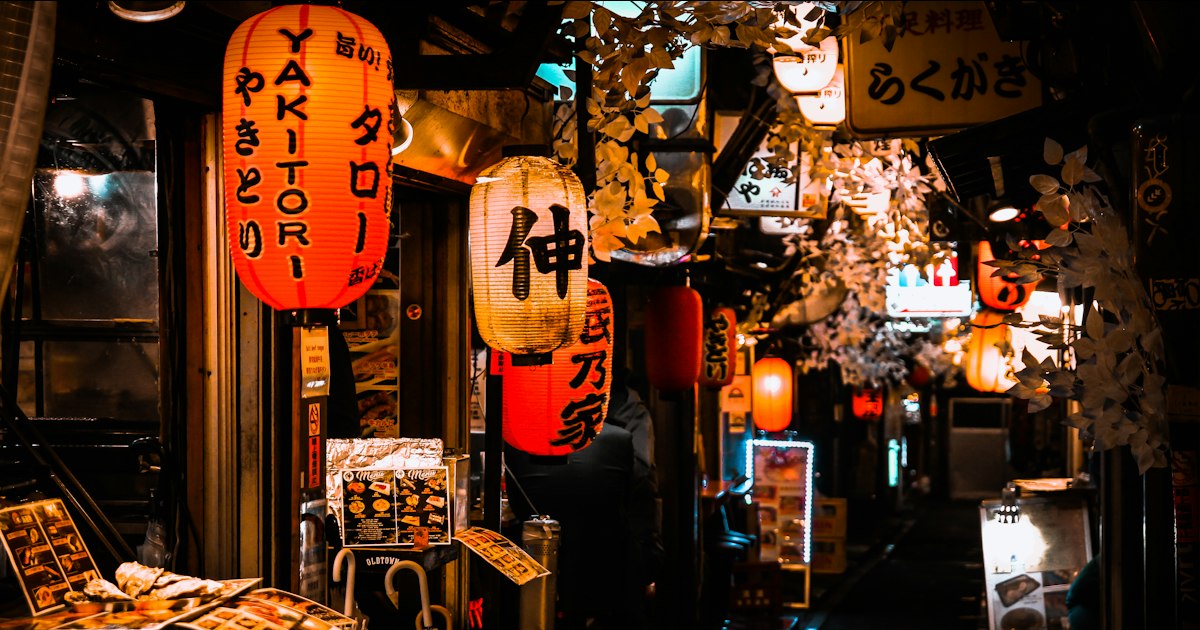
Photo by Pema G. Lama on Unsplash
You’ve just finished a round of grilled chicken skewers and three pitchers of beer with five people you met two hours ago, and now the bill arrives face-down on a little tray — one single number, no itemization, no splitting instructions. This is warikan (割り勘), Japan’s default way of handling group bills, and it works differently enough from Western “pay for what you ordered” splitting that it trips up almost every first-time visitor. Here’s what’s actually going on, and how to not be the person holding up the line at the register.
What “Warikan” Actually Means
Warikan simply means splitting a bill evenly among everyone at the table, regardless of who ordered the 1,200-yen premium sashimi plate and who just had edamame. It’s the social default in Japan for dinners with colleagues, friend groups, and especially work parties — nobody tallies up who drank more. The phrase you’ll actually hear is “warikan de ii?” (is splitting evenly okay?), and the expected answer, unless someone clearly ate far more than the group, is yes. Trying to itemize a six-person izakaya bill down to the yen is seen as slightly fussy — it happens, but it’s the exception, not the norm.
How the Bill Actually Gets Paid at an Izakaya
Unlike many Western restaurants, Japanese izakaya and casual restaurants almost never bring a check to the table for everyone to handle individually. Instead, one person collects everyone’s cash (or everyone’s cards, one at a time) and pays at the register — the kaikei (会計) — on the way out. If you’re in a group, it’s completely normal for one person, often the most senior or the one who organized the outing, to walk up and pay the full amount while everyone else hands them bills under the table or via a mobile transfer afterward. Say “okaikei onegaishimasu” (check, please) to your server, or just walk to the register yourself — in most izakaya you pay at the front counter, not at the table.
Smaller, older-school izakaya — the kind you’ll find packed under the tracks in places like Shimbashi — are still frequently cash-only or cash-preferred, and some genuinely cannot split one bill across five separate credit cards at the register. Carry enough cash (a few thousand yen per person is usually plenty for a casual night) so you’re not the reason the line backs up.
The Otoshi Charge and Why Your Bill Is Never Just the Food
If your izakaya total feels a bit higher than what you ordered, look for otoshi (お通し) — a small appetizer, often pickles, edamame, or a tiny simmered dish, that’s placed on your table automatically when you sit down. It functions as a cover charge disguised as food, typically 300 to 500 yen per person, and you can’t decline it. Some chains also add a seating charge (seki-ryo) of a similar amount. Neither is a scam; it’s standard izakaya economics, and it gets folded into the group total before the warikan split happens. If you’re the adventurous type, this is also where you might encounter genuinely polarizing regional specialties on the menu beyond the usual yakitori and karaage — dishes like kusaya, the famously pungent fermented fish from the Izu Islands, occasionally turn up on more adventurous izakaya menus and are worth ordering once as a group, split cost and all.
Splitting Unevenly: When “Betsu Betsu” Is and Isn’t Possible
If your group genuinely wants to pay separately — betsu betsu de (別々で) — say so when you sit down, not after the bill arrives. Larger chain izakaya like Torikizoku, Watami, or Tsukada Nojo are generally set up to split a bill by seat or by individual order, especially if you ask early. Small, family-run spots with one register and one till often are not, particularly during a busy dinner rush — splitting six ways by card is slow, and staff may politely decline. The safest approach in any izakaya: ask about splitting before you order, assume cash-based warikan as the fallback, and never assume a card machine can divide a bill evenly across multiple cards (most Japanese registers process one transaction per card, not a percentage split).
Apps and Tools That Make Warikan Easier
Japanese group chats increasingly handle the math digitally rather than passing cash around the table. LINE Pay has a built-in “warikan” request feature that lets the payer snap a photo of the receipt and ping everyone in the group chat for their share. PayPay, now one of the most widely accepted QR payment apps in Japan, has a similar split-request function. If you’re traveling with a mixed group of locals and foreigners, Splitwise remains the easiest cross-border option since it doesn’t require a Japanese bank account or phone number to settle up later. None of these are necessary for a one-off dinner — but for a multi-week trip where the same group keeps splitting bills, they save a lot of mental math.
Common Mistakes Foreign Visitors Make
- Expecting itemized splitting by default. Equal splitting is the norm; asking for a precise itemized breakdown mid-meal can feel oddly transactional to Japanese dining companions.
- Tipping on top of the split. Japan has no tipping culture, and leaving extra cash on the table or tray is more likely to confuse staff than please them.
- Assuming the otoshi charge is a mistake. It’s standard and non-negotiable — don’t try to dispute it at checkout.
- Waiting for the bill to come to the table. In most izakaya, nobody brings it unless you ask — you pay at the front register when you’re ready to leave.
- Assuming every place splits cards evenly. Call ahead or ask at seating if your group plans to pay separately by card.
Budget to Splurge: What Warikan Looks Like in Practice
A casual izakaya night with drinks typically runs 3,000–4,500 yen per person, including otoshi and a couple of rounds of beer or highballs. Add a nomihoudai (all-you-can-drink) course — usually 90 to 120 minutes for 1,500–2,500 yen per person — and a group of four or five can eat and drink well for around 4,000–6,000 yen each, split evenly with no one keeping score. Year-end bonenkai and New Year shinnenkai parties, which pick up heavily from late November through January, often run as fixed-price courses of 4,000–5,500 yen per person including nomihoudai, booked and split by whoever organized the party. On the splurge end — a proper kaiseki dinner, sukiyaki, or a reserved private room — per-person costs of 8,000–15,000 yen are still typically settled as one group warikan total, paid by the host and reimbursed afterward rather than split by card at the table. If you’re easing into Japanese dining culture before diving into izakaya life, pairing a quieter afternoon — say, a walk around Nezu Shrine — with a warikan-style dinner later is a good way to experience both sides of a Tokyo day. And if beer and highballs aren’t your thing, Tokyo’s growing scene of natural wine bars runs on the same group-tab logic, just with a different drink list.