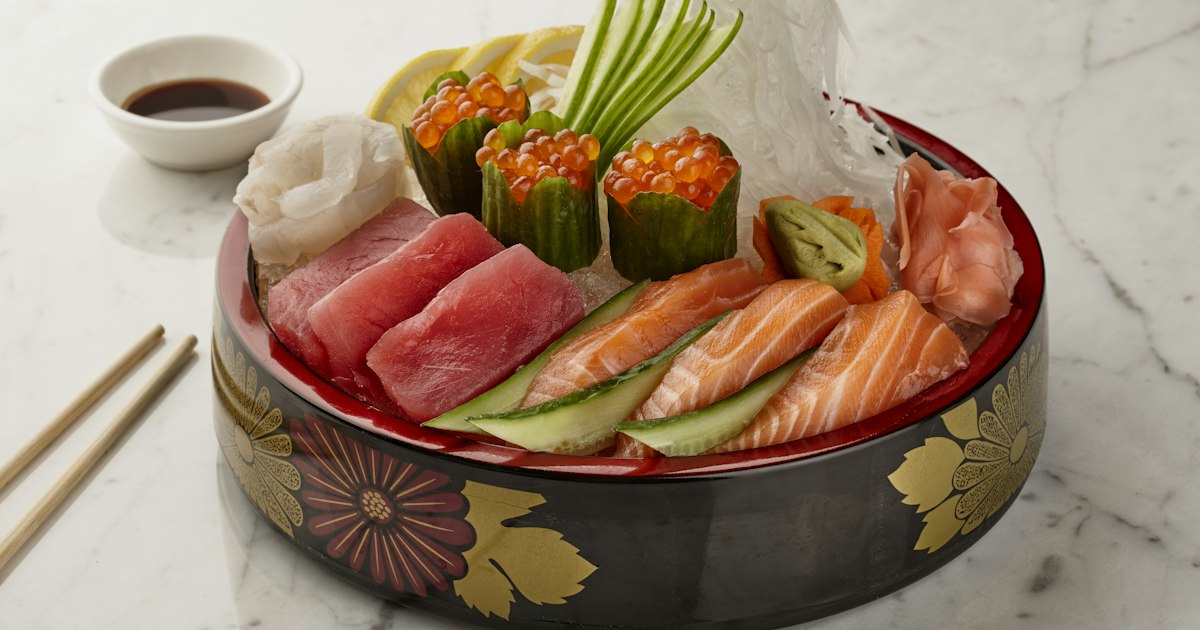
Photo by Orkun Orcan on Unsplash
Ask a first-time visitor to name a Japanese fish and you’ll hear “tuna” or “salmon” within seconds. Ask a regular at a Tokyo sushi counter the same question and you’re more likely to hear “hirame” or “kanpachi” — two white-fleshed fish that sushi chefs rate far higher than their quiet reputation abroad suggests. Neither is flashy. Both reward attention. This guide explains what they actually taste like, when to order them, what they cost, and where to find them without guessing your way through a menu.
Hirame: The Delicate Winter Flatfish
Hirame is olive flounder, a flatfish that lies on the seabed and is caught mostly around Japan’s coastal waters. Its flesh is lean, translucent, and firm enough to hold a clean slice, with a mild sweetness that’s easy to miss if you’re coming straight off a fatty tuna roll. Order it and most chefs will slice it thin — sometimes thin enough to see the plate through it — because the texture, not the flavor intensity, is the point.
The cut worth specifically asking for is engawa, the band of muscle that runs along the fin edge. It’s a different texture entirely: chewier, slightly fatty, and often lightly seared or served with a squeeze of citrus. Many menus list engawa separately from regular hirame nigiri, and it’s usually a few hundred yen more per piece — worth it if you only try one flatfish cut on your trip.
Kanpachi: Japan’s Firm, Clean-Tasting Amberjack
Kanpachi (greater amberjack) belongs to the same family as the more famous buri/hamachi (yellowtail), but it’s a different species with noticeably less fat and a firmer bite. Where hamachi can taste rich and almost buttery, kanpachi reads as cleaner and slightly sweet, which is why it’s often recommended as a palate-reset between fattier cuts during an omakase meal.
Most of what you’ll eat is farmed, and that’s not a downside — Japan’s amberjack aquaculture, concentrated around Kagoshima and Oita in Kyushu, is tightly managed for consistent quality, and farmed kanpachi served fresh is routinely excellent. Wild kanpachi exists and shows up on menus seasonally, usually priced noticeably higher and worth asking about specifically if a shop has it, since it isn’t always advertised.
Best Season and Timing for Each
Hirame peaks in the colder months, roughly December through February, when the fish builds fat reserves and the texture firms up — this is the same logic behind “winter flatfish” being a stock seasonal phrase on Japanese menus. Order it in summer and it’s still good, just leaner and less dramatic.
Kanpachi runs the opposite direction: summer, roughly June through August, is when both wild and farmed fish are at their best, though farming has flattened the seasonal gap considerably compared to wild-caught fish a generation ago. If you’re visiting in winter, lean toward hirame; if you’re there in midsummer, kanpachi is the better bet on freshness alone.
Where to Eat Them: Market Counters to Splurge Omakase
You don’t need a reservation-only restaurant to try either fish well.
- Budget (¥1,200–2,500): A kaisendon (sashimi rice bowl) at a market food stall — Tsukiji Outer Market in Tokyo is the classic spot — will often include hirame or kanpachi alongside tuna and salmon as part of a mixed bowl. Fishing towns outside Tokyo, like Choshi’s port-side restaurants, are also worth a detour if you’re doing a day trip and want fish landed that morning.
- Mid-range (¥300–700 per piece, ¥4,000–8,000 for a set): Standing sushi bars and conveyor-belt chains serve both fish regularly; kaitenzushi chains typically price kanpachi and hirame plates in the ¥160–400 range per plate, making it an easy, low-risk way to compare them side by side in one sitting.
- Splurge (¥15,000–35,000+ for omakase): Counter-seat sushi restaurants in Tokyo, Osaka, and regional port cities will source both fish seasonally and often tell you exactly where it was caught that day — ask, most chefs enjoy the question.
If you’re eating with a group at an izakaya rather than a sushi counter, sashimi plates of hirame or kanpachi are common shared orders — and if you’re unsure how the bill gets divided afterward, it’s worth knowing how warikan bill-splitting actually works before the check arrives.
Common Mistakes Visitors Make
The biggest one is dousing either fish in soy sauce. Both hirame and kanpachi are mild by design, and a heavy dunk flattens the subtlety you’re paying for — dab, don’t soak. The second mistake is skipping ponzu or yuzu-kosho when it’s offered alongside hirame; the citrus brightens a fish that can otherwise taste one-note to palates used to fattier cuts. Third, don’t assume thin slicing means low quality — with flatfish specifically, thinness is a sign of chef skill, not a cheap cut.
One more: don’t write off Japan’s more unusual seafood as “too extreme” based on reputation alone. Hirame and kanpachi are the gentle end of the spectrum — if you want to see how far Japanese fish preparation can go in the other direction, kusaya from the Izu Islands is the famously pungent fermented counterpoint, and trying both on the same trip gives you a genuinely wide view of what “Japanese fish” can mean.
Where to Order With Confidence
If you’re not sure how to ask for either fish, the Japanese names are worth memorizing exactly as written here — hirame (平目 or ヒラメ) and kanpachi (間八 or カンパチ) — since English transliteration varies and staff may not recognize “flounder” or “amberjack” on sight. Pointing at a photo menu works too, but knowing the words lets you ask follow-up questions like whether it’s engawa, whether the kanpachi is wild, or what’s in season that day.
Evening izakaya districts are a reliable place to practice this in a low-pressure setting — somewhere like Shimbashi’s bar district under the elevated tracks has enough casual seafood izakaya packed into a small area that you can compare a few versions of each fish in one night without committing to a single reservation.
Neither hirame nor kanpachi needs a special trip to find — they’re on most sashimi and sushi menus across the country, farmed and landed fish moving through markets daily. The only real effort required is ordering them on purpose instead of defaulting to tuna, and paying enough attention on the first bite to notice why chefs rate them so highly.