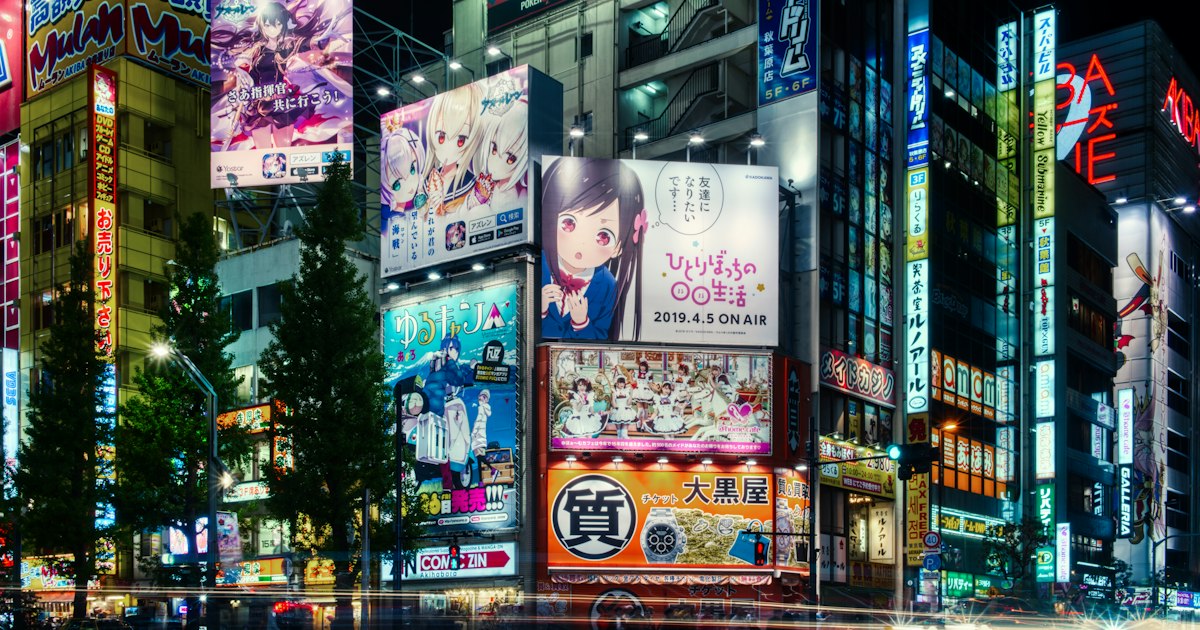
Photo by Pat Krupa on Unsplash
Most visitors think “karaoke room” means a dark box with a giant screen cycling through music videos while someone sings off-key into a wired mic. But a growing number of travelers — musicians warming up before a gig, language learners drilling pronunciation, choir members rehearsing a part, or just someone who wants to belt out a setlist without paying for video rights — are renting the other kind of room: a plain, soundproofed practice space with a mic, a monitor speaker, and no projector at all. In Tokyo, this is easy to do for surprisingly little money, especially during the day. Here’s how it actually works.
Why Skip the Projector in the First Place
Standard karaoke chains like Big Echo, Karaoke-kan, Manekineko, and Jankara charge you partly for the licensed song catalog and the screen that displays it. If you don’t need lyrics scrolling over a music video — because you’re rehearsing your own material, practicing scales, recording a demo, or running lines for a performance — you’re paying for a feature you won’t use. Dedicated rehearsal studios (often called kashi sutajio, 貸しスタジオ, “rental studio”) strip that out entirely. You get a soundproof room, a PA or amp, a mic, sometimes a keyboard, and nothing else. The hourly rate is charged per room, not per person, which matters a lot once you’re in a group.
Where to Find These Rooms in Tokyo
Rehearsal studios cluster in neighborhoods with a long band and live-house history. Koenji, Shimokitazawa, and Takadanobaba on the west side of the city have the highest concentration — these are the same areas where Tokyo’s indie bands rehearse before gigs, so the rooms are built for sound, not screens. Shibuya and Shinjuku also have studios, though they tend to be pricier and busier in the evenings. Chains like Studio Noah and Studio Dive have multiple locations across these areas and post hourly rates by room size online, so you can check availability before walking over — handy if your Japanese is limited, since most booking pages use simple numbers and time grids that are easy to read even without fluency.
If you genuinely just want a quiet booth to sing alone (known as hitokara, “one-person karaoke”), the big karaoke chains also run small single-occupancy rooms at a fraction of their group rates, and some — Karaoke-kan in particular — have begun offering stripped-down “practice” plans in select branches that skip the video catalog fee. These aren’t universal, so it’s worth asking at the front desk (“gakki renshū dake desu” — “just instrument/vocal practice” — gets the point across) rather than assuming every location has one.
What It Actually Costs
Pricing varies by room size and neighborhood, but here’s a realistic range for a weekday daytime hour:
- Budget: A small rehearsal room (fits 1–3 people) in Koenji or Takadanobaba typically runs ¥1,000–¥1,800 per hour on a weekday afternoon. Split between two or three people, this is cheaper than almost any standard karaoke box.
- Mid-range: A mid-size room with a drum kit or full PA setup for band rehearsal runs ¥2,000–¥3,500 per hour. This is overkill if you’re just singing, but it’s the standard option if your group includes an instrumentalist.
- Splurge: Studios with a vocal coach on-site, or private rooms at music schools that rent out practice time to the public, can run ¥4,000–¥7,000 per hour but include professional feedback — worth it if you’re prepping for an audition rather than just blowing off steam.
Compare that to a standard karaoke box: daytime “free time” plans at chains like Big Echo or Manekineko often work out to roughly ¥300–¥600 per person per 30 minutes before 6pm, which is cheap for a group of four or five but adds up fast if you’re solo or want to stay for hours.
Booking and Getting There
Most rehearsal studios take reservations by phone or through a simple web form, and walk-ins are usually fine on weekday afternoons if you’re not picky about room size. You’ll generally need to show ID at check-in (a passport is fine) and pay in cash or by card at the counter, not in advance. Studios near Koenji and Takadanobaba stations are a 2–5 minute walk from the JR platforms, which makes them easy to combine with a day of wandering — grab a coffee at a kissaten near the station first if you want a slow start to the day, and there’s often a 100-yen shop like Can Do or Watts nearby for cheap earplugs, tissues, or a bottle of water before you go in.
If you’re traveling with an instrument rather than just your voice, note that most studios expect you to bring your own cables and sometimes your own sticks or pedals — equipment rental, if offered, costs extra. And if you’re hauling something like a cello or a full-size guitar case across the city by train, it’s worth knowing Japan’s rules on bringing large instruments on the Shinkansen before you plan a multi-city practice trip.
Best Times to Go
Weekday daytime — roughly 10am to 5pm — is consistently the cheapest and quietest window. Rates climb after 6pm as bands finish work and come in to rehearse, and weekends get booked up by students and amateur groups well in advance. If your trip falls in January through March, be aware that this is audition and recital season in Japan, and vocal-focused studios near music schools fill up quickly with local students preparing for exams — book a day or two ahead rather than assuming a walk-in slot will be open. Outside that window, same-day booking is usually no problem.
Common Mistakes to Avoid
The biggest mistake is assuming every karaoke chain location offers a video-free option — most don’t, and you’ll find out only after you’ve already been led to a standard room. Call ahead or ask explicitly at the counter. The second mistake is booking a band rehearsal room when all you need is a vocal booth: you’ll pay for a drum kit and amps you never touch. The third is showing up on a Saturday evening without a reservation and being told every room is full for the next three hours — weekday afternoons really are the reliable option. Finally, don’t expect English signage at smaller studios outside the main tourist areas; writing down your preferred time slot and room size in simple numbers before you arrive makes the counter interaction much smoother.