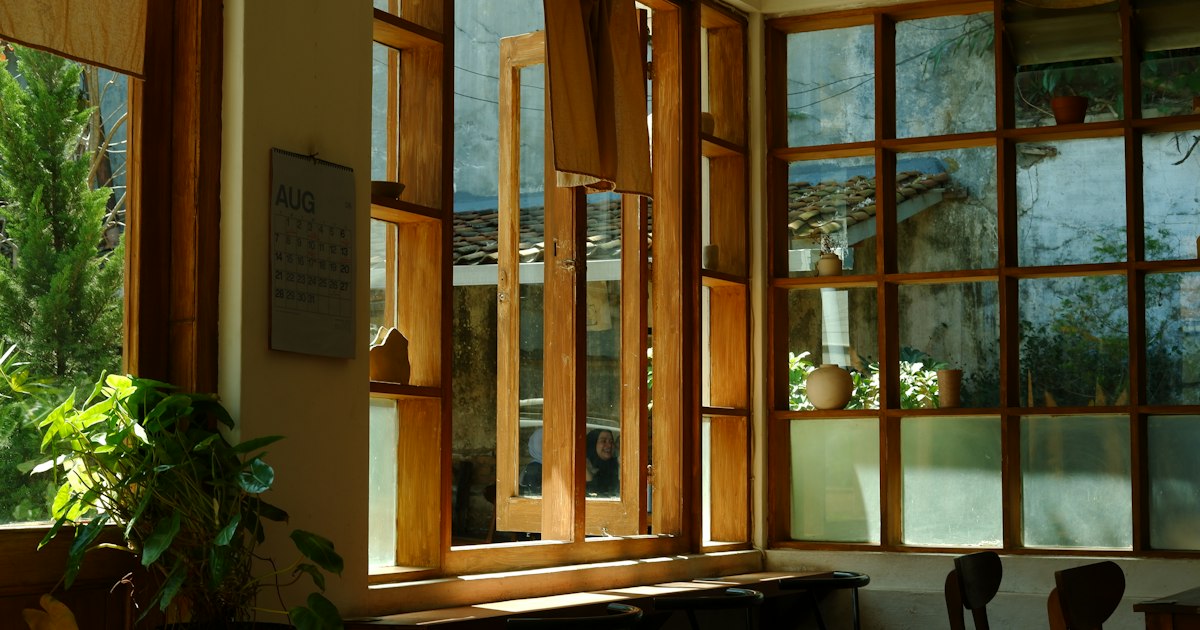
Photo by Dhiyah Aqila on Unsplash
Starbucks is everywhere in Japan, but it’s rarely where locals actually get their coffee fix. For a quick caffeine hit between sightseeing stops, a long breakfast before a train, or a nostalgic slice of Showa-era atmosphere, Japan’s homegrown coffee shop chains do it better and cheaper. Here’s how Doutor, Komeda’s Coffee, and the independent “kissaten” scene actually compare, with real prices and timing so you can pick the right one for the moment you’re in.
The Three Tribes of Japanese Coffee Culture
Doutor, Komeda, and kissaten aren’t competing for the same customer, even though they all serve drip coffee for less than a Starbucks latte. Doutor is Japan’s answer to a quick counter-service coffee bar — order, pay, grab your cup, go. Komeda’s Coffee is a Nagoya-born chain built around lingering: deep booth seating, a free “morning service,” and desserts meant to be shared. Kissaten (喫茶店) is an umbrella term for independently run, often decades-old coffee houses that predate the chain era entirely, with siphon or hand-drip coffee and a menu of retro “yoshoku” dishes like Napolitan spaghetti and pizza toast. Knowing which one you’ve walked into changes what you should order and how long you’re expected to stay.
Doutor Coffee Shop: Fastest and Cheapest
Doutor is Japan’s largest coffee chain by store count, with close to 2,800 locations nationwide, and it’s built for speed. A short “Diet Blend” or regular blend coffee runs around ¥250–290, an americano about ¥320, and even a sandwich-and-coffee combo rarely tops ¥600. You order and pay at the counter, there’s no table service, and seating is often counter-style or communal — this is the chain for a 10-minute sit-down between train transfers, not a conversation.
Most branches open around 7:00 and close between 20:00 and 22:00, with a few 24-hour locations near major stations like Shinjuku and Umeda. Doutor’s sister brand, Excelsior Caffè, uses the same parent company but has a slightly more “café” feel and marginally higher prices (around ¥300–380 for coffee) if you want a bit more comfort for not much more money. Both are common inside and just outside train stations, so you rarely need to go looking for one — look for the brown-and-white or green signage near ticket gates.
Komeda’s Coffee: Nagoya’s Gift to Slow Breakfasts
Komeda started in Nagoya in 1968 and has grown to roughly 900+ locations across Japan, but it still carries its Chubu-region DNA: big, cushioned booths, wood paneling, and a pace that assumes you’re staying a while. The signature move is “morning service” (モーニングサービス) — order any drink before 11:00 (cutoff time varies slightly by store) and a thick slice of toast with a boiled egg or egg paste is thrown in free. A coffee alone is about ¥480–550, so a full breakfast for under ¥550 is one of the better value plays in Japanese food service.
Komeda is also where you’ll find Ogura toast — thick white bread slathered in butter and sweet red bean paste, a Nagoya specialty — and Shironoir, a soft-serve-and-waffle dessert that’s become an Instagram staple, for about ¥690. If you’re in the Nagoya area chasing regional specialties, it’s worth pairing a Komeda stop with a bowl of kishimen, the city’s flat wide noodle, since both are quintessential Aichi comfort food. Most locations open early, around 7:00, and stay open into the evening, making Komeda genuinely useful as a breakfast spot rather than just an afternoon break.
Kissaten: Old-School Atmosphere, Independent Character
Kissaten aren’t a chain at all — they’re a category of independently owned coffee houses, many family-run since the 1950s–70s, that survived the convenience-store-coffee boom on atmosphere and loyalty. Expect hand-drip or siphon-brewed coffee for ¥500–900, thick “pizza toast,” cream soda floats, and Napolitan spaghetti (ketchup-based pasta with sausage and peppers) for ¥900–1,200. Smoking is still permitted in some older kissaten, so ask before sitting down if that matters to you.
Tokyo’s Jimbocho (book town) and Yanaka neighborhoods have some of the best-preserved examples, and Kyoto’s Inoda Coffee, running since 1940, is a genuine institution worth the wait for a seat. In Osaka, several old-school kissaten are tucked along Tenjinbashi-suji, Japan’s longest covered shopping arcade, so it’s an easy stop if you’re already walking the full length of it. Hours are the least predictable of the three categories — many open around 8:00–9:00 and close by 18:00–19:00, and some take a weekly rest day, so check signage or a map listing before making a special trip.
Price and Experience at a Glance
- Doutor (budget): Coffee from ¥250. Counter service, 5–10 minute visits, near every major station.
- Komeda (mid-range): Coffee from ¥480, free toast set before 11:00. Booth seating, 30–60 minute visits, best for breakfast or an afternoon break.
- Kissaten (mid-range to splurge): Coffee ¥500–900, food menu adds ¥900+. Independent character, no two are alike, worth seeking out by name rather than walking in blind.
If you don’t drink coffee at all, both Doutor and most kissaten also serve green tea, though it’s rarely their specialty — if tea is really your focus, it’s worth learning about something like gyokuro, Japan’s premium shade-grown green tea, and seeking out a dedicated tea house instead.
Common Mistakes Visitors Make
The biggest one is treating Komeda like Doutor — showing up expecting a quick five-minute coffee and then being confused by the slower, order-at-your-seat pace with table service. The opposite mistake is just as common: sitting down at a cramped Doutor counter expecting to camp out with a laptop for two hours, which isn’t really what the space is designed for and can draw dirty looks during a lunch rush.
With kissaten, the mistake is assuming cash-only is rare — plenty of older, family-run kissaten still don’t accept cards or IC cards like Suica and Pasmo, so carry some coins and small bills before you go. And with Komeda specifically, don’t skip asking about the morning service cutoff time; it’s usually 11:00 but some locations end it earlier, and staff won’t always volunteer the free toast unless you order before that window.
Which One Should You Choose?
Use Doutor when you need caffeine and nothing else — between train connections, before an early shrine visit, or when a Starbucks line is too long. Choose Komeda for an actual sit-down breakfast or a mid-afternoon reset where you want to linger, especially if you’re already in Nagoya or anywhere in the Chubu region. Save kissaten-hunting for days when the destination itself is part of the plan — a specific famous shop in Kyoto or a retro arcade crawl in Osaka — rather than expecting to stumble into a great one at random. All three are cheaper than a Western-style café chain, and together they cover every pace a traveler actually needs in a day.