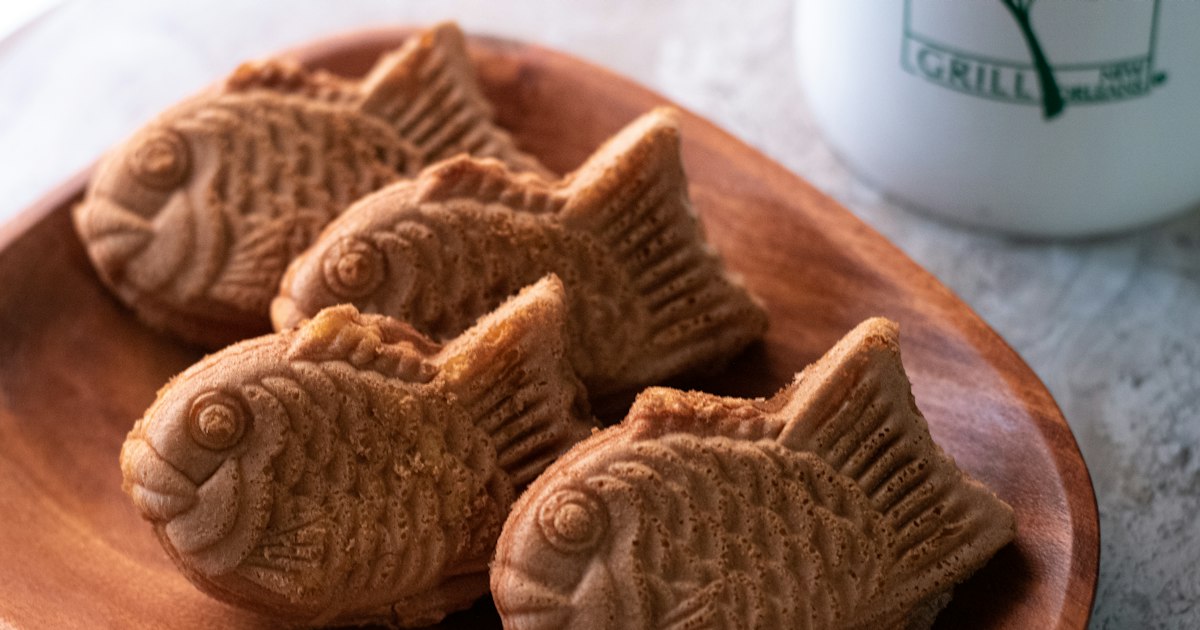
Photo by Kelly Visel on Unsplash
Odawara, the castle town halfway between Tokyo and Hakone, has been Japan’s kamaboko (steamed fish cake) capital for over a century — and several of its historic makers now let visitors shape, steam, and eat their own fish cakes on the spot. It’s a rare hands-on food experience that doesn’t require fluent Japanese, fits neatly into a Hakone-bound day trip, and sends you home with something you actually made. Here’s how to book one and what to expect.
Why Odawara, specifically
Kamaboko needs very fresh, firm white fish and clean water, and Odawara’s position on Sagami Bay — plus its role as a post town on the old Tokaido highway — made it a natural production center from the Edo period onward. Today the city is still home to several long-running kamaboko houses, most clustered along the old Tokaido road (Route 1) just outside the station. Unlike mass-produced kamaboko sold in convenience stores, the Odawara product is dense, slightly sweet, and springy rather than rubbery — eating a slice fresh off the steamer is a different experience from the pink-and-white swirls you’ve seen in instant ramen.
Where to take the class
The most visitor-friendly option is Suzuhiro Kamaboko’s “Kamaboko no Sato” (Kamaboko Village), a combined factory, museum, shop, and restaurant complex a few minutes outside Odawara Station. It’s the easiest place for a non-Japanese speaker to walk in, because staff are used to tourists and instructions are demonstrated hands-on rather than lectured. A smaller rival, Yamaju Kamaboko, also runs occasional workshops closer to the station but with far less English support and more limited scheduling — Suzuhiro is the reliable choice for most visitors.
At Kamaboko no Sato you can choose between two experiences:
- Chikuwa-making — wrapping fish paste around a metal rod and hand-shaping it before grilling. This is the easier, faster class and the better pick for kids or anyone short on time.
- Kamaboko-making — spreading paste onto a small wooden board (ita) with a spatula to build up the classic half-cylinder shape, then steaming it. This one takes more patience and produces the “proper” souvenir shape.
What actually happens in the class
Each session runs about 30–40 minutes and is done in small groups at a stainless-steel work counter, with a staff member demonstrating each step before you copy it. For chikuwa, you’ll press and smooth the paste around the rod by hand, then watch it grill in front of you until the surface browns. For kamaboko, you’ll learn the two-stroke spatula motion that gives the cake its signature rounded ridge — it looks simple and is genuinely harder than it looks on the first try. Once your piece is cooked, you eat it warm on-site (it doesn’t travel well, so this isn’t a take-home souvenir craft the way some other hands-on classes are — if you want something to pack home, buy sealed kamaboko separately in the shop next door).
Prices, hours, and booking
As of recent visits, the chikuwa experience runs roughly ¥1,600–1,800 per person and the kamaboko experience roughly ¥2,200–2,500 per person; prices are set per class and occasionally adjusted, so confirm the current rate when you reserve. Kamaboko no Sato is open daily, roughly 9:00–17:00, with workshop sessions run at fixed start times through the day rather than on demand — arriving without a slot booked means you may have to wait for the next opening or be turned away on a busy day. Reservations can be made by phone or through the facility’s website a few days ahead; walk-ins are accepted when space allows, which is more likely on weekday mornings. Groups and families are welcome, but each station fits only a few people at a time, so larger groups should book well ahead.
Getting there from Tokyo and Hakone
Odawara is well connected: the Tokaido Shinkansen gets you from Tokyo Station in about 35 minutes, while the cheaper JR Tokaido Line takes roughly 80–90 minutes. From Shinjuku, the Odakyu Romancecar is a comfortable direct option at about 80 minutes, with a regular Odakyu line train as the budget alternative. From Odawara Station, Kamaboko no Sato is about a 10-minute taxi ride or a short bus hop along Route 1 toward Hakone — it’s also walkable (around 25–30 minutes) if you don’t mind a flat urban stroll. Because Odawara sits on the Hakone gateway, this workshop slots naturally into a day trip that continues on to Hakone’s hot springs and lake, rather than requiring a separate trip from Tokyo.
Best timing and common mistakes
Weekday mornings are the quietest time to go; weekends and school holidays bring tour groups through the complex, and workshop slots fill up first. The biggest mistake visitors make is treating this like a drop-in activity — showing up at 2pm on a Saturday with no reservation often means no available slot that day. The second common mistake is skipping the restaurant: the complex’s on-site shokudo serves kamaboko and other Odawara seafood dishes made from the same fish stock used in the workshop, and eating there turns a 30-minute activity into a proper lunch stop. If you enjoy hunting down regional Japanese seafood specialties beyond the mainstream, this pairs well with other adventurous options covered elsewhere on this site, like ankimo or karasumi, both of which share kamaboko’s roots in Japan’s older preserved-fish traditions.
Budget, mid-range, and splurge framing
For a tight budget, the chikuwa class at around ¥1,600–1,800 plus a train ticket is the cheapest way to do this as a standalone activity — skip the restaurant and snack on your finished chikuwa instead. Mid-range visitors should do the full kamaboko class, then eat lunch at the on-site shokudo, which runs roughly ¥1,200–2,000 per person for a seafood set. For a splurge version of an Odawara day, combine the workshop with a Romancecar reservation to Hakone afterward and a hot spring stay — the fish cake class becomes a one-hour detour rather than the main event. However you slot it in, buy a few vacuum-sealed kamaboko packs in the adjoining shop before you leave; they keep for days unrefrigerated and make a far more distinctive gift than the usual Tokyo souvenir-shop fare, similar in spirit to how travelers hunt down regional specialties like nanbanzuke when passing through a fish-heavy region.