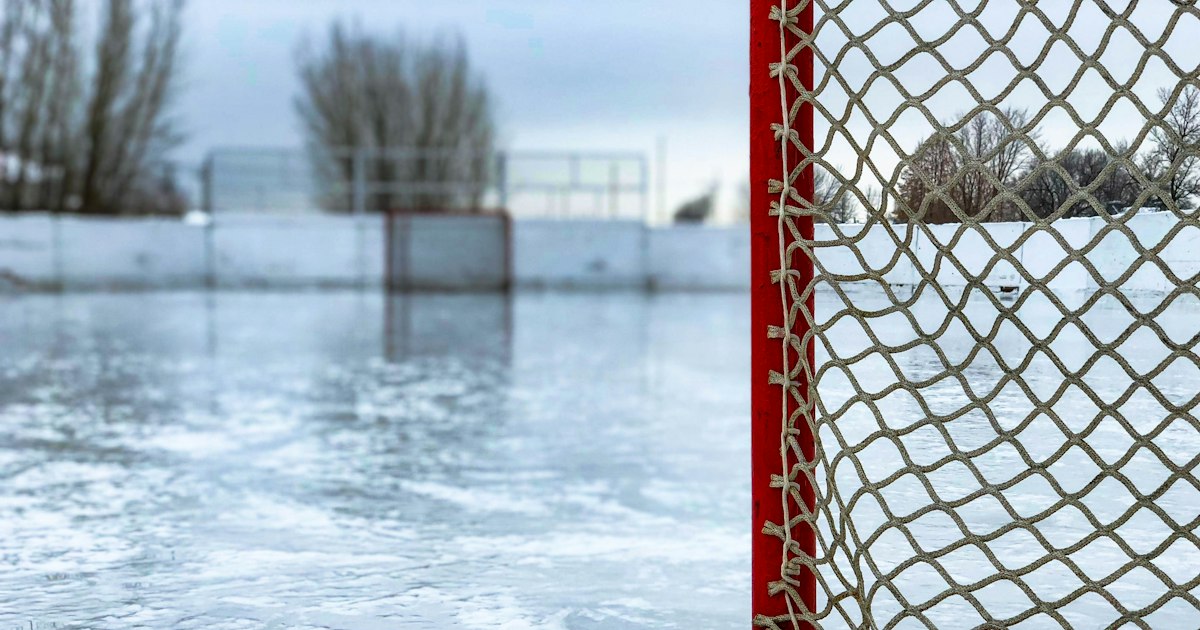
Photo by Chris Liverani on Unsplash
Japan is not a curling country in the way Canada or Scotland is, but it has one genuinely excellent place to try the sport, and a surprising amount of national pride riding on it. That place is Karuizawa, the cool-climate resort town in Nagano Prefecture that has quietly produced some of Japan’s top curlers and now lets visitors book a beginner session on real curling ice — not a hockey rink with stones dragged across it, but a purpose-built sheet. If you’ve ever watched Olympic curling and wondered what the stones actually feel like underfoot, this is where to find out.
Why Karuizawa Became Japan’s Curling Hub
Curling in Japan traces back almost entirely to Hokkaido, where the cold climate and a handful of dedicated rinks (notably in Kitami, hometown of the Olympic bronze-medal team Loco Solare) built the country’s only real grassroots scene. Karuizawa is the odd exception outside Hokkaido: sitting at around 1,000 meters elevation, it’s noticeably cooler than Tokyo year-round, which is exactly why it became a retreat town for emperors, missionaries, and now winter athletes. SC Karuizawa Club, a members’ curling club founded in the town decades ago, has fed players into the national team program, and that pedigree is part of why the newer public-facing facility here is taken seriously rather than treated as a novelty.
Karuizawa Ice Park: What the Facility Actually Offers
Karuizawa Ice Park is a dedicated curling facility with multiple full-length sheets of specially maintained “pebbled” ice, the same surface used in competition play, rather than a general-purpose ice rink. That matters: stones behave very differently on pebbled curling ice than on smooth skating ice, and it’s the main reason serious players travel here instead of using a hockey rink. The facility runs beginner “taiken” (experience) sessions where staff supply all the gear — stones, brooms, grippers, and sliding shoes go over your own sneakers — and walk you through delivery technique, sweeping, and basic strategy before you play a short scrimmage game. Sessions typically run 60–90 minutes and groups are kept small, so you get real coaching rather than just being handed a stone and left to it.
Best Season and Timing
Curling ice needs sustained cold to stay properly maintained, so the ice season at Karuizawa generally runs from autumn through early spring, roughly November through March, mirroring Hokkaido’s season. Outside those months the facility typically isn’t running curling ice. Within the season, weekday mornings and early afternoons are your best bet for availability and for getting more one-on-one attention from the instructor; weekends can book out, especially around winter holidays when Tokyo families head up for the cooler weather. Because sessions are limited and the facility isn’t large, booking a week or more ahead during peak winter weeks is worth doing rather than showing up and hoping for a slot.
Getting There From Tokyo
Karuizawa’s biggest advantage over Hokkaido’s curling towns is how easy it is to reach. The Hokuriku Shinkansen from Tokyo Station to Karuizawa Station takes about 65–75 minutes, making this a realistic day trip or an easy overnight add-on to a Nagano or Karuizawa outlet-shopping itinerary. From Karuizawa Station, the ice park and the older SC Karuizawa club are a short taxi ride (around 10–15 minutes); some facilities also run seasonal shuttle buses from the station in winter, so check the current schedule before you go. If you’d rather drive up, a rental car gives you more flexibility for exploring the Karuizawa–Nagano area afterward — just make sure you understand how the NOC insurance excess waiver works before winter driving on mountain roads, since conditions can get icy well beyond the rink itself.
Costs: Budget, Mid-Range, and Splurge
A single beginner experience session is the budget option and the one most visitors book — expect somewhere in the ¥2,000–4,000 range per person for a shared-group session with equipment rental included, though exact pricing varies by season and length, so confirm the current rate on the facility’s own booking page before you go. Mid-range visitors often book a private or semi-private slot with a dedicated instructor, which costs more but is worth it if you’re traveling with a small group and want everyone actually sweeping and throwing rather than waiting in line. The splurge version is a multi-session block aimed at people who get hooked after their first visit and want to come back for a few consecutive days to actually improve — some clubs offer short-term visitor passes for exactly this, which is how a few foreign curling enthusiasts have ended up spending an entire Nagano winter trip almost entirely on the ice.
Common Mistakes First-Timers Make
- Dressing too warm. The ice shed itself is cold, but sweeping and sliding generate heat fast — layers you can shed are better than one heavy coat.
- Wearing the wrong shoes, or none at all. You’ll wear your own sneakers or trainers with a slider attached over one foot; bulky winter boots or sandals won’t work with the gripper/slider setup.
- Standing up too straight in the delivery. Most beginners try to push the stone like it’s a bowling ball from a standing position; staff will correct this, but expect your legs and core to feel it the next day.
- Not booking ahead. Walk-in slots during peak winter weekends are rare to nonexistent — reserve online or by phone before arriving.
- Assuming English support is guaranteed. Staff can usually get the basics across with demonstration and simple English, but it’s not a fully English-language program, so patience and a translation app help.
Beyond Karuizawa: Japan’s Wider Curling Scene
If Karuizawa whets your appetite, the real heart of Japanese curling is Hokkaido, particularly Kitami and Kitahiroshima, where multiple dedicated curling halls support club leagues and the national team pipeline — but these are further from Tokyo and less set up for casual drop-in tourists than Karuizawa is. Beyond that, curling has almost no footprint in the rest of Japan; there’s no equivalent scene in Osaka or Tokyo proper, which is part of what makes Karuizawa’s accessibility from the capital so valuable for visitors. It fits neatly alongside Japan’s other small but growing visitor-friendly niche sports scenes — if you’re the type who likes ticking off unusual sports while traveling, the same curiosity that gets you onto curling ice tends to also enjoy Japan’s padel courts in Tokyo and Osaka, its new pickleball courts, or hourly badminton court rentals in the bigger cities.
Is It Worth the Trip?
For most visitors, curling alone isn’t a reason to detour to Nagano — but paired with Karuizawa’s outlet mall, onsen, and ski access, it’s a genuinely memorable two-hour detour that costs less than a nice dinner and gives you a story no other part of your Japan trip will match. Go in winter, book ahead, wear layers you can peel off, and expect to be sore in muscles you didn’t know you had the next morning.