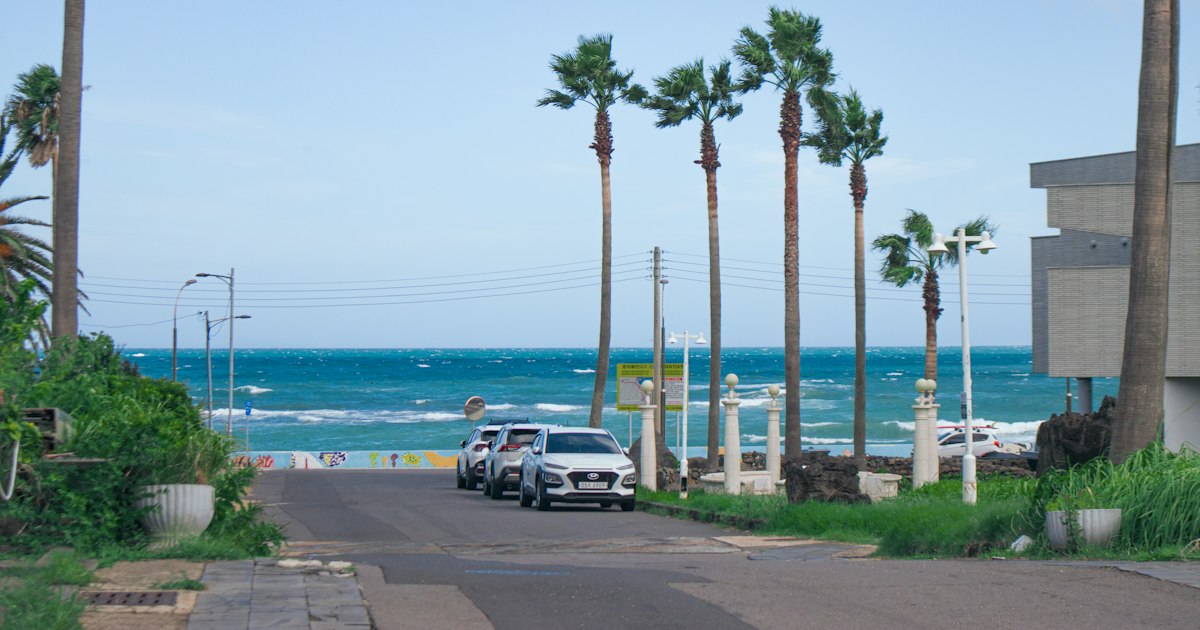
Photo by yeojin yun on Unsplash
Most shochu is made from sweet potato, rice, or barley. Kokuto shochu is made from black sugar — and by Japanese law, it can only legally be called “shochu” if it’s distilled on one small chain of islands between Kyushu and Okinawa. If you’ve never heard of it, you’re not alone; very little of it leaves the Amami archipelago, let alone Japan. For travelers willing to make the detour, it’s one of the more genuinely local drinking experiences left in the country.
Why This Spirit Can Only Be Made in One Place
Under Japan’s liquor tax law, a distilled spirit made primarily from sugar is normally classified as rum, not shochu. The Amami Islands — Amami Oshima, Kikaijima, Tokunoshima, Okinoerabujima, and Yoronjima — are the sole exception. The islands were under U.S. administration after World War II and weren’t returned to Japan until 1953, well after mainland sugar-cane regions had already lost the right to distill rum-style spirits under Japanese tax rules. To support the islands’ battered sugar economy after reversion, the government carved out a special allowance: as long as the black sugar wash is fermented with rice koji (the same mold culture used for sake and most other shochu), the result can legally be sold as honkaku shochu rather than rum.
That koji is the real difference-maker. It’s why kokuto shochu doesn’t taste like rum — there’s a faint molasses sweetness in the aroma, but the koji fermentation strips out most of the actual sugar, leaving a dry, rounded spirit usually bottled at 25–30% ABV. Around 20 small distilleries still make it across the five islands, most of them family-run operations that have been at it for two or three generations.
What It Actually Tastes Like — and How Locals Drink It
Don’t expect something sweet. Good kokuto shochu smells faintly of brown sugar and baked banana but drinks dry and clean, closer to a light rum or aged shochu than anything dessert-like. Quality varies a lot between an entry-level bottle and a cask-aged one, so it’s worth trying a few side by side if a shop or bar lets you.
The distinctly Amami way to drink it is kucha-wari — mixed roughly half-and-half with hot or cold black tea. It sounds like a tourist gimmick, but it’s genuinely how most islanders drink it at home and in local izakaya, and it mellows the spirit nicely. On the rocks or with soda is also common. If you end up in a local drinking spot, order some tsukune-style grilled chicken skewers or other grilled skewers alongside it — the slightly charred, savory flavor pairs naturally with the spirit’s dryness; see our guide to tsukune skewers for what to look for on an izakaya menu.
Getting to Amami Oshima
Amami Oshima, the largest and most visited of the five islands, is the easiest base for a shochu-focused trip. Japan Airlines (JAL) flies into Amami Airport from Kagoshima (about 50 minutes, several flights daily — the cheapest and most frequent route), and runs direct flights from Tokyo Haneda and Osaka Itami as well, though those are less frequent and worth booking a few weeks ahead in peak season. There’s no shinkansen or practical train option; flying is the realistic way in unless you have time for an overnight ferry from Kagoshima port (around 11 hours).
Once on the island, a rental car is close to essential — most distilleries are scattered along the coast road outside the main town of Naze, and public buses run infrequently. Expect to pay roughly ¥6,000–¥9,000 per day for a compact rental car in high season.
Visiting Distilleries and Tasting Rooms
Several of Amami Oshima’s distilleries welcome walk-in visitors to their attached shops, where you can usually taste a few expressions for free or for a small fee before buying. Tours of the actual production floor are more limited — some distilleries run short guided tours on weekday mornings, but these often require a phone or email reservation a few days ahead, and tours may pause entirely during the autumn harvest and distilling season when staff are at full tilt. If you don’t speak Japanese, it’s worth asking your accommodation or the Amami tourist information office near the airport and in Naze to call ahead on your behalf — many smaller distilleries don’t have English-language booking pages.
Shop hours generally run from around 9:00 to 17:00 or 18:00 on weekdays, with shorter hours or closures on Sundays and holidays — always worth confirming same-day if you’re driving any distance, since small, family-run operations sometimes close without much notice. Bottle prices at the source are modest: a standard 720ml bottle typically runs ¥1,200–¥1,800, with 1.8-liter bottles around ¥2,500–¥3,500. Aged or cask-finished editions, often sold only in limited runs at the distillery itself, can run ¥3,000–¥6,000 for a 720ml bottle — these are the ones worth splurging on, since they rarely make it to mainland liquor shops.
Best Season and Common Mistakes
Any time of year works for a shochu-focused visit, but late spring (April–May) and autumn (October–November) offer the most reliable weather and the fewest beach-tourist crowds competing for rental cars and guesthouse rooms. Avoid late August through September if you can — that’s peak typhoon season in this part of the Nansei Islands, and flights get cancelled or delayed with little warning. Midsummer is beautiful but booked out well in advance by divers and beachgoers, since Amami’s coral reefs and beaches are a draw in their own right.
The most common mistake visitors make is assuming kokuto shochu is sweet and easy to drink neat in quantity — at 25–30% ABV with a deceptively mild nose, it catches people off guard faster than wine or beer. The second mistake is treating it like a souvenir you can pick up anywhere in Japan; outside Kagoshima Prefecture and a handful of specialist shochu bars in Tokyo and Osaka, most liquor stores simply don’t stock it, so buy what you want to bring home while you’re actually on the islands. Duty-free allowances for alcohol leaving Japan are generous enough that two or three 720ml bottles in checked luggage, well wrapped, is usually no problem.
If You Have Time for the Other Islands
Kikaijima and Tokunoshima, a short flight or ferry from Amami Oshima, each have their own small distilleries with slightly different house styles, and both islands are quiet enough that a distillery visit can be arranged with a phone call rather than a formal reservation. If your Kagoshima itinerary already includes island-hopping — say, a stop at Tanegashima for its surf beaches — it’s worth checking whether a kokuto shochu detour fits the same leg of the trip. The general rhythm of travel — small airports, rental cars, subtropical scenery, and limited English signage — will feel familiar to anyone who’s already done a remote-island trip like Iriomote Island in Okinawa.