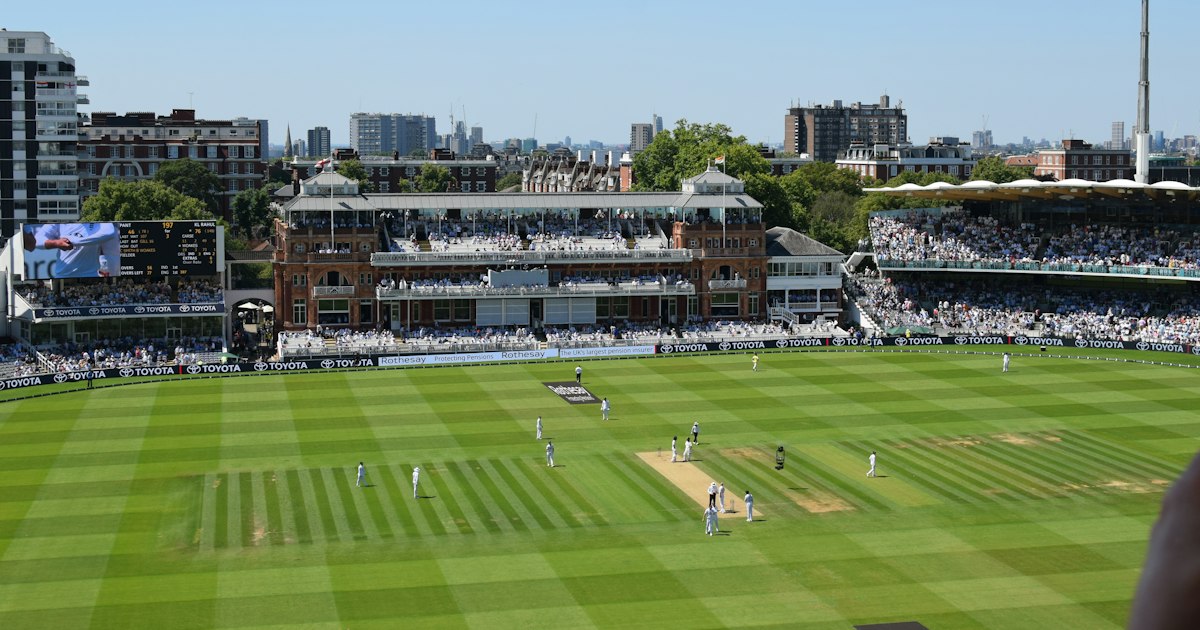
Photo by Srinivas Silwer on Unsplash
Cricket is not a mainstream sport in Japan, but it is a real, organized one — with a national team, a purpose-built international ground, and weekend leagues in Tokyo and Osaka kept alive largely by expat and international communities. If you’re a cricket-mad traveler wondering whether you can watch a match, hit a few balls in the nets, or even turn out as a guest player while you’re in the country, the answer is yes — you just need to know where to look, because none of this is set up for casual drop-ins the way, say, municipal tennis or badminton courts are.
Why Cricket in Japan Is a Real but Niche Scene
The Japan Cricket Association (JCA) is the sport’s governing body and has been an affiliate/associate member of the International Cricket Council since the early 2000s. The playing base is small — a few thousand registered players nationwide — and skews heavily toward residents from cricket-playing countries (the UK, India, Pakistan, Sri Lanka, Australia, New Zealand) plus a growing number of Japanese players and youth programs the JCA runs in schools. There is no national stadium circuit like you’d find for baseball or football, so finding cricket means going to specific grounds and specific clubs rather than stumbling onto a pitch in a city park.
Sano International Cricket Ground — Japan’s Only Purpose-Built Pitch
The center of Japanese cricket is the Sano International Cricket Ground in Sano City, Tochigi Prefecture, about 70–90 minutes north of central Tokyo. It’s the only ground in the country built to international match standards, with turf wickets and the space for a full oval, and it’s where the Japan national team hosts regional fixtures and East Asia-Pacific tournaments.
To get there, take the Tobu line from Asakusa or a connecting JR service toward Sano Station, then a short taxi ride (roughly ¥1,500–2,000) to the ground on the edge of the city. There’s no walk-up public access in the way a park has — the ground is used for scheduled matches, training, and JCA events, so check the JCA’s fixture list or social media before making the trip, and email ahead if you want to watch a national team game or training session. International fixtures, when they happen, are usually free to watch and low-key — bring your own seating and expect a small, friendly crowd rather than a stadium atmosphere.
Historic Foreign Clubs in Yokohama and Kobe
Japan’s two oldest cricket grounds aren’t in Tokyo at all — they belong to 19th-century foreign-community sports clubs that still operate today. The Yokohama Country & Athletic Club (YC&AC), founded in 1868 in the Yamate hillside district, is widely considered the oldest sports club in Japan and has long hosted cricket alongside rugby and other pursuits. The Kobe Regatta & Athletic Club (KR&AC), founded in 1870, plays a similar role in the Kansai region.
Both are private membership clubs, not public facilities, so you can’t simply walk in and ask for a pitch. The realistic routes in are: a personal introduction from a current member, a reciprocal arrangement if you belong to a sister club overseas, or contacting the club directly ahead of your trip to ask about guest access for a specific match day. This is a case where emailing a week or two in advance pays off far more than showing up and hoping — a mistake visitors from countries with more open club cultures tend to make.
Joining a League Match as a Visitor
The most realistic way for a traveling cricketer to actually play, rather than just watch, is through the weekend league structure the JCA oversees — the Kanto Cricket League around Tokyo and the Kansai Cricket Association around Osaka/Kobe. Club teams in both leagues are often short of numbers on any given Sunday and are generally welcoming to a competent visiting player who reaches out in advance, especially if you already play club cricket at home.
The practical steps: email the JCA (their website lists contact details and club listings) a few weeks before you travel, mention your playing level and the dates you’re in Japan, and ask to be connected with a club needing a guest player. Matches run as single-day, limited-overs league games, typically scheduled April through October. There’s usually no formal “day fee” for a guest turning out for a club side — the team absorbs you into their existing ground booking — but you should expect to chip in for match fees or post-match food/drinks the way any guest player would, generally in the ¥1,000–3,000 range depending on the club’s custom.
Best Season and Timing
Cricket in Japan runs April to October, bracketed by the same weather logic that shapes most outdoor sport here: avoid the June rainy season for reliability (matches get washed out or moved indoors to nets), and be aware that August can be brutally hot and humid even for players used to subcontinental summers — teams often shift start times earlier in the day. September brings typhoon risk, so fixtures in that window are the most likely to be rescheduled on short notice. May, late June, and October are generally the most dependable months for both playing and watching, with mild temperatures and lower cancellation risk.
Common Mistakes Visitors Make
- Assuming there’s public pitch access. Unlike this site’s guides to public tennis courts or badminton courts, there is no ward-run cricket facility you can book online by the hour. Every ground is tied to a club or the JCA.
- Not emailing ahead. Cricket’s small footprint in Japan means almost everything runs on personal contact and advance notice rather than walk-up booking systems.
- Underestimating travel time to Sano. Day-tripping from central Tokyo for a match is doable but takes real planning around train schedules — it’s not a quick suburban hop.
- Expecting summer to be ideal. Peak tourist season (July–August) is often the worst stretch for actually getting a game in, between heat and rain risk.
Budget, Mid-Range, and Splurge Ways to Get Involved
On a budget, simply watch a Kanto or Kansai league match as a spectator — these are free to watch and the easiest way to see the sport live, provided you’ve confirmed the fixture and location through the JCA first. Mid-range, arrange to join a club’s nets session or casual training — some clubs run these more informally than full league games, and a modest contribution toward ground costs (often a few thousand yen) is the norm. For a splurge-level experience, time your trip around a Japan national team fixture at Sano International Cricket Ground, which turns a day trip from Tokyo into a genuine international cricket outing, or pursue a guest-player introduction to YC&AC or KR&AC for a taste of Japan’s oldest sporting institutions. Whichever route you take, the common thread is the same as with Japan’s other visitor-friendly niche sports — from padel in Tokyo and Osaka to lap-swimming at ward pools: a little advance contact goes a long way further than showing up and hoping.