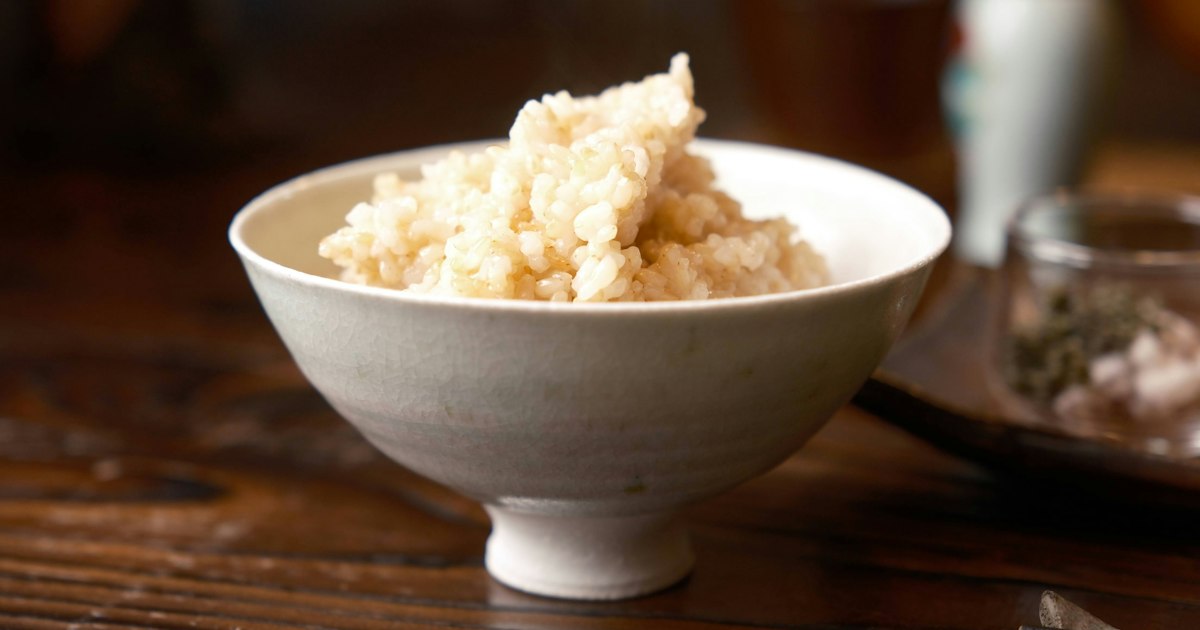
Photo by Seiya Maeda on Unsplash
If you’re in Japan during the first week of January and spot families stirring a pale, herb-flecked rice porridge at breakfast, you’ve found nanakusa-gayu (七草粥) — the seven-herb rice porridge eaten every year on January 7th. It’s one of the few Japanese food traditions tied to an exact date rather than a loose season, which makes it easy to miss and genuinely satisfying to catch on purpose.
What Nanakusa-gayu Is, and Why January 7th
Nanakusa-gayu is plain rice porridge (okayu) simmered with seven specific spring herbs and a pinch of salt. It’s eaten on Jinjitsu (人日), the “day of humans,” one of five seasonal turning points called the gosekku that were adopted from China during the Heian period (794–1185) and later folded into Japanese court and folk custom. The porridge serves two practical purposes at once: it’s believed to ward off illness and bring good health for the year ahead, and — just as importantly — it gives the stomach a break after a week of rich New Year’s osechi dishes, mochi, and sake. Think of it as Japan’s answer to “detox week,” except it’s a single bowl eaten on a single morning rather than a diet plan.
The Seven Herbs, Explained
The nanakusa are fixed by an old mnemonic poem, and they’re all mild, slightly bitter greens rather than anything exotic:
- Seri (water dropwort) — a peppery water plant
- Nazuna (shepherd’s purse)
- Gogyo (cudweed)
- Hakobera (chickweed)
- Hotokenoza (henbit)
- Suzuna — the leaves of a turnip
- Suzushiro — the leaves of a daikon radish
Two of them — suzuna and suzushiro — are just the leafy tops of vegetables you’ve already eaten in other forms, which is part of why the dish tastes gentler than its “wild herbs” description suggests. Don’t try to forage these yourself along a riverbank; several of the wild varieties have toxic lookalikes, and this is a case where buying the pre-identified set is the safe move, not a shortcut.
Where to Try It as a Visitor
Budget (¥150–400): Convenience stores and supermarket prepared-food sections (7-Eleven, Lawson, FamilyMart, Life, Aeon) sell refrigerated or retort-pouch nanakusa-gayu for a few days around January 5–7 each year. It’s not gourmet, but it’s the real dish and the easiest way to try it on short notice.
Mid-range (¥1,000–3,000): Ryokan and hotel breakfasts in early January sometimes add nanakusa-gayu as a seasonal course alongside the usual grilled fish and rice set — ask at check-in whether it’s on the morning menu that week, since it’s never a year-round item. Department store food halls (depachika) such as Isetan Shinjuku or Takashimaya in Tokyo and Osaka also sell cooked, ready-to-eat portions around the same dates.
Splurge (¥10,000+): Kyoto kaiseki restaurants and traditional ryotei occasionally build a January 7th course meal around nanakusa-gayu as the rice course, serving it in lacquerware with seasonal accompaniments. Some Kyoto shrines, including Shimogamo Shrine, have historically held a nanakusa-themed New Year ritual where porridge is offered to visitors — worth checking local shrine notice boards or their website in late December, since timing and whether it’s open to the general public can vary by year.
Where to Buy the Herb Sets and Make It Yourself
From roughly December 28th through January 6th, supermarkets nationwide stock a small plastic tray of all seven herbs pre-washed and labeled, usually priced ¥300–500. Because fresh wild greens are scarce in January, most of what you’ll find is hothouse-grown. If you have access to a kitchen — a rental apartment, guesthouse, or ryokan with a shared kitchen — simmering rice with dashi or water for about 40 minutes, stirring in the chopped herb set near the end, and seasoning with salt is the whole recipe. It’s a nice low-effort way to cook something unmistakably seasonal during a Japan trip without needing specialty equipment.
Best Time to Catch It
The window is narrow by design. Herb sets and restaurant menus appear only in the days immediately before and on January 7th; by January 8th, nearly everything related to nanakusa-gayu disappears from shelves and menus until the following year. If seeing or eating this specific dish matters to your trip, build it into an itinerary that has you in a city — not a rural area with fewer supermarkets — on January 5th, 6th, or 7th.
Common Mistakes Visitors Make
- Confusing it with ordinary okayu. Plain rice porridge is served year-round at hotel breakfasts and when someone is sick; nanakusa-gayu specifically contains the seven herbs and is only correct on or near January 7th. If a hotel offers “rice porridge” in July, it isn’t this dish.
- Expecting restaurants to have it on demand. Because it’s a once-a-year specialty, calling ahead to confirm a restaurant is serving it that week will save a wasted trip.
- Assuming it’s bland filler food. It’s deliberately mild, but the herbs carry real, slightly bitter-peppery flavor — it’s not the same as unseasoned congee.
- Missing it because of New Year’s travel fatigue. Early January is also when many visitors are winding down from Tokyo/Kyoto sightseeing and heading home; if you’re flying out before January 7th, you may need to seek it out at a convenience store on the 5th or 6th instead.
Pairing It With Other Early-January Culture
Nanakusa-gayu sits inside a broader stretch of Japan’s winter calendar that’s easy to build a short trip around. If you’re already tracking Japan’s seasonal and cultural calendar for trip planning, it’s worth comparing notes with Bunka no Hi, Japan’s Culture Day, another date-specific cultural observance that comes with concrete, bookable perks for travelers. For visitors heading to Hokkaido in the same window, early January overlaps with the lead-up to Daisetsuzan National Park’s Sounkyo Icefall Festival, and winter-sport travelers passing through Nagano might also look at Karuizawa’s curling scene as another cold-season activity that only runs for a few winter months.
None of these require rearranging a whole itinerary — nanakusa-gayu in particular takes five minutes and a few hundred yen to experience. But it’s the kind of small, precisely-timed tradition that rewards travelers who plan around the calendar rather than just the map.