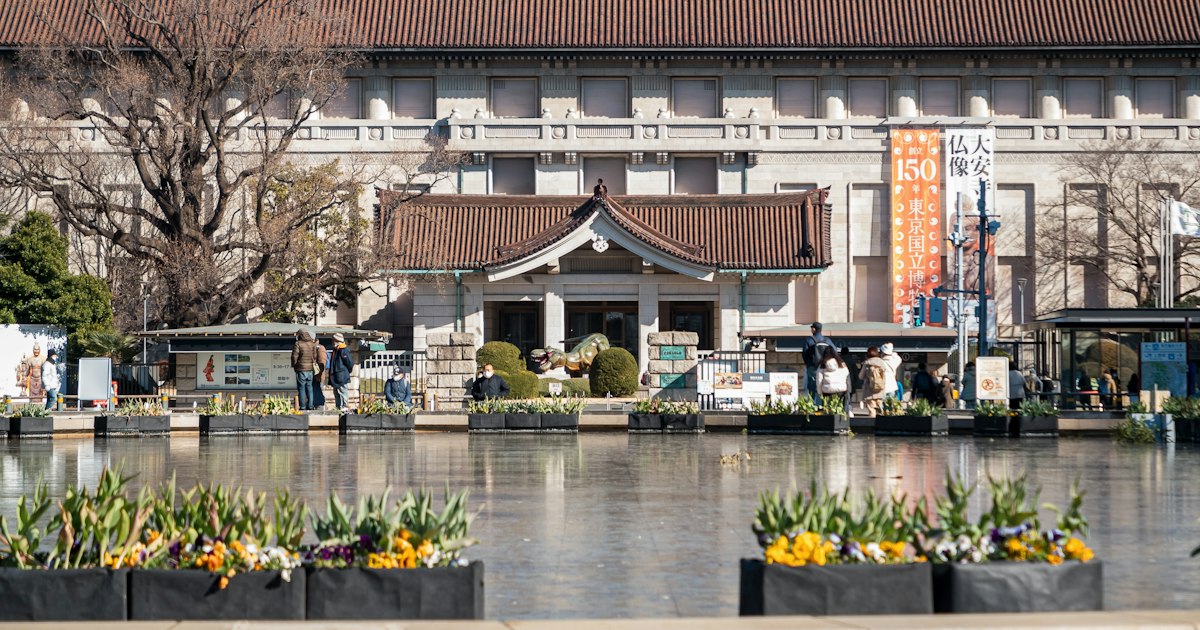
Photo by Luke Galloway on Unsplash
Once a year, some of Japan’s best museums quietly drop their admission fees for the day. It’s called Bunka no Hi — Culture Day — and it falls on November 3 every year without exception. If your trip happens to land on that date, you can walk into institutions that normally charge several hundred to a thousand yen and see their permanent collections for free. Here’s what the holiday actually is, which museums participate, and how to use the day without getting caught out by the fine print.
What Bunka no Hi Actually Is
Culture Day was established in 1948 to commemorate the promulgation of Japan’s postwar Constitution on November 3, 1946. It’s a national holiday, which means banks, government offices, and most schools are closed, but shops, restaurants, and transit run as usual. Unlike holidays tied to a weekday formula (like Coming of Age Day), Bunka no Hi is fixed to the calendar date, so it lands on a different day of the week each year. If November 3 happens to fall on a weekend, Japan adds a substitute holiday (furikae kyujitsu) the following Monday — but that substitute day is just a day off work; the free museum admissions are generally tied to the actual date of November 3, not the observed holiday, so don’t assume the Monday after gets you the same deal.
The day also includes a formal ceremony where the Emperor presents the Order of Culture (Bunka Kunsho) to scientists, artists, and scholars at the Imperial Palace. That event isn’t open to the public, but it’s the reason the museum fee waivers exist in the first place — the whole day is built around celebrating culture, science, and the arts, so cultural institutions are encouraged to make themselves more accessible.
Which Museums Actually Waive Admission
This is the part visitors get wrong most often: it’s not every museum in Japan, and it’s usually only the permanent collection, not special or touring exhibitions. The museums with the most reliable track record of free entry on November 3 are the ones run by Japan’s National Institutes for Cultural Heritage and the National Museum of Nature and Science group, including:
- Tokyo National Museum (Ueno) — normally ¥1,000 for the general exhibition; free on Culture Day. Open 9:30–17:00, closed most Mondays.
- National Museum of Western Art (Ueno) — normally ¥500 for the permanent collection; free on Culture Day.
- National Museum of Nature and Science (Ueno) — normally ¥630; free on Culture Day.
- Kyoto National Museum and Nara National Museum — both typically waive their regular collection fees.
- Kyushu National Museum (near Dazaifu) — same pattern, permanent collection free.
Many municipal and prefectural museums, zoos, aquariums, and botanical gardens also offer free or discounted admission that week, but this varies by city and isn’t guaranteed — some run their free day on a different date in the surrounding “Culture Week,” not November 3 itself. Always check the specific venue’s official website a few days ahead, since policies can shift year to year and some places skip it entirely if they’re mid-renovation or hosting a ticketed special exhibition that blocks general access.
Common Mistakes to Avoid
The biggest trap is assuming free admission covers everything. If the museum is running a blockbuster special exhibition — the kind requiring a separate timed ticket — that ticket almost always still costs full price even on Culture Day; only the standing collection is free. Second, don’t assume a museum that’s normally closed on Tuesdays or Mondays will open specially for the holiday — check the calendar on the museum’s own site rather than guessing. Third, free admission means bigger crowds: Ueno Park’s museum cluster can feel like a festival on November 3, with families and school groups taking advantage of the same deal you are. If you want to see the galleries without shoulder-to-shoulder crowds, arrive right at opening time, or flip your plan and visit the free museums on November 2 or 4 instead, when you’ll pay normal admission but get a much calmer room.
Timing It With Autumn Travel
November 3 sits right in the middle of Japan’s autumn foliage season in most of the country, which makes Culture Day a useful anchor for a broader trip rather than a single-day event. Tokyo’s Ueno Park, where several of the free museums cluster, is pleasant for walking between them on a crisp autumn day. If you’re traveling outside Tokyo, this is also a good window to pair a museum visit with a garden stop — Shikoku’s Ritsurin Garden in Takamatsu is at its best in early-to-mid November, and its own museum-adjacent teahouses make for a natural half-day combination if your Culture Day plans take you that far from Tokyo.
Beyond Museums: Other Ways Culture Day Shows Up
Outside the museum discounts, Bunka no Hi often coincides with local cultural festivals, tea ceremony demonstrations, and calligraphy or ikebana displays at community centers and shrines — some cities schedule their “bunkasai” cultural festivals specifically around this date. If you want a souvenir that ties into the day’s theme rather than just a free ticket stub, this is also a good time to look into a custom-tailored kimono — many ateliers see a small bump in bookings around Culture Day events, and ordering early in your trip gives the shop time to finish the fitting before you fly home. If a tea ceremony demonstration is part of the local festivities you stumble into, you may also be served sakurayu, the salt-pickled cherry blossom tea traditionally poured at celebratory occasions — it’s a small, memorable detail if you know to expect it rather than mistake the floating blossom for garnish.
Getting There and Budget Notes
Ueno Station (JR Yamanote Line, or Tokyo Metro Ginza/Hibiya Lines) puts you within a 10-minute walk of all three national museums listed above, so a single train ticket covers your whole museum-hopping day. If your plans extend to regional museums — say, combining Kyushu National Museum with a countryside stop — a rental car can be worth it for flexibility, though it’s worth understanding how Japan’s NOC insurance excess waiver works before you sign the rental agreement, since a fender-bender on an unfamiliar rural road is the last thing you want eating into your trip budget.
On cost alone, Culture Day is a legitimate budget win: skipping the ¥1,000 Tokyo National Museum fee and the ¥630 science museum fee for a family of four adds up to real savings, especially stacked across a full day of Ueno Park museum-hopping. Just build in extra time for queues, confirm each venue’s actual Culture Day policy before you go, and treat the free admission as a bonus layered onto a trip you’d take anyway — not the sole reason to rearrange your itinerary around one date.