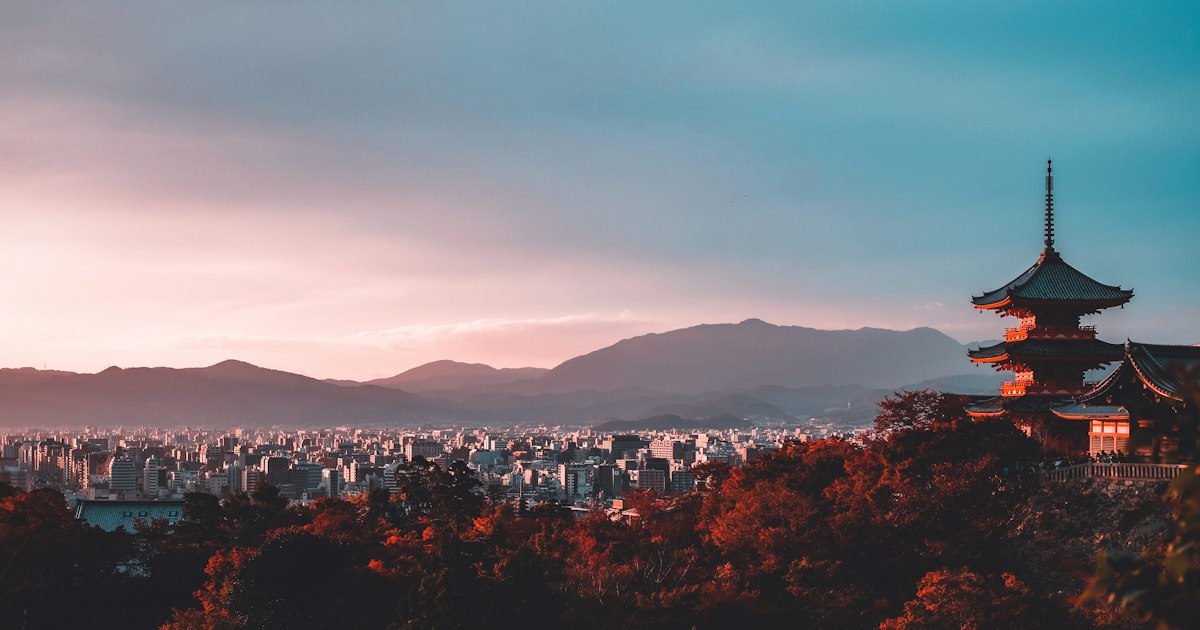
Photo by Su San Lee on Unsplash
Ask Tokyoites where they’d most like to live and Kichijoji comes up almost every time. This leafy, walkable neighborhood in western Tokyo has topped SUUMO’s annual “most desirable place to live” ranking for years running, and it’s easy to see why once you’re standing at the edge of Inokashira Park with a coffee in hand. For visitors, Kichijoji offers something the Shibuya-Shinjuku-Ginza circuit doesn’t: a genuine residential feel, a big green park, one of Japan’s most-loved small museums, and a shopping scene built around independent boutiques rather than flagship stores. It’s an easy half-day or full-day trip from central Tokyo, and it rewards slow wandering more than a checklist.
Getting to Kichijoji
Kichijoji Station is served by two lines, which makes it convenient from almost anywhere in the city. The JR Chuo Line rapid train from Shinjuku takes about 14 minutes (around ¥230). From Shibuya, hop on the Keio Inokashira Line — a semi-express (kyuko) train gets you there in roughly 16–17 minutes for about ¥200–250. There’s no need to reserve seats or use a limited express; these are regular commuter trains, so expect standing room during weekday rush hours (7:30–9:00am and 5:30–7:30pm).
The station itself has a maze of exits, but signs for “Park Exit” (Koen-guchi) will point you toward Inokashira Park, while the “North Exit” (Kita-guchi) leads to Sun Road and Harmonica Yokocho. If you’re arriving with luggage before continuing elsewhere in Tokyo, the station and nearby Yodobashi Camera building both have coin lockers — for sizing and pricing before you go, see this guide to coin lockers in Japan.
Inokashira Park: Boating, a Jealous Goddess, and Cherry Blossoms
Inokashira Park (Inokashira Onshi Koen) is a five-minute walk south of the station and centers on a long, willow-lined pond. Rowboats and swan-shaped pedal boats are available for rent from a dock near the pond’s north side, typically for around ¥700–800 per 30 minutes; the rental booth generally operates from 9:30am until dusk, though hours shift seasonally, so check the signage on arrival. There’s a local legend attached to the boats worth knowing: Benzaiten, the goddess enshrined at the small shrine on the pond’s island, is said to grow jealous of couples who ride together, supposedly cursing them to break up. Most Tokyoites treat it as a fun superstition rather than a real deterrent, but you’ll hear it mentioned often.
The park also has a modest zoo and aquarium section (adult admission around ¥400), wooded walking paths, and a wide grassy square that fills with picnickers on weekends. If you want to eat park-side, pick up onigiri from a convenience store or supermarket on your way in rather than searching for food once you’re inside — our guide to onigiri covers what to look for and how to read the fillings. Cherry blossoms typically peak in late March to early April, when the pond becomes one of Tokyo’s best hanami spots and gets genuinely crowded; November brings a quieter but equally striking wash of autumn color.
The Ghibli Museum
At the park’s southwestern edge (technically just over the border in Mitaka) sits the Ghibli Museum, designed by Hayao Miyazaki himself. It’s small, whimsical, and deliberately light on English signage — the idea is to explore and discover rather than read placards. Adult tickets cost around ¥1,000, but the catch is that tickets are not sold at the door. They go on sale on the 10th of each month for entry dates in the following month, through the Lawson Ticket system (either online or at a Loppi machine in any Lawson convenience store), and popular entry slots — especially weekends — often sell out within hours. If a visit here matters to you, build your Tokyo dates around ticket availability rather than the other way around. The museum is closed on Tuesdays and has fixed timed-entry slots (10am, 12pm, 2pm, and 4pm), so arrive on time. Photography is not allowed inside, which is part of what keeps the experience feeling intimate.
Harmonica Yokocho: Retro Alleys for Eating and Drinking
Just north of the station, Harmonica Yokocho is a tight grid of alleyways lined with tiny bars, yakitori counters, and standing-room izakaya, many seating only six to ten people. The name comes from the narrow, tightly packed stalls resembling harmonica reeds — it dates back to a black-market area that sprang up after World War II and never lost its scrappy charm. This is a good place for an early dinner or a post-park drink; most spots open around 5pm, though a handful of coffee and food stalls run in the daytime too. Expect cash-only counters in many of the smaller bars, and don’t expect English menus — pointing at what your neighbor is eating works fine. It’s atmospheric rather than polished, which is exactly the appeal.
Shopping in Kichijoji
Kichijoji’s shopping strength is its density of independent shops rather than any single mega-mall. Sun Road, the covered arcade running from the station’s north exit, mixes bakeries, drugstores, and casual fashion and is the easiest starting point. Just beyond it, Nakamichi-dori and the surrounding backstreets are where Kichijoji earns its reputation among Tokyo locals: secondhand clothing stores, small press bookshops, and zakka (lifestyle goods) boutiques selling ceramics, stationery, and homeware from independent Japanese makers. If you’re building a collection of everyday Japanese housewares to bring home, keep an eye out for noren doorway curtains or simple lacquer and wood pieces in these shops — browsing here is a nice complement to more specialized craft-town shopping.
For groceries or self-catering, Kichijoji has several supermarkets within a few minutes of the station, including budget chains that are popular with residents rather than tourists — a good chance to shop the way locals actually do; see our guide to Gyomu Super and local supermarkets for what to expect and how to navigate one. On the department-store end, Kirarina Kichijoji sits directly above the station’s south side, and a Yodobashi Camera electronics store is a short walk away if you need chargers, SIM cards, or last-minute electronics.
Best Time to Visit and Common Mistakes
Weekday mornings and early afternoons are the calmest time to explore — Kichijoji is a residential neighborhood first, so it doesn’t have the 24-hour buzz of Shinjuku, and many smaller shops open around 11am rather than earlier. Weekends, especially with good weather, bring heavy crowds to both the park and Sun Road. The most common mistake visitors make is treating Kichijoji as a quick stopover on the way to the Ghibli Museum without checking ticket availability first — by the time many travelers think to book, their preferred dates are gone. Book Ghibli tickets as early as the sale window allows, and treat the park, alleys, and shopping streets as worth a dedicated half-day even without a museum slot. The second common mistake is rushing straight from the station to the park without wandering Harmonica Yokocho or the backstreets around Nakamichi-dori — that unplanned wandering is where Kichijoji’s actual character lives.