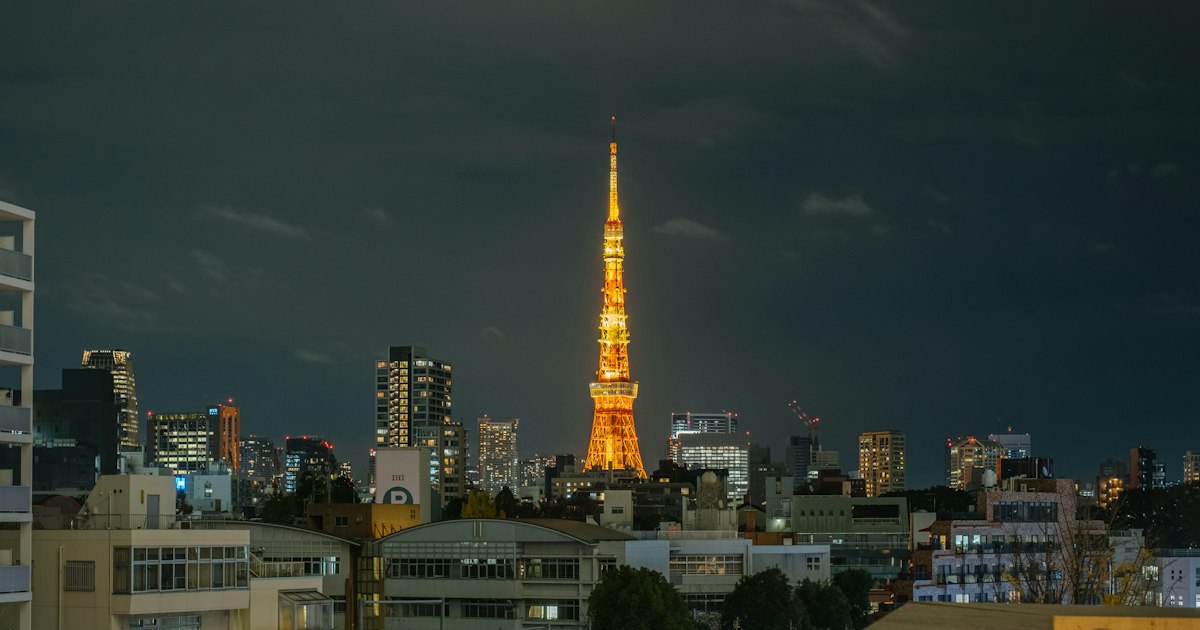
Photo by bady abbas on Unsplash
Roppongi has two reputations, and both are true at once. By day, it’s home to one of Tokyo’s most concentrated clusters of serious art museums — three major institutions within a 15-minute walk of each other. By night, it turns into the city’s most famous (and most notorious) nightlife district, full of bars, clubs, and a long-running tout scene that catches out visitors who don’t know the warning signs. Here’s how to do both halves properly.
Getting to Roppongi and Getting Oriented
Roppongi Station is served by the Toei Oedo Line and the Hibiya Line, and the exits connect directly to Roppongi Hills via underground passage — useful on a rainy day or in midsummer heat. If you’re heading straight to Tokyo Midtown or the National Art Center, Roppongi-itchome Station on the Namboku Line is actually closer. The three museums form a loose triangle often marketed locally as the “Roppongi Art Triangle”: Mori Art Museum inside Roppongi Hills, Suntory Museum of Art inside Tokyo Midtown (about a 10–12 minute walk from Roppongi Hills), and the National Art Center a further 5-minute walk from Midtown. You can comfortably visit all three in one day if you start early and pace yourself, though each deserves at least 60–90 minutes.
Mori Art Museum: Views and Contemporary Art, Open Late
Mori Art Museum occupies the 53rd floor of Mori Tower in Roppongi Hills and focuses on contemporary art — large-scale, often immersive exhibitions rather than a historical permanent collection. It’s one of the few major Tokyo museums open until 22:00 (last entry 21:30) every day except Tuesday, when it closes early at 17:00. That late closing time makes it an easy add-on to an evening out: come for the exhibition, then ride up to the 52nd-floor Tokyo City View observation deck for a night panorama over the city, including Tokyo Tower. Admission to the museum alone runs roughly ¥2,000, with combined museum-plus-observation-deck tickets around ¥2,200; exact pricing shifts slightly with each new exhibition, so check the current show before you go.
Suntory Museum of Art: Japanese Craft and Design
Suntory Museum of Art, on the third floor of the Galleria at Tokyo Midtown, is the counterpoint to Mori’s contemporary focus — it specializes in Japanese and Asian decorative arts: ceramics, lacquerware, textiles, glass, and ukiyo-e, drawn from its own holdings and rotated through themed exhibitions rather than displayed as one fixed collection. It’s closed on Tuesdays. Regular hours are 10:00–18:00, extended to 20:00 on Fridays and Saturdays, with last admission 30 minutes before close. Adult tickets typically run ¥1,300–1,600 depending on the exhibition. The space itself is small and calm compared to Mori’s crowds, which makes it a good stop if you want a quieter, more traditional counterpart to the rest of the day.
The National Art Center, Tokyo
The National Art Center (NACT) is unusual among major museums: it owns no permanent collection at all. Instead, the building — a striking undulating glass facade designed by Kisho Kurokawa — functions purely as exhibition space, hosting everything from major touring retrospectives to large juried shows by Japanese art associations. Entry to the building and lobby is free; each exhibition inside has its own separate ticket, generally in the ¥1,500–2,200 range. It’s closed Tuesdays, with hours matching Suntory’s: 10:00–18:00, until 20:00 on Fridays and Saturdays. Because the lineup changes completely and often, it’s worth checking what’s actually on before you commit — you might find a blockbuster Western museum loan or a niche group show, and the two experiences are very different.
Timing, Tickets, and Avoiding Crowds
If your schedule allows only one evening visit, make it Mori Art Museum, since it’s the one still open after dinner. For Suntory and NACT, aim for a Friday or Saturday and go after 17:00, when day-trip crowds thin out but the extended hours are still in effect. All three museums are step-free with elevator access throughout, which matters if you’re planning a full day on your feet — if you’re traveling with a mobility aid, it’s worth arranging rental gear in advance; see our guide on renting a wheelchair or mobility scooter in Japan for providers and pricing. A common mistake is assuming the three museums share a combination ticket — as of now they don’t operate a unified discount pass, so budget for each entry separately, and check each museum’s own website the morning of your visit since exhibition-based pricing changes with every rotation.
Roppongi After Dark: What’s Genuinely Worth It
Once the museums close, Roppongi shifts into its other identity. The area around Roppongi Crossing and the streets toward Gaien-Higashi-dori hold a dense mix of izakaya, cocktail bars, hostess clubs, and international nightclubs, drawing a mixed crowd of tourists, expats, and nightlife regulars. For a good cocktail without the chaos, Roppongi has several serious bars doing craft spirits properly — if you want to try Japanese gin while you’re out, our Japanese craft gin guide covers labels like Ki No Bi and Roku that regularly show up on Roppongi bar menus. If you need a late-night supply run — chargers, souvenirs, snacks — the 24-hour Don Quijote near the crossing stays open through the night; for bigger purchases like a new suitcase to haul everything home, see our guide to buying a suitcase in Japan, which covers Don Quijote pricing alongside dedicated luggage shops.
Common Mistake: Touts and Overcharging Bars
This is the single most important practical warning for Roppongi nightlife. Street touts — often polite, English-speaking, sometimes claiming to represent a “great bar” with cheap all-you-can-drink deals — are a long-running problem in this specific district, less common in most other parts of Tokyo. Following one can lead to a bar that charges wildly inflated bills, sometimes tens of thousands of yen for a round of drinks, with pressure tactics used if you try to leave without paying. The safest approach is simple: don’t engage with touts at all, choose bars and clubs you found yourself (signage, a door with a visible menu, or a recommendation), and confirm prices before ordering anything in an unfamiliar place. Stick to that one rule and Roppongi’s nightlife is genuinely fun and safe — it’s the touted venues specifically that cause almost all the bad experiences visitors report.