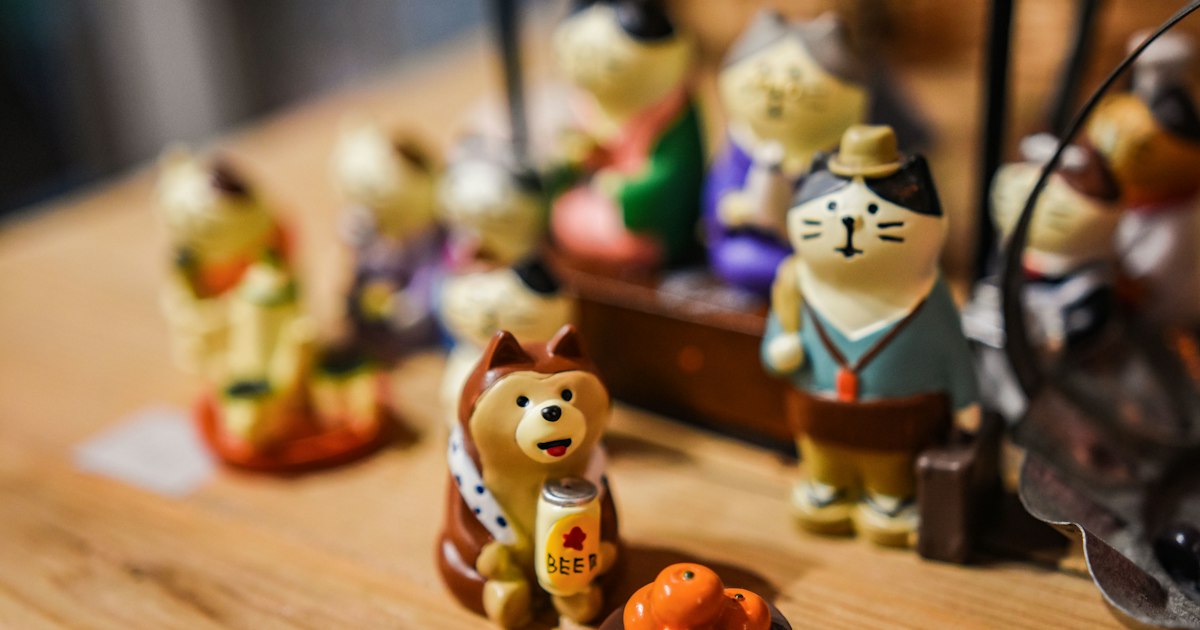
Photo by Yunfan Li on Unsplash
In the hills of Shiga Prefecture, about 90 minutes from Kyoto, sits a small town where thousands of pot-bellied raccoon dogs stand guard outside shops, train stations, and restaurants. Shigaraki (信楽) is one of Japan’s “Six Ancient Kilns,” a pottery tradition stretching back over 1,200 years, and today it’s best known internationally for the grinning tanuki statues that have become an unofficial mascot of Japanese folk luck. If you want ceramics with real history behind them — not just a souvenir shelf at the airport — Shigaraki is worth the day trip.
What Is Shigaraki Ware?
Shigaraki-yaki is unglazed or lightly glazed stoneware fired at high heat, prized for its rough, earthy texture and the natural ash-glaze effects (called bidoro, glassy green-blue streaks) that form when wood-ash melts onto the clay during firing. The local clay is coarse and full of tiny feldspar particles that burn out in the kiln, leaving a pitted, warm surface unlike the smoother porcelain you’ll find in places like Arita or Kutani. Historically the town produced everyday items — tea bowls, water jars, roof tiles — but from the 1950s onward it became famous almost exclusively for one product: tanuki statues.
Why Tanuki? Japan’s Luckiest Raccoon Dog
The tanuki boom traces back to 1951, when Emperor Showa visited Shigaraki and was greeted by rows of ceramic tanuki waving little Japanese flags. Photos of the visit ran nationwide, and the tanuki became inseparable from the town’s identity. Traditional Shigaraki tanuki carry eight symbolic items representing good fortune: a big hat (protection from bad weather), wide eyes (alertness), a sake bottle (virtue), a large belly (calm decisiveness), a promissory note or ledger (trustworthiness in business), a bushy tail (steadiness), and an ever-present smile (amiability). Shopkeepers across Japan display them by their entrance for exactly this reason — a tanuki is meant to bring in customers and good luck.
Getting to Shigaraki
From Kyoto Station, take the JR Biwako Line toward Maibara/Kusatsu and change if needed to reach Kibukawa Station (貴生川駅), roughly 60–70 minutes including the transfer. From Kibukawa, switch to the Shigaraki Kogen Railway (信楽高原鐵道), a single-track local line that winds through forest for about 25 minutes to Shigaraki Station — the fare is around ¥490 one way. Total travel time from Kyoto is about 90 minutes to two hours depending on connections; from Osaka, add another 30–40 minutes. There’s no need for a car, though driving from Kyoto takes about 75 minutes via the Shin-Meishin Expressway if you want more flexibility to visit multiple kiln sites. The moment you step outside Shigaraki Station, you’ll see dozens of tanuki statues lined up on the platform and forecourt — it’s the single most photographed spot in town and free to visit any time.
If you’re coming straight from Kyoto sightseeing and have bags with you, it’s worth stashing them before the trip out — see this guide to coin lockers in Japan for sizes and prices at major stations.
Where to Buy: Shops, Kilns, and the Ceramic Park
The main shopping stretch runs along Nagano-dori (長野通り), a 15–20 minute walk uphill from Shigaraki Station, lined with dozens of independent kilns and retail shops selling everything from ¥300 chopstick rests to museum-grade tea ware. Most shops open around 9:00 or 9:30am and close by 17:00 or 17:30, and a fair number close on Wednesdays or Thursdays, so it’s worth checking ahead if you have a specific shop in mind. Two useful stops:
- Shigaraki Ceramic Cultural Park (信楽陶芸の森) — a hillside complex with a ceramics museum, gallery space, and outdoor sculpture park, a short taxi or bus ride from the station. Museum admission is modest, typically in the ¥500–800 range depending on the exhibition, and the park grounds themselves are free to walk.
- Shigaraki Traditional Industry Hall (信楽伝統産業会館) — a good first stop for an overview of techniques and historical pieces before you start shopping, with a small attached sales corner.
Many working potters also sell directly from their own kiln showrooms, which is where you’ll find one-of-a-kind pieces rather than mass-produced tanuki. If you like hunting through craft towns for something with a maker’s story attached, this is similar territory to browsing the stalls at the Toji Temple flea market in Kyoto, just with everything made on-site rather than secondhand.
Best Time to Visit
Shigaraki holds its biggest event, the Shigaraki Ceramic Festival (信楽陶器まつり), twice a year — during Golden Week in early May and again in mid-October — when the main street fills with stalls selling seconds and studio overstock at discounted prices, often 20–40% below regular shop prices. Outside festival weekends, autumn (October–November) is the most pleasant season for walking the hilly shopping street, with cooler temperatures and good light for photos among the outdoor tanuki. Summer is workable but humid; winter is quiet and cold but shops stay open, and you’ll often have the street largely to yourself.
Budget, Mid-Range, and Splurge Buys
Shigaraki’s price range is enormous, which is part of the fun:
- Budget (¥500–3,000): Palm-size tanuki figurines, chopstick rests, small sake cups, and unglazed incense holders. These pack easily and make good gifts.
- Mid-range (¥5,000–30,000): Hand-thrown tea bowls (chawan), flower vases, and 20–40cm tanuki statues from named kilns. This is where you start seeing genuine bidoro ash-glaze effects rather than uniform factory glaze.
- Splurge (¥50,000 and up): Large garden tanuki (life-size statues can run ¥150,000–300,000+ and weigh well over 20kg), and signed pieces from established studio potters, some of which are collector items sold with certificates.
If you’re already thinking about how ceramics fit into the rest of your Japan souvenir shopping, it’s worth browsing other regional crafts for comparison — Shigaraki’s tanuki occupy a similar “lucky charm” niche to Daruma dolls or the folk-art appeal of Tohoku’s kokeshi dolls, so it’s easy to build a themed collection across regions.
Common Mistakes to Avoid
Shigaraki is a small town, and a few planning slips can waste half your day:
- Underestimating the train connection. The Shigaraki Kogen Railway runs infrequently — often just one or two trains per hour — so check the timetable before you leave Kibukawa, not after you’ve missed one.
- Not budgeting for shipping. Large or heavy tanuki won’t fit in a suitcase. Most established shops can arrange domestic or international shipping (kokusai takuhaibin), but ask before you buy — fees for a large statue can run several thousand yen or more.
- Assuming every shop takes cards. Many small studio shops in Shigaraki are cash-only or have a minimum for card payments, so carry enough yen.
- Treating it as a quick photo stop. The tanuki outside the station are free and fun, but the real value of Shigaraki is up on Nagano-dori and at the Ceramic Cultural Park — allow at least three to four hours to see both properly.
Shigaraki rewards a slow visit: wander the kiln-lined streets, watch for the glassy green streaks that mark a well-fired piece, and pick something that will actually mean something back home — not just another tanuki keychain, though there’s nothing wrong with one of those too.