Photo by Craft Kitties on Unsplash
Walk past a lacquered jewelry box or a kimono chest in an old Tokyo craft shop and you might not notice anything unusual — until someone points out that there isn’t a single nail, screw, or visible joint anywhere on it. That’s Edo Sashimono, a centuries-old Tokyo woodworking tradition where entire pieces of furniture are held together purely by interlocking wood joints. It’s one of the more overlooked souvenirs in a city full of them, and unlike a lot of “traditional craft” merchandise aimed at tourists, it’s still made by a shrinking number of working artisans within the city limits. Here’s what it is, what it costs, and where you can actually go to buy it.
What Is Edo Sashimono, Exactly?
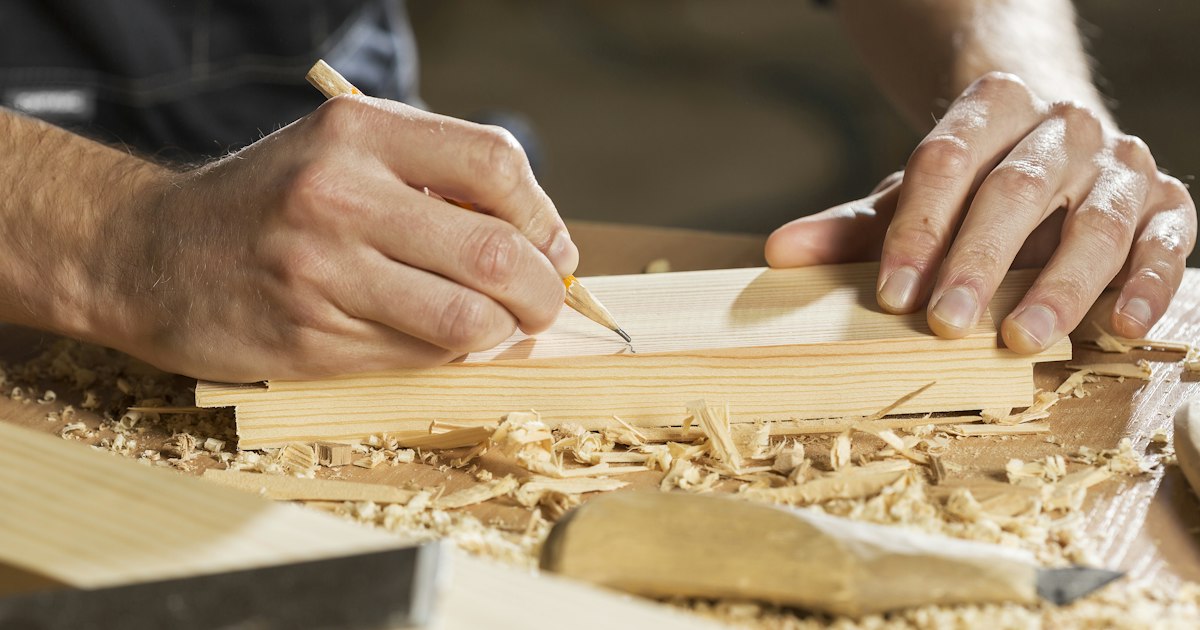
Sashimono (指物) refers to furniture and boxes built using joinery alone — no nails, no screws, and ideally no visible glue lines either. Craftsmen cut interlocking joints like hako-tsugi (box joints) and hozo (mortise-and-tenon) so precisely that drawers seal almost airtight: push one drawer into a chest and the air pressure gently pushes a neighboring drawer back out. That trick is a genuine test of quality in a real sashimono tansu (chest of drawers), and shop staff will often demonstrate it if you ask.
Three woods dominate the craft. Paulownia (kiri) is lightweight and naturally regulates humidity, which is why it’s the traditional choice for kimono chests and document boxes — it swells slightly in humid weather to seal out moisture and insects. Zelkova (keyaki) is dense and strongly grained, used for tables, desks, and tea ceremony furniture where visible wood grain is the whole point. Mulberry (kuwa), especially “island mulberry” from the Izu Islands, is prized for small, fine items like tea caddies and sewing boxes because of its tight, glossy grain.
A Craft Born in the Shogun’s City
Edo Sashimono developed during the Edo period (1603–1868) to furnish two very different clienteles: samurai households, who needed furniture for storing armor, documents, and ceremonial tea utensils, and the city’s increasingly wealthy merchant class. Sumptuary laws of the time restricted merchants from displaying obvious wealth, so status got expressed in subtler ways — the precision of a joint, the rarity of the wood, the plainness of the exterior hiding extraordinary craftsmanship. That restraint is still the visual signature of the craft: clean, unornamented surfaces that reward close inspection rather than showing off from across the room. Edo Sashimono was formally designated a traditional craft by Japan’s trade ministry in 1997, and most working artisans today are concentrated in Taito and Sumida wards — the same low-lying, canal-threaded neighborhoods (Asakusa, Negishi, Ryogoku) where carpenters, cabinetmakers, and other trade guilds historically clustered.
Where to Buy It in Tokyo: Budget to Splurge
Prices vary enormously depending on size, wood, and whether a piece is handmade by a certified craftsman or factory-produced with “sashimono-style” joinery.
- Budget (¥2,000–¥8,000): Small trays, coasters, letter racks, chopstick boxes, and simple coin cases. These make easy, suitcase-friendly souvenirs and are the best entry point if you just want to own a genuine piece without a big outlay.
- Mid-range (¥15,000–¥60,000): Jewelry boxes, tea caddies (chaki), sewing boxes (hari-bako), and small accessory chests. This is where the craftsmanship really becomes visible — joint lines, drawer fit, and wood selection noticeably improve.
- Splurge (¥150,000–¥1,000,000+): Full-size kimono chests (tansu), tea ceremony cabinets, and made-to-order furniture. Custom pieces are often built to order and can take several months; shops will usually arrange international shipping for an additional fee, but confirm this before committing to a purchase.
Japan Traditional Crafts Aoyama Square — Your Easiest Stop
For visitors without time to track down individual workshops, Japan Traditional Crafts Aoyama Square is the simplest place to see and buy authenticated regional crafts, including Edo Sashimono, under one roof. It’s a showroom run in partnership with regional craft associations across Japan, so pieces come with proper provenance rather than being generic imports. It’s a short walk — about three minutes — from Aoyama-itchome Station (served by the Ginza, Marunouchi, and Hanzomon subway lines), near the Akasaka/Aoyama border. The shop is typically open daily from 11:00 to 19:00, with closures around the New Year holiday, so it’s worth double-checking current hours before a special trip. Staff can point you toward whichever sashimono pieces are in stock that day, since inventory rotates with featured craftsmen and regions.
The Oedo Antique Market, for Vintage Pieces
If you’d rather hunt for an older, already-weathered piece rather than something newly made, check the Oedo Antique Market, held on the plaza outside the Tokyo International Forum near Yurakucho Station, typically on the first and third Sunday of each month, roughly from morning until mid-afternoon. Vintage sashimono tansu and smaller boxes turn up here alongside other antiques and curios. Condition varies a lot stall to stall, there are no returns, and cash is the safer bet — card readers aren’t universal at outdoor stalls. Treat it as a treasure hunt rather than a guaranteed source, but it’s a good way to find pieces with real age and patina at prices below what a brand-new custom tansu would cost.
Best Time to Visit and Common Mistakes
Autumn and winter are the more forgiving seasons to shop for wood furniture, since Tokyo’s humid summers can make paulownia and other woods swell slightly — not a problem for the piece itself, but something to be aware of if you’re buying a chest and expecting drawers to slide perfectly on the day of purchase. Many small artisan workshops close around the mid-August Obon holiday and the New Year period (roughly December 29 to January 3), so plan around those windows if you’re hoping to visit a workshop directly rather than a retail showroom.
The most common mistake is assuming anything labeled “sashimono” in a souvenir shop is handmade joinery — cheaper factory versions exist with glued or doweled joints that only mimic the look. Genuine certified pieces usually carry a craft association label with a registered craftsman number; ask to see it if the price seems high enough to warrant a real piece. The second common mistake is expecting to haggle — fixed pricing is standard at both specialty shops and showrooms like Aoyama Square, even if it isn’t at the antique market. Finally, remember that paulownia furniture does best away from direct sun and overly dry, heated rooms, so factor that into where you’ll actually display it once you get it home.
Paying and Shipping Your Purchase Home
Smaller artisan workshops and antique stalls are more likely to be cash-preferred or have card minimums, so carry yen for anything you expect to buy on the spot — if you’ve had a card unexpectedly rejected elsewhere in Japan, this guide to why foreign cards get declined in Japan is worth a read before a big purchase. For anything small enough to pack yourself, the same compression cubes and organizers useful for a Japan trip generally can protect a lacquered box or tray in transit — see this carry-on shopping guide for where to find them. And if you fall for the craft after you’ve already left Japan, some sashimono workshops and regional craft associations do accept mail orders — the broader culture of ordering Japanese goods by catalog from abroad, including how reliable it is, is covered in this guide to Japan’s mail-order catalog culture.