Japan Trove

Author: JapanTrove Editorial

  • Hiyashi Chuka: Japan’s Cold Summer Ramen and Where to Try It

    Hiyashi Chuka: Japan’s Cold Summer Ramen and Where to Try It

    Photo by Donghun Shin on Unsplash

    Walk past almost any ramen shop or neighborhood diner in Japan between May and September and you’ll spot a cloth banner reading “冷やし中華はじめました” (hiyashi chuka hajimemashita) — “we’ve started serving hiyashi chuka.” It’s one of the clearest seasonal signals in Japanese food culture, and for visitors sweating through a humid Tokyo or Osaka afternoon, it’s one of the most satisfying things you can order. Here’s what the dish actually is, where it comes from, and how to find a good bowl without overpaying or ordering the wrong thing by accident.

    What Exactly Is Hiyashi Chuka?

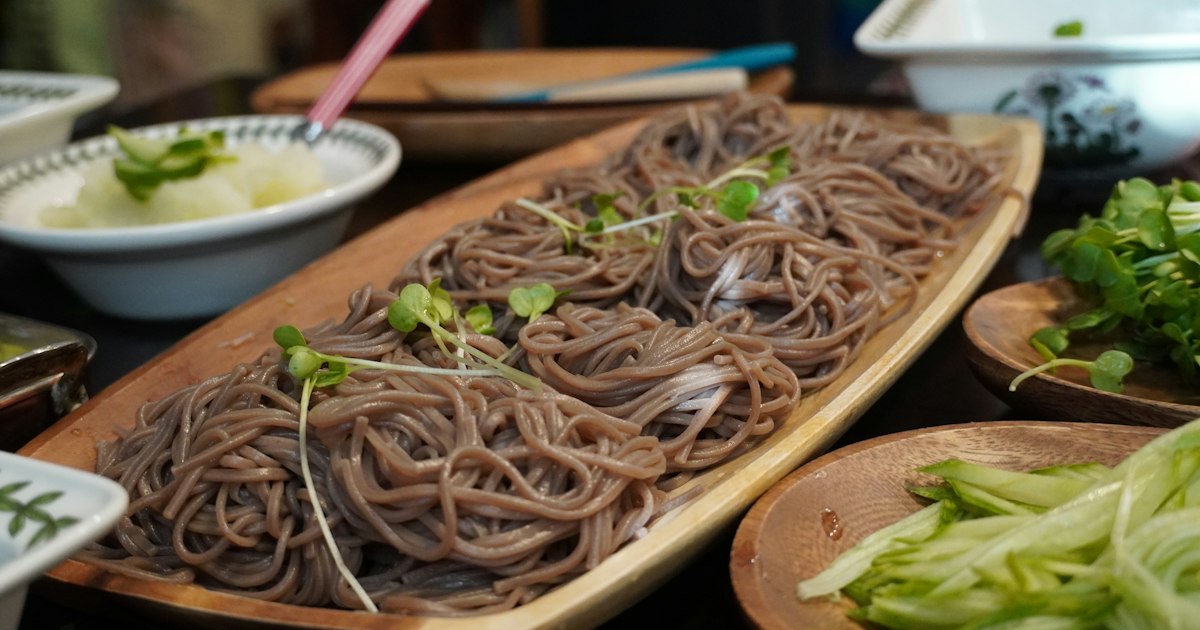
    Hiyashi chuka is chilled Chinese-style wheat noodles, tossed or chilled after boiling, then arranged under a tangle of thinly julienned toppings — usually a sheet of egg cooked into thin strips (kinshi tamago), ham or roast pork, cucumber, tomato wedges, and often imitation crab stick (kani kama) or bean sprouts. A small dollop of hot mustard (karashi) sits on the side, meant to be mixed in gradually rather than all at once. The whole thing is doused in a cold sauce — most commonly a sweet-tart soy-vinegar blend, though sesame-based and miso-based versions show up depending on the shop and region.

    It’s not the same as hiyamugi or zaru soba — those are thinner wheat or buckwheat noodles served plain with a dipping sauce. Hiyashi chuka noodles are the same yellow, slightly chewy noodles used in regular ramen, just served cold with the sauce poured directly over the top rather than used as a dip.

    A Contested Origin Story

    Like a lot of beloved Japanese dishes, nobody fully agrees on who invented it. Two cities claim the title. In Sendai, a restaurant called Ryutei says it created the dish in 1937, arranging toppings in a deliberately colorful five-section pattern that’s still associated with “Sendai-style” hiyashi chuka today. In Tokyo’s Kanda neighborhood, the long-running Chinese restaurant Kikusui claims an even earlier version from around 1933. Both cities still serve their version proudly, and neither is likely to concede the point — which is part of the fun if you’re food-touring either city.

    When to Order It — and When Not To

    This is a strictly seasonal dish. Shops typically start serving it in late April or May, once daytime temperatures climb, and pull it from the menu by late September or early October. Outside that window, don’t expect to find it — asking for hiyashi chuka in January will usually just get you a polite “sorry, not right now.” If you’re traveling in summer, especially July and August when humidity makes hot ramen unappealing, this is exactly the dish to look for. Lunch is the classic time to eat it; most shops serving it keep lunch hours roughly 11:00–14:30 and reopen for dinner around 17:00–21:00, with the noodle itself available throughout service during the season.

    What You’ll Pay and Where to Find It

    Hiyashi chuka is refreshingly cheap for how satisfying it is:

    • Budget (¥500–700): Convenience stores (7-Eleven, Lawson, FamilyMart) and supermarkets sell pre-packaged versions in the chilled noodle section every summer, sauce packet included. It’s not restaurant-quality, but it’s a legitimate, tasty option if you’re eating on the move — the same aisle where you’ll find the chilled sandwiches covered in our katsu sando guide.
    • Mid-range (¥800–1,200): This is the sweet spot — your average neighborhood ramen-ya or Chinese diner (machi chuka). Expect a generous plate with egg, ham, cucumber, and tomato, soy-vinegar sauce, and usually a side of gyoza if you want to add one for another ¥400–500.
    • Splurge (¥1,500–2,500+): Department store basement food halls (depachika) and higher-end Chinese restaurants dress the dish up with crab meat, shrimp, char siu pork, and sometimes a vinegar-sesame sauce with a richer, nuttier flavor. Worth it once per trip if you want the “deluxe” version.

    You don’t need a reservation or Japanese menu-reading skill — most shops post a laminated photo menu, and the dish’s name is usually written clearly enough to point at even if you can’t read the kanji.

    Regional Styles Worth Knowing

    If you’re traveling between cities, the sauce and presentation genuinely change. Tokyo and the Kanto region generally lean toward a lighter, tangier soy-vinegar sauce. Sendai-style keeps the five-color topping arrangement and a slightly sweeter dressing. Nagoya and parts of Kansai sometimes serve a sesame-based version that tastes closer to cold tantanmen. None of these are better or worse — they’re worth trying side by side if your itinerary covers more than one region, the same way it’s worth comparing regional takes on hambagu or other yoshoku dishes as you move around the country.

    Common Mistakes Visitors Make

    • Dumping in all the mustard at once. The karashi blob on the side is meant to be mixed in gradually, to taste — a full dollop stirred into the whole bowl can overwhelm the dish.
    • Expecting it outside summer. Menus rotate it out completely once the weather cools, so don’t plan a trip around it for a spring or winter visit.
    • Confusing it with zaru soba or hiyashi udon. If you specifically want the Chinese-style egg-noodle version with toppings piled on top, say “hiyashi chuka” — soba and udon shops serve a different cold noodle experience entirely, dipping-sauce style.
    • Ordering it cold on a genuinely chilly or rainy day expecting it to be filling enough. It’s a light lunch dish; if you want something heartier, pair it with gyoza or a side of fried rice.

    Pairing It Like a Local

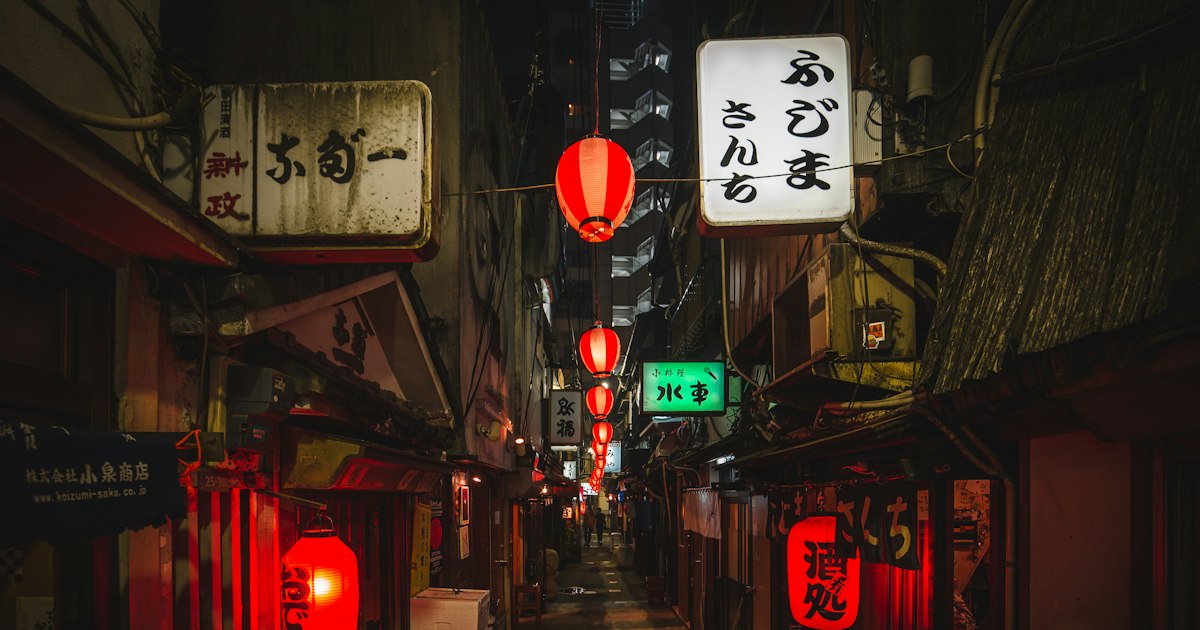
    Hiyashi chuka shows up constantly at casual lunch spots and is also a staple on the summer menu at retro Tokyo drinking spots. If you’re in Tokyo and want to turn lunch into an early evening of grazing, neighborhoods built around old-school eating and drinking culture — like the ones covered in our Ebisu beer-hall guide — often have diners serving it alongside cold beer or a glass of Hoppy, the retro shochu-and-soda drink that pairs surprisingly well with vinegary summer food.

    If you’re traveling by train and craving something cold on a hot platform transfer, note that chilled noodle dishes are much less common as ekiben than hot options — our guide to ordering food on the Shinkansen covers what’s actually available onboard, so you’ll know whether to grab your hiyashi chuka fix at the station before boarding instead.

    The Bottom Line

    Hiyashi chuka is cheap, fast, visually pretty, and exactly what your body wants during a Japanese summer. You don’t need to seek out a famous shop to get a good one — the neighborhood place with the faded cloth banner outside is usually all you need. Just go between May and September, point at the photo menu, and go easy on the mustard.
  • Monaka: Japan’s Wafer-Shelled Red Bean Sweet and Where to Buy It

    Monaka: Japan’s Wafer-Shelled Red Bean Sweet and Where to Buy It

    Photo by Yosuke Ota on Unsplash

    Bite into a good monaka and you get a split second of crackle before the shell gives way to a dense, sweet filling—usually red bean paste. It’s one of Japan’s oldest confections and one of the easiest to get wrong as a souvenir, because the thing that makes it special (a paper-thin, crisp wafer) is also the thing that ruins it if you store it badly. Here’s how monaka is made, what to look for, and exactly where to buy it—whether you want a ¥150 convenience store treat or a boxed set from a 500-year-old wagashi house.

    What Exactly Is Monaka?

    Monaka (最中) is a wagashi (traditional Japanese sweet) made of two thin wafers pressed from mochiko (glutinous rice flour) batter baked between hot iron molds—the same basic technique used for taiyaki and imagawayaki molds, just much thinner and crisper. The wafers are stamped with a pattern on the way out: cherry blossoms, chrysanthemums, temple gates, or a regional symbol depending on where you buy it. Sandwiched between the two wafers is a filling, most commonly smooth or chunky azuki red bean paste (anko), though shiro-an (white bean), kuri (chestnut), matcha, or even ice cream versions are widely sold.

    The name comes from a Heian-era poem referencing the full autumn moon (“mochizuki no naka”)—a nod to the round shape of early versions. Today monaka come in round, square, flower, and novelty shapes, and the wafer itself is sometimes sold separately as a crisp, barely-sweet snack on its own (look for bags labeled “monaka no kawa” in supermarkets—they’re the shells without filling).

    The One Thing That Ruins Monaka: Moisture

    This is the most common mistake visitors make: buying a box of monaka early in a trip and letting it sit in a hotel room or suitcase for a week. The wafer is hygroscopic—it pulls moisture out of the filling and out of the air, and within a day or two a crisp monaka turns chewy and soft, which defeats the entire point of the sweet.

    Better wagashi shops solve this by selling the wafers and the filling in separate compartments inside the same box, so you assemble each piece yourself right before eating (look for the phrase “ご自分で挟んでお召し上がりください” on the packaging, or just ask—staff are used to the question). If you’re buying monaka to eat within the day, pre-assembled boxes are fine. If you’re buying them as a gift to open a few days later, ask specifically for the self-assembly style, or buy them on your last full day in Japan rather than your first.

    Budget Option: Convenience Store Freezer Cases

    The cheapest, lowest-commitment way to try monaka is the ice cream version, sold in every convenience store and supermarket freezer section year-round for roughly ¥120–¥180. These use crisp wafer shells (sometimes shaped like a cone or cup rather than a flat sandwich) filled with vanilla, azuki, or matcha ice cream instead of bean paste—Lotte’s long-running “Monaka Jumbo” bar is the most widely recognized brand and a good benchmark if you want to compare the ice cream style against the traditional bean-paste version. They’re genuinely satisfying in summer heat and require zero planning—just grab one at any Lawson, 7-Eleven, or FamilyMart.

    Mid-Range: Department Store Food Halls (Depachika)

    For traditional anko-filled monaka at a reasonable price, head to the basement food hall (depachika) of any major department store—Isetan Shinjuku, Nihombashi Mitsukoshi, and Takashimaya Shinjuku all have dedicated wagashi counters stocking monaka from multiple regional makers side by side, which makes comparison shopping easy. Expect individual pieces around ¥150–¥400 and gift boxes of 5–10 pieces running ¥1,000–¥3,000. Most depachika floors open around 10:00 and close between 20:00 and 21:00; go on a weekday morning if you want to avoid the pre-closing rush and get first pick of fresher stock, since popular counters sell out of same-day batches by early evening.

    These counters are also where you’ll find monaka with seasonal wafer designs—a good complement if you’re already tracking seasonal wagashi like the one covered in our sakura mochi guide, since both sweets rotate shapes and flavors with the calendar.

    Splurge: Old-Line Wagashi Houses

    If you want the best version of the real thing, visit a long-established wagashi maker directly rather than buying through a department store counter. Toraya—one of Japan’s oldest confectionery houses, with a history stretching back roughly 500 years—sells refined monaka through its boutiques, including locations in Tokyo Midtown and inside several department stores, with prices generally higher than mass-market versions but noticeably better bean paste and crisper shells. In Kyoto and Kanazawa, cities with deep tea-ceremony traditions, small neighborhood wagashi shops often make monaka in-house daily in small batches—worth seeking out if you’re wandering Kyoto’s Gion area or central Kanazawa and want something more personal than a boxed souvenir.

    Best Season and Timing to Buy

    Monaka is sold year-round, but the wafer designs change seasonally: cherry blossom shapes appear from March to April, hydrangea or fan motifs through summer, maple leaf and chrysanthemum shapes from September through November, and plum or pine designs around New Year. If you want a monaka whose shape actually matches your trip’s season, buy it close to your travel dates rather than weeks ahead. For practical timing, buy monaka on a day you’ll actually eat it or within 24–48 hours if pre-assembled—shelf life on filled monaka is short compared to many Japanese sweets, which is part of why it’s rarely sold far in advance.

    Taking Monaka Home

    Monaka travels well compared to most Japanese sweets—no refrigeration needed for the bean-paste versions, and the box shape is sturdy for a suitcase. The catch is the moisture issue above: if you’re flying home in a day or two, buy pre-assembled boxes; if you have a longer trip ahead, buy the self-assembly style or wait until your last stop. It also makes a light, pack-friendly snack for a long train ride—something to keep in mind alongside the options covered in our guide to ordering food on the Shinkansen, or as a sweet counterpart to station-platform finds like the regional specialties in our kamameshi ekiben guide. And if convenience-store snacking is already part of your Japan routine, pairing a monaka ice cream bar with something like the fried pork sandwiches in our katsu sando guide makes for a solid, cheap combination on a travel day.

  • Sakura Mochi: Japan’s Cherry-Blossom Wrapped Rice Cake and Where to Buy It

    Sakura Mochi: Japan’s Cherry-Blossom Wrapped Rice Cake and Where to Buy It

    Photo by Davey Gravy on Unsplash

    Every year as cherry blossoms creep north across Japan, convenience stores, train station kiosks, and centuries-old wagashi shops fill their shelves with a soft pink rice cake wrapped in a dark, fragrant leaf. That’s sakura mochi — one of the most recognizable seasonal sweets in Japan, and one that genuinely confuses first-time visitors, because the leaf isn’t decoration. It’s meant to be eaten, it tastes faintly salty rather than sweet, and the two regional versions look almost nothing alike. Here’s how to find good sakura mochi, what you’re actually eating, and how to avoid the rookie mistakes.

    What Sakura Mochi Actually Is

    Sakura mochi is a small rice cake (mochi) wrapped around sweet red bean paste (anko), then wrapped again in a pickled cherry (sakura) leaf. The leaf is preserved in salt for months, which gives it a distinctive savory, slightly sour, floral note that balances the sugar in the bean paste. It’s a textbook example of a Japanese sweet built around contrast rather than pure sweetness — similar in spirit to how a salted plum cuts through rice, or how matcha’s bitterness offsets sugar in other wagashi.

    There are two completely different styles, and which one you get depends on where in Japan you are:

    • Kanto-style (Tokyo and east Japan): called chomeiji, after the Tokyo temple where it was supposedly invented in the early 1700s. The outer layer is a thin, crepe-like pancake made from wheat flour batter, wrapped around anko, then folded in the pickled leaf. It looks like a pink pancake taco.
    • Kansai-style (Kyoto, Osaka, and west Japan): called domyoji, after a temple in Osaka. The outer layer is made from coarsely ground glutinous rice (domyoji flour), giving it a grainy, chewy, almost mochi-ball texture rather than a smooth pancake. It’s rounder and denser.

    Neither is “more authentic” — they’re regional variants that both remain standard today. If you want to try both, that alone is a good excuse to compare a Tokyo wagashi shop against one in Kyoto or Osaka.

    Do You Eat the Leaf?

    This is the single most common point of confusion for visitors. The leaf is edible and traditionally eaten along with the mochi — it’s been salt-cured specifically to be eaten, not just used as a wrapper like a bamboo leaf on a chimaki. That said, plenty of Japanese people also peel it off and eat around it, finding the texture too fibrous or the salt too strong on its own. Both ways are completely normal. If you do eat it, take a bite with the mochi rather than nibbling the leaf by itself — it’s meant to be tasted in combination, not solo.

    When to Find It: Season and Timing

    Sakura mochi is a strictly seasonal item, which is part of its appeal. Shops typically start stocking it in mid-to-late February, well before cherry blossoms actually bloom, and keep it available through April, with some shops stretching into early May in cooler regions like Tohoku or Hokkaido. Peak availability and peak variety line up with Japan’s cherry blossom forecast — late March to early April in Tokyo and Kyoto, a week or two earlier in Kyushu, and later into April or even May further north.

    A few practical timing notes:

    • Fresh sakura mochi from wagashi shops is usually made daily and meant to be eaten the same day or next day — it doesn’t contain preservatives the way packaged convenience store versions do.
    • Convenience store and supermarket versions (Lawson, 7-Eleven, FamilyMart, and major supermarket bakeries) appear reliably from late February and are the easiest option if you’re short on time between sightseeing stops.
    • Specialty shops sometimes sell out of their daily batch by early afternoon, especially on weekends during peak bloom — morning is the safer bet if you have a specific shop in mind.

    Where to Buy It: Budget to Splurge

    Budget (¥120–¥200 per piece): Convenience stores are the easiest entry point. A single wrapped sakura mochi at Lawson, 7-Eleven, or FamilyMart typically runs ¥130–¥180 during spring. Quality is decent but mass-produced — fine for a quick taste, less interesting texturally than fresh versions.

    Mid-range (¥200–¥400 per piece): Neighborhood wagashi (traditional sweets) shops are the sweet spot for both quality and price. In Tokyo, Chomeiji Sakuramochi Yamamotoya in Mukojima (near Sumida Park, a well-known cherry blossom spot along the Sumida River) has been making the original Kanto-style version since 1717 and sells it for around ¥200–¥230 a piece. In Kyoto, shops near Kiyomizu-dera or along Shijo-dori carry fresh domyoji-style sakura mochi from local confectioners, generally ¥250–�far more for boxed sets. Department store basement food halls (depachika) in Tokyo, Osaka, and Kyoto also carry several competing brands side by side, which makes comparison easy — look for counters in Isetan Shinjuku, Daimaru, or Takashimaya during March.

    Splurge (¥800–¥2,000+ for boxed sets): Long-established wagashi makers like Toraya or regional specialty shops sell gift-box sets combining sakura mochi with other seasonal sweets, aimed at the gift-giving (omiyage) market. These are worth it mainly if you want a presentation-quality box to bring to a host or as a souvenir rather than to eat on the spot.

    How to Get There: Good Hunting Grounds

    You don’t need to seek out a single destination shop — sakura mochi shows up anywhere there’s a cherry blossom crowd. A few reliable areas:

    • Mukojima/Sumida Park, Tokyo: home turf of the original chomeiji-style sakura mochi, walkable from Asakusa and a natural pairing with a riverside hanami walk. Reachable via Tokyo Metro Asakusa Line or Tobu Skytree Line to Asakusa, then a short walk or bus across the river.
    • Kyoto’s Higashiyama and Kiyomizu-dera approach streets: dense with small wagashi shops selling fresh domyoji-style versions, especially useful if you’re already sightseeing in the area.
    • Dazaifu, Fukuoka: if you’re visiting during plum or cherry blossom season in Kyushu, local sweets shops near the shrine approach sell seasonal mochi alongside the famous umegae-mochi; see our guide to Dazaifu’s shrine town and blossom season for timing.
    • Any department store depachika in a major city — the fastest way to compare three or four brands in one stop without hunting down individual addresses.

    Most wagashi shops keep standard Japanese retail hours, roughly 9:00 or 10:00 to 18:00 or 19:00, and many close one day a week (often Wednesday or Thursday) — check a shop’s listed hours before making a special trip, since small confectioners don’t always post updates in English.

    Common Mistakes to Avoid

    • Assuming it’s shelf-stable: Fresh sakura mochi from a specialty shop is a same-day item. Don’t buy it in the morning planning to eat it after a full day of sightseeing in a hot bag — the mochi dries out and the texture suffers.
    • Confusing it with sakura-flavored anything: Spring in Japan brings a flood of cherry-blossom-themed snacks (sakura Kit Kats, sakura lattes, sakura-flavored everything). Actual sakura mochi is specifically the rice-cake-and-pickled-leaf combination described above — a distinct traditional wagashi, not a flavor gimmick.
    • Buying it outside February–May: Unlike mochi in general, sakura mochi is genuinely seasonal. Outside of roughly February to early May, most shops simply don’t make it — don’t expect to find it in autumn or summer.
    • Assuming Kanto and Kansai versions are interchangeable: If a shop’s version looks different from one you had elsewhere, that’s a regional style difference, not a bad batch.

    If you’re building out a Japan sweets itinerary, sakura mochi pairs naturally with other convenience-store-to-artisan-shop food exploring — much like hunting down a good katsu sando or comparing kamameshi ekiben at different train stations. Spring travel in Japan is as much about seasonal eating as it is about the blossoms themselves, and sakura mochi is one of the easiest, cheapest ways to taste that season directly.

  • Hoppy: Tokyo’s Retro Shochu-and-Soda Drink and Where to Try It

    Hoppy: Tokyo’s Retro Shochu-and-Soda Drink and Where to Try It

    Photo by Denys Nevozhai on Unsplash

    Before craft beer, before highball booms, there was Hoppy — a malty, beer-flavored soda invented in postwar Tokyo as a cheap stand-in for the real thing. Locals still drink it the original way: poured over shochu in a frosted mug, in a backstreet izakaya where the stools spill out onto the sidewalk. It’s one of the cheapest, most atmospheric drinking experiences in the city, and almost no foreign visitors know how to order it correctly. Here’s what Hoppy is, where it comes from, and where to actually go drink it.

    What Is Hoppy, Exactly?

    Hoppy is a hop-flavored malt beverage, not a beer — it’s only around 0.8% ABV on its own, closer to a non-alcoholic cousin of beer than a drink that will get you tipsy by itself. It was developed in 1948 by the Tokyo drinks maker Kokka Jozo, right after the war, when real beer was expensive and heavily taxed. The idea was simple: make something that tasted and foamed like beer, sell it cheap, and let drinkers add their own alcohol. It caught on fast with laborers and factory workers in Tokyo’s old downtown (shitamachi) neighborhoods and never really left.

    There are two versions: White Hoppy (the original, pale and crisp) and Black Hoppy (kuro), a darker, maltier version closer to a low-alcohol stout. Most izakaya carry both, and it’s worth trying one of each if you’re drink-hopping.

    How Hoppy Is Actually Served

    This is the part that trips people up. Hoppy doesn’t come as one drink — it comes as two separate items that you combine yourself:

    • Naka (“inside”) — a shot of shochu, served in a mug, usually with ice.
    • Soto (“outside”) — a small bottle of the Hoppy soda itself, poured over the shochu at the table.

    The standard ratio is roughly one part shochu to five parts Hoppy, sometimes called “Gokugo” (5:1), though regulars who want it stronger order “Rokugo” (6:1 shochu-heavy) and ask staff to pour the naka themselves. Once your glass is empty, the trick is to order another naka (around 300–450 yen) rather than a whole new soto bottle — the leftover ice and residual Hoppy in your glass is enough to mix with the fresh shot, so a new bottle isn’t usually necessary until the fizz is gone. Ordering a full round of both every time is a classic rookie move that burns through money fast.

    The Shitamachi Connection

    Hoppy is inseparable from Tokyo’s old downtown. Kokka Jozo is headquartered in Kinshicho, east of Asakusa, and the drink’s heartland is the cluster of neighborhoods around there — Kinshicho, Asakusa, Tachikawa, and Kita-Senju — where cheap, open-air izakaya culture never really modernized. The most famous strip is Hoppy Street (Hoppy-dori) in Asakusa, a narrow lane of izakayas with tables spilling onto the pavement, a short walk from Senso-ji and the Asakusa ROX shopping building. It’s touristy by local standards now, but it’s still the easiest place for a first-timer to find an English-friendly menu and an authentic retro atmosphere at the same time. If you want the same drinking culture without the crowds, Kinshicho’s station-side alleys and Tachikawa’s izakaya backstreets serve the same drink to an almost entirely local crowd.

    Best Places to Try It

    Budget: Any stall on Asakusa’s Hoppy Street — look for shops with handwritten laminated menus and plastic stools. A full round of naka plus soto runs about 700–900 yen, cheaper than a pint of draft beer almost anywhere else in Tokyo. Hoppy Nakamura is one of the street’s best-known names and a good anchor point if you want to orient yourself before wandering to quieter neighbors.

    Mid-range: Standing bars (tachinomi) around Kinshicho Station mix Hoppy alongside grilled skewers and oden, with slightly higher prices (naka around 400–500 yen) for table seating and a calmer pace.

    Splurge-adjacent: A few modern izakaya and retro-revival bars in Shibuya and Shimokitazawa now put Hoppy on craft-cocktail-style menus for 600–800 yen a round, aimed at younger Tokyoites rediscovering it — a good option if you want the flavor without the plastic-stool atmosphere. For a broader look at Tokyo’s beer-drinking neighborhoods generally, the Ebisu beer-hall district makes a good contrast — polished where Hoppy Street is scruffy, but equally rooted in local drinking history.

    Hours, Prices, and Getting There

    Asakusa’s Hoppy Street stalls typically open early afternoon, around 11am–3pm depending on the shop, and run until 11pm or midnight — many are built for daytime drinking (hiruzake), so don’t assume you need to wait for evening. Take the Ginza, Asakusa, or Tobu Skytree line to Asakusa Station and walk toward Asakusa ROX; the street is tucked just behind the main Nakamise shopping arcade, not directly on it, so it’s easy to miss on a first pass. Many of the older shops are cash-only, so carry coins and small bills — a night of several rounds plus grilled skewers rarely exceeds 2,500–3,000 yen per person.

    Common Mistakes to Avoid

    The biggest one: assuming Hoppy itself is alcoholic. Ordering just a bottle of Hoppy with no shochu gets you a drink that tastes like beer but won’t do anything — you need to order the naka alongside it. The second mistake is over-ordering soto bottles instead of naka refills, which wastes money and dilutes the flavor. Third, don’t expect English menus outside Asakusa’s main tourist strip; pointing at a neighboring table’s drink and saying “Hoppy, white” (shiro) or “black” (kuro) works fine. Finally, weekends on Hoppy Street get crowded with tour groups by early evening — a weekday visit around 4–6pm gets you the same izakayas with mostly local regulars.

    Best Time to Go

    Hoppy is a year-round drink, but it earns its reputation in summer, when the low-alcohol, high-fizz format makes it an easy afternoon sipper in the heat — this is also when outdoor seating on Hoppy Street is at its liveliest. In winter, Black Hoppy’s maltier, warming character makes more sense, paired with a hot pot of oden from the same stall. If you’re building a broader old-Tokyo food crawl, Hoppy pairs naturally with autumn classics like grilled sanma, another shitamachi staple that shows up on the same izakaya menus. And if the shochu side of the equation interests you more than the soda, it’s worth knowing that the spirit itself has a completely different, much more serious drinking culture in Kagoshima, where shochu originates — a useful contrast to the cheap, fizzy, Tokyo-only drink Hoppy represents.

  • Japanese Men’s Grooming & Skincare: Uno, Kate Men, and Where to Shop in Japan

    Japanese Men’s Grooming & Skincare: Uno, Kate Men, and Where to Shop in Japan

    Photo by Nathan Cima on Unsplash

    Japanese men’s grooming aisles can be overwhelming even if you read kanji — rows of face washes with identical blue packaging, hair wax in a dozen “hold levels,” and deodorant sticks that all claim to be “for men.” This guide breaks down the brands actually worth your suitcase space, what they cost in yen, and which stores to hit so you’re not wasting a jet-lagged afternoon reading ingredient labels in Shinjuku.

    Why Japanese Men’s Skincare Is Worth the Detour

    Japan’s men’s grooming market developed separately from its women’s skincare industry, which means formulas are built around different assumptions: oilier skin, shorter routines, and a cultural emphasis on being “sappari” (clean, fresh, unfussy) rather than visibly made-up. That translates into products foreign visitors genuinely can’t easily replicate at home — oil-control face washes with charcoal or clay, lightweight styling waxes that wash out with shampoo instead of soap, and deodorants formulated for Japan’s humid summers. None of this requires a specialty boutique; it’s sold at ordinary drugstores for a few hundred yen a bottle, which is part of the appeal.

    Uno: Shiseido’s Everyday Men’s Line

    Uno is Shiseido’s mass-market men’s brand and the one you’ll see stocked floor-to-ceiling at any convenience store or drugstore. The two products worth buying are the Uno Whip Face Wash (approx. ¥650–750 for a foaming pump bottle that produces a ready-made lather — no washcloth needed) and the Uno hair wax range, sold in small tins from about ¥500–650 depending on hold strength (look for “Mobile Wax” for a natural matte finish or “Deformer” for a stronger, textured hold). Uno also makes a roll-on and stick deodorant line (around ¥650–800) that’s noticeably stronger than most Western antiperspirants, which matters if you’re traveling through a Japanese summer. None of these need special luggage handling — the wax tins are solid and travel-safe, and the face wash pumps seal tightly enough for a carry-on.

    Beyond Uno: GATSBY, Biore Men, and the Kate Men Niche

    If Uno sells out or you want to compare, Mandom’s GATSBY is the other dominant mass brand, usually a bit cheaper (face wash from roughly ¥400–500) and aimed at a younger, sportier customer — its moisture-tint lip balm and ice-type facial sheets are worth grabbing for a humid trip. Kao’s Biore Men and Shiseido’s Senka Men lines sit in the same price bracket and focus heavily on oil control and UV protection, which is useful if you’re sightseeing outdoors for hours. Kate, Kanebo’s brow-and-eyeliner brand best known among women shoppers, also stocks a small men’s grooming selection focused on brow grooming and concealer — useful if you want to tidy up eyebrows or cover a blemish before a big dinner or event, but it’s a niche pickup rather than a daily-use skincare line, so don’t build a shopping trip around it alone. For a genuine step up in formulation, Bulk Homme is the brand to splurge on: its three-step face wash, lotion, and serum set runs roughly ¥3,000–4,000 and is formulated closer to a proper skincare routine than a drugstore basic.

    Where to Actually Shop

    You don’t need to seek out a men’s grooming specialist — the inventory is everywhere, but a few venues make comparison shopping easier:

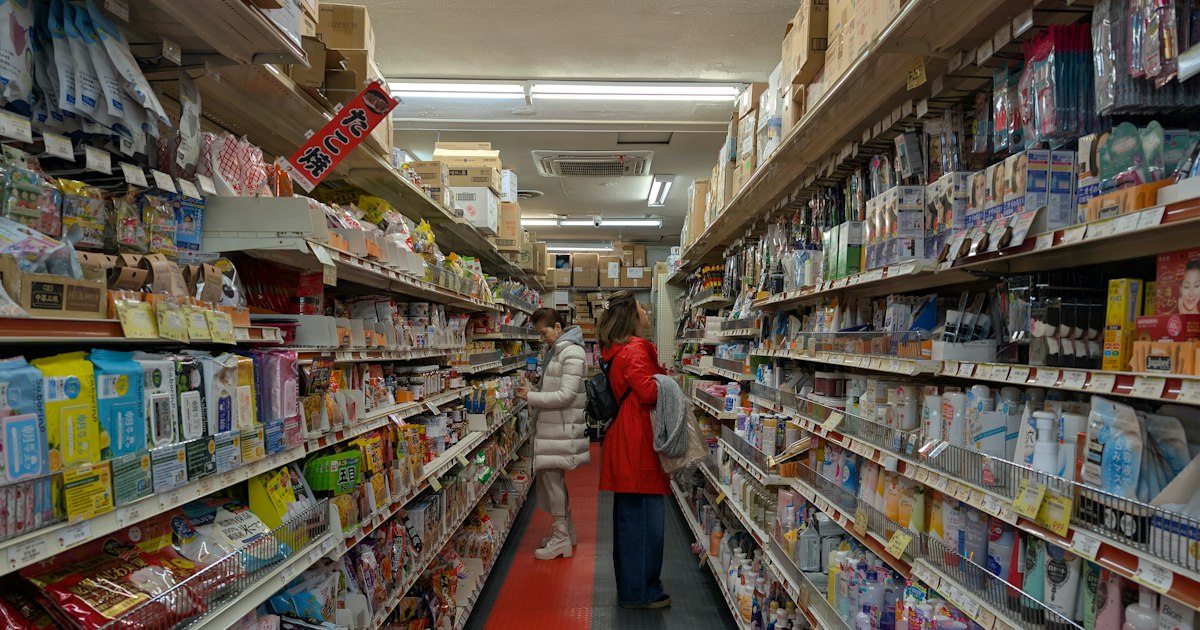
    • Matsumotokiyoshi, Sundrug, and similar drugstore chains — found near almost every major train station, typically open 10:00–21:00 or later. These carry the full range of Uno, GATSBY, Biore Men, and Senka Men at listed retail prices, often with a 5–10% discount sticker for travelers who show a passport (ask at the register, as policies vary by store).
    • Don Quijote (“Donki”) — many locations in Tokyo and Osaka run 24 hours, which is handy if you land late or need a last-minute item before an early train. Prices are comparable to drugstores but selection is less curated, so go here only if you already know what you want.
    • PLAZA by Sony — a better bet for Bulk Homme, Kate’s broader product line, and imported or harder-to-find men’s items in one browsable store, usually inside shopping malls and department stores with standard mall hours (around 10:00–20:00 or 21:00).
    • Loft and Tokyu Hands — good for men’s grooming tools (nail clippers, nose-hair trimmers, compact travel razors) alongside the skincare brands, if you want to consolidate a grooming kit purchase in one stop.

    Best Timing and Common Mistakes

    There’s no strong seasonal angle here the way there is with, say, seasonal cosmetics — but summer (June–September) is when oil-control and deodorant products sell fastest and shelves get restocked most often, so you’ll find the newest formulas during that window. Winter trips are better for stocking up on richer moisturizers, since Japanese men’s skincare skews toward lightweight, oil-controlling formulas that can feel insufficient in dry, cold air back home.

    The most common mistake foreign shoppers make is buying hair wax without checking the hold-level kanji or pictogram on the tin — a soft, natural-finish wax (“ナチュラル” or a low number on a 1–5 scale) behaves very differently from a stiff, high-hold wax, and the tin art alone won’t tell you which is which; ask a staff member or use a translation app on the label before buying. The second mistake is assuming all “whitening” or brightening claims on men’s skincare mean the same thing as in Western markets — in Japan this almost always means UV-spot prevention, not skin-lightening, and the formulas are safe and widely used, but it’s worth knowing before you second-guess a purchase.

    Budget, Mid-Range, and Splurge Picks

    For a traveler who wants a simple takeaway: budget shoppers should grab GATSBY face wash (~¥450) and a Uno wax tin (~¥550) — under ¥1,100 total for a travel-ready basic kit. Mid-range shoppers should add a Uno or Biore Men deodorant stick (~¥750) and a Senka Men UV sunscreen (~¥900) for an all-day outdoor itinerary. For a splurge that’s genuinely hard to find outside Japan, the Bulk Homme three-step set (~¥3,500) or a Kate Men brow-grooming kit (~¥1,200–1,800) make distinctive, lightweight gifts that don’t take up much suitcase room — unlike bulkier souvenirs, a flat box of skincare tubes packs easily next to clothing without needing extra padding.

  • Ordering Food on the Shinkansen: QR Menus, Cart Service & What’s Still Available

    Ordering Food on the Shinkansen: QR Menus, Cart Service & What’s Still Available

    Photo by John Cameron on Unsplash

    A decade ago, the trolley girl pushing a cart of coffee, beer, and ice cream down the aisle was one of the small rituals of riding the Shinkansen. That ritual is mostly gone now. Japan’s bullet train operators have spent the last few years replacing in-car sales staff with QR-code ordering systems, and on many routes they’ve eliminated food service altogether. If you’re planning a long Shinkansen leg and assuming you can just buy lunch once you’re aboard, you need an updated plan — because on a growing number of trains, you can’t.

    Why the cart lady disappeared

    JR Central, JR East, and JR West have all cited the same reasons for cutting trolley service: a shrinking labor pool willing to work the physically demanding job of pushing a heavy cart through swaying train cars for hours, and declining sales as more passengers pre-buy food at the station. JR Central ended trolley sales on all Tokaido Shinkansen trains (the Tokyo–Osaka line) in October 2023, replacing it with a tablet/QR ordering system in the Gran Class and Green Car coaches only. Ordinary-car passengers on the Tokaido line now get no in-seat food service at all. JR East and JR West have trimmed cart service on several Tohoku, Joetsu, and Sanyo/Kyushu routes too, though coverage varies train by train and is still being adjusted, so don’t assume last year’s experience holds for your trip.

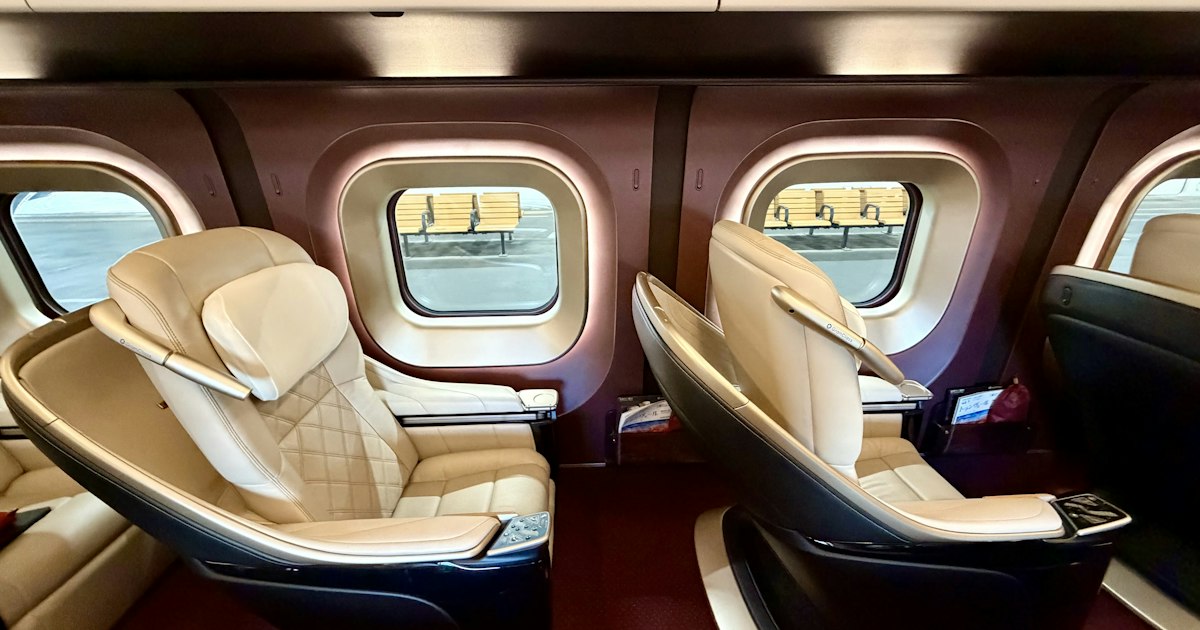
    How the QR/tablet ordering system works (where it exists)

    On trains that still offer in-seat ordering — currently this means Green Car and Gran Class seats on the Tokaido Shinkansen’s N700S trains, plus some Green Car seats on JR East’s Tohoku/Hokuriku services — there’s a QR code printed on a card in the seat-back pocket or on the tray table. Scanning it opens a mobile ordering page (available in English) listing coffee, tea, beer, snacks, and a small selection of bento boxes. You order and pay by credit card through the page, and a staff member brings the item to your seat, usually within 10-15 minutes. Ordering generally closes about 30 minutes before the train reaches its final stop, and there’s often a cutoff window right after departure while the crew sets up, so don’t expect instant service in the first few minutes aboard. Menu and prices are modest — canned beer around ¥350-500, coffee around ¥300-400, simple sandwiches or snack boxes in the ¥500-900 range — and selection is deliberately limited compared to what you’d find on the platform.

    Where cart service still survives

    A physical trolley with a staff member is now the exception rather than the rule. As of 2026, you’re most likely to still see it on some Kyushu Shinkansen services and on certain JR West Sanyo Shinkansen runs, plus occasional seasonal or tourist-oriented trains. Even where it exists, don’t count on a full pass through every car — crews sometimes cover ordinary cars less frequently than Green Car, and a sold-out item (especially the better bento boxes or ice cream) simply doesn’t get restocked mid-journey. If you’re in an ordinary (non-Green) car on the Tokaido Shinkansen specifically, assume there is zero in-seat food service and plan accordingly.

    What to do instead: buy before you board

    The realistic strategy now is to treat the Shinkansen the way you’d treat a long flight — bring your own food. Every major Shinkansen station has extensive options inside the ticket gates and in the surrounding concourse:

    • Ekiben (station bento):
    • Shops inside the gates sell elaborate boxed meals specific to the region, often tied to local specialties. If you want a sit-down-worthy meal rather than a snack, this is the best use of your pre-boarding time — see our guide to kamameshi clay-pot rice ekiben and the stations famous for it for specific stalls worth seeking out, including at Tokyo, Yokokawa, and Nagano stations.

    • Convenience stores: A Newdays, 7-Eleven, or Lawson is almost always inside or right next to the gates. Onigiri (¥130-180), sandwiches, and the increasingly famous katsu sando (around ¥400-600) travel well and don’t need reheating.
    • Station restaurants: If you have 20-30 minutes before departure, many stations have casual chains serving things like hambagu that you can eat quickly before boarding rather than carrying it on.

    Buy drinks before boarding too. Vending machines exist in the space between cars on most Shinkansen sets, stocked with canned coffee, tea, and water (¥130-160), but they’re easy to miss if you’re not looking and some cars don’t have one nearby.

    Common mistakes to avoid

    The biggest mistake is assuming you’ll “just grab something on the train” the way you might remember from a previous trip — service levels have changed fast enough that even recent online reviews can be out of date. Second: don’t cut your station transfer time too close if you’re hoping to buy an ekiben, since the better stalls near Tokyo Station’s Shinkansen gates can have short queues at lunchtime rush (roughly 11:30am-1pm). Third, if you do board a Green Car with QR ordering, scan early — items sell out, especially the bento boxes, and the window for ordering closes well before arrival, not right up to the final stop. Finally, remember eating at your seat is completely normal and expected on the Shinkansen (unlike some other trains in Japan), so there’s no etiquette reason to hold off — the only constraint now is what you managed to bring with you.

    Timing it around your journey

    For trips of 2 hours or less — Tokyo to Nagoya, or Tokyo to Sendai, for instance — a convenience store snack is plenty. For longer hauls like Tokyo to Hakata (about 5 hours) or Tokyo to Shin-Osaka during peak holiday travel (New Year, Golden Week in early May, or mid-August Obon), buy a proper ekiben and a couple of drinks, since crowded departures mean less chance of flagging anyone down even where limited service exists. If your itinerary includes a stop in a food-forward city before a long Shinkansen leg, it’s worth timing lunch there rather than relying on the train at all.

    The bottom line: the Shinkansen itself is no longer a reliable place to source your meal. Treat the station concourse as the restaurant, and the train as simply where you eat it.

  • Enoden: Riding the Enoshima Electric Railway’s Seaside Single Track

    Enoden: Riding the Enoshima Electric Railway’s Seaside Single Track

    Photo by Roméo A. on Unsplash

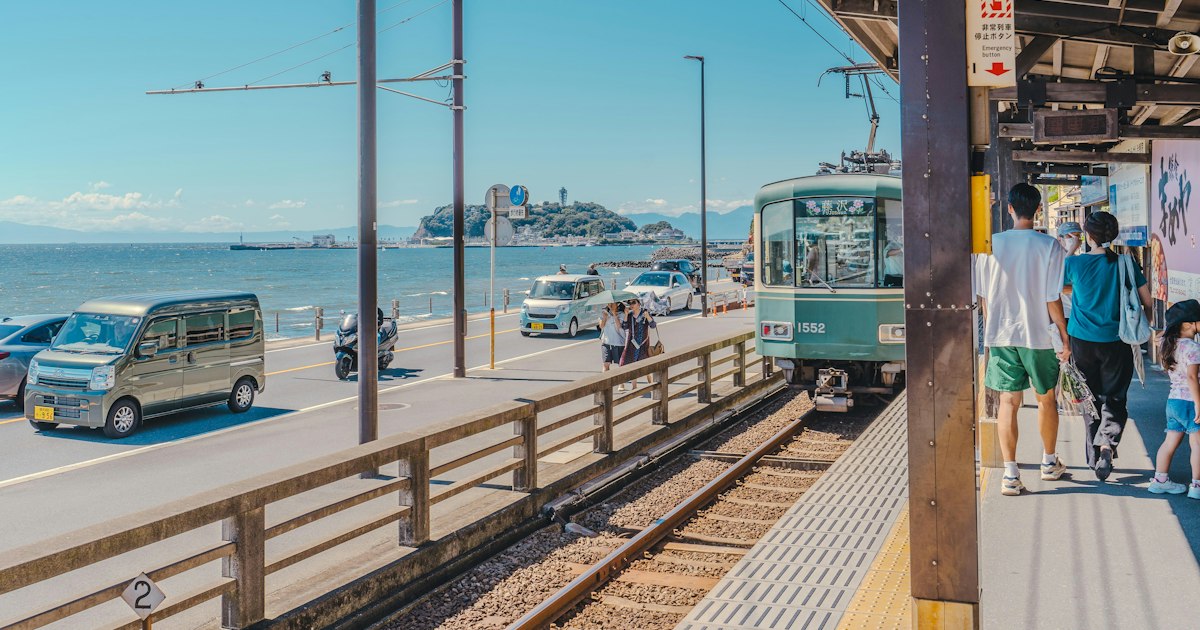
    The Enoshima Electric Railway — almost everyone just calls it the Enoden — is a 10-kilometer tram-like train line that threads through back gardens, runs down the middle of a public road, and skirts right along the Shonan coast between Kamakura and Fujisawa. It’s one of the oldest electric railways in Japan, opened in 1902, and riding the full line takes about 34 minutes, which tells you everything about its pace: slow, local, and scenic rather than efficient. If you’re spending a day in Kamakura, the Enoden isn’t just transport to the next temple — it’s a big part of the reason to come.

    What Makes the Enoden Worth Riding

    For most of its length, the Enoden runs on a single track, with passing loops built into certain stations so trains going opposite directions can cross. That single-track design is why the line feels so intimate: the two-car trains squeeze between houses close enough that you could almost touch a laundry line from the window, then suddenly open up onto the Pacific. The most photographed stretch is the short hop around Kamakurakokomae Station, where the train runs along an open seafront with Enoshima island and, on a clear winter day, Mount Fuji visible across the water. Another well-known section is near Koshigoe, where the tracks run directly in the road lane alongside cars, making it one of the few Japanese railways that functions almost like a street tram.

    Getting to the Enoden

    The southern terminus is Kamakura Station, reachable in about an hour from central Tokyo on the JR Yokosuka Line (direct from Tokyo, Shimbashi, or Yokohama stations) or via the JR Shonan-Shinjuku Line from Shinjuku/Shibuya. The northern terminus is Fujisawa Station, which connects to the Odakyu Line (useful if you’re coming from Shinjuku) and the JR Tokaido Line. Most visitors start in Kamakura, sightsee their way down the line by temple, and end at Enoshima or Fujisawa, rather than riding it end to end in one go.

    Fares and Passes

    Enoden fares are distance-based, running roughly ¥200 for a short hop up to around ¥310 for the full line between Kamakura and Fujisawa (half-price for children). You can pay with cash, IC cards like Suica or Pasmo, or buy paper tickets at station machines — note that some of the smaller stations have only a single ticket window or machine, so during peak hours queues form fast.

    If you plan to hop on and off more than two or three times, the one-day Enoshima-Kamakura Freepass (sold as an IC-linked pass, around ¥800 for adults) covers unlimited Enoden rides for the day and pays for itself quickly. Odakyu also sells a combined pass from Shinjuku that bundles the round-trip Odakyu fare to Fujisawa with unlimited Enoden rides — convenient if you’re starting from west Tokyo, though prices and conditions change periodically, so check current rates before you go.

    The Best Stops Along the Line

    • Hase — closest stop to Kotoku-in (the Great Buddha) and Hase-dera temple, both an easy walk from the station.
    • Gokurakuji — the line passes through a short tunnel here framed by cherry trees in late March/early April; the platform itself is a popular photo stop.
    • Kamakurakokomae — the ocean-view crossing made famous by the anime Slam Dunk, with Enoshima and (on clear days) Fuji visible from the platform and the pedestrian crossing beside it.
    • Enoshima — the jumping-off point for Enoshima island, its shrine complex, observation tower, and seafood restaurants along the approach road.
    • Fujisawa — the northern end, where you transfer back to JR or Odakyu lines.

    Best Time and Timing Tips

    Hydrangea (ajisai) season in June is the Enoden’s single busiest period, especially around Gokurakuji and Hase, and it overlaps with Japan’s rainy season (tsuyu) — pack more than a flimsy convenience-store umbrella, since you’ll likely be standing on exposed platforms; a sturdier clear vinyl umbrella is worth picking up locally if rain catches you off guard. Cherry blossom season (late March–early April) and clear winter days (December–February, for Fuji visibility from Kamakurakokomae) are the other peak windows. Weekday mornings before 10am are noticeably calmer than weekend afternoons, when trains can run standing-room-only and some platforms limit entry during the worst crowding.

    Common Mistakes to Avoid

    Don’t treat the Enoden as a fast way to get anywhere — it’s genuinely slow, and trying to cram it into a tight schedule between other Tokyo plans usually backfires. Don’t linger on the road crossing near Kamakurakokomae Station to recreate anime photos; it’s a real level crossing used by cars and a working train, and local authorities have had to intervene repeatedly because of tourists blocking it. Don’t assume every station has an IC card gate or large ticket machine — some are tiny unstaffed platforms, so keep small bills or a charged IC card on hand. And don’t skip the window seat: the views are the entire point, so if the first car you board is packed, it’s worth waiting for the next one.

    Where to Stay Nearby

    Budget travelers can day-trip from Tokyo and skip lodging entirely, but staying overnight lets you catch the coast at sunrise or sunset when the trains and crowds thin out. For a mid-range option with local character, a family-run minshuku in Kamakura or near Enoshima often costs less than a business hotel and comes with home-cooked breakfast. For a splurge, several hotels directly on the Shonan coast near Enoshima offer sea-view rooms. If you want to extend the trip beyond what the Enoden covers, the Shonan coast is also a popular stretch for renting a scooter and riding further along the coastal road toward Hakone or the Izu Peninsula.

    The Enoden won’t save you time, and it isn’t trying to. It’s a 120-year-old seaside tram doing exactly what it’s always done, and for a few hours of your Japan trip, that’s the whole appeal.

  • Hambagu: Japan’s Yoshoku Hamburger Steak and Where to Try It

    Hambagu: Japan’s Yoshoku Hamburger Steak and Where to Try It

    Photo by Hazel J on Unsplash

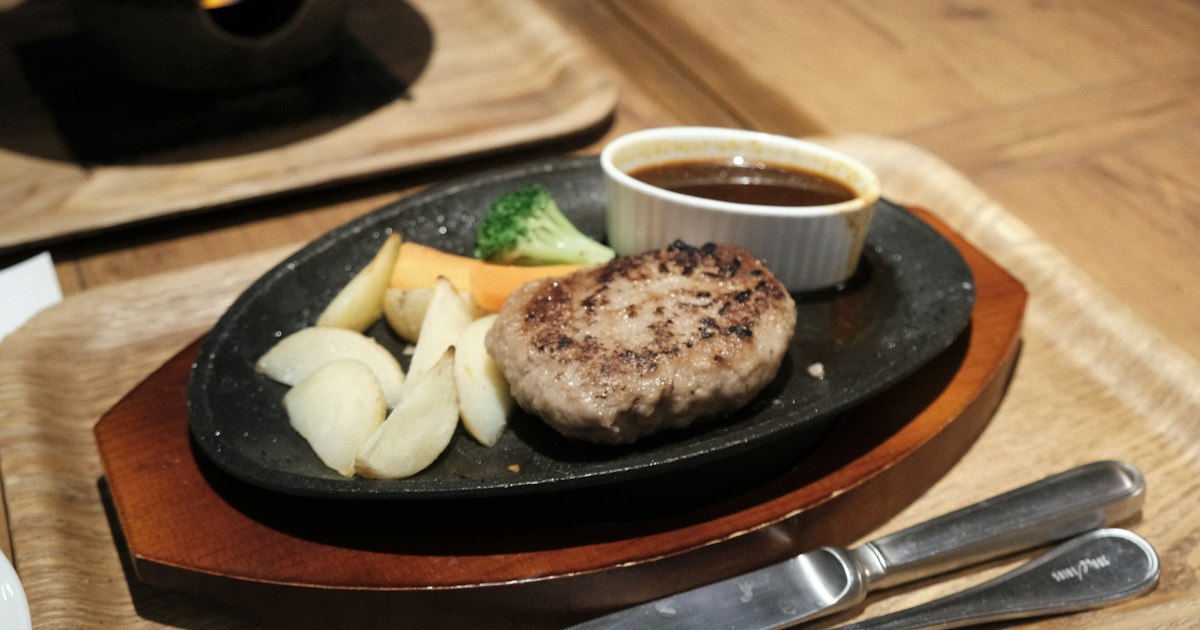
    If you see “hamburger” on a Japanese menu and picture a bun, you’re in for a surprise — and a good one. Hambagu (ハンバーグ) is a thick, juicy patty of ground beef and pork served on a plate with rice, no bread in sight, usually drowned in a glossy brown sauce. It’s one of the most comforting dishes in Japan’s yoshoku repertoire, eaten by salarymen on lunch breaks and kids at birthday dinners alike. Here’s what it actually is, where to find it in different price ranges, and how to order it like a regular.

    What Exactly Is Hambagu?

    Hambagu belongs to yoshoku — Western-style dishes that Japanese cooks adapted after the country opened to foreign trade in the late 1800s and especially after World War II. Unlike a Salisbury steak or a burger patty, hambagu is deliberately soft: the beef-pork mix (usually 70/30 or 50/50) is bound with panko, egg, and grated onion, then pan-fried and often finished with a splash of water or stock under a lid so the inside stays pillowy rather than dense. The classic sauce is demi-glace, a sweet-savory reduction often cut with ketchup and Worcestershire sauce — a very Japanese shortcut version of French demi-glace. Other common sauces include ponzu-oroshi (citrus soy with grated daikon), wafu (soy-butter), and teriyaki.

    It’s almost always served teishoku-style: a set with rice, miso soup, shredded cabbage, and a small pickle. This is a different animal from the convenience-store katsu sando world — if you want the handheld, portable side of yoshoku, that’s covered in our guide to katsu sando.

    Budget Option: Family Restaurant Chains

    The easiest and cheapest way to try hambagu is at a family restaurant (famiresu). Bikkuri Donkey (びっくりドンキー), found in most mid-size and large cities, is the national name for it — a hambagu set with rice and a self-serve salad bar typically runs ¥900–1,400, with larger “mega” patty sizes topping out around ¥1,700. Most locations open around 11:00 am and run through 10:00–11:00 pm, with no reservation needed. Ootoya (大戸屋) and Yayoiken (やよい軒), both teishoku chains, also carry a hambagu teishoku in the ¥900–1,100 range, and since they’re everywhere near train stations, they’re a reliable fallback if you’re hungry and don’t want to plan ahead.

    Common mistake: ordering “medium” doneness out of steak habit. Hambagu isn’t served rare — it’s ground meat cooked through — so there’s no doneness choice at most of these chains. If a menu does mention doneness (a few specialty restaurants sear the outside and leave the center softer, almost tartare-adjacent), it will say so explicitly; don’t assume.

    Mid-Range: Specialty Hambagu Restaurants

    Tokyo has a tier of restaurants that do nothing but hambagu and steak, and the quality jump from the family chains is real. Tsukiji Hamburg, a small chain with several Tokyo branches, uses 100% beef patties (no filler pork) and grills them to order; lunch sets run roughly ¥1,200–1,800 and come with rice, soup, and a choice of sauce. These places get busy at lunch — arrive by 11:30 am or expect a short wait, especially on weekdays when office workers pack in.

    At this tier, pay attention to the sauce list on the table: demi-glace is the default, but ponzu-oroshi is lighter and a good choice in summer, while wafu with grated daikon cuts through the richness if you’re eating a large patty. Cutting the hambagu in half crosswise before eating — rather than slicing off bites from one end — lets the juices (and any residual pink from the center) show, which is part of how regulars judge freshness.

    Splurge: Wagyu and Hotel Hambagu

    Because hambagu is defined by the meat, upgrading the beef is the obvious luxury move. Kobe and Omi beef hambagu courses at hotel restaurants or steakhouses in beef-producing regions run ¥3,000–6,000 for a set with rice, soup, and sometimes a smaller companion steak or foie gras garnish. If you’re traveling through Kansai, pairing a splurge hambagu meal with a stop in Kagoshima or another wagyu region is worth it if beef quality matters to you — Kagoshima wagyu hambagu, where available, is noticeably richer than standard mixed-meat versions.

    A cheaper way to taste premium beef hambagu without the restaurant markup is the depachika (department store basement food hall) frozen or chilled bento section, where Kobe-beef hambagu bento boxes sell for around ¥1,500–2,500 — a good grab-and-go option if you’re staying somewhere with a microwave.

    Hambagu on the Go: Ekiben and Bento

    Hambagu shows up as an ekiben (station bento) filling at larger stations, usually paired with rice and a few sides, priced around ¥900–1,300. It’s not as iconic a station food as the rice-based bento covered in our kamameshi guide, but it’s a solid, filling option if you’re boarding a shinkansen around lunchtime and want something more substantial than a sandwich. Check the bento shelf near the ticket gates rather than inside the platform kiosks — selection and freshness are usually better before you pass through.

    Best Time to Go and Practical Tips

    Lunch is the best value window almost everywhere — hambagu teishoku sets are typically ¥200–400 cheaper at lunch than the same dish ordered à la carte at dinner, and specialty restaurants often add a small side or drink to the lunch set that disappears in the evening menu. Weekday lunch (12:00–1:00 pm) at popular specialty spots means a wait; going at 11:30 am or after 1:30 pm avoids it.

    If you’re washing it down with a drink, hambagu pairs well with a cold beer, and Tokyo’s Ebisu neighborhood has both beer halls and a few yoshoku-leaning restaurants worth combining into one outing. One last common mistake: don’t ask for the patty “to go” expecting a sandwich — hambagu is a plated dish, and if you want a true handheld burger with a bun, you’ll want a Western-style burger chain instead, not a yoshoku restaurant.

  • Katsu Sando: Japan’s Convenience Store Fried Pork Sandwich and Where to Find the Best

    Katsu Sando: Japan’s Convenience Store Fried Pork Sandwich and Where to Find the Best

    Photo by Sunny Nguyen on Unsplash

    Somewhere between a snack and a full meal sits one of Japan’s most satisfying inventions: the katsu sando. It’s just a breaded, deep-fried pork cutlet pressed between two slices of soft white bread — but the combination of crisp pork, pillowy shokupan, and sweet-tangy sauce has made it a cult favorite with visitors and locals alike. Better still, you can buy a decent one for under ¥500 at almost any convenience store, or splurge on a wagyu version that costs more than a nice dinner. Here’s how to navigate the whole range.

    What Exactly Is a Katsu Sando?

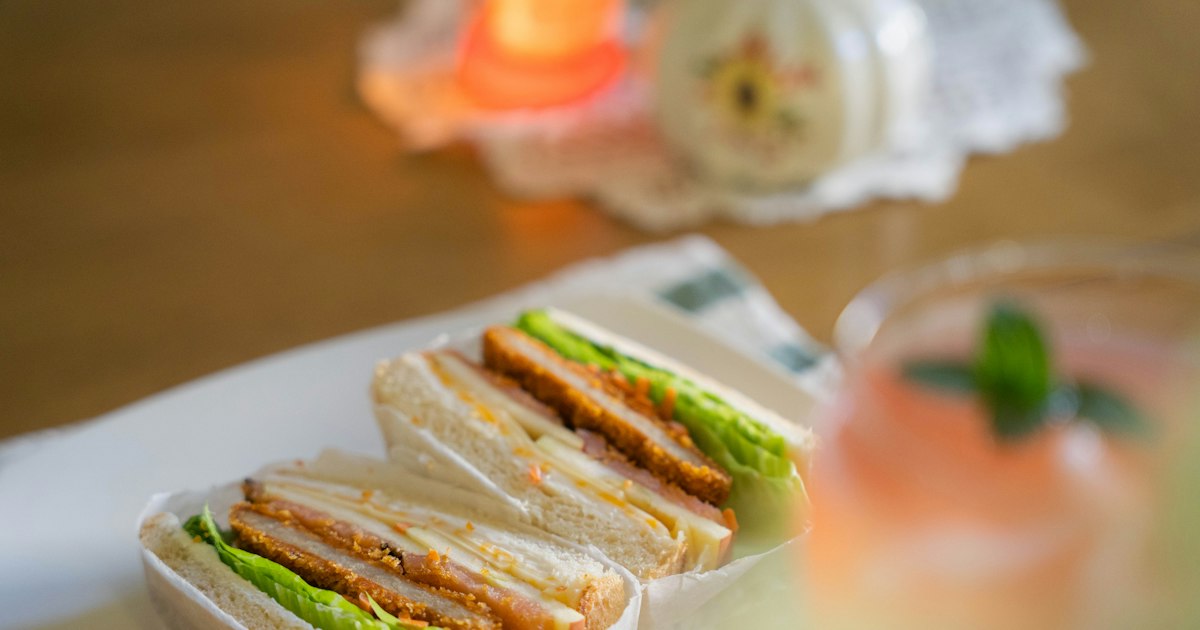
    Katsu sando (カツサンド) is short for “katsu sandwich” — tonkatsu (breaded, fried pork loin or fillet) layered inside crustless shokupan, Japan’s fluffy milk-bread, with a Worcestershire-based tonkatsu sauce and sometimes a smear of karashi mustard. The crusts are trimmed off and the sandwich is cut into neat rectangles, which is part of why it photographs so well and why it became an internet-famous food over the past decade. It traces back to Tokyo department store basement food halls and specialty tonkatsu restaurants in the mid-20th century, long before it became a convenience store staple.

    Budget Option: Convenience Store Katsu Sando (¥350–¥550)

    This is the easiest way to try one. 7-Eleven, Lawson, and FamilyMart all stock katsu sando in the chilled sandwich section near the onigiri and other sandwiches, typically priced between ¥350 and ¥550 depending on the chain and whether it’s a standard pork loin version or a slightly thicker fillet cut. Quality varies — Lawson in particular has a reputation among Japanese shoppers for above-average fried items and sandwiches, so it’s worth checking a couple of nearby stores if you have options.

    Timing matters more than people expect. Convenience stores restock fresh sandwiches several times a day, and stock sitting since the morning delivery by late afternoon will taste noticeably more tired than one bought shortly after a restock (late morning, around 10–11am, is a reliable window before the lunch rush thins out the shelves). Always check the “best by” time printed on the label — these sandwiches are meant to be eaten the same day, often within a few hours.

    If you’re traveling in Hokkaido, don’t skip Seicomart, the region’s own convenience chain — its in-house hot food counter often has fresh fried items that outshine the big national chains’ pre-packaged offerings. And if you’re stepping out into typical Japanese drizzle to go store-hopping, the convenience store umbrella culture is worth knowing about too.

    Mid-Range: Specialty Tonkatsu Shops and Department Store Basements (¥800–¥1,800)

    For a meaningfully better sandwich, go to a dedicated tonkatsu restaurant that sells sando as takeout. Maisen, founded in 1965 and still operating from a converted bathhouse in Aoyama, Tokyo (a short walk from Omotesando Station, exit A2), is the benchmark — its rosu (loin) and hire (fillet) katsu sando run roughly ¥1,000–¥1,600 for a takeout pack and use noticeably fresher oil and thicker-cut pork than any convenience store version. Expect a short queue around lunchtime (11:30am–1:30pm); going right at opening avoids the wait.

    Department store basement food halls, known as depachika, are another reliable mid-range source. Isetan Shinjuku’s basement food floor carries katsu sando from several well-regarded vendors, and these make genuinely good gift boxes if you want to bring something home for a host. Go before 6pm — the evening rush of office workers buying dinner takeout can clear out the good stuff fast, and some stalls start marking down prices for same-day sale closer to closing.

    Splurge: Wagyu Katsu Sando (¥3,000–¥5,000+)

    Wagyumafia, the Tokyo-based wagyu specialist with shops in Roppongi and other locations, built part of its reputation on an extravagant wagyu katsu sando — thick-cut, marbled wagyu breaded and fried, served in small portions given the richness. Prices run well into the ¥3,000–¥5,000+ range for a sandwich that’s closer to a fine-dining course than a quick bite. It’s genuinely excellent if you want to taste what wagyu does to this format, but it’s a special-occasion purchase, not a snack.

    Common Mistakes to Avoid

    • Buying one that’s sat too long. A soggy, cold katsu sando is a different (worse) food than a fresh one — check the time stamp and buy from a store that’s clearly had recent deliveries.
    • Refrigerating and reheating later. The bread turns gummy in a fridge. If you can’t eat it within a few hours, it’s better to buy fresh again later than to save it.
    • Confusing katsu sando with katsudon. Katsudon is the same fried pork served over rice in a bowl with egg — a completely different dish, usually found at restaurants rather than convenience stores.
    • Assuming all branches of one chain are equal. Sandwich quality and freshness can vary store to store even within the same chain, especially between high-traffic urban locations and quieter suburban ones.
    • Skipping the sauce check. Some convenience store versions come with a thin layer of sauce already applied, while higher-end versions include a small extra sauce packet — don’t assume there’s enough seasoning without checking.

    Best Time to Eat It

    There’s no real seasonal angle here — katsu sando is sold year-round and tastes the same in July as in January, unlike seasonal foods such as sanma. The timing that actually matters is time of day: mid-morning for convenience store freshness, right at opening for specialty shops to avoid queues, and before early evening at depachika before the dinner rush picks over the selection. It also makes an excellent cold-weather station platform snack if you’re traveling by train — similar in spirit to grabbing a kamameshi ekiben for a long ride, except a katsu sando travels better since it doesn’t need reheating.

    Pairing It Properly

    If you want to turn a katsu sando into more of an occasion, pick one up and head to Ebisu, where the neighborhood’s beer-hall heritage makes it a natural spot to pair a crisp pork cutlet sandwich with a cold draft. It’s a simple but genuinely good combination, and Ebisu’s walkable beer gardens make for an easy, low-key afternoon stop between sightseeing.

    Whether you grab one from a Lawson fridge for ¥400 on your way to the station or queue up at Maisen for the real thing, katsu sando is one of the few Japanese foods that rewards curiosity at every price point. Start cheap, work your way up, and you’ll understand exactly why this humble sandwich has such a following.

  • Tabio: Inside Japan’s Specialty Sock Shop Chain and What Makes Its Socks Different

    Tabio: Inside Japan’s Specialty Sock Shop Chain and What Makes Its Socks Different

    Photo by Clark Street Mercantile on Unsplash

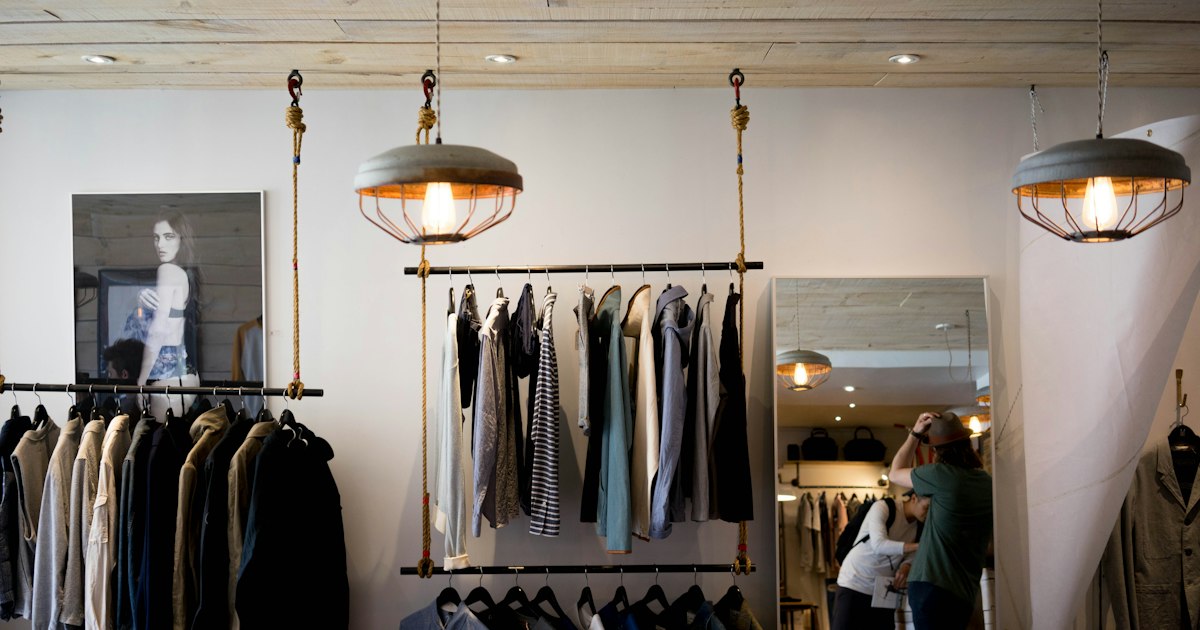
    Most visitors to Japan don’t plan a shopping stop for socks. Then they walk into a Tabio store, see a wall of foot-shaped displays organized by centimeter size rather than S/M/L, and leave with four pairs they didn’t know they needed. Tabio (靴下屋, “Kutsushita-ya,” literally “sock shop”) is Japan’s best-known sock specialty retailer, and it’s a useful case study in how seriously Japanese manufacturers treat even the most mundane everyday item. Here’s what makes the socks genuinely different, what to buy, and how to shop the stores without overpaying or overbuying.

    What Is Tabio, and Why Are Its Socks Different?

    Tabio was founded in 1968 and built its reputation entirely on socks — no shoes, no shirts, just socks, sold with the kind of attention to fit and construction usually reserved for footwear. The two things that separate Tabio from a three-pack of socks at a department store are sizing and seam construction.

    Sizing is done in centimeters that correspond to shoe size, not generic small/medium/large bands, so the heel and arch actually sit where your foot bends. Construction uses flat “linking” seams at the toe instead of the bulkier seams found in mass-produced socks, which is the main reason regular Tabio customers say the socks don’t bunch up or rub inside shoes. Many lines are still knitted in Japan using older, slower circular-knitting machines that produce a denser, more durable fabric than fully automated high-speed production — part of why a basic pair costs more than a convenience-store equivalent but tends to outlast it by a wide margin.

    The Nara Connection: Japan’s Sock-Making Heartland

    Tabio’s roots are in Nara Prefecture, and specifically the Hirokawa area, which has supplied a large share of Japan’s domestically produced socks for decades thanks to its textile mills and knitting factories. That regional specialization is why Japan treats socks as a category worth getting right, the same way certain towns specialize in knives, ceramics, or lacquerware. If you’re visiting Nara for the deer park and temples, it’s worth knowing the city’s other export is the sock on your feet.

    What to Buy: Tabio’s Signature Styles

    The lineup goes well beyond basic crew socks. The styles most worth seeking out as a visitor:

    • Five-toe (tabi-style) socks — individual toe pockets that reduce friction and are popular with hikers and people on their feet all day; also the most “only in Japan” souvenir in the lineup.
    • Silk liner socks — thin inner layers worn under a second pair for warmth without bulk, a classic Japanese winter layering trick.
    • Wool and wool-blend socks — genuinely warm, not just marketed as such, and a sensible pickup if you’re heading somewhere cold like Kusatsu Onsen in winter.
    • Pile-lined “room socks” — thick, slipper-like socks for bare floors and tatami, which pair naturally with a kotatsu at home.
    • Compression and support socks — a practical buy before a long flight home.
    • Kids’ and maternity sizing — harder to find well-made in these specific fits outside Japan.

    Price Guide: Budget to Splurge

    Tabio prices in yen, tax included, roughly as follows:

    • Budget (¥660–¥1,100): basic cotton crew socks and simple ankle socks — a reasonable everyday souvenir.
    • Mid-range (¥1,320–¥2,200): five-toe socks, wool blends, patterned or ribbed designs, and most of the silk liner range.
    • Splurge (¥2,750–¥5,500+): pure silk socks, premium merino lines, and gift-boxed sets — still cheaper than flying to Nara just to buy socks, but noticeably above convenience-store pricing.

    Buying three or four pairs at once is common practice among regulars, since the quality difference shows up most in socks you wear repeatedly, not the one pair you grab for a single trip.

    Where to Find a Store, and How to Shop One

    Tabio has branches concentrated in and around Tokyo Station, Shibuya, and other major shopping districts, plus locations in Osaka, Kyoto, and Nara itself. Store hours generally run with the host building — typically 10:00 or 11:00 to 20:00 or 21:00 for mall and station locations — so check the specific branch before a special trip, since hours shift with the department store or station building they sit inside.

    In-store, look for the foot-shaped size charts mounted on the wall or counter; matching your sock size to your shoe size (in cm) rather than guessing S/M/L is the single biggest difference from Western sock shopping. Staff are generally happy to help with fit if you ask, even with limited English — pointing at your shoe size works fine. If you’re assembling a broader wardrobe of Japan-only everyday wear during the same trip, Workman is a good complementary stop for technical outerwear and functional basics at low prices.

    Best Season to Buy and Common Mistakes

    Any time of year works, but the product mix shifts seasonally: wool and pile-lined socks appear from around October through February, while lighter cotton and linen-blend socks dominate the shelves from May through September. If you’re traveling in winter and want warm socks to go with a hanten or tanzen padded jacket, shop in the cooler months when the full wool range is in stock rather than clearance leftovers.

    The most common visitor mistakes: buying by eyeballed size instead of checking the cm chart (five-toe socks in particular fit poorly if sized wrong), assuming all Tabio socks are made in Japan when some lower-priced lines are imported — check the tag if domestic manufacture matters to you — and buying only one pair to “try it,” then not finding the same store again before flying home. Since sizes and limited-edition patterns sell out at individual branches, buying multiples on the spot is the safer bet if you find a style and size you like.

    Socks pack flat, weigh almost nothing, and survive a suitcase better than almost anything else on a Japan shopping list, which makes Tabio an easy stop to fold into a day that also includes bigger-ticket browsing — a swing through Plaza by Sony for gifts, for instance, or a wander through a neighborhood shopping street between sightseeing stops.