Japan Trove

Author: JapanTrove Editorial

  • Donabe: Japan’s Clay Hot Pot Cookware and Where to Buy One

    Donabe: Japan’s Clay Hot Pot Cookware and Where to Buy One

    Photo by Alien eyes on Unsplash

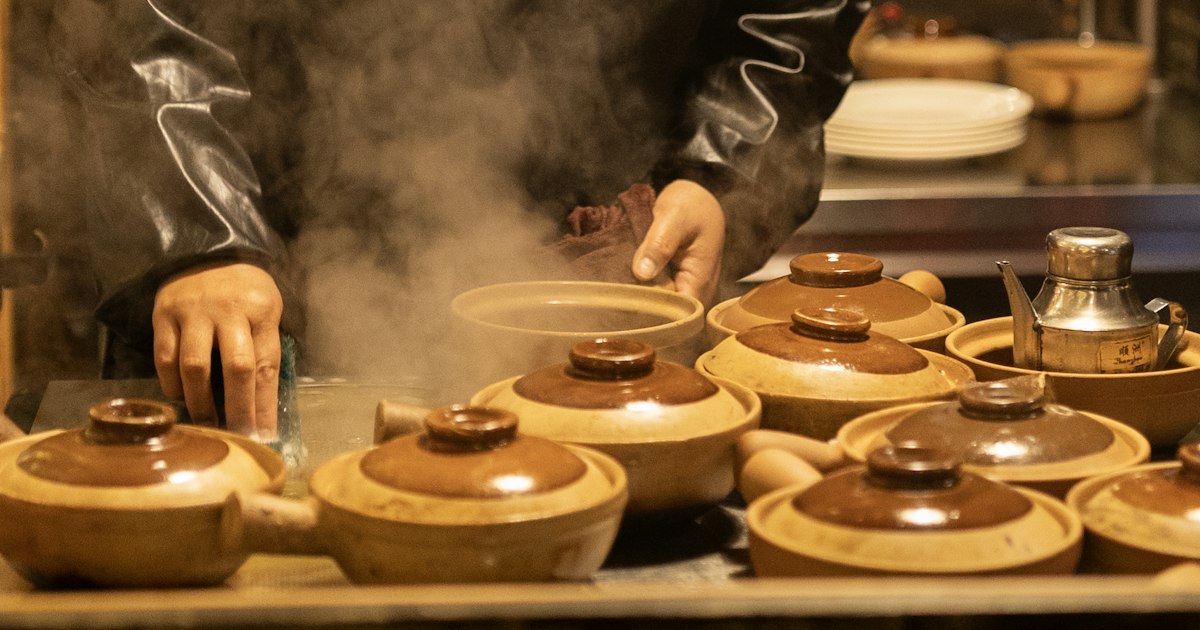
    If you’ve eaten nabe hot pot at a Japanese inn or watched rice steam under a heavy lid at a countryside restaurant, you’ve already met a donabe. These thick-walled clay pots are one of the most useful souvenirs you can bring home from Japan — not a decorative trinket, but a cooking tool you’ll actually reach for every winter. Here’s how to pick the right one, what it should cost, and where to buy it without getting stuck with a cracked pot or an unusable one back home.

    What Is a Donabe, Exactly?

    Donabe (土鍋, literally “earth pot”) are unglazed or partially glazed stoneware pots fired from clay that’s specifically chosen for its heat resistance and micro-porosity. That porous clay body is the whole point: it heats slowly and unevenly absorbs moisture, which is why donabe-cooked rice and hot pot broth taste rounder and less harsh than the same dish made in metal. The two most famous production regions are Iga, in Mie Prefecture, where the local clay contains ancient diatomaceous (fossil-shell) deposits that make it exceptionally heat- and shock-resistant, and Mashiko, in Tochigi Prefecture, known more broadly for folk-craft (mingei) pottery. You’ll also see Banko-yaki from Yokkaichi, which specializes in kyusu teapots and donabe alike.

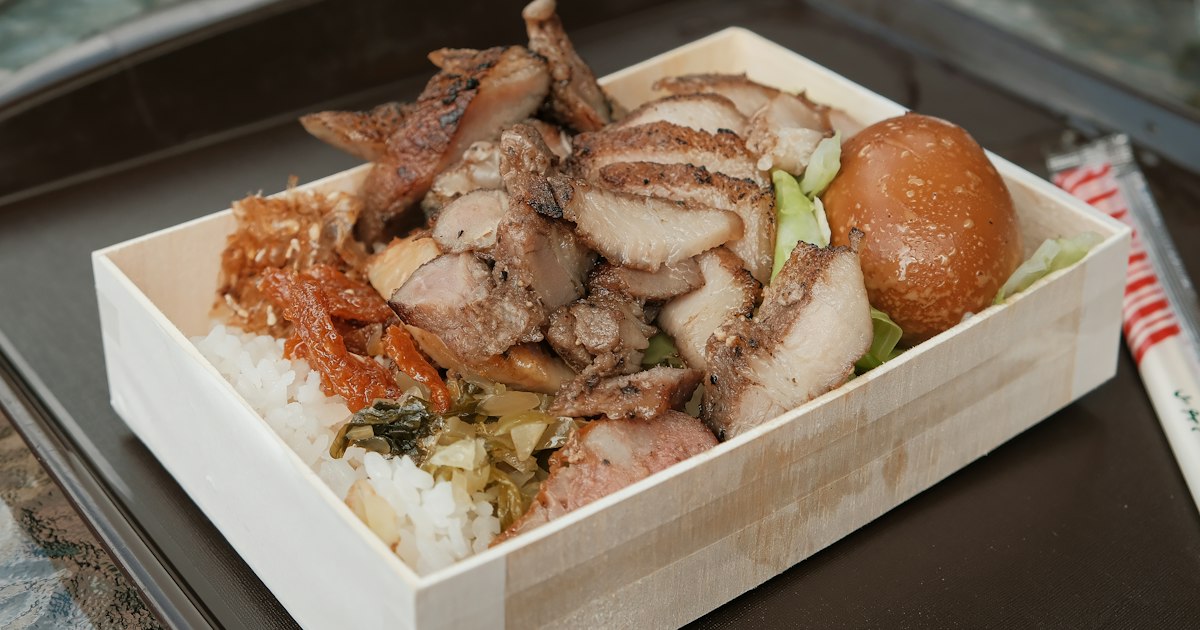
    Shapes fall into a few categories: round nabe pots for hot pot and soup, donabe rice cookers with a tight-fitting lid and steam vent (sold under names like Nagatani-en’s “Kamado-san”), and smaller individual-serving pots used for things like clay-pot rice similar to what you’d find in a kamameshi ekiben box.

    Budget, Mid-Range, and Splurge: What to Expect to Pay

    Prices vary by size and region, but as a rough guide:

    • Budget (¥2,500–¥5,000): Small 1–2 person nabe pots, often mass-produced Banko-yaki, sold at department store kitchen floors or Kappabashi shops. Fine for solo cooking or a starter pot.
    • Mid-range (¥6,000–¥15,000): Genuine Iga-yaki or Mashiko-yaki pots in the 3–4 person size, including well-known rice-cooking donabe like the Nagatani-en Kamado-san (around ¥10,000–¥14,000 depending on size).
    • Splurge (¥18,000–¥40,000+): Large family-size hot pot donabe from established kilns, artist-signed pieces, or sets with matching individual serving bowls. Some double-walled “flameproof” Iga pots designed for direct open-flame searing fall in this range too.

    A useful rule: if a donabe at a souvenir shop costs under ¥2,000, it’s likely decorative earthenware, not built for repeated direct-flame cooking. Ask explicitly whether it’s for “chokka kanetsu” (direct heat) use before buying.

    Where to Buy in Tokyo: Kappabashi Kitchen Town

    The easiest place for visitors to buy a quality donabe is Kappabashi Dougu Street (合羽橋道具街) in Asakusa, Tokyo’s wholesale kitchenware district. It’s a 5-minute walk from Tawaramachi Station (Ginza Line) or about 7 minutes from Asakusa Station. Most shops open around 9:30am–6pm and many close on Sundays, so check before a weekend trip. Look for Nitten or Kamata Kougei, both of which stock Iga-yaki and Banko-yaki donabe in multiple sizes and will let you compare lid fit and wall thickness in person — something you can’t judge well online. Staff are used to tourists and many stores will pack pots for flight travel on request.

    While you’re in the kitchenware mindset, it’s worth pairing a donabe purchase with other traditional cooking gear sold in the same district, like binchotan charcoal for tabletop grilling, or browsing a broader home and kitchen buying guide if you’re furnishing a kitchen rather than just adding one pot.

    Buying Direct From the Source: Iga and Mashiko

    If you have time for a day trip, buying from the kiln town itself gets you better selection and sometimes factory-outlet pricing. Nagatani-en in Iga City, Mie Prefecture, runs a showroom and shop near its kilns (access: Kintetsu line to Iga-Kambe, then the Iga Railway to Uenoshi Station, roughly 2.5–3 hours from Osaka or Nagoya). Mashiko, Tochigi, is reachable by a direct highway bus from Tokyo (Asakusa/Tokyo Station area, roughly 2 hours, around ¥2,600 one-way), and its main shopping street, Jonaizaka, is lined with independent potters’ shops where prices and styles vary store to store. Mashiko also hosts large pottery markets in early May and early November, when hundreds of kilns set up stalls with discounted seconds and one-off pieces — the best time to visit if price matters more than brand.

    Seasoning and Caring for Your Donabe (Common Mistakes)

    The single biggest mistake first-time owners make is skipping “metsuke” — seasoning a new, unglazed donabe before its first real use. Fill it with water (or thin rice-starch water, left over from rinsing rice) up to about 80% full, bring it very slowly to a simmer over low heat, and hold it for 20–30 minutes before letting it cool completely. This seals the porous clay and significantly reduces the chance of cracking later. Other common errors:

    • Thermal shock: Never add cold ingredients or water to an already-hot pot, and never set a hot donabe directly on a cold or wet countertop — the sudden temperature change is the most common cause of cracks.
    • Storing it wet: Unglazed clay absorbs moisture; dry the pot fully (air-dry for several hours, not just toweling it) before storing, or it can develop musty odors or mold.
    • Assuming it works on induction: Most traditional donabe are gas/direct-flame only. If you cook on an induction stove at home, look specifically for IH-compatible donabe (Ginpo is a well-known brand that makes these) or buy a separate induction converter plate.

    Fine surface crackling (called “kanyu”) in the glaze is normal and not a defect — it’s part of how these pots age.

    Best Time to Buy and Use One

    Donabe season in Japan runs roughly October through March, when hot pot (nabe) is on every izakaya menu and department stores roll out seasonal displays, making it the easiest time to find a wide selection. It’s also when you’re most likely to actually eat from one — many minshuku guesthouses serve dinner hot pot tableside in a donabe set over a portable burner, which is a good way to handle one before committing to a purchase.

    Getting It Home Safely

    Donabe are heavy and genuinely fragile in transit. For checked luggage, wrap the pot in clothing inside its box and pad the lid separately, since lids are the most common casualty. Many Kappabashi and kiln-town shops offer international shipping (EMS or a forwarder) for a fee, which is worth paying for anything over the mid-range price point rather than risking it in a suitcase.
  • Sanma: Japan’s Autumn Grilled Saury and Where to Try It

    Sanma: Japan’s Autumn Grilled Saury and Where to Try It

    Photo by Jan Ledermann on Unsplash

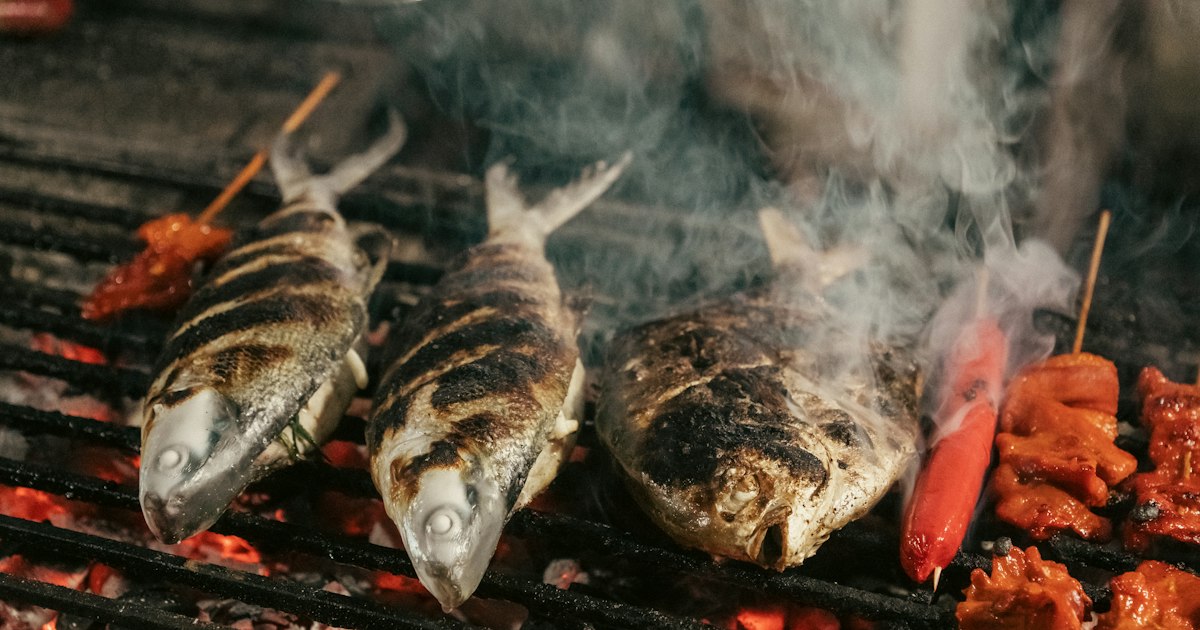
    Every September, something shifts on Japanese menus: whiteboards outside izakaya start advertising “sanma” in thick brush strokes, supermarket fish counters pile up silver, torpedo-shaped fish on ice, and the smell of charcoal smoke drifts out of narrow backstreet grill restaurants. Sanma — Pacific saury — is one of Japan’s most anticipated autumn foods, prized less for rarity than for its brief, perfect window of fattiness. If you’re visiting Japan between late summer and early winter, it’s one of the easiest, cheapest ways to eat like a local.

    What Is Sanma and Why Autumn Is Its Season

    Sanma (秋刀魚, literally “autumn sword fish”) is a slender, silver-skinned fish related to mackerel, caught in the cooler waters off Japan’s Pacific coast as it migrates south in autumn. The fish fattens up considerably as it prepares for its migration, so sanma caught from roughly late August through October is noticeably oilier and more flavorful than sanma caught earlier or later in the year. Peak quality is generally considered to be September into early October, though it stays on menus into December.

    It’s worth knowing that sanma catches have declined sharply over the past decade due to changing ocean conditions and increased fishing by other countries along its migration route, so prices have risen and portions sometimes shrunk compared to what older guidebooks describe. A single fresh sanma at a supermarket might run anywhere from 250 to 500 yen depending on the year’s catch, noticeably more than the under-100-yen prices it once had. It’s still good value — just don’t expect the rock-bottom prices of the past.

    How It’s Traditionally Served

    The classic preparation is shioyaki — salted and grilled whole over charcoal or a gas grill until the skin blisters and crisps. Traditionally this is done over binchotan charcoal, the same long-burning, high-heat charcoal used across Japanese grilling; if you’re curious about the fuel itself, our guide to binchotan charcoal covers why it’s prized for yakitori and fish alike. The fish is served whole, head and tail on, usually with a mound of grated daikon radish (daikon oroshi) and a wedge of sudachi or lemon. You squeeze the citrus over the fish, dab a little soy sauce onto the daikon, and eat the flesh off the bone in sections, working from the back toward the belly, where the richest, fattiest meat sits near the dark-colored innards.

    A genuine point of debate among locals is whether to eat the innards (harawata). They’re bitter and slightly metallic, closer to the taste of good dark chocolate or strong coffee than to typical fish liver — many sanma enthusiasts consider them the best part, but it’s completely normal to leave them if you’d rather not. No one will think less of you either way.

    Common Mistakes Visitors Make

    The biggest mistake is ordering sanma out of season expecting the same experience — a sanma teishoku (set meal) in April or May will be a thinner, blander fish, often frozen from the previous autumn’s catch. Another common misstep is trying to fillet the whole fish with a knife and fork; sanma is meant to be eaten by hand or with chopsticks, lifting the top fillet off the central bone in one motion, flipping, and repeating on the other side. Don’t be shy about asking staff for a demonstration — it’s a common enough question that most servers at traditional restaurants are used to it. Finally, many visitors skip the grated daikon, but it’s there to cut the fish’s oiliness, not just as decoration — use it.

    Where to Try Grilled Sanma

    Budget (900–1,500 yen): Teishoku-ya (set-meal diners) and casual izakaya are the easiest and cheapest places to try sanma shioyaki, usually served with rice, miso soup, and pickles. Chains and neighborhood diners across Tokyo and other cities put it on the autumn menu without much fanfare — look for handwritten signs reading 秋刀魚 or さんま outside storefronts from September onward.

    Mid-range (1,500–3,000 yen): Izakaya specializing in robata-yaki (fireside charcoal grilling) will often grill sanma to order in front of you, sometimes offering it alongside other seasonal autumn fish, paired well with a glass of shochu — if you want to go deeper into that pairing, our guide to Kagoshima’s shochu culture explains the regional spirit many izakaya pour alongside grilled fish.

    Splurge (4,000 yen+): Kappo-style restaurants and kaiseki courses in autumn frequently feature sanma as a seasonal course — sometimes simmered in soy and ginger (tsukeni) rather than grilled, or served as sashimi/tataki when the fish is fresh enough, a preparation rarely offered outside sanma season.

    Festival sanma (often free, but expect lines): Several Tokyo neighborhoods hold sanma festivals in early September, most famously around Meguro, where tens of thousands of fish — often donated by fishing towns in Iwate and Miyagi — are grilled over open charcoal braziers on the street and handed out, frequently free of charge, to anyone willing to queue. Lines can form hours before grilling starts, so arrive early and expect the smoke and crowds to be part of the experience rather than an inconvenience.

    Tohoku’s Sanma Ports

    If you’re traveling in the Tohoku region during autumn, towns like Kesennuma and Ofunato in Iwate and Miyagi prefectures are historically among Japan’s biggest sanma landing ports, and local market restaurants there serve it about as fresh as it gets. If your itinerary has you anywhere near Japan’s autumn holiday travel window, it’s worth checking our guide to Silver Week, since the crowds and train congestion of that holiday cluster often overlap with peak sanma season and are worth planning around.

    A Related Seasonal Fish

    If grilled whole fish turns out to be your thing, sanma isn’t the only seasonal catch worth seeking out — in summer, river restaurants across Japan serve ayu (sweetfish) in a very similar salt-grilled style. Our guide to grilled ayu and the riverside restaurants that serve it is a good next stop if you’re building a trip around Japan’s seasonal grilled-fish calendar rather than just its autumn stretch.

    Sanma rewards timing more than hunting down a specific famous shop — if you’re in Japan between September and November, you’re very likely to come across it without even trying. The better goal is simply ordering it when you see it, rather than waiting for a “best” version that mostly comes down to how recently the fish was caught.

  • Kamameshi: Japan’s Clay-Pot Rice Ekiben and the Stations Famous for It

    Kamameshi: Japan’s Clay-Pot Rice Ekiben and the Stations Famous for It

    Photo by wei on Unsplash

    If you’ve ever walked a Japanese train platform and seen someone carrying a small ceramic jar wrapped in a furoshiki cloth, you’ve spotted kamameshi — rice cooked and served in a miniature clay pot, usually topped with chicken, mushrooms, bamboo shoots, or seasonal mountain vegetables. Unlike most ekiben (station bento), which come in disposable trays, kamameshi comes in a real earthenware pot you can take home. That single detail turned a regional specialty into one of the most collected souvenirs on Japan’s rail network, and a handful of stations have built their reputation on it for decades.

    What Kamameshi Actually Is

    Kamameshi (釜飯) means “rice cooked in a kama,” the traditional iron or clay cooking pot. The ekiben version is a single-serving clay jar, usually unglazed on the outside and lined with rice that’s been steamed with dashi, soy sauce, and mirin, then layered with toppings — chicken and shiitake, scallop, eel, chestnut, or whatever the region is known for. The rice at the bottom often has a light scorched layer (okoge), which is considered the best part by regulars. It’s eaten cold or at room temperature, straight out of the pot, with the disposable wooden spoon tucked under the lid.

    The appeal isn’t really the flavor alone — it’s the ritual. You buy it from a platform vendor or station shop minutes before departure, settle into your seat, and the pot is still faintly warm. It travels well, doesn’t leak, and the clay container means the rice stays more textured than anything packed in plastic.

    The Station That Started It: Yokokawa

    Oginoya’s kamameshi at Yokokawa Station in Gunma Prefecture, on the old Shin’etsu Main Line, is the one that made the dish famous nationwide. It launched in 1958 as a way to give travelers something substantial during the long, slow climb over the Usui Pass before the bullet train era. The line itself was eventually truncated and the steep mountain section closed, but Oginoya kept selling the kamameshi, and it’s now sold at the Usui Pass Railway Heritage Park (the old Yokokawa Station site), at several service areas along the Kan-etsu and Joshinetsu expressways, and in department stores around Tokyo and Gunma. A standard chicken kamameshi runs about ¥1,080–¥1,200. If you’re driving between Tokyo and Nagano, the Yokokawa service area on the Joshinetsu Expressway is the most reliable place to get one hot off the shelf, typically available from around 8:00 am to 7:00 pm, though hours vary by outlet.

    Other Stations Worth Seeking Out

    Kamameshi culture spread well beyond Gunma, and each region has its own version:

    • Takasaki Station (Gunma) — also an Oginoya stronghold, with platform kiosks selling the same chicken kamameshi for Shinkansen travelers connecting from Tokyo.
    • Yokawa and Karuizawa — smaller vendors near the old Usui Pass route sell seasonal variations, including mountain vegetable and matsutake mushroom versions in autumn.
    • Toyama Station — famous for masu (trout) and shirami kamameshi using Toyama Bay seafood, priced around ¥1,300–‘1,500.
    • Yonezawa Station (Yamagata) — beef kamameshi made with locally raised Yonezawa beef, a splurge option at roughly ¥1,500–¥1,800.

    Most of these are sold from platform kiosks (often open only around peak departure times, roughly 7:00 am–8:00 pm) or from the station’s ekiben corner inside the ticket gates, which usually keeps standard station hours.

    How to Buy and Eat It Without Fumbling

    Ekiben vendors move fast and lines form right before popular limited-express and Shinkansen departures, so the easiest approach is to buy 15–20 minutes before your train rather than racing the platform at the last minute. Most kamameshi are sold already assembled and ready to eat cold, so there’s no heating step to worry about — just peel back the paper or cloth wrap, lift the lid, and the wooden spoon is usually tucked inside or taped to the side.

    Common mistakes:

    • Assuming it’s reheated on board. It isn’t. Kamameshi is designed to be good at room temperature; don’t go looking for a microwave.
    • Tossing the pot. The clay container is reusable — people genuinely wash and keep these for soup, rice storage, or as a small planter. If you’re flying home, wrap it well; it’s heavier than it looks and the lid can chip.
    • Buying right as the train pulls up. Popular flavors (chestnut and seasonal mushroom versions in particular) sell out before the last departures of the day.
    • Expecting it everywhere. Kamameshi isn’t a universal ekiben — it’s concentrated in Gunma, Nagano, Toyama, and Yamagata. Don’t expect to find it at, say, a Kyushu station.

    Best Season and Timing

    Kamameshi is sold year-round, but autumn (late September through November) is the best window because that’s when mushroom and chestnut toppings appear — the mountain vegetable and matsutake versions are seasonal limited editions at several Gunma and Nagano outlets. Winter versions sometimes feature root vegetables and heartier broths. If you’re building an autumn itinerary around food, it pairs naturally with other seasonal trips — plum and foliage-season day trips like Dazaifu’s plum blossom season follow the same logic of timing travel around what’s in season, and if you’re traveling during Japan’s autumn holiday cluster, it’s worth checking Japan’s Silver Week guide since stations get noticeably busier and ekiben sell out faster.

    Budget, Mid-Range, and Splurge Picks

    For a quick comparison while planning a rail itinerary:

    • Budget (~¥900–¥1,100): Standard Oginoya chicken kamameshi at Yokokawa service area or Takasaki Station — the most widely available version.
    • Mid-range (~¥1,300–¥1,500): Toyama’s seafood kamameshi, worth the stop if you’re already changing trains there en route to Kanazawa.
    • Splurge (~¥1,500–¥1,800): Yonezawa beef kamameshi, a reasonable one-time treat if you’re passing through Yamagata on the Yamagata Shinkansen.

    None of these require a reservation — they’re grab-and-go purchases, which makes them one of the easiest “real” regional meals to work into a tight train-transfer schedule. If you’re stringing together a food-focused rail trip, it’s worth pairing a kamameshi stop with other portable regional specialties, the same way grilled ayu sweetfish is tied to specific riverside towns rather than available everywhere.

    Getting There

    Yokokawa and Takasaki are both reachable from Tokyo via the JR Joetsu Shinkansen and local lines (Takasaki is about 50 minutes from Tokyo Station on the Shinkansen; Yokokawa requires a further local transfer or a short drive). Toyama is about 2 hours from Tokyo on the Hokuriku Shinkansen. Yonezawa is roughly 2 hours from Tokyo on the Yamagata Shinkansen. All of these are easily added as a stop on a longer Tohoku, Hokuriku, or Nagano-bound itinerary rather than a dedicated day trip — the kamameshi is meant to be bought on the way through, not the sole reason for the detour.

  • Hanten & Tanzen: Japan’s Traditional Padded Winter Jackets and Where to Buy

    Hanten & Tanzen: Japan’s Traditional Padded Winter Jackets and Where to Buy

    Photo by Teslariu Mihai on Unsplash

    If you’ve stayed at a ryokan or minshuku in the colder months, you’ve probably already worn one without knowing its name: a short, boxy, quilted jacket hanging in your room, meant to be thrown over a yukata before you shuffle down to the bath. That’s a hanten, or its longer cousin, a tanzen — and outside of lodging freebies, both make genuinely useful, good-looking souvenirs for anyone visiting Japan between November and March. Here’s what they are, what they cost, and where to actually buy one.

    What Hanten and Tanzen Actually Are (and How They Differ)

    Both are padded with cotton wadding (wata) sandwiched between two layers of fabric, which is what makes them genuinely warm rather than just decorative — this is the same construction logic behind futon bedding, and it traps air far better than a thin synthetic liner. The difference is length and function:

    • Hanten is hip- or thigh-length, cut like a simple kimono-style jacket with no overlap in front (it closes with ties or just hangs open), and no obi needed. It’s workwear turned loungewear — the kind of thing a shopkeeper or craftsman wore for warmth while keeping their hands and arms free.
    • Tanzen (also called dotera in some regions) is a full-length robe, worn like a thick kimono over a yukata, usually tied with a simple sash. It’s what you’ll find in your ryokan closet in winter, meant to be worn around the inn, not outdoors.

    Neither is the same as a happi coat — the light, unpadded cotton coat worn at summer festivals (matsuri). Shoppers sometimes buy a happi thinking it will be warm; it won’t be, since it has no wadding at all.

    Reading the Designs: Sashiko, Firefighter Motifs, and Family Crests

    Part of what makes hanten fun to shop for is the design language. Traditional ones often carry:

    • Sashiko stitching — the geometric white-on-indigo running-stitch patterns (diamonds, waves, hemp-leaf shapes) that were originally used to reinforce workwear fabric.
    • Firefighter and festival motifs — bold kanji, ladder patterns, or the circular crests (mon) once used by Edo-period firefighting brigades, now mostly decorative.
    • Plain indigo or navy cotton — the simplest and most versatile option, closer to what shop staff or craftspeople actually wore.

    If a Japanese family crest or kimono-adjacent accessory has caught your eye, it’s worth pairing a hanten shopping trip with a browse through our guide to obi belts — a simple obi-style sash is sometimes sold alongside tanzen as a cinch, and the same shops tend to carry both.

    Where to Buy Them in Japan

    Asakusa, Tokyo is the easiest starting point. The streets just off Nakamise-dori and around Denboin-dori have several kimono and yukata specialty shops that stock hanten seasonally, generally open around 10:00–18:00, with no fixed closing day but reduced hours on some weekdays — it’s worth checking before a special trip. The area is walkable from Asakusa Station (Tokyo Metro Ginza Line, Toei Asakusa Line, or Tobu Skytree Line).

    Kyoto’s Nishijin district, historically the center of Japan’s weaving industry, has textile shops that sell higher-end sashiko and silk-faced hanten, often alongside obi and kimono fabric remnants.

    Department store kimono floors (depato) in any major city stock hanten and tanzen seasonally, usually from late October through February, on the same floor as yukata and other traditional wear — ask staff for “hanten” (はんてん) if you don’t see them displayed.

    Don Quijote and discount variety stores carry cheap, machine-made polyester-fill versions year-round in winter, often in novelty prints — fine as a cheap souvenir, not as a long-term piece.

    Secondhand and vintage hanten, often decades old with genuinely interesting hand-stitched patterns, show up regularly on Mercari. If you haven’t used the app before, our guide to buying on Mercari Japan from abroad covers how foreign buyers can get a Japanese shipping address and navigate listings — search “半纏” (hanten) or “丹前” (tanzen) rather than the English romanization, since results are far more plentiful.

    Neighborhoods with a concentration of small textile and craft workshops, like the area around Monzen-Nakacho, are also worth a detour if you’re already in the area and want a quieter, less touristy shopping experience than Asakusa.

    Budget, Mid-Range, and Splurge Picks

    • Budget (¥2,500–5,000): Machine-made, polyester-fill hanten from discount stores or souvenir shops. Warm enough for indoor lounging, not built to last years.
    • Mid-range (¥8,000–18,000): Cotton-wadded hanten with sashiko stitching or dyed patterns from a specialty kimono shop. This is the sweet spot for most visitors — genuinely warm, well-made, and still reasonably packable.
    • Splurge (¥25,000–60,000+): Hand-stitched sashiko work, silk-faced panels, or made-to-measure pieces from artisan workshops, particularly in Kyoto. Tanzen at this tier are often heavier and intended as a proper at-home robe rather than a travel souvenir.

    Best Time to Shop and Sizing Tips

    Shops stock up heaviest from late October through December, which is also when selection is best. End-of-season sales run January through February, sometimes knocking 20–30% off remaining stock — a good option if you’re visiting in deep winter and don’t mind a narrower color selection.

    Sizing is usually S/M/L/LL based on chest width and body length rather than exact measurements, and hanten run roomy by design — they’re meant to go over a sweater or yukata, not fit snugly. If a shop has English-speaking staff, ask them to measure you with the kimono-style tape rather than guessing from Western jacket sizing, since the proportions (short sleeves, wide body) don’t map directly.

    Common Mistakes to Avoid

    • Confusing hanten with happi. Festival happi coats look similar but have no padding — fine for a summer matsuri, useless in January.
    • Assuming it’s an outdoor coat. Hanten and tanzen are loungewear, not wind- or rain-proof outerwear. Layer them indoors or over other warm clothing for a quick errand, not for a day outside in snow.
    • Taking home the ryokan’s loaner tanzen. Unlike some yukata, which inns sometimes let guests keep or buy, the in-room tanzen at a minshuku or ryokan is shared property for guests, not a gift — ask at the front desk if you’d like to purchase a similar one rather than packing the room’s.
    • Machine-washing a cotton-wadded piece. This is the single most common way a nice hanten gets ruined — the wadding clumps and shifts permanently.

    Caring for Your Hanten Once You’re Home

    Cotton-wadded hanten and tanzen should be hand-washed cold or dry-cleaned, then air-dried flat or on a wide hanger — never wrung out or tumble-dried, since heat and agitation both flatten the wadding unevenly. Store it folded rather than hung for long stretches, in a breathable cotton bag if possible, and air it out at the start of each winter before wearing. A well-made mid-range piece, cared for this way, will easily outlast a decade of winters.

  • Dazaifu: Fukuoka’s Scholarly Shrine Town and Plum Blossom Season

    Dazaifu: Fukuoka’s Scholarly Shrine Town and Plum Blossom Season

    Photo by Hiroshi Tsubono on Unsplash

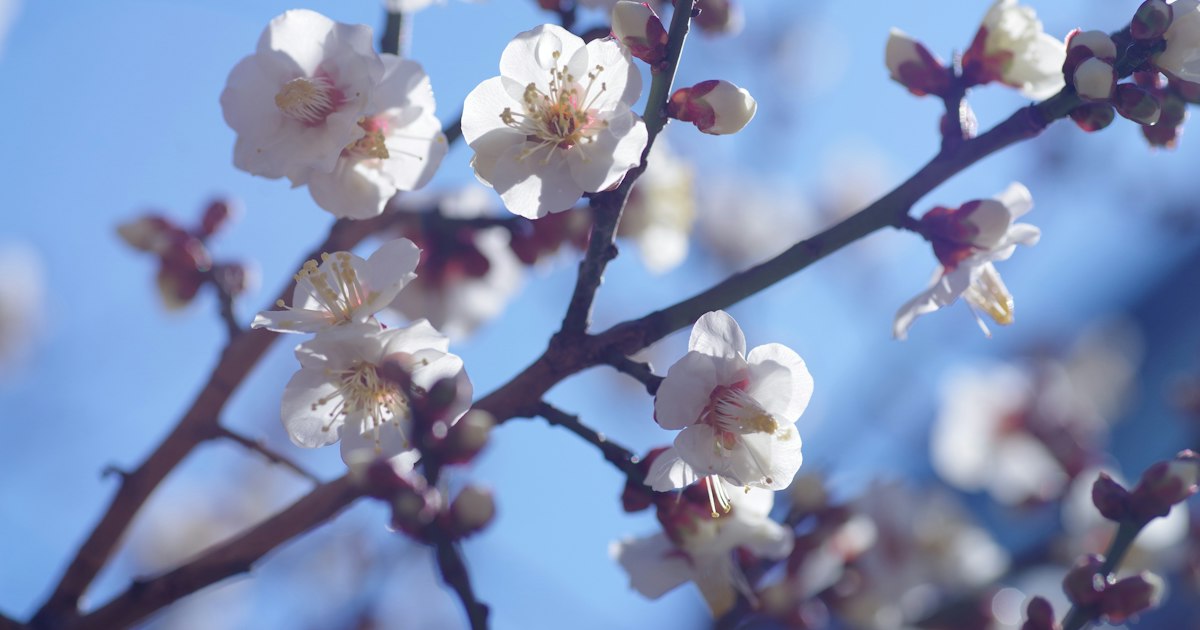
    Thirty minutes outside Fukuoka City, Dazaifu feels like a different century. It’s a small town built almost entirely around one shrine — Dazaifu Tenmangu, dedicated to the ninth-century scholar-poet Sugawara no Michizane, who was exiled here and, after his death, deified as the god of learning. Students across Japan still travel to pray here before exams, and every February the shrine’s thousands of plum trees turn the whole precinct pink and white, tying back to a poem Michizane wrote about the plum tree he left behind in Kyoto. It’s an easy half-day or full-day trip from Fukuoka and one of the better-value destinations in Kyushu.

    Why Dazaifu Matters: A Shrine Built for a Scholar

    Dazaifu wasn’t always a quiet shrine town — during the Nara and early Heian periods it was the administrative and military headquarters for all of Kyushu, essentially a regional capital. Michizane was sent here in 901 as a political exile, a demotion from his post in the imperial court, and died two years later. Misfortunes back in the capital were blamed on his angry spirit, so the court deified him as Tenjin, god of scholarship, and built Dazaifu Tenmangu over his grave. That origin story is why the shrine is less about grand spectacle and more about the specific, earnest ritual of students writing wishes on wooden ema plaques before entrance exams — you’ll see this year-round, but especially heavily from January through March, exam season in Japan.

    Getting There from Fukuoka

    The easiest route is the Nishitetsu train, not JR. From Nishitetsu Fukuoka (Tenjin) Station, take the Nishitetsu Tenjin Omuta Line to Nishitetsu Futsukaichi Station (about 15 minutes), then transfer to the short Nishitetsu Dazaifu Line for the final two stops to Dazaifu Station (about 5 minutes). Total travel time is roughly 30 minutes, and the one-way fare is around 420 yen. Trains run frequently, so there’s no need to book ahead. From Dazaifu Station, it’s a flat, easy 5-10 minute walk down the covered approach street to the shrine gates — this is also where most of the food stalls and souvenir shops are, so budget extra time for browsing on the way in or out.

    If you’re coming from Hakata Station on JR, you can take a local train to Futsukaichi and then a short bus or 15-minute walk, but it’s a less direct option than the all-Nishitetsu route. There’s no need for a rental car; parking near the shrine is limited and the train is faster during the day.

    When to Go: Plum Blossom Season and Beyond

    Dazaifu Tenmangu has roughly 6,000 plum trees on its grounds, and the famous one — the “flying plum” (tobiume) beside the main hall — is said to have followed Michizane from Kyoto to Dazaifu overnight out of devotion. Peak bloom typically runs from early February to early March, with the exact window shifting year to year depending on winter temperatures; mid-to-late February is usually the safest bet. This is also entrance exam season, so you’ll see the shrine at its most emotionally charged, with students and parents praying intensely at the honden.

    Outside plum season, early autumn is pleasant and far less crowded, and the shrine grounds themselves are attractive any time of year thanks to the arched Taiko bridge and large pond. Avoid Japanese public holidays and weekends in February if you want to move through the grounds without a crowd — weekday mornings, ideally before 10am, are noticeably quieter. The shrine grounds are open roughly 6am to 7pm (hours shift seasonally) and are free to enter; the treasure hall and adjoining garden charge a separate admission, around 500 yen for adults.

    What to See Beyond the Main Shrine

    Don’t rush straight back to the train after the main hall — Dazaifu rewards a slower pace. A long, partly underground moving walkway connects the shrine precinct to the Kyushu National Museum, one of only four national museums in Japan and the only one outside the Honshu-Shikoku-Kyushu “mainland” cluster. It focuses on Japan’s historical exchange with the rest of Asia and is worth 60-90 minutes; adult admission is around 700 yen, with special exhibitions priced separately.

    A 10-minute walk from the shrine, Komyozenji Temple is a quiet counterpoint to Tenmangu’s crowds — a small Zen temple with a raked-gravel dry garden out front and a moss garden behind, both viewable for a token entry fee of around 200 yen. It rarely appears on rushed itineraries, which is exactly why it’s worth the detour if you want a few minutes of stillness.

    Eating Your Way Down the Approach Street

    The approach street (sandō) leading to the shrine is lined with shops selling Dazaifu’s signature snack, umegae mochi — a thin, slightly crisp grilled mochi cake stamped with a plum blossom pattern and filled with sweet red bean paste. Most shops sell them fresh off the grill for around 150-160 yen each, and multiple long-running shops (Kasanoya and Umegaemochi Souhonten among them) compete along the same stretch, so it’s worth comparing a couple before committing. It’s a lighter, more portable cousin to the red bean desserts covered in our guide to zenzai and oshiruko, and a good quick bite between the station and the shrine gate rather than a sit-down meal.

    Common Mistakes to Avoid

    • Treating it as a quick photo stop. The shrine grounds plus museum plus Komyozenji easily fill 3-4 hours; rushing it to catch an earlier train back to Fukuoka means missing most of what makes Dazaifu worthwhile.
    • Going on a weekend during peak plum bloom without a plan. The approach street gets genuinely packed in mid-to-late February weekends. If your dates are flexible, a weekday morning visit is dramatically calmer.
    • Assuming JR gets you there directly. The Nishitetsu line is the standard route from central Fukuoka; checking a generic train app without specifying Nishitetsu stations can send you on a slower, more complicated path.
    • Skipping rain gear in winter. February in Fukuoka brings cold rain as often as clear skies; a compact umbrella is worth carrying, and our guide to Japan’s clear vinyl umbrellas covers where to grab a sturdier one than the convenience-store minimum if yours gives out.

    Where to Stay

    Dazaifu itself has limited lodging, so most visitors base themselves in Fukuoka City and day-trip in — Tenjin or Hakata areas put you within the same 30-minute Nishitetsu ride and give you far more dining and nightlife options in the evening. If you’d rather slow down and stay somewhere more local and personal than a city hotel, it’s worth reading our guide to booking a minshuku, as small family-run guesthouses do exist in the quieter parts of greater Fukuoka and northern Kyushu. And if Dazaifu is one stop on a broader Kyushu itinerary, it pairs naturally with destinations further south — our Kagoshima and Sakurajima guide is a useful next stop if you’re building out a longer regional loop rather than a single Fukuoka day trip.

  • Kagoshima & Sakurajima: Kyushu’s Smoking Volcano City and Its Shochu Culture

    Kagoshima & Sakurajima: Kyushu’s Smoking Volcano City and Its Shochu Culture

    Photo by Geoff Oliver on Unsplash

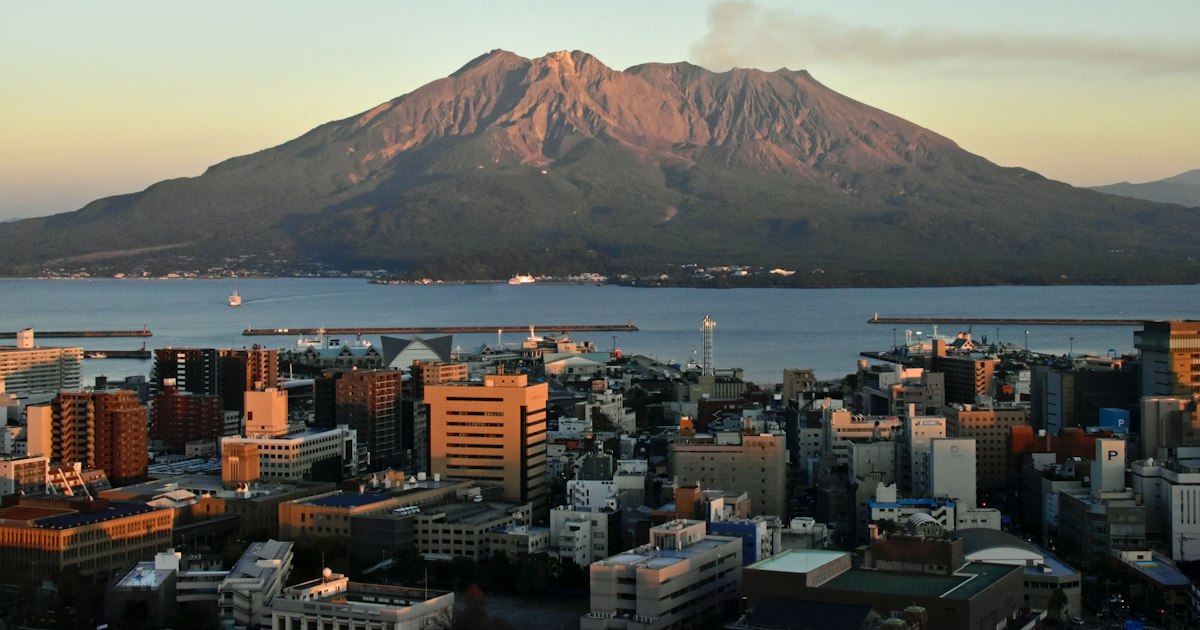
    Kagoshima is the only city in Japan where an active volcano smokes directly across the harbor from the downtown shopping arcades, and where residents sweep volcanic ash off their porches the way other cities sweep up fallen leaves. Pair that with Kagoshima Prefecture’s status as Japan’s biggest producer of shochu, and you get a destination that feels distinct from anywhere else in the country — equal parts geology lesson, food trip, and small-city charm. Here’s how to see Sakurajima properly and drink like a local while you’re at it.

    Getting to Kagoshima

    The Kyushu Shinkansen connects Hakata (Fukuoka) to Kagoshima-Chuo Station in about 1 hour 20 minutes on the fastest Mizuho services, with one-way reserved-seat fares around ¥10,500–11,000. From Tokyo or Osaka, flying into Kagoshima Airport is faster overall — roughly 1 hour 45 minutes from Haneda — though the airport sits about 40 minutes from downtown by limousine bus (around ¥1,800 one-way). Kagoshima-Chuo is the city’s transport hub; from there, the Kagoshima City View sightseeing bus loops past most major sights, including Sengan-en, for a flat fare of around ¥200 per ride or ¥600 for a one-day pass.

    Sakurajima: Riding the Ferry to an Active Volcano

    Sakurajima sits in Kagoshima Bay and has been erupting in small, frequent bursts for decades — it’s one of the most active volcanoes in Japan, and minor ash emissions are a near-daily occurrence rather than a rare spectacle. The ferry to the island departs from Kagoshima Port, about 15–20 minutes by bus or taxi from Kagoshima-Chuo Station (not from the station itself, which trips up first-timers). The crossing takes just 15 minutes and, unusually for a Japanese day trip, the ferry runs 24 hours a day, with departures every 10–15 minutes during the daytime — so there’s no need to clock-watch for a “last boat.” Fare is a flat ¥200 per adult, paid in cash after you disembark on the Sakurajima side, not before boarding.

    On the island, the free Sakurajima Visitor Center (open 9:00–17:00) near the ferry terminal has clear, English-friendly displays on the volcano’s eruption history and current activity. Right outside, the free Yojin Tamateyu foot bath is a nice way to soak tired feet while staring at the crater. To get farther around the island, hop on the Sakurajima Island View loop bus (around ¥440 per ride, or a ¥500 day pass), which stops at the Arimura Lava Observatory and climbs to Yunohira Observatory, the highest point open to the public at 373 meters — this is as close as visitors are allowed to get; actual crater hikes are off-limits due to ongoing activity.

    Walking the Lava Trail and Living with Ash

    The Arimura Lava Trail is an easy 1.5 km walkway through solidified lava fields from the massive 1914 eruption, which was so large it fused Sakurajima to the Osumi Peninsula and turned what had been an island into a peninsula itself. Wear closed shoes — the lava rock is sharp and uneven, and sandals are a common regret here.

    Ash fall is the city’s daily reality, and it’s worth planning around it rather than being surprised by it. Winds tend to carry ash away from downtown in winter and toward the city in summer, so if you want the clearest skyline views of the volcano, aim for a visit between November and February. The city hands out free, clear plastic ash-collection bags to residents for sweeping up deposits, and locals often carry a small umbrella on hazy days — less for rain than for shielding against grit in the air, a habit not unlike the convenience-store clear vinyl umbrella culture found everywhere else in Japan.

    Sengan-en and the City’s Volcano Views

    Back on the mainland, Sengan-en is the former seaside garden of the Shimazu clan, who ruled this region for nearly 700 years, and it’s deliberately designed to frame Sakurajima as a “borrowed scenery” backdrop across the bay. Entry to the garden plus the adjoining Shoko Shuseikan museum (housed in Japan’s oldest surviving Western-style factory building) runs around ¥1,600; the garden alone is cheaper. It’s open daily from roughly 9:00 to 17:00 and is one of the better photo spots for the volcano when ash haze isn’t in the way. Tenmonkan, the city’s main covered shopping and nightlife arcade, is a 10–15 minute walk or short tram ride from Kagoshima-Chuo and the best base for dinner, bars, and browsing.

    Shochu Culture: Kagoshima’s Sweet Potato Spirit

    While most of Japan drinks sake, Kagoshima Prefecture produces more shochu than anywhere else in the country, built on volcanic soil that happens to be ideal for growing sweet potatoes. The result is imo-jochu, a distilled spirit around 25% ABV with an earthy, slightly sweet character very different from rice-based spirits. Satsuma shochu (Satsuma being the old name for this region) holds a protected geographical indication, similar to Champagne or Cognac, so a bottle labeled this way is guaranteed to be made here from local ingredients.

    Locals rarely drink it neat or chilled — the common styles are on the rocks, mizuwari (cut with water), oyuwari (cut with hot water, especially in winter), or maewari, where it’s pre-diluted with water the night before to mellow the flavor. Izakaya around Tenmonkan typically stock dozens of local labels and will happily recommend one if you ask for something smooth for a beginner versus something more traditionally funky. A few distilleries around the prefecture, including Hamada Shuzo (makers of the popular, fruit-forward Daiyame label), open their doors for tours and tastings — check current days and hours before heading out, as they vary by season. If you fall for a particular label and can’t find it back home, tracking down rarer bottles later through resale is realistic — our guide to buying on Mercari Japan from abroad covers how to do that.

    Side Trips: Ibusuki’s Sand Baths and Chiran’s Samurai Streets

    Two worthwhile half-day trips extend a Kagoshima stay. Ibusuki, about 50 minutes south by the Nanohana limited express train, is famous for sunamushi — naturally heated black sand baths where attendants bury you up to the neck on the beach. Saraku Sand Bath Hall charges roughly ¥1,100–1,500 including yukata rental. Chiran, reachable by bus in about an hour, preserves a row of Edo-period samurai residence gardens (entry around ¥530 for the set of seven) and is also home to a sobering museum dedicated to the kamikaze pilots who trained nearby during WWII.

    For overnight stays near either of these spots, small family-run lodgings are common and often the best value — see our guide to booking a minshuku for how that process works if you don’t speak Japanese.

    Practical Tips and Common Mistakes

    Don’t expect to summit Sakurajima’s crater — no trail goes there, and the volcano is monitored for exactly that reason. Check a weather and wind forecast before committing to a “best view” day, since haze and ash can hide the mountain entirely even on a clear-feeling afternoon. Bring small bills for the ferry fare, collected on arrival rather than at the ticket window in Kagoshima. If your trip falls in late September, note that national holidays cluster that week — our overview of Japan’s Silver Week is useful for avoiding the busiest local crowds on the ferry and at Sengan-en. And if volcanic hot spring towns are your thing, Kagoshima pairs naturally with a detour to Unzen Onsen in Nagasaki, another Kyushu town built around dramatic geothermal activity.

  • Gotokuji Temple: Tokyo’s Lucky Cat (Maneki-neko) Shrine and Its Sea of Statues

    Gotokuji Temple: Tokyo’s Lucky Cat (Maneki-neko) Shrine and Its Sea of Statues

    Photo by Elise Heikamp on Unsplash

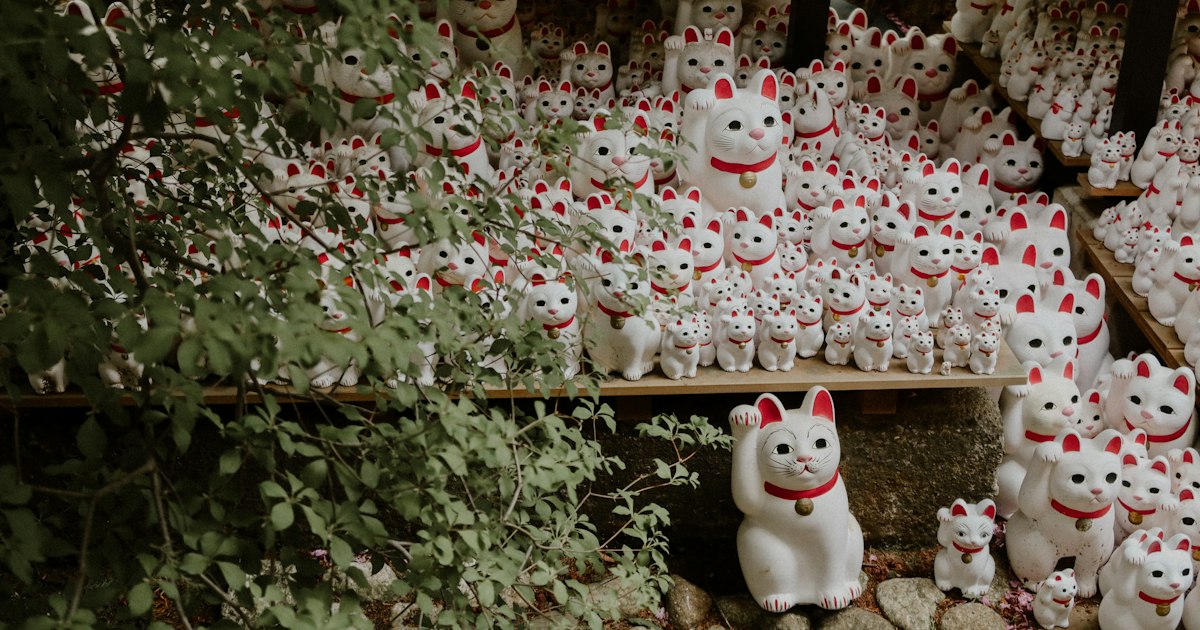
    Tucked into a quiet residential pocket of Setagaya, Gotokuji Temple doesn’t look like much from the street — just another Soto Zen temple with a cemetery and a pagoda. Then you round a corner and find thousands of small white ceramic cats staring back at you, paws raised in a permanent beckoning wave. This is where the maneki-neko, Japan’s famous “lucky cat” figurine, is said to have originated, and it’s one of the few places in Tokyo where a genuinely odd, photogenic sight costs nothing to see and sits almost entirely off the main tourist track.

    The Legend Behind Tokyo’s Luckiest Cats

    The story goes that in the 17th century, a feudal lord named Ii Naotaka was riding past Gotokuji during a thunderstorm when he saw a temple cat raising its paw as if beckoning him inside. He followed it in, took shelter, and narrowly avoided being struck by lightning (or, in some versions, simply received a cup of tea and a dharma talk that moved him). Grateful, he became a patron of the temple, and the Ii family’s fortunes — and the temple’s — grew. When the cat eventually died, the monks enshrined it, and the beckoning-cat motif became the temple’s symbol.

    Worth knowing before you go: Imado Shrine in Asakusa also claims to be the maneki-neko’s birthplace, and you’ll find this argument repeated on both sides with total confidence. There’s no definitive answer, so don’t be thrown off if you see competing claims — Gotokuji is the one most historians and most of the cat-statue tourism actually centers on.

    What You’ll Actually See at Gotokuji

    The cat field sits beside the temple’s three-story pagoda (built in 2006, with small carved cats worked into its details), and it’s exactly as described: tiered wooden shelves packed with maneki-neko figurines of every size, from palm-sized to nearly a foot tall, all facing roughly the same direction, all with one paw raised. Visitors buy a cat from the temple’s small shop, write a wish on it (or just hold it in mind), and either take it home or leave it on the shelves as an offering — which is why the collection keeps growing year over year rather than shrinking.

    The rest of the grounds are genuinely peaceful: a working cemetery, mature trees, and the graves of the Ii family, including Ii Naosuke, the Edo-period statesman assassinated in 1860 in the famous Sakuradamon Incident. It’s a real historical site, not a theme park, and the contrast between the solemn cemetery and the cheerful wall of cats is part of what makes the place memorable.

    Getting There

    Gotokuji is in Setagaya Ward, and there are two reasonable approaches:

    • Odakyu Line to Gotokuji Station — about 15 minutes from Shinjuku on a local train, then a 5–10 minute walk to the temple.
    • Tokyu Setagaya Line to Miyanosaka Station — this quaint, two-car local tram line connects from Sangenjaya (itself reachable via the Denentoshi Line from Shibuya), and Miyanosaka is only about a 5-minute walk from the temple gate, making it the closer option if you’re coming from that side of the city.

    Entry to the temple grounds is free, and there’s no gate or ticket booth — it functions like most neighborhood temples in Japan, open to the public roughly from early morning to early evening (a commonly cited window is around 6:00am–6:00pm, though this isn’t rigidly enforced the way a museum’s hours would be). There’s no admission fee, no English signage push, and no crowds funneling you through — bring cash for the cat shop since it’s a small operation.

    Best Time to Visit

    Weekday mornings are the sweet spot if you want photos of the cat shelves without other visitors in frame — this has become a popular stop for both tourists and Japanese visitors doing a “lucky spot” tour of Tokyo, and weekend afternoons can get surprisingly busy for such a small site. Spring brings cherry blossoms to the grounds, which pair nicely with the pagoda in photos, but the cats themselves are a year-round draw with no real seasonal advantage either way. Avoid treating this as a long stop — most visitors spend 20–40 minutes here, which makes it easy to combine with other low-key Tokyo neighborhoods for a half-day loop, similar in pace to a visit to Monzen-Nakacho on the other side of the city.

    Buying Your Own Maneki-neko (and Common Mistakes)

    The temple shop sells plain white ceramic cats in a few sizes, generally running from around ¥300 for the smallest to a few thousand yen for larger figures — simple, unglazed, and deliberately uniform rather than the colorful painted versions sold as souvenirs elsewhere in Japan. A goshuin (temple stamp) booklet entry, if you collect them, typically costs around ¥300.

    • Budget: A small cat (¥300–500) plus free entry is the whole trip.
    • Mid-range: A medium figurine (¥1,000–3,000) to display at home, often bought alongside a goshuin stamp.
    • Splurge: Larger statues or a full set in different sizes, running ¥5,000 and up.

    The most common mistake is expecting a shopping street or souvenir market — there isn’t one. This is a quiet, working temple with a cemetery, so keep voices down near the graves and don’t treat the whole site as a photo backdrop. The second common mistake is confusing Gotokuji with Imado Shrine and being surprised the “famous lucky cat street” of Asakusa isn’t here; Gotokuji is residential and understated by design. If you want colorful, painted maneki-neko as gifts rather than the plain temple-style ones, those are easier to find at shops near Asakusa or in general souvenir stores, and if you’re shopping for Japanese cat goods after you’re home, secondhand and specialty maneki-neko figures also turn up regularly on sites covered in guides like buying on Mercari Japan from abroad.

    Making the Most of the Visit

    Because the cat shelves are visually striking but the surrounding temple is hushed, this is a good spot to slow down rather than rush through for a single shot. If you’re someone who likes a physical keepsake beyond the figurine itself, this is also a natural place to use an instant camera — the dense rows of identical cats make for one of the more satisfying instant-print compositions in Tokyo, and if you need film or a camera before you go, it’s worth checking a guide to Instax Cheki culture and where to buy film. There’s no café or rest area on-site, so plan your coffee stop in Gotokuji or Sangenjaya before or after.

    Gotokuji rewards visitors who treat it as what it is: a real, still-functioning Buddhist temple that happens to have an extraordinary, slightly surreal detail tucked into one corner. Go early, go quietly, and budget half an hour — it’s one of Tokyo’s best free sights precisely because almost no one oversells it.

  • Minshuku: Japan’s Family-Run Guesthouses and How to Book One

    Minshuku: Japan’s Family-Run Guesthouses and How to Book One

    Photo by Viviana Nysaether on Unsplash

    Somewhere between a budget hotel and a full-service ryokan sits the minshuku: a family-run guesthouse where you sleep on futon in a tatami room, eat breakfast at a shared table, and often chat with the owner about the best fishing spot or hiking trail in town. Minshuku exist all over Japan, from fishing villages in Okinawa to ski towns in Nagano, and they’re one of the best ways to stay somewhere affordable while actually meeting Japanese people instead of just passing through a lobby. Here’s what they actually are, what they cost, and how to book one without the usual language-barrier headaches.

    What Exactly Is a Minshuku?

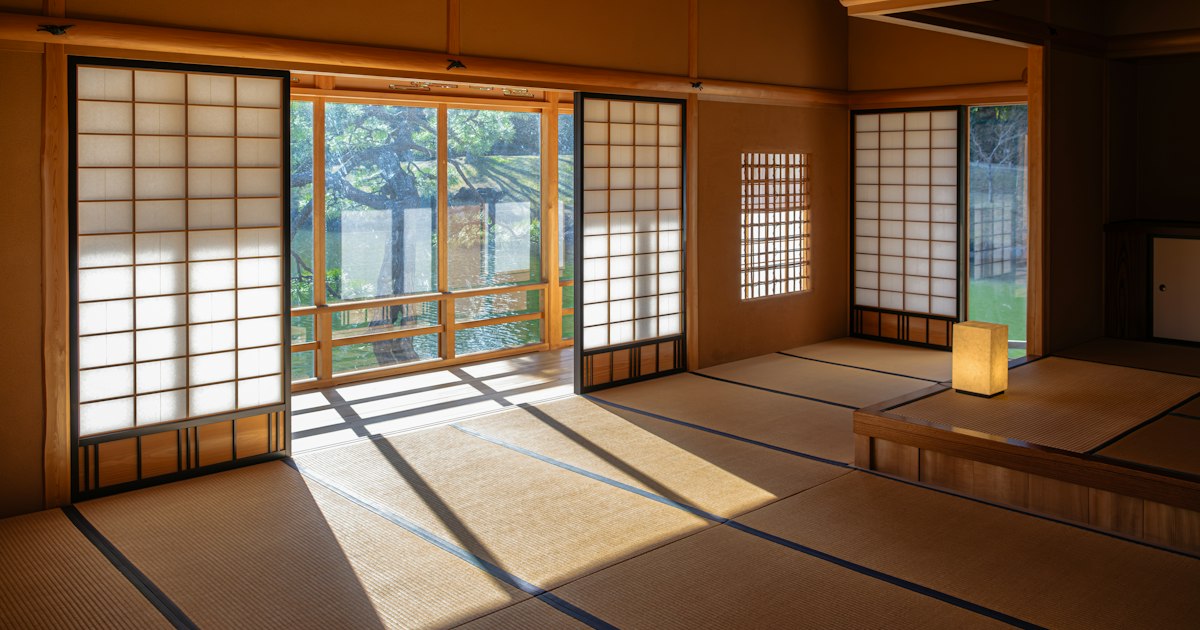
    A minshuku (民宿, literally “people’s lodging”) is essentially a Japanese bed-and-breakfast, usually run out of a private home or a small converted building by the same family for generations. The rooms are simple tatami-mat rooms with futon bedding laid out at night, a shared bathroom down the hall (though ensuite options exist at pricier places), and communal dining rather than in-room meal service. This is the key difference from a ryokan: ryokan are more formal, often have in-room kaiseki dinners, private onsen baths, and staff in yukata attending to every detail, while minshuku are homier, cheaper, and more hands-off. Think of it as the difference between a boutique hotel and staying at a friend’s parents’ house — both can be wonderful, but the experience and price point are completely different.

    What It Costs

    Budget minshuku without meals run roughly 4,000–6,000 JPY per person per night. Add breakfast and dinner (often the better deal, since home-cooked minshuku meals are a highlight) and expect 7,000–11,000 JPY per person. A handful of higher-end minshuku in popular hot spring or coastal towns, especially ones with ensuite bathrooms or ocean-view rooms, push toward 13,000–16,000 JPY per person with two meals — still well under a comparable ryokan stay, which frequently starts above 20,000 JPY per person. As a splurge option within the minshuku category, look for ones specializing in local seafood or mountain vegetable kaiseki-style dinners; you’ll pay more but the food is often the real reason to stay. Payment is frequently cash-only, especially in rural areas, so carry enough yen and don’t assume a card machine will be waiting at checkout.

    Where You’ll Find the Best Ones

    Minshuku cluster wherever Japanese domestic tourism has existed for decades: hot spring towns, coastal fishing villages, ski resorts, and mountain trailheads. Hot spring towns like Unzen Onsen in Nagasaki have a mix of ryokan and smaller minshuku clustered around the same boiling hot spring valley, and staying at a minshuku there is a far gentler hit to the wallet than the big hotel-onsen. Canal towns and port cities with a strong local-crafts identity, such as Otaru, also have minshuku tucked into residential streets a short walk from the main sights — a good option if you want to stay the night rather than day-trip from Sapporo. In cities, minshuku are rarer but not extinct; quiet, low-key Tokyo neighborhoods like Monzen-Nakacho occasionally have small family-run guesthouses mixed in among the temples and old shops, offering a quieter alternative to staying near Shinjuku or Shibuya. Near outdoor destinations like Takachiho Gorge in Miyazaki, minshuku are often the only lodging option within walking distance, run by families who’ve hosted hikers for decades and can tell you which trail entrance to use before the tour buses arrive.

    How to Book One

    The easiest route for foreign visitors is through Japanese booking sites with English interfaces — Jalan and Rakuten Travel list thousands of minshuku, though English detail can be thin for the smallest ones. International platforms like Booking.com also list a growing number of minshuku, especially in tourist-heavy areas, and these tend to have clearer English descriptions and instant confirmation. For very small, old-school minshuku that aren’t on any booking platform, you may need to call directly or have your hotel concierge or a Japanese-speaking friend call for you — many of these places are run by one or two elderly family members who don’t manage an online calendar. Book at least a few weeks ahead for popular seasons; minshuku rooms are limited (often fewer than ten), and they fill up fast around Golden Week, summer Obon in mid-August, and New Year. If your trip overlaps with the autumn holiday cluster, check Japan’s Silver Week dates before you book, since minshuku in scenic areas sell out fastest during that stretch and prices can jump accordingly.

    Etiquette and Common Mistakes

    Take your shoes off at the entrance (genkan) without being told — there’s almost always a step up and a shoe rack. Many minshuku have a curfew or a specific check-in window, often 3:00–6:00 PM, and dinner is frequently served at a fixed time like 6:30 or 7:00 PM rather than whenever you wander in, so confirm timing when you book rather than assuming hotel-style flexibility. Tattoos can occasionally be an issue if the minshuku has a shared bath, so ask ahead or bring a waterproof cover if you’re concerned, same as you would at any onsen facility. The most common mistake foreign guests make is expecting ryokan-level service — minshuku owners are gracious hosts but not hotel staff, so don’t expect someone to carry your bags up the stairs or restock towels without asking. The second most common mistake is skipping the included meals to save money; the home-cooked dinner is usually the actual value proposition, often featuring whatever the owner’s family caught, grew, or foraged that day.

    Packing and Practical Notes

    Bring your own basic toiletries, since smaller minshuku often provide only a towel and maybe a toothbrush, unlike big hotels stocked with amenities. Pack a light layer for walking to a shared bathroom down the hall at night. If you’re traveling with a baby or young child, call ahead — futon-and-tatami setups can actually be easier for toddlers than a Western bed, but not every minshuku has a crib or high chair, so it’s worth checking facilities in advance the way you would for any baby-friendly travel planning in Japan. Wi-Fi exists at most minshuku now, but don’t expect blazing speed in rural mountain or island locations. Finally, bring cash in small denominations for incidentals, since even minshuku that accept cards for the room rate often want cash for extras like laundry or a bottle of local sake at dinner.

    Is a Minshuku Right for Your Trip?

    Minshuku work best if you want a cheaper, more personal alternative to a ryokan, you’re comfortable with shared bathrooms and simple rooms, and you’re visiting places where family-run hospitality is genuinely part of the local character — hot spring valleys, fishing ports, mountain trailheads. They’re less ideal if you need late check-in flexibility, strict privacy, or don’t eat the kind of home-style Japanese food that’s typically served. For a first trip built around Tokyo and Kyoto’s major sights, a hotel or guesthouse hybrid might suit you better; but for a regional trip through smaller towns, a night or two at a minshuku is often the most memorable lodging of the whole itinerary.

  • Clear Vinyl Umbrellas: Japan’s Convenience-Store Rain Culture and Where to Buy a Better One

    Clear Vinyl Umbrellas: Japan’s Convenience-Store Rain Culture and Where to Buy a Better One

    Photo by Lucius Hunter on Unsplash

    Walk through any Japanese city on a wet afternoon and you’ll see it: a sea of identical clear vinyl umbrellas, bobbing above commuters, stacked in bins by convenience store doors, and lined up in racks outside every office building. The biniru-gasa (ビニール傘, “vinyl umbrella”) is one of the most ubiquitous objects in Japan — cheap, disposable, and so common that nobody looks twice at carrying one. For visitors, it’s also one of the most useful souvenirs of practicality you’ll pick up on a trip, and a small window into how differently Japan treats rain gear. Here’s how the system works, when you’ll need one, and where to upgrade to something that won’t turn inside-out on you.

    Why Everyone Carries the Same Clear Umbrella

    Clear vinyl umbrellas became standard in Japan decades ago for a simple reason: visibility. A see-through canopy lets you spot oncoming pedestrians, cyclists, and traffic signals on narrow sidewalks shared by everyone. They’re also cheap enough to treat as disposable — if you leave one on a train or it gets damaged in wind, you’re out ¥500, not ¥3,000. That disposability is baked into the culture: convenience stores restock them constantly during rainy stretches, and it’s completely normal to buy a new one three times in a week rather than carry a soggy umbrella around all day.

    Where to Buy One in a Hurry

    You don’t need to plan ahead — that’s the point. The moment rain starts, every convenience store puts out a rack by the register.

    • 7-Eleven, Lawson, FamilyMart — standard 60cm clear umbrellas, typically ¥500–700, sold 24 hours, no questions asked. Some stores stock folding versions for ¥700–900.
    • Don Quijote — many locations are open 24 hours and sell umbrellas for ¥600–900, often with a slightly sturdier frame than conbini models.
    • 100-yen shops (Daiso, Seria) — smaller travel umbrellas from ¥100–500, fine for a light drizzle but not built for wind.
    • Train station kiosks — NewDays and similar station-based convenience stores inside JR stations carry them too, useful if you’re caught out mid-commute.

    This same instant-access model holds even outside Tokyo and Osaka — regional chains like Seicomart in Hokkaido stock the identical clear umbrellas, so the habit travels with you anywhere in the country.

    Best Season and Timing to Expect Rain

    Most of Honshu, Shikoku, and Kyushu go through tsuyu (the rainy season) from roughly early June to mid-July, with Okinawa starting in early May and wrapping up by late June. Expect overcast, humid days with sudden downpours rather than all-day rain — pack an umbrella in your bag every day during this window rather than checking the forecast each morning. Hokkaido largely skips tsuyu, so umbrella needs there are more sporadic and tied to normal weather fronts.

    The second rainy stretch is typhoon season, peaking from late August through September and tapering into October. This overlaps with the holiday cluster covered in our guide to Japan’s Silver Week — if you’re traveling in that window, a cheap vinyl umbrella won’t survive typhoon gusts, so it’s worth having a sturdier one on hand (more on that below) rather than rebuying flimsy ones every other day.

    Common Mistakes Visitors Make

    • Buying the cheapest one before a typhoon. A ¥500 conbini umbrella will invert or snap in strong gusts. If the forecast shows a typhoon or storm front, spend a bit more on reinforced ribs.
    • Not using a kasa-bukuro. Most shops, department stores, and office buildings have a dispenser of thin plastic sleeves (kasa-bukuro) by the entrance for wrapping a wet umbrella before you go inside. Skipping this and dripping across the floor is a minor faux pas worth avoiding.
    • Leaving it unlocked in a stand outside a store. Because every clear umbrella looks identical, it’s not uncommon for someone to walk off with the wrong one by mistake (or on purpose) when it’s left in an outdoor rack. If you’ve bought a nicer umbrella, carry a cheap wrist strap lock or just keep it with you.
    • Forgetting train and escalator etiquette. Fully close and secure the umbrella before boarding a train or stepping onto an escalator — open or dripping umbrellas in tight spaces are a common source of minor friction.

    Upgrading: Mid-Range and Splurge Options

    If you want something that survives more than one storm, Japan’s specialty umbrella makers are worth seeking out — many visitors don’t realize there’s a whole tier above the conbini rack.

    • Budget (¥500–900): Convenience store or Don Quijote vinyl umbrellas. Fine for short trips or as a backup you don’t mind losing.
    • Mid-range (¥1,500–3,000): Muji sells a simple clear-paneled umbrella with a sturdier frame, and Wpc. (World Party Co.) makes clear umbrellas with printed borders sold at Loft and Tokyu Hands — better build quality while staying lightweight.
    • Splurge (¥3,000–8,000): Waterfront, a Tokyo-based umbrella manufacturer, makes handmade clear umbrellas with fiberglass ribs, UV-cut coating, and wood or bamboo handles — genuinely good for years of regular use, not just one season. Look for them at Tokyu Hands, Loft, and department stores like Isetan or Takashimaya. Craft brands like Mabu occupy a similar premium tier, often with hand-selected wood handles.

    Umbrella-Sharing Apps as an Alternative

    If you’d rather not carry one at all, Tokyo and Osaka have umbrella-sharing kiosks through the app i-Kasa (アイカサ). You rent a sturdy clear umbrella from a station or building kiosk for about ¥70 for the first 24 hours (then roughly ¥70/day after), and return it to any kiosk in the network — handy if you’re moving between train stations and don’t want to buy and discard umbrellas repeatedly. The app requires a credit card and is in English as well as Japanese, but coverage is limited mostly to central Tokyo and parts of Osaka, so don’t rely on it outside those areas.

    Buying a Better One After You’ve Left Japan

    If you discover Waterfront or another Japanese umbrella brand too late in your trip, or want a specific color or discontinued print, secondhand marketplaces are a reasonable fallback. Japanese sellers list barely-used designer umbrellas regularly, and our guide to buying on Mercari Japan from abroad walks through how to use a proxy service to purchase and ship one internationally once you’re home.

  • Tsutaya Books: Inside Japan’s Lifestyle Bookstore-Cafe Chain and Where to Find Its Best Stores

    Tsutaya Books: Inside Japan’s Lifestyle Bookstore-Cafe Chain and Where to Find Its Best Stores

    Photo by amandazi photography on Unsplash

    Tsutaya Books isn’t just a place to buy a novel — it’s one of the best examples of how Japanese retail blends shopping, reading, coffee, and design into a single slow afternoon. Operated by Culture Convenience Club (CCC), the chain runs everything from ordinary neighborhood video-and-book rental shops to architecturally striking flagship stores that function as part bookstore, part café, part living room. For visitors, the flagships are the draw: curated book walls organized by lifestyle theme rather than genre, in-store bars, and some of the most photogenic retail interiors in Tokyo and beyond.

    What Makes Tsutaya Books Different

    Most Tsutaya branches are small, convenience-style shops bundled with DVD/CD rental — not worth a detour. The flagship “Tsutaya Books” locations are a different concept entirely, pioneered by the Daikanyama T-SITE store in 2011. Instead of shelving by genre, books are curated by theme (travel, cooking, design, cars, humanities) and mixed with related magazines, stationery, and objects, so a cookbook might sit next to imported olive oil or a chef’s knife. English-language sections exist in the bigger stores, though they’re a small fraction of total stock — this is primarily a browsing and atmosphere experience, not a place to count on finding English fiction.

    Daikanyama T-SITE: The Original Flagship

    This is the one to prioritize if you only visit one. Daikanyama T-SITE is a cluster of three low-rise pavilions connected by an outdoor “magazine street,” designed by Klein Dytham Architecture, tucked into a quiet, leafy residential pocket of Shibuya-ku. The bookstore section generally opens around 9:00 and closes at 22:00 (hours can shift seasonally, so check before a late visit), and admission is free — you’re welcome to browse for hours without buying anything.

    • Getting there: It’s about a 5-6 minute walk from Daikanyama Station on the Tokyu Toyoko Line, or a pleasant 15-20 minute walk from Shibuya Station if you want to see the surrounding boutiques along the way.
    • What to do once there: Grab a coffee from the in-store Starbucks (around 450-600 yen for a standard drink), browse the car and travel book sections, and check out Anjin, the second-floor lounge-bar modeled on a private library, where cocktails and light food run roughly 1,000-2,000 yen — a nice spot to sit with a magazine rather than rush through.
    • Best timing: Weekday mornings or early afternoons are calmest. Weekends, especially with good weather, bring crowds who come for the garden area and the dog-friendly paths as much as the books.
    • Common mistake: Treating it as a quick 20-minute stop. The site is spread across multiple buildings with a camera shop, stationery annex, and pet garden in between — budget at least 90 minutes if you want to see more than the main hall.

    Tsutaya Books Ginza Six: Art and Design in the City Center

    On the sixth floor of the Ginza Six shopping complex, this location leans harder into art, design, and architecture books, with rotating gallery-style displays and a more polished, gallery-adjacent feel than Daikanyama’s residential calm. It keeps the same hours as Ginza Six overall (roughly 10:30-20:30, with some F&B areas open later), making it an easy add-on to a Ginza shopping day rather than a standalone trip. Because it sits inside a department-store-scale mall, it’s also one of the more reliable Tsutaya locations for tax-free purchasing — Japan’s rule for general goods (which includes books) requires a minimum of 5,000 yen before tax at a single store in one day, passport in hand, so it’s worth consolidating purchases if you’re buying several art books or calendars.

    Ginza Six itself is a short walk from Ginza Station, making this a convenient stop if you’re already in the area for department store shopping, similar in spirit to a half-day detour like Gotemba Premium Outlets for those who want a shopping-focused day without a long commute.

    Other Notable Locations Worth a Detour

    Tsutaya Books has expanded the “lifestyle store” concept beyond Tokyo. Tsutaya Books Kyoto Rakuhoku, near Shugakuin, applies the same curated, slow-browsing format to a residential Kyoto neighborhood with a strong coffee counter. Fukuoka’s Tenjin area and Shonan T-SITE near Fujisawa are other large-format branches worth checking if your itinerary passes nearby — Shonan in particular pairs the bookstore with an outdoor terrace and bicycle shop, leaning into a beach-town, slow-living theme. None of these require advance booking or tickets; they operate like any retail store, just with longer dwell times than most visitors expect.

    What’s Actually Worth Buying

    Budget option: Japanese stationery and notebooks (300-1,500 yen) make light, easy souvenirs, and the larger stores stock a surprisingly deep selection of pens, washi tape, and notebook brands not widely sold abroad. Mid-range: art books, photography collections, and design magazines (2,000-5,000 yen) are where these stores genuinely outshine a generic bookstore — curation here is tighter than what you’ll find at a standard chain. Splurge: limited-edition art prints, signed photography books, or camera accessories bundled into the stationery sections. If you’re into instant photography, several flagship branches stock Instax film and accessories alongside their camera-book sections — worth a look if you’re building out a kit; see our guide to Instax/Cheki culture for where else to find film in Japan.

    Practical Tips and Common Mistakes

    Don’t expect a deep English-language fiction section — these stores are built for the Japanese market first, and foreign-language stock is a curated sliver, strongest at Daikanyama and Ginza Six. Don’t assume every Tsutaya storefront you pass is flagship-quality; thousands of small Tsutaya rental shops exist nationwide and look nothing like the ones described here, so confirm you’re heading to “Tsutaya Books” at T-SITE, Ginza Six, or another named flagship rather than a generic branch. Credit cards are accepted at all the major locations, and most have free Wi-Fi, which makes them a comfortable rest stop between other activities. If you’re traveling with young children and need a changing table or nursing space before settling in for a long browse, check our guide to baby-friendly facilities in Japan, since the larger host buildings (Ginza Six especially) have dedicated nursing rooms on other floors.

    For travelers who like pairing a cultural browse with something more active, Tsutaya’s “everything under one roof” philosophy has a louder cousin in Round1 Stadium, Japan’s bowling-arcade-karaoke complex chain — a useful contrast if you want to see how differently Japanese retail groups approach the same “one building, many moods” idea.