Japan Trove

Author: JapanTrove Editorial

  • Kabuki-za’s Single-Act Gallery Seats: Watching One Scene in Ginza for Under 2,000 Yen

    Kabuki-za’s Single-Act Gallery Seats: Watching One Scene in Ginza for Under 2,000 Yen

    Photo by Yu Kato on Unsplash

    Most visitors assume a kabuki show means a half-day commitment and a ticket price to match. At Kabuki-za in Ginza, that’s not true. The theater sells single-act tickets for its top-floor gallery — no reservation, no formal dress, no four-hour sit — and you can be in and out in under an hour for less than the price of a conveyor-belt sushi lunch. Here’s how the system actually works and how to use it without wasting a trip.

    What Are Makumi-seki Seats?

    Kabuki-za’s regular tickets cover an entire program — a full matinee or evening block made up of several acts from different plays, often running three to four hours. The theater also sells a separate category called makumi-seki (幕見席, literally “act-watching seats”), which lets you pay for just one act at a time. These seats are on the 4th floor, in a gallery set apart from the main seating, with their own ticket counter, their own entrance, and their own elevator. You watch one act — typically 20 minutes to just over an hour, depending on the scene — then leave or buy a ticket for the next one if you want to stay.

    This isn’t a tourist gimmick; it’s a long-standing option Japanese theatergoers use too, especially students and regulars who want to catch a specific famous scene without paying for the whole program.

    How Much Do They Cost — and What You Get

    Makumi-seki prices are set per act and vary by length and prominence of the scene, but most acts run roughly 1,000 to 2,000 yen. A short dance piece might be on the cheaper end; a long, plot-heavy act or a famous actor’s signature scene tends to sit near the top of that range. Either way, you’re paying a fraction of what a full-program ticket costs (those can run from around 4,000 yen up to well over 20,000 yen for premium seating).

    What you don’t get: an earphone guide. The English and Japanese audio guides that explain plot and dialogue for main-floor ticket holders are not available to makumi-seki customers. The gallery is also high up and set back, so the stage can look distant — renting the coin-operated binoculars available on the 4th floor (a small fee, exact change needed) makes a real difference for facial expressions and costume detail.

    Where to Buy Tickets and When to Line Up

    Tickets are sold same-day only, in person, at the dedicated makumi-seki ticket machines near the theater’s side entrance — there is no advance booking, no phone reservation, and no online purchase for this category. The machines typically start selling for each act roughly 30 to 60 minutes before that act begins, and sales stop once the house is full or the act starts, whichever comes first.

    Popular acts — a famous lead actor’s big scene, or the final act of a program — can sell out within minutes of the machine opening, especially on weekends. If there’s a specific scene you want to see, check the day’s program and act times on the Kabuki-za website that morning, then plan to be at the machine at least 20–30 minutes before it opens for that act. If you just want “a kabuki experience” rather than one particular scene, you have more flexibility and can often walk up and buy on the spot.

    Getting to Kabuki-za in Ginza

    Kabuki-za sits right above Higashi-Ginza Station, served directly by the Toei Asakusa and Tokyo Metro Hibiya lines — you can walk from the platform into the building without going outside. It’s also about a 5–7 minute walk from Ginza Station on the Ginza, Marunouchi, and Hibiya lines, through Ginza’s main shopping streets. Coin lockers are available in the building for bags, which is useful since large luggage isn’t practical to carry into the gallery seats.

    If you’re killing time before an act starts, Ginza’s backstreets are worth a wander — just be aware that some of the area’s nightlife blocks cater specifically to a different crowd. If you’re curious about what to avoid after dark, this guide to Ginza’s hostess bar districts explains what those storefronts are and why tourists should keep walking.

    Best Times and Programs to Catch

    Kabuki-za runs programs essentially year-round, changing roughly monthly, with most days split into a matinee block (generally starting around late morning) and an evening block (generally starting mid-afternoon to early evening), each made up of three or four acts from different plays. There’s no single “best season” — the makumi-seki system runs the same way every month — but a few practical notes: summer and New Year programs tend to feature more visually spectacular, crowd-pleasing pieces (dance numbers, famous revenge dramas) that are good picks for a first single-act visit, since they’re easier to follow without dialogue. Weekday afternoons are noticeably less crowded at the makumi-seki machine than weekend and holiday slots.

    If you want a quieter cultural experience to pair with this one, Tokyo has other free or near-free windows into tradition — watching a Shinto wedding procession at Meiji Shrine costs nothing and takes about as much time as a single kabuki act.

    Common Mistakes First-Timers Make

    • Showing up right when the act starts. The ticket machine often sells out before curtain, especially for marquee scenes. Arrive for the machine opening, not the act’s start time.
    • Not checking which act is which. Programs list multiple acts from different, unrelated plays. If you only want to see a famous actor or a specific story, check the cast and synopsis for that act specifically — buying blind can mean watching a scene you have no context for.
    • Expecting an earphone guide. Since makumi-seki doesn’t include one, read a short synopsis of the act beforehand (the theater’s website usually has a brief outline) so you’re not completely lost on plot.
    • Trying to pay by card only. Bring cash in small bills and coins — the ticket machines and binocular rental are built around exact change.
    • Skipping the intermission snacks. Even for a single act, there’s often a short gap before and after where the 4th floor’s small snack counter sells tea and sweets. It’s a good moment to try hojicha, the roasted green tea that pairs well with the wagashi sold in the building.

    Budget, Mid-Range, and Splurge Options

    For a true budget visit, pick one makumi-seki act for 1,000–2,000 yen, skip the binocular rental, and bring your own water — total cost under 2,000 yen for a genuine kabuki experience. Mid-range visitors can watch two or three consecutive acts back-to-back (buying a new ticket for each), which adds up to a few thousand yen but gives a fuller sense of a program’s arc without committing to the whole day. For a splurge, a full-program ticket in the main hall with the English earphone guide included gives you proper seating, intermissions long enough for a sit-down meal in the building’s restaurants, and the complete story from start to finish — worth it if kabuki turns out to be your thing after a cheap first taste in the gallery.
  • Kitashinchi and Ginza’s Hostess Bar Districts: What They Are and Why Tourists Should Steer Clear

    Kitashinchi and Ginza’s Hostess Bar Districts: What They Are and Why Tourists Should Steer Clear

    Photo by ayumi kubo on Unsplash

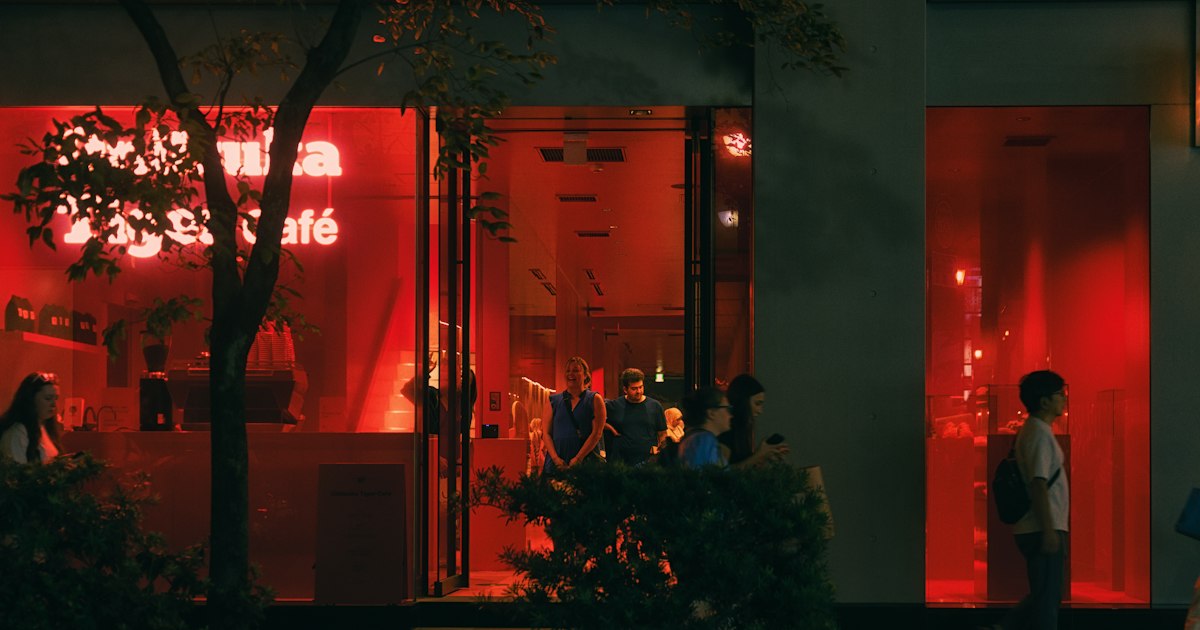
    Walk through Osaka’s Kitashinchi or the backstreets of Tokyo’s Ginza after dark and you’ll notice something odd: well-dressed men standing outside unmarked doorways, quietly calling out to passersby in accented English. These are two of Japan’s most famous “mizu shobai” (water trade) nightlife districts, built around hostess clubs — and they’re also two of the easiest places in the country for a foreign tourist to lose a very large amount of money in a very short time. Here’s what’s actually going on, and how to enjoy these neighborhoods without becoming the evening’s target.

    What a “Hostess Bar District” Actually Is

    A hostess club (often called a kyabakura if it’s more casual, or a “club” if it’s high-end) is a members-oriented venue where women are paid to sit with customers, pour drinks, and make conversation. It’s legal and deeply embedded in Japanese corporate culture — a huge amount of business entertaining (“settai”) happens in these rooms. The pricing model is the key thing to understand: you pay a seating charge for a fixed time block (often 60–90 minutes), then separate charges for bottles of whisky or champagne, a per-hostess companionship fee, a service charge of 10–15%, and consumption tax on top. At a legitimate high-end club this can easily run ¥30,000–¥100,000+ per person for an evening — and that’s assuming you’re a member or arrived with one, which is how most of these clubs actually operate.

    Kitashinchi, Osaka: Where It Is and What Happens There

    Kitashinchi sits in Osaka’s Kita district, between Dojima and the Osaka/Umeda Station area — the nearest station is Kitashinchi on the Tozai Line, or it’s about a 10–15 minute walk from JR Osaka Station. By day it looks like any other block of office buildings and restaurants. After roughly 7pm, narrow side streets fill with hostess clubs, many on upper floors identified only by a small nameplate near the elevator. It’s one of Japan’s three largest hostess districts (alongside Ginza and Tokyo’s Akasaka), and the real clubs here run almost entirely on introductions — a regular customer vouching for you. That detail matters for what follows.

    Ginza, Tokyo: Luxury by Day, Hostess District by Night

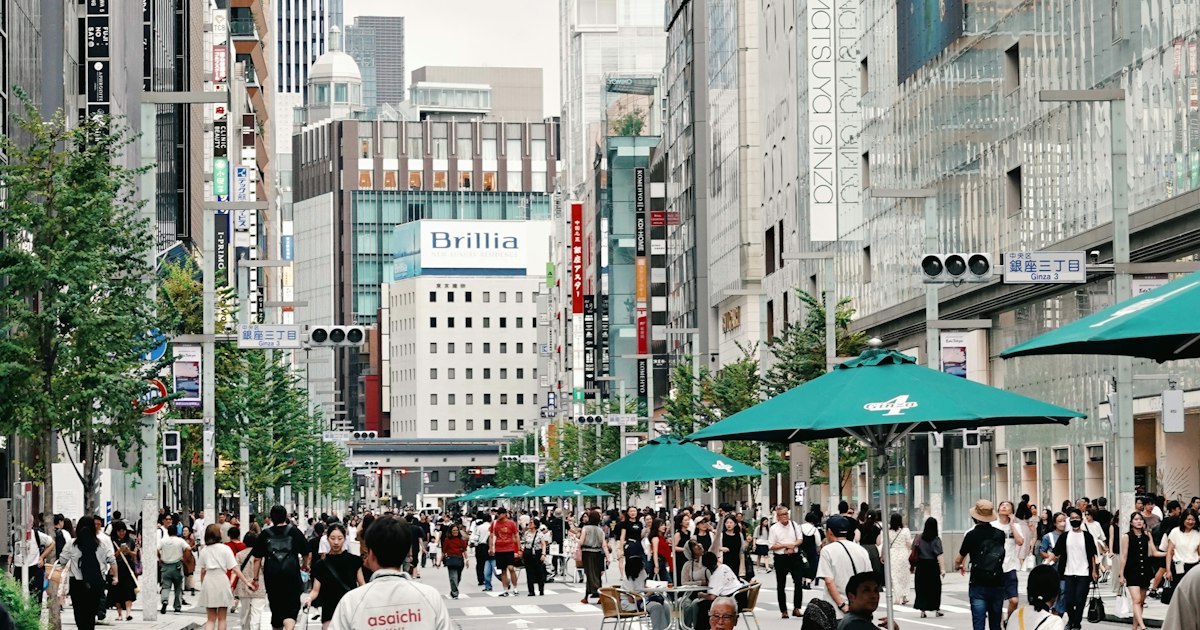
    Ginza is best known to visitors as Tokyo’s flagship shopping street — flagship boutiques, department stores, and the kind of window displays that make for a nice afternoon walk. Take the Ginza or Hibiya subway lines to Ginza Station, or JR to Yurakucho, and you’re right in the middle of it. But the same streets, particularly around Ginza 6- and 7-chome and the area known as Corridor Gai, turn into one of Japan’s densest hostess club concentrations once evening falls, with clubs tucked into the upper floors of otherwise unremarkable buildings. If you’re sightseeing or shopping, daytime is genuinely the better time to be here anyway — the atmosphere, and the crowd, both shift noticeably after dark.

    The Scam Tourists Fall Into (and Why It’s Hard to Fight)

    This is the part that matters most for visitors. A friendly tout (“kyakuhiki”) approaches on the street, often in English, offering cheap drinks or a chance to meet “cute girls” at a nearby bar. Osaka and Tokyo both ban this kind of street touting under local nuisance ordinances, but enforcement at night is patchy, so it still happens constantly in and around both districts. Here’s the tell: genuine Kitashinchi and Ginza clubs almost never take walk-in foreign tourists off the street — they’re introduction-only. So if a tout is inviting you in directly, you’re not being led to an authentic club trading on the neighborhood’s reputation; you’re being led to a bar that exists specifically to overcharge tourists. The bill, when it arrives, is often ¥20,000–¥50,000+ for drinks you thought were covered by a “¥3,000 all-you-can-drink” come-on, padded with table charges and per-hostess fees never mentioned up front. Staff can be intimidating about collecting it, and once you’ve paid by card, disputing the charge from abroad is a long, often fruitless process.

    Common Mistakes to Avoid

    • Following any street tout who approaches you near Kitashinchi, Ginza Corridor Gai, or similar districts — this alone is the single biggest predictor of getting overcharged.
    • Not checking the posted price list at the entrance before sitting down; legitimate bars display pricing, and the absence of one is a red flag.
    • Assuming “snack bar” or “karaoke bar” signage means a casual, low-cost spot — many of these are hostess setups with the same opaque per-time-block billing.
    • Paying by card before getting an itemized receipt. Ask for the breakdown before you tap or hand over a card.
    • Wandering narrow backstreets alone late at night, especially after a few drinks — it noticeably increases how often you get approached.

    Safer Ways to Spend a Night in the Same Neighborhoods

    You don’t need to avoid Kitashinchi or Ginza entirely — just stick to places with transparent, posted pricing. On a budget, standing bars (tachinomi) around Yurakucho’s under-track arcades pour beer and highballs for ¥400–¥600 with prices on the wall. Mid-range, any izakaya chain or a whisky bar that shows its menu at the door is a safe bet — cover charges, if any, should be stated clearly before you sit. For a splurge with zero ambiguity, hotel bars are hard to beat: a cocktail with a view and a printed menu, no membership required. If you’d rather round out the evening with something distinctly Japanese and low-risk, a proper izakai crawl or trying something like doburoku, Japan’s rustic unfiltered sake, at a dedicated sake bar gives you an authentic drinking experience with none of the pricing games.

    If Something Goes Wrong

    If you do end up with a bill you believe is fraudulent, stay calm, ask for an itemized receipt, and state clearly that you intend to call the police if the charge isn’t explained. Many touted bars will reduce the bill on the spot rather than risk a complaint, since street touting itself is already an ordinance violation they’d rather not have on record. If staff become aggressive or won’t let you leave, call 110 for police — it’s free from any phone, no SIM required, and you don’t need fluent Japanese to get help. For the full rundown on how Japan’s emergency numbers work for visitors, see Emergency Services in Japan: Calling 110 and 119 as a Tourist. In practice, the easiest fix is the one upstream of all of this: don’t follow the tout in the first place, and both Kitashinchi and Ginza remain two of Japan’s most atmospheric neighborhoods to simply walk through.

  • Takeda Castle Ruins: Hyogo’s “Castle in the Sky” and When to Catch the Sea of Clouds

    Takeda Castle Ruins: Hyogo’s “Castle in the Sky” and When to Catch the Sea of Clouds

    Photo by Gregoire Jeanneau on Unsplash

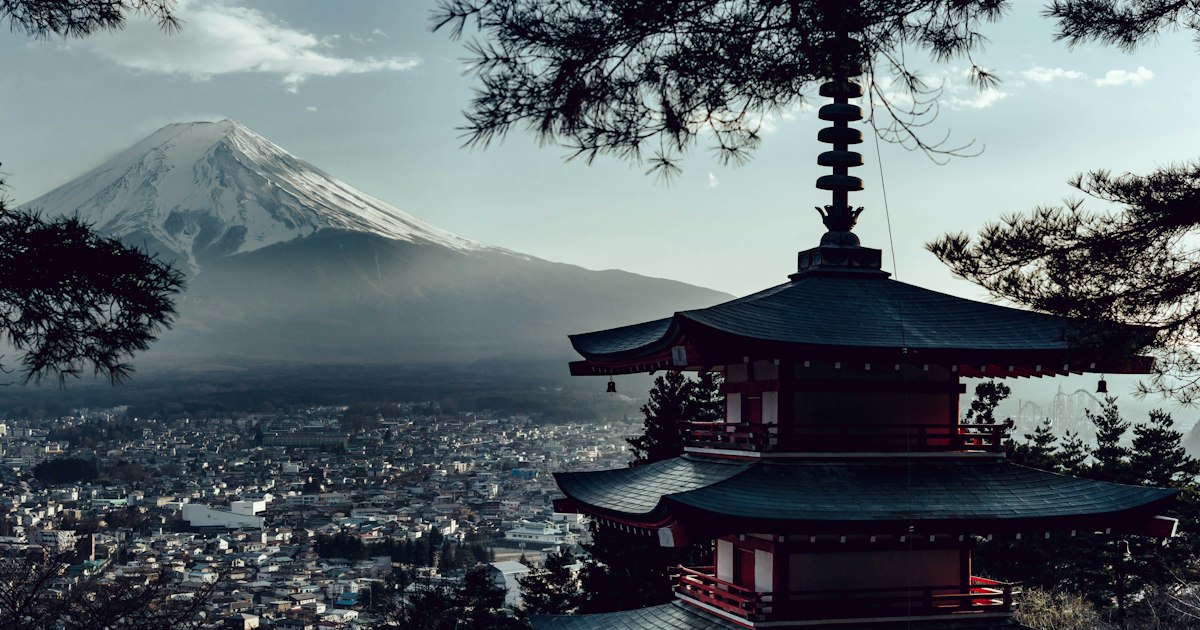
    Perched on a 353-meter mountaintop in rural Hyogo Prefecture, Takeda Castle Ruins (竹田城跡) looks like something out of a fantasy film — a sprawl of stone walls floating above a blanket of cloud, with nothing but valley and forest below. On a good morning, it’s one of the most striking sights in Japan, and because it still sees far fewer visitors than Himeji or Kinosaki, it feels like a genuine discovery. Getting the “castle in the sky” photo takes some planning, though — the clouds are seasonal, the viewpoint is a hike away, and the ruins themselves keep limited hours. Here’s what you need to know.

    What Takeda Castle Ruins Actually Is

    Takeda Castle was built in the 15th century and rebuilt in stone in the late 1500s under the Toyotomi-era lord Akamatsu Hirohide. It was abandoned in 1600 after the Battle of Sekigahara and never rebuilt, which is exactly why it looks the way it does today — there’s no reconstructed keep, just bare stone ramparts following the natural contours of the ridge, overgrown with grass and open sky. Historians sometimes call it the “Machu Picchu of Japan” for that reason. The ruins sit above the small town of Asago, in the mountainous interior of Hyogo, roughly two hours northwest of Osaka and Kyoto by train.

    The Sea of Clouds: When It Actually Happens

    The “unkai” (sea of clouds) phenomenon isn’t guaranteed on any given day — it depends on a specific combination of weather: clear skies, high humidity, light wind, and a big gap between daytime and nighttime temperatures. That combination is most common from late September through early December, with October and November generally considered the best window. Early morning is essential — the clouds form overnight in the valley and typically burn off within an hour or two of sunrise, so you want to be in position around sunrise, often as early as 5:30–6:30am depending on the month.

    Realistically, plan for a two- or three-night stay in the area if you want a real shot at seeing it, since even in peak season the clouds don’t form every morning. Check the weather forecast the night before — cold, calm, clear nights after a warm day are the best sign. If conditions look wrong, it’s perfectly fine to visit the ruins later in the day instead and just enjoy the walls and the view without the clouds.

    Where to Watch From

    There are two distinct experiences here, and many visitors do both:

    • Standing on the ruins themselves — you walk among the stone walls, but on a cloudy morning you’re inside the cloud layer rather than looking down on it.
    • Mt. Ritsuunkyo observation deck — across the valley, facing the castle, this is the classic shot of the ruins floating above the clouds. It requires its own uphill walk (about 30–40 minutes from the trailhead) and a separate admission, roughly ¥300 for adults. During peak unkai season, the narrow mountain road up to the Ritsuunkyo trailhead is often closed to private cars in the early morning, and a shuttle bus or taxi from Takeda Station runs instead — expect to pay somewhere in the ¥500–1,000 range one-way for the shuttle. Confirm current shuttle times locally, since they shift year to year with the season.

    If you only have time for one, the Ritsuunkyo view is the one you’ve seen in photos; walking the ruins themselves is better if your main interest is the castle history and the 360-degree valley panorama rather than the clouds specifically.

    Getting There

    The gateway is Takeda Station on the JR Bantan Line. From Himeji, it’s a direct ride of roughly 1.5 hours on the Bantan Line. From Kyoto or Osaka, take a JR train toward Fukuchiyama and Wadayama (via the Kinosaki Onsen limited express or local connections), then change at Wadayama for the short hop to Takeda — total travel time is typically around two to two and a half hours. There’s no shinkansen access, so build in a full travel day if you’re coming from Tokyo.

    From Takeda Station, the castle ruins are reached either by a steep hiking trail directly from town (about 40–50 minutes on foot, with real elevation gain — wear proper shoes, not sandals) or by taxi, which is available from a small taxi stand near the station and takes you most of the way up for around ¥1,500–2,000. There’s no large parking lot right at the summit, so day-trippers driving in should expect to park lower down and walk the last stretch.

    Tickets, Hours, and Costs

    Admission to the castle ruins themselves is ¥500 for adults (free for junior high age and under), payable at an entrance building partway up the trail. Opening hours vary by season — roughly 8am to 5pm in the warmer months, with shorter hours and earlier closing in winter — and the ruins typically close for a stretch in the coldest part of winter for snow and safety reasons. Because these dates shift slightly year to year, check the official Asago City tourism site or ask at Takeda Station’s tourist information desk for that season’s exact hours before you plan an early-morning visit.

    Budget for the day: ¥500 castle admission + ¥300 Ritsuunkyo admission + shuttle/taxi costs, so most visitors spend somewhere between ¥1,500 and ¥3,500 total depending on how much walking versus riding they do.

    Common Mistakes to Avoid

    • Visiting mid-day in summer expecting clouds. The unkai is an autumn-to-early-winter phenomenon; a July visit will get you the castle but not the cloud sea.
    • Underestimating the walk. Both the castle trail and the Ritsuunkyo path are uphill with uneven stone steps, and they’re done in darkness or near-darkness during peak unkai hours. Bring a flashlight or phone light, and dress warmer than you think you need to — mountain mornings in October and November are genuinely cold.
    • Not checking the shuttle schedule in advance. If you drive your own rental car and the Ritsuunkyo road is closed that morning, you’ll need to backtrack to the shuttle pickup point, costing you precious cloud-watching time.
    • Treating it as a quick stop. Because it’s remote and weather-dependent, Takeda rewards travelers who build in a buffer night rather than a single rushed morning between train connections. If something goes wrong on a remote mountain trail — a fall, an injury, altitude-related illness — it’s worth knowing in advance how to reach help; see our guide to calling 110 and 119 as a tourist.

    Where to Stay and What Else to See Nearby

    Takeda itself is a tiny town with a handful of guesthouses and small ryokan right near the station — convenient for a pre-dawn start, and budget-friendly at roughly ¥6,000–10,000 a night. For more comfort, the hot spring town of Kinosaki Onsen is about an hour further up the same rail line and makes a good base if you want a proper onsen soak after an early castle morning. For splurge travelers building a broader Hyogo–Kansai nature itinerary, Takeda pairs well conceptually with other dramatic mountain viewpoints covered on this site, like the Shin-Hotaka Ropeway in the Japan Alps or the boardwalk trails of Oze National Park — both reward the same kind of early-start, weather-dependent planning that makes Takeda worth the effort.

    Takeda won’t work as a rushed half-day add-on to a Kyoto itinerary, but for travelers willing to chase the right weather window, it delivers one of the most memorable views in Japan — and almost none of the crowds you’d find at a better-known castle.

  • Kanmidokoro: Kyoto’s Old-School Tea-and-Sweets Shops and What to Order

    Kanmidokoro: Kyoto’s Old-School Tea-and-Sweets Shops and What to Order

    Photo by Igal Ness on Unsplash

    Long before “matcha latte” meant anything outside Japan, Kyoto had kanmidokoro — small, often century-old shops that serve nothing but tea and sweets. No ramen, no souvenirs, just a quiet room, a cup of hot tea, and a single exceptional dessert that the shop has been making the same way for generations. They’re one of the best antidotes to a day of temple-hopping, and almost none of them require a reservation. Here’s what the good ones actually serve, what it costs, and how to fit a few into a Kyoto itinerary without wasting half your day in line.

    What Is a Kanmidokoro, Exactly?

    Kanmidokoro (甘味処) literally means “sweet place.” Unlike a wagashi shop, where you buy sweets to take home, a kanmidokoro is a sit-down space — often just 15-30 seats, sometimes with tatami seating, sometimes just stools at a counter. Most serve one or two signature items rather than a full menu, built around seasonal ingredients: kuzukiri (kudzu noodles) in summer, warm shiratama dumplings in winter, and matcha-based sweets year-round. Expect to spend 20-40 minutes and ¥800-1,800 per person. Cash is still king at the oldest shops, though more now take IC cards or credit cards than a decade ago — it’s worth carrying cash just in case.

    Kagizen Yoshifusa — Gion’s 300-Year-Old Kuzukiri Specialist

    Founded in 1678, Kagizen Yoshifusa sits on Hanamikoji-dori in Gion and is arguably Kyoto’s most famous kanmidokoro. The dish to order is kuzukiri (¥1,300 or so): cold, glassy noodles made from kudzu starch, served in a woven bamboo box with a side of black sugar syrup (kuromitsu) for dipping. It’s refreshing rather than sweet, and the texture — somewhere between jelly and al dente noodles — is the whole point. The shop also sells beautifully wrapped higashi (dry sweets) at the front counter if you want something to take home.

    Kagizen is closed on Mondays (and occasionally for other holidays, so check ahead), and seating is limited — arrive right at opening (10am) or expect a short wait, especially on weekends. It’s a two-minute walk from the Gion-Shijo area, making it easy to combine with a morning at Yasaka Shrine or Kiyomizu-dera.

    Kamo Mitarashi Chaya — Where Mitarashi Dango Was Born

    Mitarashi dango — grilled rice dumplings glazed in a sweet soy-sugar sauce — is sold all over Japan, but it originated near Shimogamo Shrine, where the ritual purification spring was said to bubble up in patterns resembling the dumplings on a skewer. Kamo Mitarashi Chaya, just outside the shrine’s approach, still serves the original version: smaller, slightly charred dumplings with a thinner, saltier-sweet glaze than the mass-produced versions. A set of a few skewers runs around ¥450-500.

    Because it’s attached to Shimogamo Shrine, the easiest way to visit is to pair it with a walk through Tadasu no Mori, the old-growth forest surrounding the shrine — a nice contrast to the touristy Gion area. Go in the late morning on a weekday if you want to sit without waiting.

    Demachi Futaba — Kyoto’s Most Famous Queue for Mamemochi

    Demachi Futaba isn’t technically a kanmidokoro (there’s no seating — it’s a takeaway shop), but no guide to Kyoto’s old-school sweets scene is complete without it. Near Demachiyanagi Station, this century-old shop makes mamemochi: pink-tinted mochi studded with whole black beans and wrapped around sweet red bean paste. Each one costs around ¥190-200, and the line regularly stretches well past the door — locals treat a wait of 20-30 minutes as normal.

    The dough firms up within a few hours, so this is a same-day treat, not a souvenir to pack for later. If you want a sweet you can actually bring home, look at shelf-stable options instead — the kind of steamed rice-cake sweets covered in our guide to uiro travel far better than fresh mochi does.

    Tsujiri and the Modern Matcha Parfait

    If the above feel too austere, Tsujiri’s Gion main shop (also known as Saryo Tsujiri) is the kanmidokoro that bridges old and new. It’s a tea merchant first, dessert shop second, and its matcha parfaits — layered with matcha ice cream, jelly, shiratama, and a drizzle of syrup over a bowl of warm, bitter matcha pudding — run roughly ¥1,400-1,800 depending on size. It’s touristy and the wait can run 30-60 minutes on weekends, but the quality of the matcha itself (sourced from Uji, Japan’s top matcha-growing region) is real, not a gimmick.

    If you’d rather drink your way through Kyoto’s tea culture than eat it, it’s worth knowing that roasted green tea — hojicha — is brewed and sold at several of these same old-school shops as the “cleansing” tea served alongside sweets. Our hojicha buying guide covers which brands to look for if you want to bring a bag home instead of just the matcha tin everyone else buys.

    How to Kanmidokoro-Hop Without Wasting a Day

    • Go in the off-hours. 10-11am and 2:30-4pm avoid both the lunch crowd and the after-temple rush.
    • Pick one per neighborhood. Kagizen and Tsujiri are both in Gion and walkable together; Kamo Mitarashi Chaya pairs naturally with Shimogamo Shrine; Demachi Futaba sits near the Kamo River, good for a riverside snack stop.
    • Summer (July-August) is kuzukiri season — the cold, jelly-like noodles are specifically a hot-weather dish and taste best then. Winter visits skew toward warm shiratama and oshiruko (sweet red bean soup) instead.
    • Budget option: Demachi Futaba’s mamemochi at under ¥200. Mid-range: Kamo Mitarashi Chaya or a basic kuzukiri set, ¥450-1,300. Splurge: a full matcha parfait course at Tsujiri with extra toppings, ¥1,800-2,200.

    Common Mistakes to Avoid

    The biggest one is treating these like cafes with full menus — most kanmidokoro do one or two things and do them extremely well, so don’t expect variety or expect to linger over a laptop; turnover is part of how these tiny shops survive. The second is showing up right at opening on a Saturday expecting no line, especially at Kagizen or Tsujiri — go on a weekday morning instead. The third is assuming everywhere takes cards: smaller, older shops like Kamo Mitarashi Chaya are still cash-only or cash-preferred, so keep a few thousand yen in coins and small bills on hand. Finally, don’t rush the tea — it’s usually included or very cheap, and it’s there specifically to cut the sweetness of what you just ordered, so drink it alongside the dessert rather than after.

  • Mochitsuki: Japan’s New Year Rice-Pounding Tradition and Where Tourists Can Join In

    Mochitsuki: Japan’s New Year Rice-Pounding Tradition and Where Tourists Can Join In

    Photo by Lyndon Li on Unsplash

    Walk through almost any Japanese neighborhood in the last days of December and you’ll hear it before you see it: a heavy, rhythmic thud, thud, thud, followed by cheering. That’s mochitsuki — the communal pounding of steamed rice into mochi — and it’s one of the few Japanese traditions that actively wants spectators to grab a mallet and join in. Here’s what the ritual actually involves, when it happens, and the real ways a foreign visitor can take part instead of just watching from the sidewalk.

    What Mochitsuki Actually Is

    Mochitsuki (餅つき) means “mochi pounding.” Steamed glutinous rice called mochigome is dumped into a stone or wooden mortar (usu) and pounded with a large wooden mallet (kine) until the grains break down into one smooth, stretchy mass. It’s physically hard work — one person swings the mallet while a second kneels beside the mortar, flipping and wetting the rice between strikes with a quick hand motion, calling out a rhythm like “yoisho!” to keep the timing safe. Done well, it’s less about brute force and more about the two people working in sync.

    Historically this was how every household or village prepared mochi for kagami mochi (the stacked New Year altar decoration) and ozoni (New Year mochi soup), since mochi was considered too labor-intensive and too symbolically important to buy ready-made. Today most households buy machine-pounded mochi from supermarkets, which is exactly why the hand-pounded, community version has survived mainly as a festive public event rather than a kitchen chore.

    When It Happens: Timing Matters More Than You’d Think

    Mochitsuki is overwhelmingly a late-December event, and the dates are not random. Most households and communities pound mochi on December 28 or 30. December 29 is widely avoided because “nine” (ku) sounds like the word for suffering or hardship, making 29th-day mochi “futsu mochi” or “pain mochi” in folk superstition. December 31 is also skipped by traditionalists, since mochi made on New Year’s Eve is dismissively called “ichiya mochi” (one-night mochi) — thrown together too last-minute to be proper. If you’re trying to catch a public event, the 28th and 30th are your best bets; some shrines and shopping streets also run smaller pounding demonstrations around January 2–3 as part of hatsumode (the first shrine visit of the year).

    Where Tourists Can Actually Join In

    You don’t need a local connection to participate — you just need to know where to look.

    • Shopping streets (shotengai) and markets: Neighborhood shopping arcades in Tokyo and other cities commonly hold free, open-to-the-public mochitsuki events in the final days of December, often with a tourist-friendly setup where visitors can take a few swings under supervision and get a small piece of warm mochi (usually rolled in kinako soybean powder or sweet red bean paste) to eat on the spot. These are typically donation-based or free, run for an hour or two, and are announced on local ward or station tourist-information boards rather than major booking sites, so your best move is asking at a tourist information center once you’re in the city for that week’s schedule.
    • Ryokan and onsen hotels: A number of traditional inns run mochitsuki as a complimentary New Year’s activity for overnight guests, especially around December 30–January 1. Smaller, more rural onsen towns tend to lean into this more than big-city hotels — the kind of secluded, community-feeling ryokan area you’d find around a place like Nyuto Onsen in Akita is exactly the setting where this still happens informally in the inn’s courtyard. If a New Year’s stay is part of your trip, ask the ryokan directly when booking whether they’re holding one.
    • Old post towns and craft villages: Preserved townscapes with strong community identity — the kind of place like Hida Furukawa in Gifu — sometimes stage mochitsuki in the street as part of year-end or New Year events, with locals pounding in turns and visitors welcome to try a swing. These aren’t guaranteed every year, so check with the local tourism association before you plan a special trip around it.
    • Paid cultural experiences: In Tokyo and Kyoto, short bookable mochi-pounding experiences run through cultural-experience operators, usually 45–60 minutes, priced around ¥2,000–¥4,000 per person, including the pounding itself, a tasting, and sometimes a short explanation of New Year customs. Search “mochi pounding experience” on any major tour-activity platform for current listings — these run year-round, not just in December, which is useful if your trip doesn’t line up with the holiday window.

    What to Expect and Common Mistakes

    First-timers usually overestimate how long they’ll get to pound and underestimate how heavy the kine is. Expect only a few swings each in a group setting — it’s a shared activity, not a solo workout — and let the person kneeling by the mortar set your rhythm; swinging on your own timing is the easiest way to cause an injury. Wear closed-toe shoes, roll up long sleeves, and don’t wear anything you’d mind getting a little sticky.

    The biggest mistake visitors make is assuming they can just show up at a random shrine or market on any December day and find mochi pounding happening — it’s seasonal, often single-day, and sometimes requires advance sign-up for the hands-on portion even if watching is free. Confirm the date and whether reservations are needed before building your schedule around it.

    One more thing worth knowing before you eat: mochi is a genuine choking hazard, dense and extremely sticky, and Japanese news outlets report mochi-related choking incidents every New Year, mostly among the elderly but tourists aren’t immune either. Cut or bite pieces small and chew thoroughly. If something ever goes seriously wrong, Japan’s emergency number for ambulance and fire is 119 — see our guide to calling emergency services as a tourist for exactly how that call works.

    Bringing the Tradition Home

    If you’d rather taste your way through Japan’s rice-cake culture than swing a mallet, mochi has plenty of cousins worth seeking out. Uiro, the steamed rice cake sweet from Nagoya and Yamaguchi, uses a different technique but shares the same reverence for rice as a festive ingredient. And since mochi is traditionally served with rice-based New Year sake, it’s worth trying doburoku, the cloudy, unfiltered sake still made at small rural breweries, many of which have their own harvest and New Year celebrations tied to the same agricultural calendar as mochitsuki.

    For a lighthearted souvenir that nods to the same rice culture, a novelty shamoji rice paddle packs flat in a suitcase and makes a genuinely funny, genuinely useful gift for anyone back home who loves to cook.

    Quick Planning Checklist

    • Best window: December 28 or 30 for the main tradition; early January for shrine-adjacent events.
    • Budget option: Free community shotengai events (ask at a local tourist information center for that week’s schedule).
    • Mid-range: Bookable 45–60 minute cultural experiences, roughly ¥2,000–¥4,000 per person, available year-round.
    • Splurge/most memorable: A New Year’s stay at a rural ryokan that runs mochitsuki for guests as part of the holiday program — book well ahead, as New Year’s is peak season nationwide.
  • Hida Furukawa: The Quiet Gifu Town Behind Your Name’s Anime Backdrops

    Hida Furukawa: The Quiet Gifu Town Behind Your Name’s Anime Backdrops

    Photo by Nichika Sakurai on Unsplash

    If you’ve seen Your Name (Kimi no Nawa), you’ve already walked through Hida Furukawa in your mind — the sleepy train platform, the white-walled canal streets, the long shrine staircase where the film’s two timelines nearly collide. The real town, tucked in the mountains of Gifu Prefecture just north of Takayama, is far smaller and quieter than the movie’s fictional Itomori, but that’s exactly its appeal. There’s no ticketed attraction here, no queue — just a genuinely well-preserved Edo-period townscape that most Japan itineraries skip entirely because it’s “only” fifteen minutes from somewhere more famous.

    Why Anime Fans Know This Town

    Director Makoto Shinkai and his team drew on the Hida region while scouting for Your Name, and Hida Furukawa’s streetscape and train station show up in recognizable form throughout the film — the platform at Hida-Furukawa Station, the Seto River canal lined with white storehouse walls (shirakabe dozō), and the stone steps near Hie Shrine in particular. It’s not a one-to-one recreation of Itomori (parts of the film also borrow from Lake Suwa in Nagano), but it’s close enough that fans walking the real streets will recognize individual shots immediately. Locals are used to visitors photographing the station platform and the canal bridges; just be considerate of residents going about their day, since this is a living town, not a theme set.

    Getting to Hida Furukawa

    The gateway is Takayama. From Nagoya, take the JR Takayama Line limited express “Hida” (about 2 hours 15 minutes, roughly ¥6,000 one-way unreserved). From Toyama, the same line runs the other direction in about an hour. From Takayama Station, Hida-Furukawa is just one stop on the local Takayama Line — about 15 minutes and around ¥230. Trains run roughly hourly, so check the timetable rather than assuming a quick connection. Renting a bicycle in Takayama and riding the roughly 4km to Furukawa is also a pleasant option in good weather, and a few shops near Takayama Station rent them for around ¥1,000–¥1,500 a day. If you’re also planning to see the Japan Alps while you’re in the area, the Shin-Hotaka Ropeway is a reasonable add-on from the same Gifu base, though it requires a separate bus transfer and a full extra half-day.

    The Canal Streets and Carp

    The heart of Hida Furukawa is the Seto-gawa, a narrow canal running past the old merchant district, where over a thousand koi carp swim in water channeled from the surrounding mountains. The white plaster storehouse walls, black ceramic roof tiles, and wooden lattice fronts along Ichinomachi and Sannomachi streets date largely from reconstruction after a major fire in 1904, but the layout and craftsmanship follow centuries-older building traditions. There’s no entry fee and no set hours — it’s simply a street to walk slowly, which is the whole point. Early morning (before 9am) is best if you want the canal and streets without other visitors; by midday a modest trickle of day-trippers from Takayama arrives.

    Festival Floats, Sake, and Local Craft

    A few small, specific sights are worth building time around:

    • Hida Furukawa Matsuri Kaikan — a hall housing the elaborately decorated yatai (festival floats) used in the town’s spring festival, plus a short karakuri puppet demonstration. Entry is roughly ¥800, open daily approximately 9:00–17:00.
    • Hida no Takumi Bunka Kan (Craftsmanship Culture Hall) — a museum on traditional Hida carpentry joinery, built without nails. Entry is around ¥300, and it’s a quick, worthwhile stop if you’re at all curious about Japanese woodworking.
    • Kawai Shuzo — a working sake brewery on the main canal street that has produced its “Hourai” label since the Edo period. You can browse the storefront and sometimes sample small pours of sake and amazake. If the dry, refined style here interests you, it’s worth comparing against the rougher, cloudier style covered in our guide to doburoku — the two represent opposite ends of Japan’s sake spectrum.

    Best Time to Visit

    The town’s biggest event, the Furukawa Matsuri, runs every year on April 19–20 and culminates in the Okoshi Daiko (“waking drum”) festival, where loincloth-clad men wrestle through the night to place smaller drums near a sacred central drum — it’s one of the more physical, less photographed festivals in Japan and is part of the UNESCO-recognized Yama, Hoko, Yatai float festival group. Outside festival dates, spring (cherry blossoms along the canal, April) and autumn (foliage in the surrounding hills, mid-to-late October) are the most scenic windows. Winter is genuinely underrated here: snow settles on the black tile roofs and the canal rarely freezes because of the flowing mountain water, so you get carp swimming beneath a dusting of snow with almost no other visitors — a much quieter version of the scene tourists crowd into at nearby Shirakawa-go.

    Where to Eat and Stay

    Hida Furukawa has very limited lodging, so most visitors base themselves in Takayama (10–15 minutes away by train) and come to Furukawa as a half-day trip. On a budget, guesthouses in Takayama run around ¥4,000–¥6,000 a night. Mid-range, a traditional ryokan with dinner and breakfast included typically runs ¥15,000–¥25,000 per person. For a splurge, Takayama and the wider Hida region have onsen ryokan from ¥30,000 and up that pair hot-spring bathing with Hida beef kaiseki dinners. For lunch in Furukawa itself, look for small soba and Hida-beef restaurants along the main street; a bowl of soba runs roughly ¥900–¥1,200, and a Hida beef dish typically starts around ¥2,000.

    Common Mistakes to Avoid

    The most common misstep is treating Hida Furukawa as a standalone day trip from Tokyo or Osaka — the train connections alone make that exhausting, and the town rewards slow walking more than a rushed checklist. Pair it with Takayama instead, and budget at least two to three hours in Furukawa rather than the “quick stop” many guides suggest. Second, don’t assume shops and the Matsuri Kaikan are open late; most close by 17:00, and the town goes very quiet after dark outside festival dates. Third, if you’re traveling in winter, confirm your train times in advance — heavy snow can delay the Takayama Line, and this is a rural area where English signage and English-speaking staff are limited. It’s also worth knowing, anywhere this far from a major city, how to reach help if needed — see our guide to calling 110 and 119 as a tourist before you head into more remote parts of Japan. Finally, don’t skip Furukawa just because Takayama’s old town looks similar in photos — Furukawa is smaller, has almost no tour groups, and that absence of crowds is precisely what makes it feel like stepping into the anime rather than a stage set of it.

  • Nyuto Onsen: Akita’s Secluded Forest Hot Spring and How to Get There

    Nyuto Onsen: Akita’s Secluded Forest Hot Spring and How to Get There

    Photo by Samuel Berner on Unsplash

    Deep in the beech forests of Akita Prefecture, a cluster of seven rustic hot spring inns has been quietly treating travelers to milky-white sulfur baths for over 300 years. Nyuto Onsen (乳頭温泉郷) is far enough from the shinkansen line that it still feels like a genuine discovery rather than a tour-bus stop, but it’s closer and easier to reach than its remote reputation suggests. Here’s what makes it worth the trip, and exactly how to get there.

    What Makes Nyuto Onsen Different

    Nyuto Onsenkyo sits at around 600–700 meters elevation at the foot of Mt. Nyuto, inside Towada-Hachimantai National Park, a short drive from the cobalt-blue Lake Tazawa. The name comes from the mountain’s old nickname (roughly “nipple peak,” for its shape), but the baths themselves are the real draw: several of the inns pump up naturally cloudy, sulfur-rich water that ranges from milky white to pale blue-green, a visibly different experience from the clear baths found at most Japanese onsen towns. The oldest inn, Tsurunoyu, dates back roughly 350 years and once served as an official resting lodge for the Akita feudal clan — its thatched-roof buildings and famous mixed-gender outdoor bath are now one of the most-photographed onsen scenes in the Tohoku region.

    The Seven Inns, in Brief

    • Tsurunoyu — the most historic and most photographed, with a large milky-white outdoor bath and traditional thatched buildings.
    • Kuroyu — named for its black volcanic sand bathing floor; wooden, lantern-lit, and deliberately low-tech in feel.
    • Magoroku — a wooden rotenburo tucked into the forest, especially photogenic under snow.
    • Taenoyu — a more comfort-oriented option with private rotenburo rooms and a riverside open-air bath, popular with couples.
    • Ogama — small, simple, and the most budget-friendly of the group.
    • Kyukamura Nyuto Onsen — a larger resort-style hotel at the bus terminus, with Western-style rooms; the easiest starting point for first-timers.
    • Alpa Komakusa — a simple lodge that doubles as the trailhead for hikes up Mt. Nyuto.

    Most of the inns open their baths to non-staying day visitors (higaeri nyuyoku), typically between about 10:00 and 15:00, for roughly ¥500–800 per bath. Hours and days vary by inn and season, so confirm the day you want to go rather than assuming every bath is open.

    How to Get There

    From Tokyo, take the Akita Shinkansen “Komachi” to Tazawako Station — about 3 hours, with fares in the ballpark of ¥17,000 one-way for a reserved seat. From Tazawako Station, board the Ugo Kotsu bus bound for Nyuto Onsen; the ride takes roughly 45–50 minutes and costs around ¥800, terminating near Kyukamura Nyuto Onsen. Buses run only five or six times a day, more frequently in peak autumn foliage season and reduced in winter, so check the timetable before you plan your day — missing the last bus back to Tazawako Station means an expensive taxi ride down the mountain. If you’re coming from Akita City itself, you’ll first need to connect to Tazawako Station by regular train or shinkansen, then take the same bus.

    If anything goes wrong on the mountain roads or on a hike up Mt. Nyuto — a fall, altitude sickness, a vehicle breakdown — cell signal can be patchy, and it’s worth knowing in advance how to reach help; see our guide to calling 110 and 119 as a tourist in Japan.

    Onsen Hopping: The Yumeguri Shuttle

    One of the best features of Nyuto Onsen is that you don’t have to commit to just one bath. A local shuttle bus called the Yumeguri-go loops between the seven inns a few times a day, letting day-trippers bathe at two or three different baths in a single visit — useful since the milky-white water at Tsurunoyu looks nothing like the clear riverside bath at Taenoyu. Rides cost a few hundred yen, or you can buy an unlimited day pass for around ¥500. The shuttle generally runs from late spring through early autumn and is suspended once the mountain roads snow over; in winter, only overnight guests at the inner inns get transported in, usually by van or snowcat arranged by the ryokan itself.

    Best Time to Visit

    Nyuto Onsen rewards visiting in every season, but for different reasons. Autumn (roughly early-to-mid October) brings vivid foliage down the beech-forested valley and is the single most popular — and most crowded — time to go, so book ryokan rooms well in advance. Winter turns the outdoor baths into the postcard image everyone associates with Nyuto Onsen: steaming rotenburo surrounded by snow, best enjoyed as an overnight guest since day-bus access is limited. Early summer (June–July) is when komakusa, the delicate alpine flower the mountain and some inns are named after, blooms along the Mt. Nyuto hiking trail from Alpa Komakusa. Late spring can mean lingering snow at higher elevations, so check trail conditions if you’re planning to hike rather than just soak.

    Budget, Mid-Range, and Splurge Options

    Budget: Take the bus in for a day trip, pay the day-bathing fee at one or two inns (¥500–800 each), and ride back the same day — a full Nyuto Onsen experience for well under ¥3,000 excluding transport.
    Mid-range: An overnight stay at most of the seven inns, including dinner and breakfast, generally runs ¥15,000–25,000 per person, and gets you unlimited access to that inn’s baths along with a traditional Tohoku dinner.
    Splurge: Tsurunoyu’s special rooms in its historic Honjin building, with a more elaborate kaiseki dinner, can run ¥30,000–45,000 or more per person — worth it if you want to sleep in the same lodge Akita’s feudal lords once used.

    After a soak, it’s also worth seeking out Akita’s own doburoku, the cloudy, unfiltered sake style with deep roots in rural Tohoku farmhouses — our guide to doburoku and where to try it explains what to look for. And if the milky onsen water puts you in mind of another old-school Japanese bathhouse tradition, don’t miss furutsu gyunyu, the retro fruit milk sold at Japanese bathhouses — a fitting post-bath drink wherever you find it.

    Common Mistakes to Avoid

    The single biggest mistake is treating Nyuto Onsen as a spontaneous day trip without checking the bus schedule — with only five or six buses a day, missing the last return leaves you stranded well after dark in the mountains. Second, many day visitors assume every bath takes credit cards; most day-bathing fees and even some ryokan stays are cash-only, so bring enough yen. Third, Tsurunoyu’s famous outdoor bath is mixed-gender (konyoku), which surprises some first-time visitors; modesty towels are allowed and separate single-sex baths exist at the same inn if you’d rather not bathe together. Finally, don’t underestimate how popular autumn weekends are — ryokan rooms at Tsurunoyu and Taenoyu in particular can book out months ahead during peak foliage, so reserve early if you want to stay rather than just visit for the day.

    If you’re building out a wider Tohoku or mountain-onsen itinerary, Nyuto Onsen pairs well with other remote, nature-focused day trips covered elsewhere on this site, like the Shin-Hotaka Ropeway in the Japan Alps — a reminder that some of Japan’s best scenery requires a bus transfer or two, and rewards travelers who plan the logistics in advance.

  • Seijo Ishii: Japan’s Upscale Import Grocery Chain and What to Buy

    Seijo Ishii: Japan’s Upscale Import Grocery Chain and What to Buy

    Photo by Zoshua Colah on Unsplash

    If you’ve ever wandered into a Japanese supermarket expecting rice balls and instant noodles and instead found yourself staring at a wall of French cheese, Italian olive oil, and a freezer case full of surprisingly good croissants, you’ve probably stumbled into Seijo Ishii (成城石井). It’s one of Japan’s most useful stops for travelers — part gourmet grocery, part souvenir shop, part “how is this frozen food this good” education. Here’s what it is, where to find it, and what’s actually worth buying.

    What Is Seijo Ishii, Exactly?

    Seijo Ishii started in 1974 as a small wine and liquor shop in the upscale Seijo neighborhood of Setagaya, Tokyo, and grew into a nationwide chain of more than 180 stores. It sits a notch above a regular supermarket like Life or Seiyu — more imported goods, more private-label products developed in-house, and noticeably more care put into cheese, wine, charcuterie, and bakery items. It’s not a specialty boutique either; it’s a full grocery store, just one where the buyer clearly has good taste and a direct-import operation behind them. Locals use it for everyday shopping in affluent neighborhoods, but it’s become just as popular with tourists hunting for interesting, well-made souvenirs and travel snacks.

    Where to Find a Branch

    Seijo Ishii stores are concentrated in Tokyo, Kanagawa, and the Kansai region, with a strong presence inside train stations — look for “ekinaka” branches tucked into the concourses of JR and private rail stations, which are perfect for grabbing something on the way to a train. Convenient locations for visitors include branches inside Tokyo Station, Shibuya Station, Shinjuku Station, and several spots in Ginza and Omotesando. Crucially, there are also outlets at Narita Airport (Terminals 1 and 2) and Haneda Airport, making it one of the easiest places to pick up last-minute, well-packaged gifts before a flight. Most locations are open roughly 10:00–21:00 or later, though station and airport branches often open earlier and close later — always check the specific branch, since hours vary more than at a typical convenience store chain.

    The Famous Frozen Food Aisle

    Ask any Tokyo resident what to buy at Seijo Ishii and they’ll point you straight to the frozen food case. This is the chain’s real claim to fame. Standouts include the frozen croissants (around ¥500–600 for a pack of several, baked at home in minutes), frozen beef stew and demi-glace dishes, and an excellent frozen Mille Crepe cake (roughly ¥1,200–1,500) that regularly sells out. These won’t survive a long-haul flight home, but if you’re staying in a hotel or apartment with even a toaster oven, they’re a genuinely great way to eat well without cooking from scratch — and far better than typical supermarket frozen food in most other countries.

    Wine, Cheese, and Imported Treats

    Seijo Ishii does its own wine importing, which means prices on mid-range bottles are often better than you’d see at a regular liquor shop, with plenty of options in the ¥800–2,000 range alongside a smaller selection of splurge-worthy bottles. The cheese counter is one of the better ones you’ll find in a Japanese grocery store, with a rotating selection of French, Italian, and Japanese artisanal cheeses sold by weight. It’s also a good place to stock up on specialty tea if you’re building a gift box — the shelves carry quality hojicha and sencha brands, and if you want to understand what to look for before you buy, our guide to hojicha and the best brands to buy covers what separates a good roast from a mediocre one.

    Best Souvenirs and Gifts to Buy

    For omiyage that travel well, focus on shelf-stable items rather than the frozen case. Good picks include their private-label jam and marmalade (around ¥500–800), imported chocolate and biscuit tins, dried fruit and nut mixes, curry roux blocks, and bottled salad dressings that are genuinely hard to find outside Japan. The in-house baked goods counter, where it exists, also sells individually wrapped cookies and financiers that make easy, inexpensive gifts for coworkers — most items land comfortably under ¥1,000. If you’re putting together a broader gift-shopping itinerary around department stores and specialty retailers, it’s worth comparing Seijo Ishii’s curated-but-everyday approach to the more fashion-focused model described in our guide to Beams, United Arrows, and Japan’s select shop culture — both reflect the same Japanese retail instinct for careful curation, just applied to groceries instead of clothing.

    Timing, Hours, and Common Mistakes

    The biggest mistake visitors make is treating every Seijo Ishii like the flagship store — branch size varies enormously, from large suburban supermarkets to small station kiosks with a fraction of the selection. If you’re hunting for a specific cheese or wine, a bigger freestanding location (rather than a tiny station counter) will serve you better. Second mistake: showing up right before closing hoping for discounts — unlike convenience stores, markdowns on prepared food are inconsistent and not guaranteed. Third: buying frozen items without a clear plan to cook them same-day, since hotel room freezers are rare. Weekday late mornings tend to be quieter than weekend afternoons, when the prepared-food and bakery sections get picked over. There’s no major seasonal swing to plan around, though the run-up to Christmas and New Year sees expanded wine and gift-set selections worth browsing if you’re there in December.

    Budget, Mid-Range, and Splurge Picks

    On a budget, the jam, dressings, and individually wrapped cookies (¥300–800) make easy, packable gifts. For mid-range shopping, the frozen croissants, a bottle of imported wine, and a wedge of cheese (roughly ¥1,500–3,000 total) make for a solid self-catered dinner if you’re staying somewhere with a kitchenette. If you want to splurge, look for the limited-edition gift tins and higher-end wine selections that can run ¥3,000–8,000, often beautifully packaged and worth it for someone back home who appreciates good food. Whatever your budget, it’s one of the few grocery stores in Japan where browsing itself is genuinely enjoyable — treat it less like a chore stop and more like a quick, tasty detour between sightseeing and your next train.

  • Standard Products & Threeppy: Daiso’s Premium Sister Stores and What’s Worth Buying

    Standard Products & Threeppy: Daiso’s Premium Sister Stores and What’s Worth Buying

    Photo by kiki on Unsplash

    If you’ve only ever shopped at a regular Daiso, you’re missing half the story. Daiso Industries, the company behind the 100-yen chain, also runs two sister brands aimed at shoppers who want better design and quality without paying department-store prices: Standard Products and Threeppy. Both launched in 2021, both sit in the ¥300–¥2,000 range, and both have become genuine destinations for travelers hunting for well-made, giftable items that don’t scream “dollar store.” Here’s what each one actually offers and what’s worth packing in your suitcase.

    Standard Products: Daiso’s Answer to Muji

    Standard Products is the more design-literate of the two. Think unbleached cotton, kraft paper packaging, neutral tones, and a general aesthetic that borrows heavily from Muji and Natural Kitchen — but at a noticeably lower price point. Most items run ¥300–¥1,100, with a smaller selection of larger goods (totes, small furniture, kitchen tools) going up to around ¥2,000.

    The lineup leans into home goods, stationery, travel accessories, and personal care: silicone cooking tools, glass storage containers, canvas pouches, simple ceramic mugs, and skincare items with ingredient-forward labeling. It’s the kind of store where you can build out a minimalist kitchen or bathroom for a fraction of what the equivalent would cost at a specialty homeware shop. If you’re already comparing Japanese kitchen gear by brand and price, it’s worth reading our guide to Tiger and Zojirushi electric kettles for context on how Standard Products’ budget kitchenware stacks up against the mid-range Japanese appliance brands — Standard Products won’t replace a good kettle, but it’s a smart source for the smaller accessories around it (drainers, canisters, utensil stands).

    Threeppy: The Kawaii, Younger-Skewing Sibling

    Threeppy launched the same year as Standard Products but targets a different shopper: younger women drawn to pastel colors, playful prints, and trend-driven variety goods. Pricing is simpler than Standard Products — the bulk of the store sits at a flat ¥300, with some items at ¥500–¥1,000.

    Expect seasonal cosmetics organizers, phone accessories, cute stationery, plush-adjacent room decor, and collaboration merchandise that rotates frequently. Threeppy restocks and redesigns its shelves faster than Standard Products, so what you see in spring may be gone by autumn — there’s no “classic” Threeppy lineup to rely on, which makes repeat visits worthwhile if you’re in Japan for more than a few days.

    Where to Find Them

    Unlike regular Daiso, which has standalone stores everywhere including suburban roadside locations, Standard Products and Threeppy are concentrated in urban shopping buildings and malls — think Shibuya, Harajuku, Shinjuku, Ikebukuro, and large suburban complexes like AEON Mall and Lalaport branches. Tokyo has the densest concentration, but both chains have spread to Osaka, Nagoya, and other major cities.

    Store hours generally mirror the host building — typically 10:00 or 11:00 AM to 9:00 or 9:30 PM for mall locations, and later (sometimes 10:00 PM) for stores inside busy entertainment districts like Shibuya. Because they’re embedded in larger shopping complexes rather than freestanding, check the specific floor and hours on the building’s directory before you go — Daiso’s own site lists store locations for both sub-brands, searchable by region.

    If you’re building out a day of general shopping, it’s worth pairing a Standard Products or Threeppy stop with a browse through Japan’s famous select shops — our guide to Beams, United Arrows, and Journal Standard covers the higher end of the same curated-retail instinct, useful if you want to see the full range from ¥300 variety goods to designer-curated fashion under one shopping culture.

    What’s Actually Worth Buying

    Budget (under ¥500): Silicone kitchen tools, canvas drawstring pouches, simple stationery sets, and travel-size containers at Standard Products; phone grips, sticker sets, and seasonal cosmetics pouches at Threeppy. These are the easiest wins — low risk, genuinely nice design, and light to pack.

    Mid-range (¥500–¥1,500): Standard Products’ ceramic mugs, glass food storage sets, and canvas tote bags punch well above their price. Look also for their simple linen-blend textiles (tea towels, small cushion covers) — the fabric quality is a real step up from standard 100-yen goods.

    Splurge (¥1,500–¥2,000): Small furniture pieces and larger storage units at Standard Products occasionally hit this range, and they’re worth it if you have suitcase space — the build quality rivals furniture costing two or three times as much elsewhere. This is also the category where comparing against novelty household items makes sense; if you like the idea of functional-but-fun home goods, our piece on novelty shamoji rice paddles covers a similar budget-gift niche worth browsing alongside these stores.

    Best Time to Visit

    Both chains restock seasonally — spring (March–April) and autumn (September–October) tend to bring the most noticeable overhauls, especially at Threeppy, where cherry blossom and Halloween-themed goods move fast. Weekday mornings right after opening are the quietest time to browse, especially at Shibuya and Harajuku locations, which get crowded with students and tourists by early afternoon.

    Common Mistakes to Avoid

    • Assuming prices match regular Daiso. Nothing here is actually ¥100 — Standard Products items can run well past ¥1,000, so don’t grab a cart’s worth assuming it’ll total up like the 100-yen store.
    • Expecting English signage or staff. These are domestic-market brands first; product descriptions and ingredient lists are almost entirely in Japanese. A translation app helps for skincare and cosmetics items.
    • Skipping the location check. Because these stores live inside malls and department buildings rather than standing alone, showing up at a mapped address without checking the floor can waste half an hour. Confirm via the building directory or Daiso’s official sub-brand store locator first.
    • Not asking about tax-free eligibility. Tax exemption for tourists isn’t guaranteed at every location and depends on the individual store meeting the minimum purchase threshold (currently ¥5,000 before tax across eligible goods) — ask at the register rather than assuming.

    Quick Practical Notes

    Both chains accept major credit cards and the common contactless/IC payment methods used across Japanese retail, though smaller mall kiosks occasionally run cash-preferred during peak hours. Bags are sold separately at checkout as with most Japanese retail (a few yen each), so bring a tote if you’re buying in bulk. Neither chain currently ships internationally, so what you buy in-store is what you take home — factor that into how much luggage space you leave for the trip.

  • Tiger & Zojirushi Electric Kettles: Japan’s Instant Hot Water Culture and Buying Guide

    Tiger & Zojirushi Electric Kettles: Japan’s Instant Hot Water Culture and Buying Guide

    Photo by David Tip on Unsplash

    Walk into almost any Japanese home, office break room, or ryokan guest room and you’ll find one: a squat, insulated electric pot quietly keeping water at a rolling boil, ready for instant tea, instant miso soup, or a pour-over coffee. These aren’t ordinary kettles — they’re “denki pot” (電気ポット) or vacuum-insulated electric kettles, and the two brands that dominate the category, Tiger (タイガー) and Zojirushi (象印), are both Osaka-born companies that have been refining hot water technology since the 1920s. If you’re furnishing a kitchen in Japan, buying a souvenir with daily-use value, or just curious why your hotel room has a machine that looks nothing like the kettle at home, here’s what you need to know before you buy.

    Why Japan Runs on Hot Water on Demand

    Japanese tea culture (green tea, hojicha, genmaicha) and instant food culture (cup noodles, miso soup, furikake rice bowls) both depend on water that’s hot right now, not water that needs five minutes to boil. The vacuum-insulated electric pot solves this by keeping a full liter or two at near-boiling temperature all day on minimal electricity, with a one-touch dispense button or lever. It’s a product of practicality: boiling a kettle from scratch every time someone wants tea wastes both time and power. If you want to taste what these kettles are built for, a cup of properly brewed hojicha made with water held at the right temperature is a good place to start — most of these pots let you select 98°C, 90°C, or 80°C settings specifically because different teas want different temperatures.

    Tiger vs. Zojirushi: What’s Actually Different

    Both companies started as thermos/vacuum-flask makers (Zojirushi in 1918, Tiger in 1923) before expanding into rice cookers and electric kettles, and today their core technology is very similar: a double-walled vacuum-insulated inner pot (like a giant thermos) paired with a small heating element and pump. In practice:

    • Zojirushi tends to lead on vacuum-insulation efficiency — their flagship CV-series pots can keep water hot for 6+ hours with the power unplugged, which matters if you care about standby electricity use.
    • Tiger often prices slightly lower for comparable capacity and leans into convenience features like one-push locking lids and quieter pumps.
    • Both offer the same core format range: 0.8–1.2L compact pots for a desk or small kitchen, up to 3–4L pots for a family or office.

    For everyday use, either brand is a safe, long-lasting choice — these are the Toyota and Honda of hot water, not a meaningful quality gap.

    The Three Types You’ll See on Shelves

    Vacuum-insulated electric pots (VE kettles): The classic “keeps water hot all day” style described above. Look for “VE電気ケットル” or “vacuum insulated” on the box — these use far less standby power than older boil-and-hold pots.

    Cordless quick-boil kettles: Closer to what Western shoppers expect — stainless or plastic, boils in 2–3 minutes, no insulation, lifts off its base to pour. Zojirushi’s EK-series and Tiger’s PCD-series fall here. Good for travelers who just want fast boiling water, not all-day warmth.

    Travel/compact kettles: Small 0.3–0.6L kettles sold for hotel rooms, dorms, or single people — cheap, light, and the easiest to carry home in a suitcase.

    Budget, Mid-Range, and Splurge Picks

    • Budget (¥2,500–¥4,500): A basic 0.8L cordless quick-boil kettle from Tiger (PCD-A) or a no-frills Zojirushi EK-series. Fine for a studio apartment or as a lightweight souvenir.
    • Mid-range (¥8,000–¥15,000): A 1L–1.2L vacuum-insulated pot like the Zojirushi CV-GB or Tiger PVG-G series, with multiple temperature presets and child-lock dispensing. This is the sweet spot most Japanese households actually buy.
    • Splurge (¥18,000–¥30,000+): Larger 2.2L–3L CV-series pots with vacuum insulation rated to hold heat 6+ hours unplugged, plus descaling reminders and quiet “non-electric” pour mode. Worth it if you’re equipping a household, less so for a single traveler.

    Where to Buy Them in Japan

    Large electronics retailers carry the widest range and are used to tourist shoppers:

    • Yodobashi Camera and Bic Camera — major branches (Shinjuku, Akihabara, Umeda, Namba) typically open around 9:30–10:00am and close around 9:00–10:00pm, with English-speaking staff on the floor and tax-free counters for visitors spending over ¥5,000 before tax on a single receipt (passport required at purchase).
    • Don Quijote — carries a smaller but cheaper range, useful for budget travel kettles, and many locations are open very late or 24 hours.
    • Amazon.co.jp or Rakuten — widest selection if you have a Japanese delivery address (hotel or forwarding service), though you lose the in-store tax-free discount.
    • Department store kitchen floors (Tokyu Hands, Loft) stock Tiger and Zojirushi alongside other Japanese kitchen goods — if you’re already browsing for something like a shamoji rice paddle or other kitchen souvenirs, it’s worth checking the same floor.

    Best timing: Japanese retailers run clearance sales on previous-year kettle models around March and September, when new annual lineups launch — you can often get last year’s VE pot at a 20–30% discount.

    Voltage, Plugs, and Using One Back Home

    This is the detail that trips up the most buyers. Japan runs on 100V (with a slight 50Hz/60Hz split between eastern and western Japan), using ungrounded two-flat-pin Type A plugs. Most countries run 220–240V. A Japanese kettle plugged into a 230V socket without a step-down transformer will draw roughly double its rated power, which can burn out the heating element or trip a breaker — in some cases it’s a fire risk. If you’re bringing one home to a 220V/240V country, you need a proper step-down voltage transformer (not just a plug adapter), and even then it’s only advisable for occasional use, not daily. If your home country is also 100–120V (the US, Canada, parts of Central/South America, and Taiwan), you can use it with just a simple plug adapter and no voltage conversion needed.

    Common Mistakes to Avoid

    • Buying a vacuum pot for a short trip. VE pots are designed for households that use hot water constantly throughout the day — if you’re in a hotel for a week, a simple quick-boil kettle is lighter, cheaper, and more useful.
    • Ignoring the Japanese-only display. Older or budget models may have button labels only in Japanese (保温 = keep warm, 沸騰 = boil, 節電 = power-save). Newer mid-range and premium models usually add icons, but check photos or ask staff before buying if you don’t read Japanese.
    • Forgetting the tax-free minimum and passport. Tax-free shopping requires same-day purchase over the threshold and your passport in hand at checkout — it can’t be applied retroactively.
    • Not descaling. Japan’s water is generally soft, but mineral buildup still happens over months of daily reheating. Both brands sell citric-acid descaling packets (クエン酸) cheaply at the same electronics stores — use them every 1–2 months to keep the pot efficient.
    • Overpacking a full-size pot in luggage. A 1L+ vacuum pot is bulky and the inner vacuum liner can be damaged by rough handling — bubble wrap it well, or stick to a compact travel kettle if you’re flying home with carry-on only.

    Whichever model you land on, a good Tiger or Zojirushi kettle is one of those unglamorous souvenirs that quietly earns its keep every single day — long after the trip that brought it home is a memory.