Some links below are affiliate links. If you book through them, Japan Trove may earn a small commission at no extra cost to you.
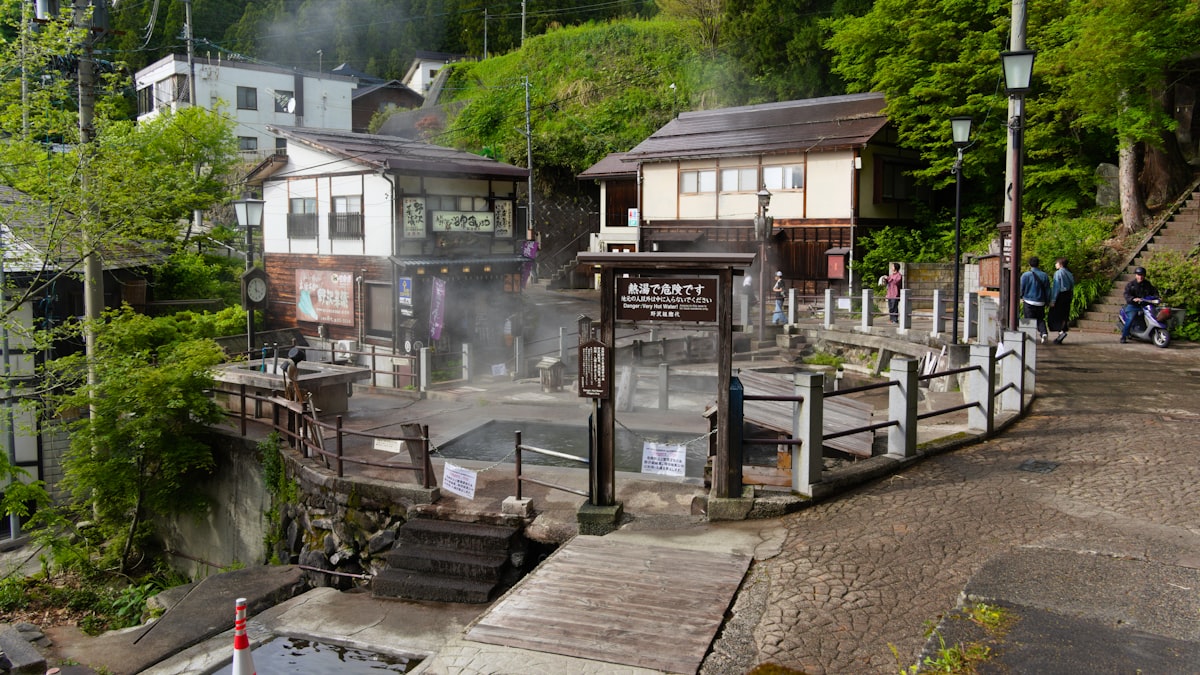
Soaking in an onsen (hot spring) is one of Japan’s great pleasures — and staying overnight in an onsen town, with a ryokan dinner and a soak under the stars, is unforgettable. Here are the best onsen towns and how to enjoy them.
Top onsen towns
- Hakone — easiest from Tokyo, with Mt. Fuji views; see our day trips guide (great overnight too).
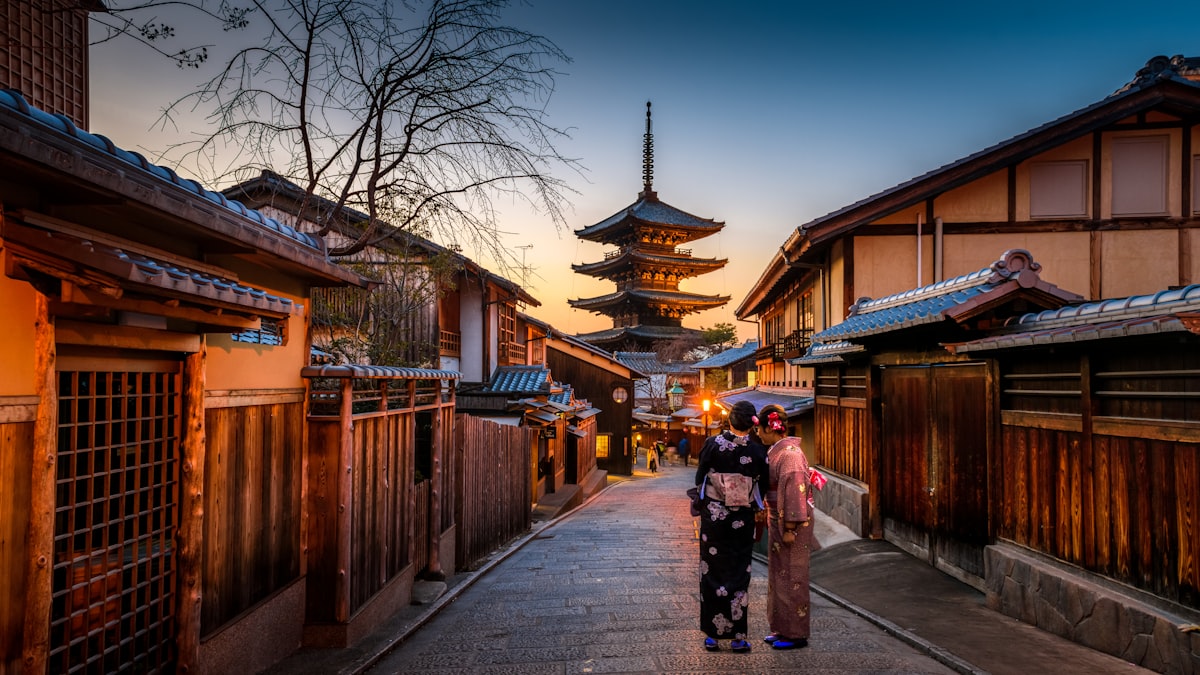
- Kinosaki — a storybook town where you stroll between seven public baths in a yukata.
- Kusatsu — one of Japan’s most famous hot-spring resorts, with a dramatic steaming water field.
- Beppu & Yufuin (Kyushu) — a hot-spring wonderland and a chic, arty retreat side by side.
- Nyuto Onsen (Tohoku) — remote, rustic milky baths deep in the mountains.
Onsen etiquette (important)
- Wash thoroughly at the shower stations before entering the bath.
- No swimsuits — you bathe undressed; baths are usually gender-separated.
- Keep the small towel out of the water (rest it on your head or the side).
- Tie up long hair and don’t put it in the water.
- Tattoos can be restricted at some baths — look for tattoo-friendly onsen or private (kashikiri) baths; a ryokan room with a private bath sidesteps the issue.
Staying overnight
The magic is a ryokan with a kaiseki dinner and your own or a shared onsen. Book early, especially in autumn and winter — filter for onsen ryokan on Booking.com and Agoda .
When to go
Onsen are wonderful year-round, but a snowy outdoor bath in winter is peak Japan. See our best time to visit guide, and slot an onsen night into your itinerary.
What an onsen town stay costs
- A ryokan stay with kaiseki dinner and breakfast runs JPY 20,000-45,000 per person depending on the town and season, with remote spots like Nyuto Onsen often pricing lower than easily accessible ones like Hakone despite the more memorable setting.
- Day-use onsen access (without an overnight stay) runs JPY 700-2,000 at most towns, a good budget option if you’re passing through without time for a full stay.
- Kinosaki’s seven-bath yukata-hopping system is included with many ryokan stays via a discount pass, letting you try multiple baths across the town for one modest add-on fee rather than paying full price at each.
Common mistakes to avoid
- Choosing a destination based on fame alone — Hakone’s convenience from Tokyo comes with bigger crowds than Kinosaki or Nyuto Onsen; if a quiet, immersive soak matters more than easy access, the less famous towns often deliver a better experience.
- Booking a single-night stay when a town rewards two — Kinosaki specifically is built around strolling between baths over an unhurried one or two nights, and a rushed single night undercuts the whole point of the town’s design.
- Forgetting winter road and train delays in remote areas like Nyuto Onsen — build extra travel time buffer into winter visits to the more rural onsen towns.
Choosing a town to match your trip style
Hakone suits a quick, well-connected escape from Tokyo with Fuji views bundled in; Kinosaki suits travelers who want a walkable, storybook town experience; and Nyuto Onsen or similar remote spots suit those chasing a genuinely rustic, off-the-beaten-path soak away from any crowd at all.
Onsen towns for a winter escape
Winter genuinely transforms an onsen town visit — soaking in a steaming outdoor bath while snow falls around you is one of the most consistently cited highlights by first-time visitors, and towns like Kusatsu and Nyuto Onsen lean into this with dramatic seasonal scenery that summer visits simply can’t match.