Some links below are affiliate links. If you buy through them, Japan Trove may earn a small commission at no extra cost to you.
Japan is a gadget lover’s playground — but before you fill your suitcase, there are voltage, region, and warranty catches to know. Here’s a smart buyer’s guide.
Read this first: compatibility
- Voltage: Japan runs on 100V. Many electronics are dual-voltage, but not all — check the label, especially for hair tools and appliances.
- Plugs: Japan uses Type A (like North America). You may need an adapter at home.
- Region locks: Blu-rays and some game hardware are region-specific. Nintendo Switch is region-free — see buying Nintendo games.
- Warranty: Japanese warranties are usually domestic-only; look for “international warranty” if it matters.
What’s actually worth buying
- Cameras & lenses — great selection; tax-free savings add up.
- Audio — headphones, earbuds, and hi-fi from Japanese brands.
- Beauty tech — facial devices and hair tools (check voltage!); see beauty tools.
- Kitchen gadgets — rice cookers (buy the overseas-voltage export models), quirky tools.
- Watches — Japanese watch brands at good prices.
- Gaming — see Nintendo and retro finds in Akihabara.
Where to buy
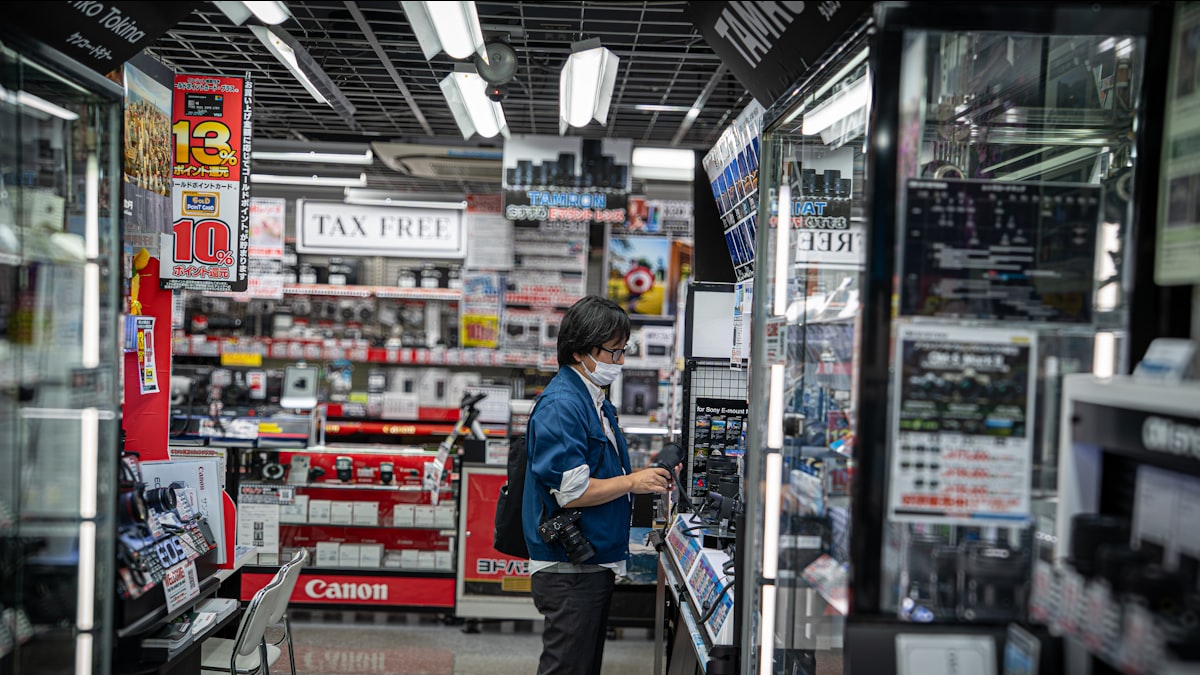
- Yodobashi Camera & Bic Camera — huge, tax-free, English support.
- Don Quijote for cheap gadgets — see our Donki guide.
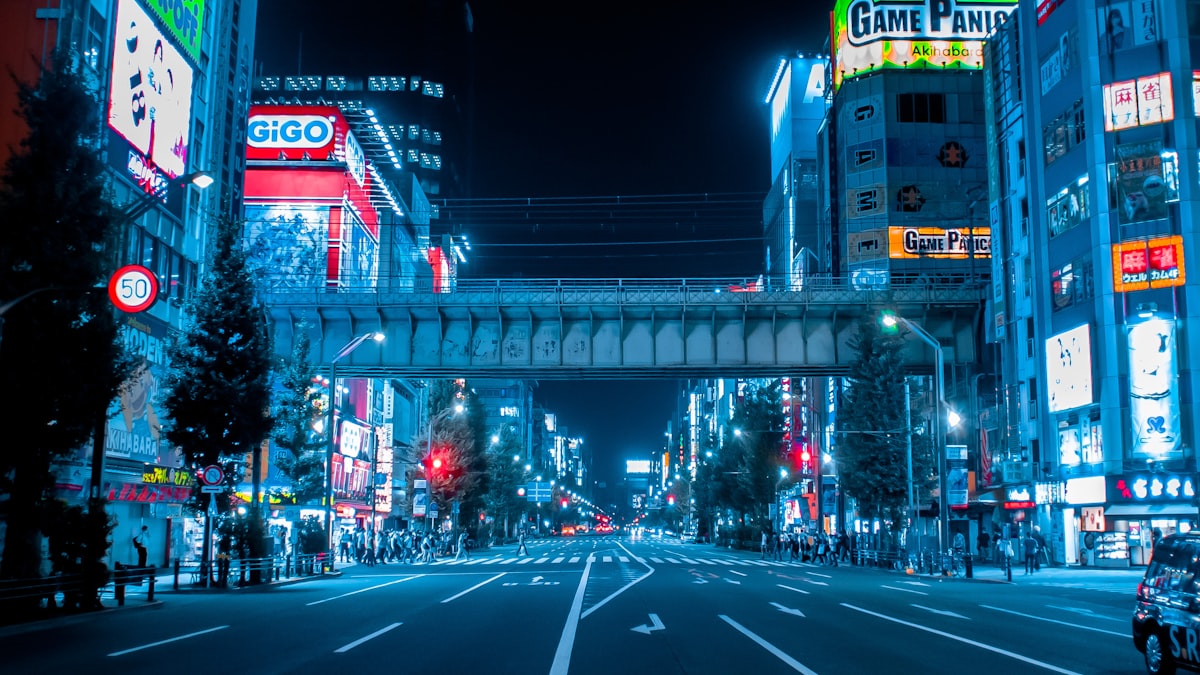
- Akihabara for specialist and used gear.
Save money
- Bring your passport for tax-free shopping (5,000 yen+).
- Ask for the export model for voltage-sensitive appliances.
- Buying big or heavy? Consider a proxy service or check prices on Amazon back home.
What things typically cost
- New camera bodies and lenses often price JPY 20,000-50,000 below overseas retail before tax-free savings, while headphones and audio gear from Japanese brands run 10-30% cheaper than export pricing.
- Rice cookers built for the export market (110-240V) run JPY 15,000-40,000 for a good mid-range model — always confirm you’re buying the export version, since the domestic 100V-only models are often displayed alongside them at a lower price.
- Nintendo Switch games run JPY 5,000-7,500 new, occasionally cheaper than Western retail depending on exchange rates, with a much deeper back-catalog of used titles at Japanese game shops.
Common mistakes to avoid
- Buying a hair styling tool without checking the voltage label — this is the single most common regret purchase; many hair dryers and straighteners sold in Japan are 100V-only and will burn out or malfunction on a 220-240V home circuit without a proper voltage converter (not just a plug adapter).
- Assuming region locks apply to everything — Nintendo Switch games are region-free worldwide, but some older console formats and Blu-rays are not; check the specific product rather than assuming based on gaming habits from a different console generation.
- Skipping the international warranty question on expensive purchases — ask explicitly at the register, since it’s not always volunteered, and a domestic-only warranty can matter if something needs repair after you’re home.
Where to compare prices efficiently
Yodobashi and Bic Camera often price-match or come close to each other on the same models, so a quick comparison between their nearby branches (many cities have both within walking distance) before committing to a purchase is a low-effort way to ensure a fair price on bigger-ticket electronics.
Shipping heavier electronics purchases
For a large camera and lens combo or a rice cooker, ask about international shipping directly from Yodobashi or Bic Camera rather than checking fragile electronics as luggage — this is a routine service for overseas visitors and often costs less than the risk of damage or excess baggage fees.