Japan Trove

Category: Shopping

Honest guides to shopping in and buying from Japan — skincare and cosmetics, snacks and sweets, whisky and sake, hobby and character goods, kitchenware and homeware, and exactly how to ship it all home. We recommend what is genuinely worth it and flag the catches, from voltage and region locks to tax-free rules.

  • Best Gifts from Japan: 15 Ideas Under $30

    Best Gifts from Japan: 15 Ideas Under $30

    Some links below are affiliate links. If you buy through them, Japan Trove may earn a small commission at no extra cost to you.

    Whether you’re bringing back souvenirs or shopping for a Japan-loving friend from home, these gift ideas hit the sweet spot: distinctly Japanese, genuinely useful or delicious, and mostly under $30. Here’s what to get and where.

    Edible gifts (crowd-pleasers)

    • Regional Kit Kats — matcha, sake, and local flavors in gift boxes; see our Kit Kat guide.
    • A Japanese snack box — the easiest “wow” gift, delivered monthly; compare the best snack boxes.
    • Matcha or sencha tea — a small tin of good green tea is elegant and light to carry.

    Beauty & self-care

    • Japanese sunscreen — the cult textures make a great, affordable gift; see the best Japanese sunscreens.
    • Sheet masks & skincare — a little set from our J-beauty guide.
    • A quality nail clipper or beauty tool — Japan’s are famously precise.

    Things they’ll actually use

    • A great pen or notebook — from our stationery guide; the JetPens gift sets are perfect.
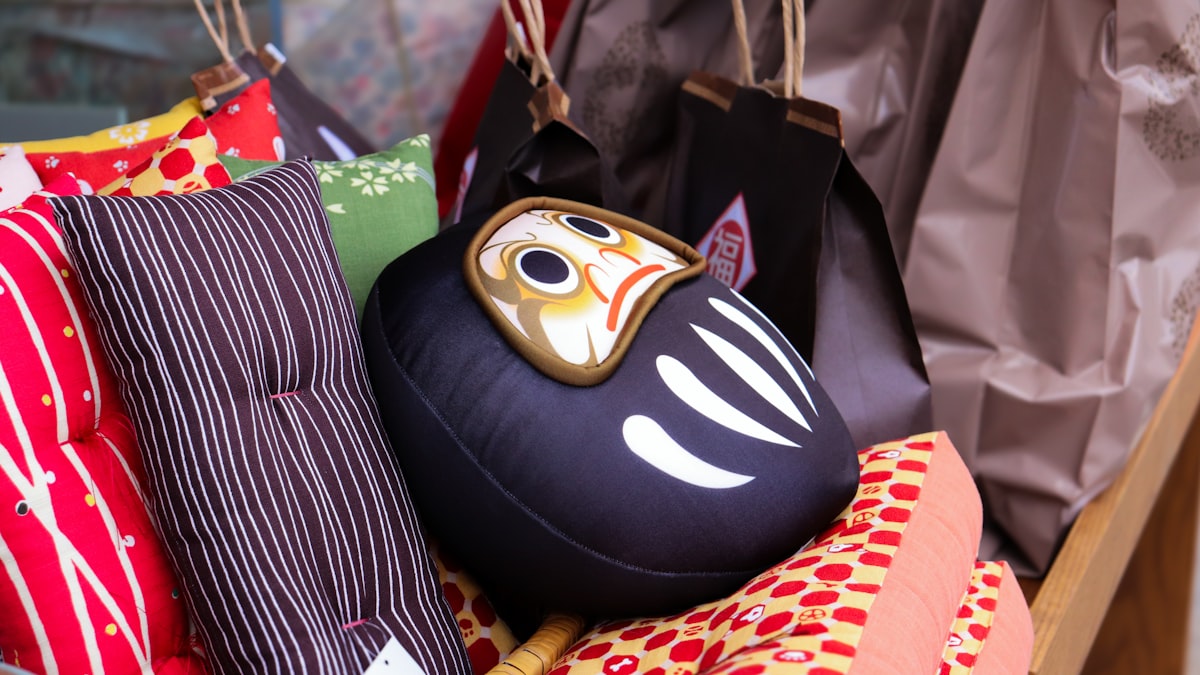
    • A furoshiki (wrapping cloth) or tenugui (patterned towel) — beautiful and flat-packing.
    • Ceramics or chopsticks — a nice pair of chopsticks with a rest feels special.

    For the hobbyist

    Anime and gaming fans love a figure, a keychain, or a beginner Gunpla kit — see how to buy figures from Japan.

    Where to buy from abroad

    Many of these are on Amazon and YesStyle . For anything Japan-only, use a proxy — see how to buy from Japan.

    Tip: gift-intent shoppers convert best on pre-packaged sets (snack boxes, tea tins, stationery kits) — they look premium and travel well.

    What things typically cost

    • Regional Kit Kat gift boxes run JPY 800-1,500 for 8-12 pieces, comfortably under the $30 budget with room to add a second small item.
    • A quality tea tin (sencha or matcha) runs JPY 1,500-3,000, elegant enough to feel like a considered gift rather than a generic snack purchase.
    • A good pen or small stationery set from a specialty shop runs JPY 1,500-4,000, often the most-used and longest-lasting gift on this entire list relative to its price.

    Common mistakes to avoid

    • Buying only edible gifts for a large group — while safe and crowd-pleasing, mixing in at least one non-edible item (stationery, a furoshiki cloth) gives variety and avoids everyone receiving nearly identical snack boxes.
    • Choosing skincare or beauty items without checking the recipient’s skin type or preferences — unlike snacks, beauty products carry some risk of mismatch; a neutral pick like a nail clipper or fragrance-free item is safer for someone whose preferences you don’t know well.
    • Underestimating how well pre-packaged sets perform as gifts — a station or airport-bought snack box or stationery set already looks put-together and gift-ready, saving you the effort of assembling and wrapping several loose items yourself.

    Matching the gift to the recipient

    For a coworker or acquaintance, an individually wrapped snack box keeps things easy and shareable; for a close friend or family member with a specific interest (cooking, stationery, anime), a more targeted pick from this list — a good pen, a Gunpla kit, or quality tea — reads as more thoughtful than a generic omiyage box.

    Packing gifts to survive the trip home

    Flat items (stationery, furoshiki, tea tins) pack far more reliably than anything glass or ceramic; if you’re buying breakable items as gifts, wrap each one individually in clothing and pack centrally in your suitcase rather than near the edges, where the risk of impact damage is highest.


  • Best Japanese Stationery: Pens, Notebooks & Where to Buy

    Best Japanese Stationery: Pens, Notebooks & Where to Buy

    Some links below are affiliate links. If you buy through them, Japan Trove may earn a small commission at no extra cost to you.

    Japanese stationery has a cult following for good reason: pens that write like a dream, notebooks with paper so smooth it feels wrong, and clever little tools you didn’t know you needed. Here’s where to start — whether you’re a note-taker, a bullet journaler, or just curious.

    Pens worth the hype

    • Uni-ball Kuru Toga — a mechanical pencil whose lead rotates to stay sharp. Genius.
    • Pilot Juice / Uni Signo — smooth gel pens in gorgeous colors.
    • Pentel EnerGel / Zebra Sarasa — fast-drying, buttery writers.
    • Pilot Kakuno / Lamy-alternative fountain pens — a friendly, cheap way into fountain pens.

    Notebooks & paper

    • Kokuyo Campus — the everyday student notebook; excellent paper for the price.
    • Midori MD — minimalist, fountain-pen friendly.
    • Hobonichi Techo — the beloved daily planner with ultra-thin Tomoe River paper.

    Clever extras

    • Washi tape — decorative paper tape for journaling and gifts.
    • Sticky notes & page markers (Post-it Japan, Kanmido) in shapes you won’t find elsewhere.
    • Desk tools — precise scissors, staple-free staplers, and tiny organizers.

    Where to buy

    JetPens is the specialist most fans use outside Japan — a curated catalog of Japanese pens, paper, and tools with detailed guides and worldwide shipping. → JetPens . Amazon also stocks many Uni, Pilot, and Zebra pens. → Amazon

    Want a monthly surprise?

    Stationery subscription boxes (like ZenPop) send a themed set each month — a fun way to discover new brands. In Japan, visit Itoya in Ginza or a Loft/Tokyu Hands store. New to buying from Japan generally? See how to buy from Japan.

    What things typically cost

    • Most gel pens and mechanical pencils run JPY 150-500 each, making a well-rounded pen collection of 8-10 items cost JPY 2,000-4,000 total.
    • Premium notebooks like Hobonichi Techo planners run JPY 3,000-4,500, priced higher than standard notebooks specifically for the ultra-thin Tomoe River paper that makes them a cult favorite among fountain pen users.
    • Washi tape and smaller decorative items run JPY 150-400 per roll, cheap enough to buy several patterns without a real budget impact.

    Common mistakes to avoid

    • Buying a fountain pen without testing the nib width — Japanese fountain pens (like the Pilot Kakuno) often run finer than Western equivalents; if you’re used to broader Western nibs, trying before buying (or reading detailed nib comparisons) avoids an unexpectedly scratchy first impression.
    • Overlooking Kokuyo Campus notebooks as “just” student notebooks — their paper quality genuinely rivals pricier specialty brands at a fraction of the cost, making them one of the best value items on this entire list.
    • Not checking ink compatibility before buying refills — Japanese pen refill systems aren’t always interchangeable between brands even when pens look similar; confirm the specific refill type your pen uses before buying replacements.

    Visiting Itoya as a stationery pilgrimage

    Ginza’s multi-floor Itoya flagship organizes stationery by type across several floors, making it possible to compare dozens of pen brands and paper weights side by side in one visit — a genuinely efficient way to build an informed stationery haul rather than guessing from online descriptions alone.

    Building a stationery gift set

    A mid-range gel pen, a Kokuyo Campus notebook, and a roll or two of washi tape together make a well-rounded, inexpensive gift set that appeals even to people who wouldn’t call themselves stationery enthusiasts — the quality difference from typical Western office supplies is noticeable enough to make an impression on its own.

  • Best Japanese Sunscreens: Anessa, Biore & More (Buyer’s Guide)

    Best Japanese Sunscreens: Anessa, Biore & More (Buyer’s Guide)

    Some links below are affiliate links. If you buy through them, Japan Trove may earn a small commission at no extra cost to you.

    If you buy one thing from Japanese skincare, make it sunscreen. Japanese sunscreens are famous for feeling weightless — no white cast, no greasy film — which is why people actually reapply them. Here’s what to know and which cult bottles to try.

    Why Japanese sunscreens are different

    They pioneered elegant, high-protection formulas (look for SPF50+ PA++++) that dry to a near-invisible finish. Many double as a smooth makeup base. The textures are the reason people are obsessed.

    Cult sunscreens to try

    • Anessa Perfect UV Sunscreen Skincare Milk — the gold standard; sweat- and water-resistant, great for travel and beach days.
    • Biore UV Aqua Rich Watery Essence — the famous budget hero; feather-light and cheap enough for daily generous use.
    • Skin Aqua (Rohto) — light, affordable, several finishes (tone-up, moisture).
    • Allie / Nivea Sun Protect (Japan) — solid daily options with nice textures.

    How to use it right

    • Use enough. Most people underapply — two finger-lengths for the face.
    • Reapply every few hours outdoors; that’s the whole point of a nice texture.
    • Last step in the morning, after moisturizer.

    Where to buy

    • YesStyle — wide range of Anessa, Biore, Skin Aqua. → YesStyle
    • Amazon — carries the popular Biore and Anessa lines. → Amazon

    Note: formulas sold in Japan may differ slightly from versions in other markets. Buying in Japan? Drugstores have the best prices. Pair sunscreen with the basics in our Japanese skincare guide.

    What things typically cost

    • Biore UV Aqua Rich runs JPY 700-900 for a full-size bottle, genuinely one of the best value sunscreens available anywhere given its texture and protection level.
    • Anessa’s premium formula runs JPY 2,000-2,800, pricier than budget options but formulated specifically for sweat and water resistance, making it a favorite for beach days and summer activity.
    • Buying multiple bottles at a Japanese drugstore is noticeably cheaper than ordering the same products through overseas resellers like YesStyle once shipping is factored in, making sunscreen a smart bulk-buy while actually in Japan.

    Common mistakes to avoid

    • Underapplying because the texture feels “too light” to be working — the lightweight finish is a formulation achievement, not a sign of reduced protection; still use the full recommended amount (roughly two finger-lengths for the face) rather than a thin layer.
    • Skipping reapplication because Japanese sunscreens feel comfortable enough to forget about — feeling great is precisely why reapplying every few hours is easier here than with heavier formulas, so don’t let the pleasant texture become a reason to reapply less often.
    • Assuming all Japanese sunscreen formulas are identical to their overseas-market versions of the same brand name — reformulations for different markets do happen, so if a specific known formula matters to you, check that you’re buying the Japan-domestic version.

    Choosing between chemical and mineral formulas

    Most of the famous cult Japanese sunscreens (Anessa, Biore UV) use chemical filters prized for their light texture, while a smaller but growing number of mineral (physical) filter options exist for sensitive skin — if you have known sensitivities, ask drugstore staff or check the ingredient list specifically rather than assuming all “Japanese sunscreen” means the same formulation type.

    Stocking up for the trip home

    Because these products are lightweight, non-liquid-restricted in checked luggage, and significantly cheaper in Japan than through overseas resale, many repeat visitors buy a year’s worth of their favorite formula each trip — checking expiration dates on the packaging to confirm the full stock will remain usable before your next visit.

  • Best Japanese Skincare (J-Beauty): A Beginner’s Guide & Where to Buy

    Best Japanese Skincare (J-Beauty): A Beginner’s Guide & Where to Buy

    Some links below are affiliate links. If you buy through them, Japan Trove may earn a small commission at no extra cost to you.

    Japanese skincare (J-beauty) is loved for one reason: effective, no-nonsense products at fair prices. The philosophy is gentle, consistent care — hydration and sun protection over gimmicks. Here’s a beginner’s guide to the categories and cult products worth buying, and where to get them abroad.

    The J-beauty approach

    Where some routines pile on ten steps, J-beauty focuses on cleanse, hydrate, protect: a good cleanser, a hydrating lotion (a watery essence, not a Western “lotion”), a moisturizer, and — non-negotiable — daily sunscreen.

    Cult products to know

    • Hada Labo Gokujyun Hyaluronic Lotion — the iconic hydrating lotion; cheap and beloved.
    • Hatomugi (Job’s Tears) lotion — big bottle, gentle, great for layering.
    • Cleansing oils (DHC, Shu Uemura, Bioré) — Japan does oil cleansing exceptionally well.
    • Melano CC vitamin C essence — a budget cult favorite for brightening.
    • Sheet masks — Lululun and others sell daily-use packs.
    • Sunscreen — the crown jewel; see our best Japanese sunscreens guide.

    How to build a simple routine

    1. AM: gentle cleanse → hydrating lotion → moisturizer → sunscreen.
    2. PM: oil cleanse (if wearing sunscreen/makeup) → water cleanse → lotion → moisturizer.

    Add treatments (vitamin C, retinol) slowly, one at a time.

    Where to buy outside Japan

    • YesStyle — huge J-beauty (and K-beauty) range, ships worldwide, frequent deals. → YesStyle
    • iHerb — reliable for many Japanese/Asian skincare and health items. → iHerb
    • Amazon — carries many Hada Labo, Melano CC, and cleansing oils. → Amazon

    Visiting Japan? The best prices are at drugstores like Matsumoto Kiyoshi — a drugstore haul guide is coming. Meanwhile, don’t skip the one step that matters most: sunscreen.

    What a starter routine typically costs

    • A complete basic routine (cleanser, hydrating lotion, moisturizer, sunscreen) using drugstore staples like Hada Labo and Biore runs JPY 4,000-6,000 total, genuinely affordable for four full-size products covering the entire routine.
    • Adding a treatment step (Melano CC vitamin C, a retinol product) adds JPY 700-2,000 per item, reasonable given how concentrated and long-lasting these products tend to be with regular use.
    • Sheet masks for occasional treatment use run JPY 100-300 each, cheap enough to use several times a week without meaningfully affecting a skincare budget.

    Common mistakes to avoid

    • Adding too many treatment products at once — introducing vitamin C, retinol, and exfoliating acids simultaneously makes it hard to identify what’s causing irritation if your skin reacts; add one new active ingredient at a time, waiting a couple of weeks between additions.
    • Skipping sunscreen on cloudy or indoor-heavy days — UV exposure continues through cloud cover and even some windows; the “non-negotiable” daily sunscreen step in J-beauty philosophy applies regardless of visible sun.
    • Confusing Japanese “lotion” with Western lotion — in J-beauty terminology, a lotion is a watery, toner-like hydrating step applied after cleansing, not a thick moisturizing cream; using it in the wrong order in your routine reduces its effectiveness.

    Building a routine gradually while traveling

    Rather than committing to a full multi-step routine on day one, many first-time J-beauty buyers start with just a hydrating lotion and sunscreen, then add a cleansing oil and treatment step over the following weeks once they’ve confirmed the basics suit their skin — a lower-risk way to build a new routine than buying everything at once.

    Shopping for skincare while in Japan

    Drugstore chains like Matsumoto Kiyoshi consistently offer the best prices on these products, often 30-50% below what the same items cost through overseas resellers — worth planning a dedicated drugstore stop specifically for skincare rather than treating it as an afterthought during a broader shopping day.

  • Japanese Kit Kat Flavors: Which to Try & How to Get Them

    Japanese Kit Kat Flavors: Which to Try & How to Get Them

    Some links below are affiliate links. If you buy through them, Japan Trove may earn a small commission at no extra cost to you.

    Japan has made hundreds of Kit Kat flavors — many exclusive to regions or seasons — and they’re one of the most popular edible souvenirs in the world. Here’s a guide to the flavors worth trying and, if you’re not in Japan, how to actually get them.

    Why Japan is Kit Kat obsessed

    “Kit Kat” sounds like kitto katsu (“you’ll surely win”) in Japanese, so they became a good-luck gift — especially for students taking exams. That cultural hook plus relentless limited editions turned them into collectibles.

    Flavors worth trying

    • Matcha (Uji green tea) — the classic; rich and slightly bitter. A must.
    • Strawberry — sweet, reliable crowd-pleaser.
    • Sake — subtle rice-wine notes; a fun grown-up one.
    • Wasabi — sweet-then-warm; better than it sounds.
    • Hojicha (roasted tea) — toasty and mellow.
    • Regional exclusives — Tokyo Banana, Shinshu apple, Hokkaido melon, and more, sold only in their home areas or airports.

    Where to buy them

    In Japan

    Convenience stores and supermarkets for everyday flavors; Don Quijote and airport shops for the widest variety and regional gift boxes.

    From abroad

    Two easy options:

    Gift tip

    Regional Kit Kat assortment boxes make excellent, affordable souvenirs — they’re pre-packaged as gifts and travel well. Pair them with other picks from our Japanese snack guide.

    What things typically cost

    • Standard multi-packs of everyday flavors (matcha, strawberry) run JPY 300-600 for a bag of several mini bars, cheap enough to buy as a casual snack rather than a dedicated souvenir purchase.
    • Regional exclusive gift boxes run JPY 800-1,500, priced higher for the specific regional branding and limited availability rather than any real difference in the chocolate itself.
    • Rare or highly limited collaboration boxes (seasonal or region-specific releases) can command resale markups well above retail once they sell out, so buying at the source when you see them is smarter than assuming you can find them later.

    Common mistakes to avoid

    • Waiting until the airport to buy regional exclusives — while airports do stock a good range, region-specific flavors (Hokkaido melon, Tokyo Banana-flavored) are genuinely tied to their home area and may not appear at every airport; buy in the region if a specific flavor matters.
    • Assuming all “matcha” Kit Kats taste the same — there are actually different tiers of matcha intensity and quality across various matcha Kit Kat releases, with some higher-end versions using better-quality tea than the standard bar.
    • Buying chocolate-heavy flavors in peak summer without insulation — like other chocolate products, Kit Kats can melt in a hot bag or car; save chocolate-based purchases for closer to your return flight or keep them in air-conditioned spaces.

    Building a flavor-tasting gift box yourself

    Rather than buying one pre-made regional box, picking up several individual flavors across different convenience stores and one Don Quijote visit lets you build a custom variety box featuring a wider flavor range than any single pre-packaged set offers — a more personal and often better-value approach for a Kit Kat enthusiast back home.

    The exam-season gifting tradition

    Because “Kit Kat” sounds like a Japanese good-luck phrase, they’re genuinely given as exam-season gifts to students, and some limited packaging even includes small motivational messages — a fun bit of context worth mentioning if you’re gifting a box to a student or anyone facing a challenge back home, adding meaning beyond the novelty flavor itself.

  • How to Buy Anime Figures from Japan (HLJ, AmiAmi & CDJapan)

    How to Buy Anime Figures from Japan (HLJ, AmiAmi & CDJapan)

    Some links below are affiliate links. If you buy through them, Japan Trove may earn a small commission at no extra cost to you.

    Want that anime figure, Gunpla kit, or piece of merch straight from the source? Buying from Japan is easy once you know the right stores. Here’s how to order authentic figures and hobby goods and get them shipped home — without overpaying.

    The two ways to buy

    1. Dedicated hobby retailers that ship internationally — the simplest route for most items.
    2. A proxy service for things that only sell domestically (limited lottery prizes, Mercari, store exclusives) — see how to buy from Japan with a proxy.

    Best stores that ship worldwide

    HobbyLink Japan (HLJ)

    A veteran hobby store with a massive catalog of figures, Gunpla, and model kits, plus a “Private Warehouse” that lets you consolidate orders to save shipping. Great prices on pre-orders. → HLJ

    AmiAmi

    Famous for deep discounts on figures and pre-orders, and a huge selection. A go-to for collectors chasing value. → AmiAmi

    CDJapan

    Best when you also want music, Blu-rays, art books, and merch alongside figures. Reliable international shipping and points. → CDJapan

    Pre-orders: how they work

    Most sought-after figures sell as pre-orders months before release. You reserve, then pay near ship date. Reserve early — popular figures close fast and resell for far more later.

    Save on shipping (the real cost)

    • Consolidate. Use a store’s warehouse feature to combine items into one box.
    • Pick the right courier. Surface/economy for heavy kits; air/EMS for urgent, light items.
    • Mind customs. Check your country’s duty threshold before a big order.

    New to building?

    If figures led you to model kits, start with a beginner-friendly Gunpla grade (HG or EG) and a basic tool set — guide coming soon. For snacks and other goodies from Japan, see our picks for the best Japanese snack boxes, or learn the proxy method for anything that won’t ship abroad.

    What things typically cost, shipping included

    • A mid-tier scale figure runs JPY 8,000-20,000 before shipping, with international shipping typically adding JPY 2,000-6,000 depending on weight, courier choice, and destination country.
    • Consolidating multiple items into one warehouse shipment (a feature most major hobby retailers offer) can cut per-item shipping cost significantly compared to several separate small orders sent individually.
    • Customs duty varies by country and order value — checking your destination’s specific duty-free threshold before placing a large order avoids an unexpected bill on delivery.

    Common mistakes to avoid

    • Missing a pre-order window for a popular figure — highly anticipated releases can close pre-orders within days or weeks of announcement; following a retailer’s release calendar or mailing list is the only reliable way to avoid missing a limited release entirely.
    • Choosing the cheapest shipping option for a fragile item — surface/economy shipping takes longer and involves more handling than air couriers; for delicate figures, the extra cost of a faster, better-tracked service is often worth it.
    • Not checking a figure’s scale before ordering — figures are sold in varying scales (1/7, 1/8, and others) that produce very different final sizes; checking the listed height in centimeters avoids a size surprise on arrival.

    Building toward a Japan hobby-shopping trip

    If you’re planning an actual Japan visit, ordering ahead from these same retailers for in-store pickup (where offered) or simply window-shopping their catalogs beforehand helps you build a target list for physical stores like Mandarake and Akihabara’s specialist shops, making an in-person visit far more efficient than browsing cold.

    Trying before you commit to a big order

    If you’re new to a specific figure line or brand, ordering a single lower-cost item first to check quality, packaging, and how a retailer handles shipping to your country is a low-risk way to build confidence before placing a larger, more expensive pre-order.

  • Best Japanese Snack Box: Bokksu vs Sakuraco vs TokyoTreat (2026)

    Best Japanese Snack Box: Bokksu vs Sakuraco vs TokyoTreat (2026)

    Some links below are affiliate links. If you subscribe through them, Japan Trove may earn a small commission at no extra cost to you.

    A Japanese snack box drops a curated parcel of konbini treats, regional sweets, and limited-edition Kit Kats on your doorstep every month — no proxy, no reading Japanese, no guessing on shipping. Here’s how the three big services — Bokksu, Sakuraco, and TokyoTreat — actually differ, so you subscribe to the right one.

    Quick comparison

    Box Style Best for
    Bokksu Premium, artisanal, regional Japanese sweets with a booklet and a themed tea pairing Gifting & “authentic Japan” quality over quantity
    Sakuraco Traditional wagashi, teas, and a piece of homeware each month Tea lovers & traditional Japanese sweets
    TokyoTreat Fun pop culture: full-size Japanese chips, sodas, candy, and limited Kit Kats Kids, fun, and modern konbini snacks

    Bokksu — the premium pick

    Bokksu leans upscale: small-batch sweets sourced from long-established Japanese makers, an information booklet explaining each item, and a tea pairing. It feels like a gift even when you buy it for yourself, which makes it the easiest one to give to a Japan-loving friend. → Bokksu

    Sakuraco — traditional and calm

    Sakuraco is all wagashi (traditional Japanese confections), authentic teas, and a bit of Japanese tableware each month. If you’d rather have mochi and matcha sweets than potato chips, this is your box. → Sakuraco

    TokyoTreat — the fun one

    TokyoTreat is the party box: full-size bags of Japan-exclusive chips, a Japanese soda, candy, and those seasonal Kit Kat flavors everyone films for social media. It’s the crowd-pleaser for families and first-timers. → TokyoTreat

    Which should you choose?

    • Buying a gift? Bokksu.
    • Love traditional sweets & tea? Sakuraco.
    • Want fun, shareable konbini snacks? TokyoTreat.

    All three ship worldwide and let you skip or cancel, so a single month is a low-risk way to test. Prefer to hunt specific items yourself instead of a curated box? Read how to buy from Japan with a proxy service. Curious which Kit Kat flavors are worth it? That guide is coming next.

    What each box typically costs

    • Bokksu runs roughly $35-$55/month depending on box size, reflecting its premium, artisanal positioning and included tea pairing and information booklet.
    • Sakuraco runs roughly $32-$46/month, similarly positioned around traditional wagashi and tea rather than volume of items.
    • TokyoTreat runs roughly $28-$45/month and tends to include a higher item count of full-size snacks and drinks, positioned more around quantity and variety than curated presentation.

    Common mistakes to avoid

    • Committing to a long subscription before trying one box — all three offer single-month options; testing one month before committing to a 3, 6, or 12-month plan (which usually offers a per-box discount) avoids being locked into a style that doesn’t suit your taste.
    • Choosing based on price alone without matching the box style to the recipient — a fun, snack-heavy TokyoTreat box for someone who’d have preferred Sakuraco’s traditional wagashi (or vice versa) undersells what could have been a better-matched gift.
    • Forgetting about food allergies when gifting — unlike a curated in-person shopping trip, subscription boxes contain a surprise mix of items each month, so checking allergen information on the provider’s site matters more here than for a one-off purchase.

    Using a box as trip preparation or aftercare

    Some travelers order a box before a Japan trip to get a preview of regional and seasonal flavors worth seeking out in person, while others order one after returning home specifically to extend the trip’s food memories for a few more months — both are common, practical reasons to subscribe beyond simply wanting monthly snacks.

  • How to Buy from Japan: Buyee vs ZenMarket (Proxy Shopping Guide)

    How to Buy from Japan: Buyee vs ZenMarket (Proxy Shopping Guide)

    Some links below are affiliate links. If you buy through them, Japan Trove may earn a small commission at no extra cost to you.

    Found a limited-edition figure, a snack, or a fashion piece that only ships inside Japan? A proxy shopping service buys it for you in Japan and forwards it to your door anywhere in the world. This guide explains how proxies work and compares the two most popular ones — Buyee and ZenMarket — so you can pick the right one.

    How proxy shopping works

    1. You find an item on a Japanese site (Rakuten, Mercari, Yahoo Auctions, or a brand store).
    2. You paste the link into the proxy, or shop through their interface.
    3. The proxy buys it, receives it at their Japan warehouse, and lets you consolidate several purchases into one international parcel.
    4. You pay item cost + a service fee + international shipping.

    The magic is consolidation: buy from five different Japanese shops, ship once, and split the postage.

    Buyee vs ZenMarket

      Buyee ZenMarket
    Best for Mercari, Yahoo Auctions, huge site coverage Flat, predictable fees; auctions
    Service fee Per-item fee, varies by marketplace Flat fee per item
    Interface Polished, beginner-friendly Simple, transparent
    Storage Free storage window for consolidation Free storage window for consolidation

    Pick Buyee if you mostly want Mercari and Yahoo Auctions and like a hand-held experience. Pick ZenMarket if you want one flat fee you can predict and don’t mind a plainer interface. Many shoppers keep accounts on both and use whichever is cheaper for a given order.

    Start here: Buyee · ZenMarket .

    Tips to keep costs down

    • Consolidate. Never ship single items — batch them.
    • Choose the right courier. Surface/economy for heavy, cheap goods; EMS/air for light, urgent ones.
    • Watch your customs limit. Check your country’s duty-free threshold before you order.
    • Declare honestly. Under-declaring value to dodge duty can get parcels seized.

    What people buy this way

    Anime figures and Gunpla, limited konbini snacks, Japanese skincare, city-pop vinyl, vintage fashion, and hobby parts. If snacks are your thing, a subscription box is often cheaper and easier than a proxy order — see our comparison of the best Japanese snack boxes. For figures and models, most are available without a proxy at all through dedicated stores; we cover those in our guide to buying anime figures from Japan.

    Bookmark this page — once you understand proxies, the entire Japanese internet becomes shoppable.

    What proxy shopping typically costs

    • Service fees run roughly 300-800 yen per item plus a percentage of item cost with Buyee, while ZenMarket’s flat per-item fee structure makes costs easier to predict for a large multi-item order.
    • International shipping for a consolidated package of several small items commonly runs $20-$60 depending on weight and shipping speed, which is why batching purchases into one shipment matters so much for controlling total cost.
    • Storage at the proxy’s warehouse is typically free for a set window (often 14-30 days), giving you time to accumulate several purchases before paying for a single combined shipment.

    Common mistakes to avoid

    • Shipping each item as it arrives instead of consolidating — this is the single most expensive proxy-shopping mistake; five separate international shipments cost far more than one combined parcel holding the same five items.
    • Not checking a Mercari or Yahoo Auctions seller’s rating before bidding through a proxy — the proxy service handles payment and shipping logistics but doesn’t vet individual sellers for you, so basic seller reputation checks still matter.
    • Underestimating your country’s import duty threshold on a large order — a consolidated shipment with a high total declared value can trigger duty charges that a series of smaller separate orders might have avoided, so it’s worth balancing consolidation savings against potential duty costs for expensive items.

    When a proxy service isn’t the right tool

    If you’re specifically after anime figures, Gunpla, or similar hobby goods, dedicated international retailers like those covered in our anime figures guide often ship directly without needing a proxy at all — reserve proxy services for genuinely Japan-only listings (Mercari, certain brand exclusives, auction sites) where no direct international shipping option exists.