Japan Trove

Category: Shopping

Honest guides to shopping in and buying from Japan — skincare and cosmetics, snacks and sweets, whisky and sake, hobby and character goods, kitchenware and homeware, and exactly how to ship it all home. We recommend what is genuinely worth it and flag the catches, from voltage and region locks to tax-free rules.

  • Where to Buy Pokemon Merch in Japan (and From Abroad)

    Where to Buy Pokemon Merch in Japan (and From Abroad)

    Some links below are affiliate links. If you buy through them, Japan Trove may earn a small commission at no extra cost to you.

    Japan is the home of Pokémon, and the merch here is on another level — exclusives, seasonal drops, and whole stores dedicated to it. Whether you’re shopping in Japan or from abroad, here’s where to find the good stuff.

    Pokémon Centers & Stores (in Japan)

    Official Pokémon Centers are the flagship destinations — plushes, cards, apparel, and location-exclusive items. Major ones include Tokyo (several, plus the Pokémon Café), Osaka, Kyoto, and more. The smaller Pokémon Stores appear in malls and stations. Expect region- and store-exclusive designs.

    Beyond the official stores

    • Yodobashi & Bic Camera — big toy and card sections.
    • Don Quijote — random finds and gifts.
    • Akihabara & Nakano Broadway — vintage cards and collectibles; see our Tokyo guide.
    • Card shops for singles and sealed TCG products.

    A note on trading cards

    Japanese Pokémon cards are hugely popular for their art and value. Buy sealed product from reputable shops, be wary of too-good-to-be-true “rare” deals, and check your country’s import rules if buying in bulk.

    Buying from abroad

    Can’t get to Japan? You have options:

    Great with kids

    A Pokémon Center visit is a highlight for younger travelers — see Japan with kids. And a plush or card set makes an easy gift from Japan.

    What things typically cost

    • Standard plush toys run JPY 1,500-3,500, while location-exclusive plush designs (specific to a single Pokémon Center) can command resale premiums once that store’s exclusive run sells out.
    • Sealed trading card booster packs run JPY 200-800 depending on the set, with special/premium box sets running JPY 3,000-15,000 — prices for older, discontinued sets can run far higher on the secondary market.
    • A Pokémon Cafe experience (themed food and drink, not just merchandise) runs JPY 2,000-4,000 per person for a meal, and requires advance reservation since walk-in availability is limited.

    Common mistakes to avoid

    • Buying “rare” loose cards from unofficial street vendors — reputable card shops and official stores are safer bets; overpriced or counterfeit cards are a genuine risk with informal sellers targeting tourists specifically.
    • Assuming every Pokémon Center has the same exclusive merchandise — each flagship location runs its own region-specific exclusive items, so visiting only one store (even a large one) means missing designs unique to other cities.
    • Not checking your home country’s import rules for bulk card purchases — some countries apply duty thresholds that a large TCG haul can trigger, worth checking before buying in serious volume.

    Timing a visit around new releases

    Pokemon Centers regularly rotate seasonal and collaboration merchandise, and popular new releases can sell out within days — if there’s a specific item you’re after, checking Japanese social media or the official site shortly before your trip helps confirm it’s still in stock before you build a shopping stop around it.

    Visiting with kids in mind

    Pokemon Centers are genuinely designed with young fans in mind, with interactive photo spots and hands-on displays alongside the merchandise — worth budgeting real time here rather than treating it as a quick five-minute stop if traveling with children who are Pokemon fans.

  • Best Japanese Beauty Tools Worth Buying

    Best Japanese Beauty Tools Worth Buying

    Some links below are affiliate links. If you buy through them, Japan Trove may earn a small commission at no extra cost to you.

    Japan is quietly brilliant at beauty tools — the little precision items that make a routine easier. They’re affordable, well-made, and pack flat, making them great souvenirs and gifts. Here’s what’s worth buying.

    Skincare & face

    • Facial razors (kamisori) — Feather and others; gentle dermaplaning for smooth skin and better product absorption.
    • Konjac sponges — soft, natural sponges for gentle daily cleansing.
    • Facial rollers & gua sha — for a relaxing massage (pair with your J-beauty routine).
    • Pore/blackhead tools and quality tweezers — Japanese precision shines here.

    Hair & body

    • Wide-tooth combs and cushion brushes — well-finished and gentle.
    • Body towels (awa/exfoliating cloths) — the long nylon towels that make a great lather.
    • Foot files & heel care — genuinely useful after long temple-walking days.

    Nails & grooming

    • Nail clippers — Japanese clippers (like GREEN BELL/Suwada-style) are famously sharp and precise; a cult buy.
    • Grooming scissors and files — small, durable, and beautifully made.

    Where to buy

    Find these at Japanese drugstores, Loft, and Tokyu Hands in Japan, or online abroad via YesStyle and Amazon . A nice nail clipper or facial razor set makes a smart, affordable gift from Japan.

    Round out your beauty haul with the best Japanese sunscreens and cult skincare picks.

    What things typically cost

    • Facial razors and konjac sponges run JPY 300-1,000 each, cheap enough to buy several as small gifts for different people without much budget impact.
    • Quality nail clippers (GREEN BELL, Suwada-style) run JPY 800-3,000 depending on the precision grade — genuinely sharper and longer-lasting than typical drugstore clippers elsewhere, and a popular repeat-purchase item for return visitors.
    • Facial rollers and gua sha tools run JPY 1,000-4,000, with jade or higher-end stone versions at the top of that range; basic plastic or metal rollers work nearly as well for most casual users.

    Common mistakes to avoid

    • Buying a facial razor without checking blade replacement availability at home — some Japanese razor brands sell replacement blades that aren’t easily found overseas; check whether your home country stocks refills or whether you’ll need to reorder from Japan.
    • Assuming all beauty tools are one-size-fits-all — foot files and combs in particular come in different grit or tooth-spacing options for different skin and hair types; ask staff for a recommendation rather than grabbing the first one you see.
    • Overlooking these as gift options because they seem mundane — a well-chosen beauty tool is genuinely one of the most-used, longest-lasting souvenirs a recipient will own, quietly outlasting most snack or trinket gifts.

    Building a complete beauty tool gift set

    Pairing a facial razor, a konjac sponge, and a pair of precision tweezers together in a small pouch (a furoshiki cloth works well) makes a cohesive, genuinely useful gift set that costs relatively little but reads as thoughtfully curated rather than a single random item.

    Where to find the best selection

    Drugstore chains carry the everyday essentials at the lowest prices, while Loft and Tokyu Hands stock a wider, more curated range including higher-end and novelty tools not found at a typical pharmacy — worth checking both if you have a specific tool in mind rather than assuming one store type covers everything.

  • Best Japanese Instant Ramen: Flavors to Try & Where to Buy

    Best Japanese Instant Ramen: Flavors to Try & Where to Buy

    Some links below are affiliate links. If you buy through them, Japan Trove may earn a small commission at no extra cost to you.

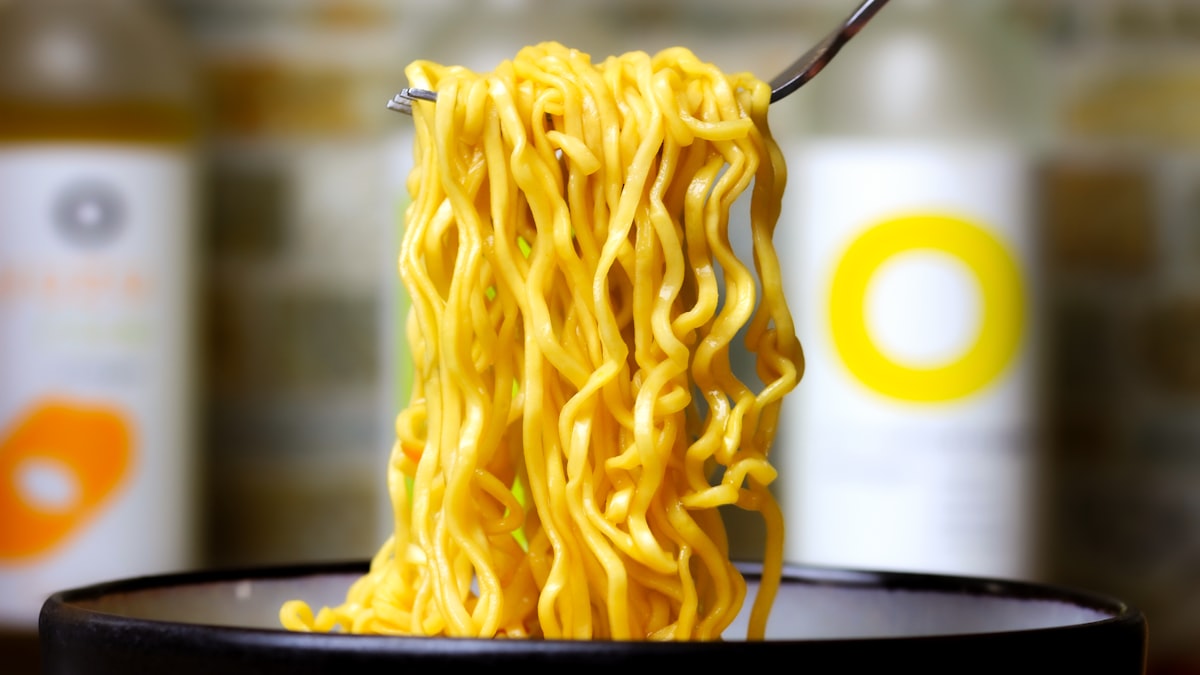
    Instant ramen was invented in Japan, and the local versions are a world apart from what most people grew up with. They make cheap, fun souvenirs and a great way to taste regional flavors at home. Here’s what to look for and where to buy.

    Cup vs bag — and the tiers

    • Cup noodles — convenient; just add hot water. Great for trying lots of flavors.
    • Bag noodles — cook on the stove; usually better texture.
    • Premium “raw-style” (nama) — fresh-style noodles and richer soup packets; the closest to a real ramen shop.

    Flavors & brands to try

    • Nissin — the original Cup Noodle and Raoh (premium).
    • Ichiran & Ippudo — famous tonkotsu chains sell instant versions of their bowls.
    • Regional ramen — Sapporo miso, Hakata tonkotsu, shoyu, and spicy tantanmen.
    • Yakisoba — the stir-fried noodle cups (Ippei-chan, UFO) are a must.

    Make it better

    Upgrade a pack with a soft-boiled egg, sliced pork, corn, spring onion, or a knob of butter (Sapporo-style). Even the cheapest cup shines with a fresh topping.

    Where to buy

    • In Japan: supermarkets, konbini (see our konbini must-buys), and Don Quijote for the widest range and multipacks.
    • From abroad: variety packs on Amazon , or specific Japan-only flavors via a proxy service.
    • Snack boxes sometimes include ramen too — see the best snack boxes.

    Fun fact for your trip: Osaka has a Cup Noodles Museum where you can design your own — a great stop on our Osaka guide.

    What things typically cost

    • Standard cup noodles run JPY 150-250, while premium “raw-style” (nama) cups from Nissin’s Raoh line or chain-branded versions (Ichiran, Ippudo) run JPY 300-500, genuinely closer to real ramen shop quality.
    • Bag noodles for stovetop cooking run JPY 100-200, often cheaper per serving than cups but requiring a pot and a few extra minutes.
    • A well-stocked variety box of 10-15 different cups and bags runs JPY 2,000-3,500, an efficient way to sample many regional flavors without committing to a full case of any single one.

    Common mistakes to avoid

    • Not checking the water-fill line inside the cup — overfilling or underfilling changes the broth balance significantly; most cups have a clearly marked internal fill line that’s easy to miss on a first attempt.
    • Assuming premium and standard cups cook the same way — some raw-style premium cups need longer soak times (5+ minutes versus 3) to properly hydrate the thicker noodles; check the specific instructions rather than assuming a universal timing.
    • Packing cups instead of bags when weight matters — cup noodles include the bulky cup itself, while bag noodles pack flat and are lighter for a return flight if you’re bringing home a large haul.

    Building a tasting flight at home

    Buying one cup each of Sapporo miso, Hakata tonkotsu, Tokyo shoyu, and a shio variety recreates a rough tour of Japan’s major regional ramen styles in a single sitting — a fun, cheap way to revisit a trip’s food highlights or introduce friends back home to the range instant ramen can actually offer.

    Visiting the Cup Noodles Museum

    Beyond shopping for instant ramen, the Osaka museum (and a similar one in Yokohama) lets visitors design and package their own custom cup noodle flavor combination as a hands-on souvenir — a fun activity for both kids and adults that turns a grocery-aisle product into an actual attraction worth building into an itinerary.

  • Uniqlo vs Muji: What’s Actually Worth Buying in Japan

    Uniqlo vs Muji: What’s Actually Worth Buying in Japan

    Some links below are affiliate links. If you buy through them, Japan Trove may earn a small commission at no extra cost to you.

    Uniqlo and Muji are two of Japan’s most beloved exports, and both are cheaper and more complete in Japan than abroad. But they’re not the same — here’s what each does best and what’s actually worth buying on your trip.

    The quick difference

    • Uniqlo — affordable, high-quality basics and clever performance fabrics. Think wardrobe staples.
    • Muji — minimalist lifestyle: homeware, stationery, storage, snacks, skincare, and simple clothing.

    What to buy at Uniqlo

    • Heattech base layers — perfect for a winter trip and packing light.
    • AIRism for hot, humid summers.
    • Ultra Light Down — packs into a pouch; a traveler’s favorite.
    • UT graphic tees — Japan-exclusive anime and art collabs make great souvenirs.

    What to buy at Muji

    • Stationery & pens — simple and excellent; see our stationery guide.
    • Travel organizers & toiletry bottles — genuinely useful.
    • Snacks — the baumkuchen and rice crackers are cult favorites.
    • Skincare & aroma — affordable, fragrance-free basics and essential-oil diffusers.

    Why buy in Japan?

    Both chains are larger, cheaper, and better-stocked in Japan, with Japan-only items and tax-free shopping for tourists (bring your passport). Flagship stores (like Ginza) are worth a visit in their own right.

    Can’t get to Japan?

    Both ship in many countries, and you’ll find some items on Amazon . For Japan-only pieces, a proxy service works well. Pair your haul with picks from our best gifts from Japan.

    What things typically cost

    • Uniqlo basics run JPY 990-4,990, with Heattech and AIRism lines at the lower end of that range and Ultra Light Down jackets at the higher end — both categories are genuinely cheaper in Japan than most overseas Uniqlo branches.
    • Muji clothing and homeware run JPY 500-5,000 depending on category, with stationery and small storage items at the affordable end and clothing basics in the middle.
    • UT graphic tees (Uniqlo’s collaboration line) run JPY 1,500-2,500 and frequently feature Japan-exclusive anime, art, or franchise collaborations not sold in the same form overseas.

    Common mistakes to avoid

    • Assuming both brands overlap more than they do — Uniqlo is almost entirely clothing-focused while Muji covers a much broader lifestyle range; deciding which category (wardrobe vs. home/travel goods) you actually need saves time picking the right store first.
    • Skipping flagship stores for a specific limited item — UT collaboration designs and certain Muji seasonal goods are sometimes flagship-exclusive or sell out faster at smaller branches; a large store like Ginza’s often has better stock depth.
    • Not checking sizing before buying multiple pieces — both brands run closer to Japanese/Asian sizing standards, which can differ from Western size charts; trying one piece on first before buying several in the same size is worth the extra few minutes.

    Which to prioritize with limited time

    If you only have time for one store, choose based on your actual need: Uniqlo for wardrobe basics and travel-specific fabric technology (Heattech, AIRism), or Muji if you want lightweight travel goods, stationery, and snacks alongside simple clothing — most travelers find they genuinely want something from both rather than one covering all needs.

    Using Uniqlo pieces to pack lighter

    Heattech and AIRism layers specifically let you pack fewer, thinner items and rely on layering rather than bulky sweaters or jackets — a genuinely practical strategy for travelers trying to fit a multi-season Japan trip into a single carry-on, buying the appropriate layer locally rather than hauling heavier gear from home.

  • Best Japanese Whisky for Beginners (Bottles & Where to Buy)

    Best Japanese Whisky for Beginners (Bottles & Where to Buy)

    Some links below are affiliate links. If you buy through them, Japan Trove may earn a small commission at no extra cost to you. Please drink responsibly and follow the laws where you live.

    Japanese whisky has gone from niche to world-famous, winning top international awards — which also means the best bottles are scarce and pricey. Here’s a beginner’s guide to the styles, the big names, and how to buy without overpaying.

    Why Japanese whisky is special

    Modeled on Scotch but with a distinctly precise, balanced house style, Japanese whisky is prized for smoothness and delicate complexity. Demand has outstripped supply, so age-statement bottles from the famous distilleries can be very expensive.

    The major producers

    • Suntory — Yamazaki, Hakushu (single malts), and Hibiki (blends). The benchmark names.
    • Nikka — Yoichi and Miyagikyo single malts, plus the excellent-value “Nikka From The Barrel” blend.
    • Smaller distilleries — Chichibu (Ichiro’s Malt) and others, highly sought by collectors.

    Good bottles to start with (without remortgaging)

    • Nikka From The Barrel — punchy, complex, famously good value.
    • Suntory Toki or Hibiki Japanese Harmony — approachable blends, great in a highball.
    • Nikka Days — light and easy for newcomers.

    Watch out: some “Japanese” whisky is blended with imported spirit. Newer labeling standards are tightening this, but check the producer if provenance matters to you.

    How to enjoy it

    The Japanese highball (whisky + soda, lots of ice) is the national serve — crisp and food-friendly. Otherwise, neat or with a little water to open it up.

    Where to buy

    Reputable retailers and larger online stores stock the accessible bottles; be wary of wildly marked-up “rare” listings. Buying in Japan? Department stores, Bic Camera, and Don Quijote often have good prices — a bottle makes a memorable gift from Japan (mind duty-free allowances when flying home).

    Not a whisky person? Japan’s green teas travel just as well.

    What Japanese whisky typically costs

    • Accessible blends like Suntory Toki and Nikka From The Barrel run JPY 2,500-4,000, genuinely good value and widely available even at department stores and Don Quijote.
    • Age-statement single malts (Yamazaki 12, Hakushu 12) run JPY 15,000-30,000+ when you can find them at retail price — demand has pushed many onto allocation or lottery-style sales systems at Japanese retailers, making them harder to simply buy off a shelf.
    • Rare and discontinued bottlings from Karuizawa or older Hanyu releases can run into the hundreds of thousands of yen at auction, firmly collector territory rather than casual buying.

    Common mistakes to avoid

    • Assuming any Japanese-labeled bottle is genuinely Japanese-distilled — newer labeling standards have tightened this, but older or export-market bottles sometimes blend in imported Scotch or Canadian whisky; check the producer’s own disclosure if authenticity matters to you specifically.
    • Overpaying for “rare” bottles from unofficial resellers — flagship distillery age-statement releases are genuinely scarce, and inflated resale prices are common; reputable department store liquor floors and Bic Camera are safer, fair-priced options than street vendors or unfamiliar online sellers.
    • Forgetting duty-free liquor allowances when flying home — most countries cap how much alcohol you can bring in without declaring it; check your destination’s specific limit before buying multiple bottles.

    Trying before you commit to a bottle

    Whisky bars in Tokyo and Osaka often stock an extensive range of pours by the glass, letting you taste several distilleries’ styles for a fraction of a full bottle’s cost before deciding what to bring home — a smarter approach than buying a bottle sight-unseen based on reputation alone.

    Highball culture beyond the bottle

    Many Japanese restaurants and izakaya serve a whisky highball as a default drink option alongside beer, often at a lower price point than a dedicated whisky bar — trying it this casual, everyday way during your trip gives a more authentic sense of how the drink fits into daily life than a formal tasting alone.

  • Best Japanese Green Tea: Matcha, Sencha & Where to Buy

    Best Japanese Green Tea: Matcha, Sencha & Where to Buy

    Some links below are affiliate links. If you buy through them, Japan Trove may earn a small commission at no extra cost to you.

    Japanese green tea is one of the best things to bring home: light to pack, long-lasting, and a daily reminder of your trip. But “green tea” covers a lot of styles. Here’s a simple guide to the main types and how to buy good ones.

    The main types

    • Sencha — the everyday green tea; fresh, grassy, slightly sweet. Start here.
    • Gyokuro — shade-grown and premium; rich, sweet, and umami-heavy. A treat.
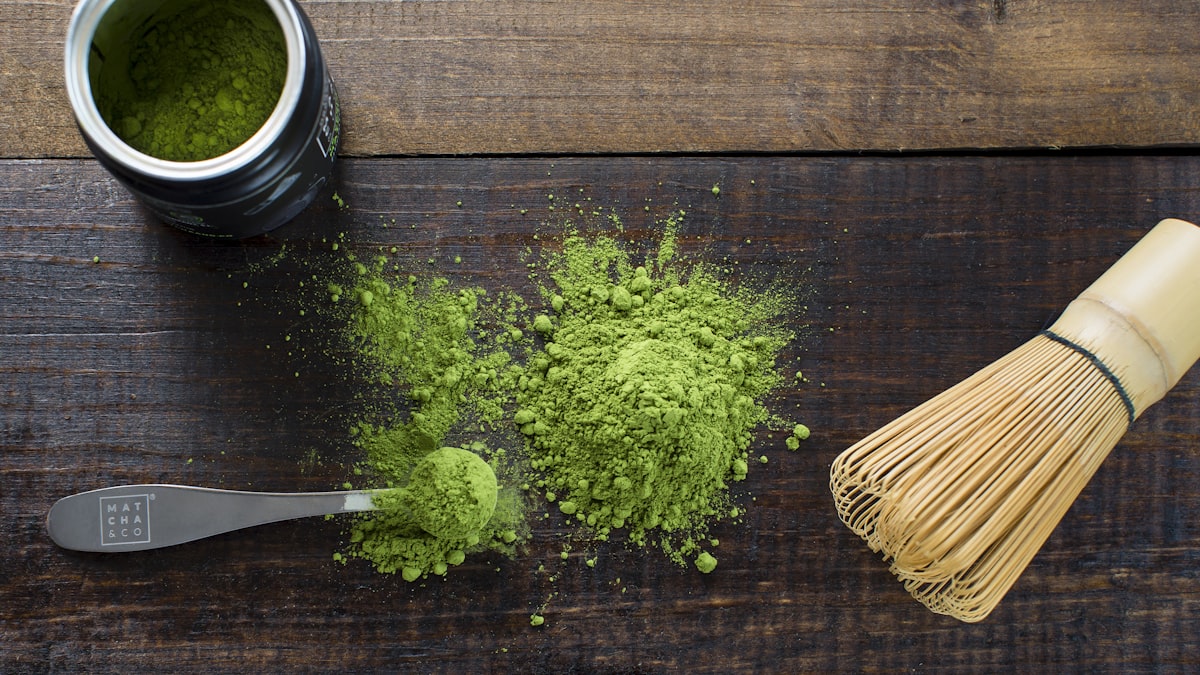
    • Matcha — stone-ground powder whisked into water; vivid and full-bodied, also great in lattes and baking.
    • Hojicha — roasted green tea; toasty, low in caffeine, lovely in the evening.
    • Genmaicha — green tea with roasted brown rice; nutty and comforting.

    How to choose good tea

    • Look for origin — Uji (Kyoto), Shizuoka, and Kagoshima are famous regions.
    • Buy recent harvest and reseal well; green tea fades with time and air.
    • For matcha, “ceremonial grade” is for drinking; “culinary grade” is for lattes and baking — don’t overpay for baking.

    Brewing basics

    • Sencha: cooler water (about 70–80°C) for ~1 minute — boiling water makes it bitter.
    • Gyokuro: even cooler (~50–60°C), longer steep.
    • Matcha: sift, add a little near-boiling water, and whisk to a froth.

    Where to buy

    Good Japanese tea is available on Amazon and specialty tea retailers that ship worldwide; look for named regions and recent harvest dates. Buying in Japan? Department-store food halls (depachika) and specialist tea shops in Kyoto are ideal, and a nice tin makes a great gift.

    Pair your tea habit with other Japanese treats, or learn to order Japan-only items via a proxy service.

    What good tea typically costs

    • Everyday sencha runs JPY 800-2,000 for 100g, while premium single-origin Uji or Shizuoka sencha can run JPY 3,000-6,000 for the same amount depending on harvest grade.
    • Ceremonial-grade matcha runs JPY 2,000-6,000 for a small 30-40g tin — genuinely different from and pricier than culinary-grade matcha (JPY 800-1,500), which is fine for lattes and baking but noticeably harsher for straight drinking.
    • Gyokuro, the shade-grown premium tea, runs JPY 3,000-8,000 for 100g and is priced closer to a luxury purchase than an everyday one given its labor-intensive cultivation.

    Common mistakes to avoid

    • Buying culinary-grade matcha for drinking — it’s formulated for baking and lattes where other ingredients mask bitterness; straight-drinking matcha specifically calls for ceremonial grade, and the price difference reflects a real quality gap for this use.
    • Brewing sencha with boiling water — this is the most common mistake and makes the tea genuinely bitter; letting water cool to roughly 70-80°C first (or simply waiting a minute or two after boiling) makes a noticeable difference.
    • Storing tea loosely in a cupboard for months — green tea fades in flavor from light and air exposure faster than black tea; buying smaller amounts more frequently, or resealing tightly in an airtight container, preserves quality much better.

    Building a tea-tasting flight to bring home

    Buying a small amount each of sencha, hojicha, and genmaicha lets you compare grassy, roasted, and nutty profiles side by side — a more interesting souvenir for a tea-curious friend than a single large bag of one style, and it fits easily within typical airline liquid/powder carry restrictions since it’s all dry leaf.

    Visiting a tea region in person

    Uji, just outside Kyoto, is worth a half-day trip specifically for tea enthusiasts — specialty shops there offer tastings and sell direct-from-farm sencha and matcha at prices often better than department store counters, alongside a chance to see the terraced tea fields that don’t come across in a packaged tin.

  • Japanese Drugstore Must-Buys: Best Matsukiyo Finds

    Japanese Drugstore Must-Buys: Best Matsukiyo Finds

    Some links below are affiliate links. If you buy through them, Japan Trove may earn a small commission at no extra cost to you.

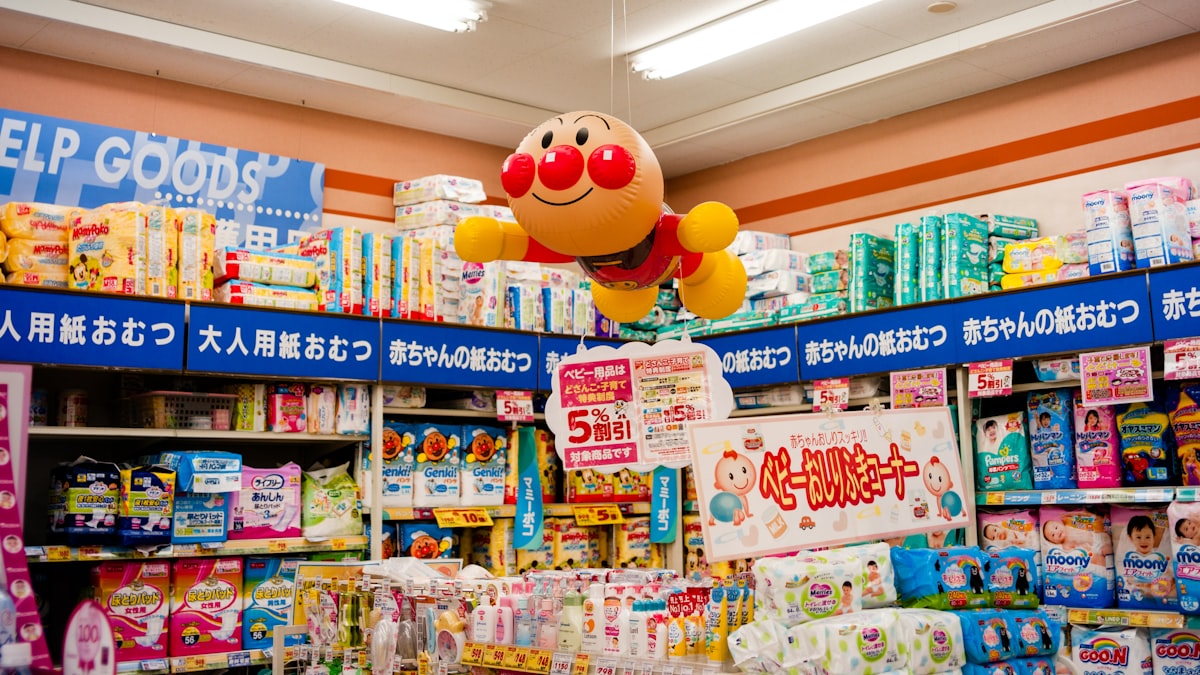
    Japanese drugstores — Matsumoto Kiyoshi (“Matsukiyo”), Welcia, Don Quijote — are a shopping destination in their own right. Prices are low, the range is huge, and many cult beauty and health products are cheapest here. Here’s what to fill your basket with.

    Skincare & beauty

    • Sunscreen — the famous light-textured formulas at drugstore prices; see the best Japanese sunscreens.
    • Hydrating lotions (Hada Labo, Hatomugi) and Melano CC vitamin C — cornerstones of a J-beauty routine.
    • Sheet masks (Lululun) in daily-use packs — cheap and great for gifts.
    • Cleansing oils (DHC, Bioré) and steam eye masks (Megrhythm).

    Health & daily-life items

    • Cooling/heat patches and muscle-relief plasters (Salonpas).
    • Kabá / cold remedies and vitamins — check ingredient rules before flying home.
    • Foot-care goods and blister plasters — genuinely useful after temple-hopping.

    Snacks & extras

    Drugstores often sell discounted snacks and drinks too, plus quirky gadgets. Don Quijote (“Donki”) is the maximalist version — open late, chaotic, and full of souvenirs and Kit Kats (see our Kit Kat guide).

    Shopping tips

    • Tax-free is available for tourists above a spend threshold — bring your passport.
    • Bring a foldable bag; you’ll buy more than you planned.
    • Note formulas differ from overseas versions — that’s part of why people stock up.

    Can’t get to Japan?

    Many of these are available abroad on YesStyle , iHerb , and Amazon . For drugstore-only items, use a proxy service.

    What things typically cost

    • Sheet masks run JPY 100-300 each, cheap enough to buy a large multi-pack for daily use during a trip and still have extras to bring home as gifts.
    • Skincare staples like Hada Labo lotions and Melano CC vitamin C serums run JPY 700-1,500, often half the price of comparable Western drugstore skincare with similarly researched formulas.
    • A well-rounded drugstore haul covering skincare, a few health items, and sheet masks typically runs JPY 5,000-10,000, easily clearing the tax-free minimum spend threshold in one visit.

    Common mistakes to avoid

    • Assuming a product works identically to its overseas version — Japanese-market formulas of familiar international brands sometimes differ in ingredients or concentration from export versions; that difference is often exactly why Japan-bought versions have a cult following, but check ingredient lists if you have specific sensitivities.
    • Buying cold or allergy medicine without checking your home country’s import restrictions — some common Japanese over-the-counter ingredients (like certain stimulant-containing cold remedies) are restricted or banned elsewhere; research before stocking up heavily.
    • Skipping smaller neighborhood branches assuming they’re all identical — larger flagship drugstores near major stations carry a noticeably deeper range than small local branches, worth the extra few minutes’ walk for a serious shopping trip.

    Building a skincare gift set from the drugstore

    A cleansing oil, a hydrating lotion, and a pack of sheet masks together make a complete, giftable J-beauty starter set for well under JPY 3,000 — a genuinely thoughtful gift for a skincare-curious friend that costs far less than it looks like it should.

    Shipping a large drugstore haul home

    If your shopping run grows beyond suitcase space, larger drugstore branches and Don Quijote locations can often arrange shipping, or a hotel concierge can point you to a nearby shipping service — worth considering for a genuinely large skincare and health-item haul rather than risking excess baggage fees.

  • Best Gunpla for Beginners: Grades, Kits & Where to Buy

    Best Gunpla for Beginners: Grades, Kits & Where to Buy

    Some links below are affiliate links. If you buy through them, Japan Trove may earn a small commission at no extra cost to you.

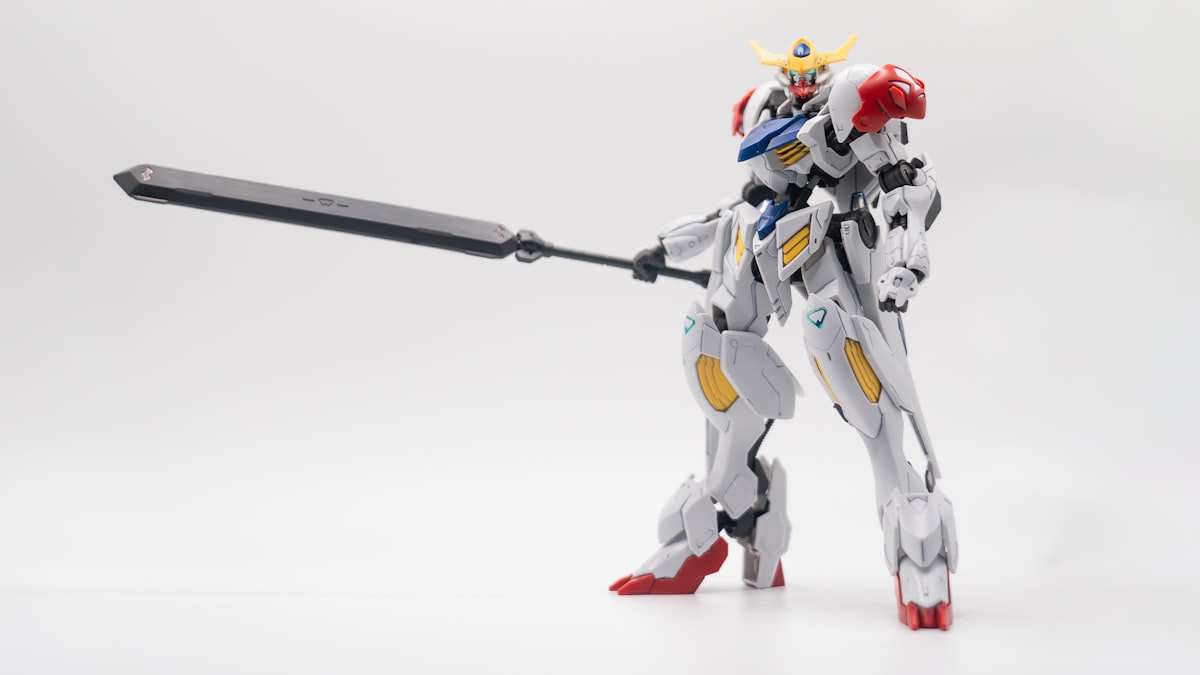
    Gunpla — Gundam plastic model kits — are the perfect gateway hobby: cheap to start, no glue or paint required, and weirdly relaxing. Here’s how the grades work and which kit to buy first.

    Understanding the grades

    • Entry Grade (EG) — the easiest; snap-fit, minimal parts, great for a first build.
    • High Grade (HG) — 1/144 scale, affordable, huge variety; the sweet spot for beginners.
    • Real Grade (RG) — 1/144 but highly detailed and complex; step up once you’re comfortable.
    • Master Grade (MG) — 1/100 scale, inner frames, more advanced and satisfying.
    • Perfect Grade (PG) — huge, expensive, expert-level showpieces.

    What to buy first

    Start with an EG or HG kit — an EG RX-78-2 or an HG of a design you like. They cost little, build in an evening, and teach you the basics without frustration.

    Tools you actually need

    • A good side cutter (nipper) — the one upgrade that matters most for clean parts.
    • A hobby knife or file to tidy nub marks.
    • Optional: panel-line marker and Gundam markers for detail; no paint needed.

    Where to buy

    The best selection and prices come from Japanese hobby stores that ship worldwide — see our guide to buying figures and kits from Japan (HLJ , AmiAmi, CDJapan). Amazon also stocks popular HG and EG kits and nippers. Buying in Japan? Yodobashi and hobby shops in Akihabara are a paradise.

    Tips for a clean first build

    • Take your time cutting parts from the runner — cut away from the part, then trim the nub.
    • Follow the manual; it’s picture-based and easy even in Japanese.
    • Panel-lining is the easiest way to make a kit look pro.

    Looking for a gift for a fan? A beginner kit plus a nipper is perfect — see best gifts from Japan.

    What Gunpla typically costs

    • Entry Grade kits run JPY 500-1,000, genuinely cheap enough to buy several to try different designs before committing to pricier grades.
    • High Grade kits, the sweet spot for most hobbyists, run JPY 1,500-3,500 depending on the specific mobile suit and level of detail included.
    • Master Grade kits run JPY 4,000-10,000, and Perfect Grade showpieces can run JPY 15,000-50,000+, reflecting the significant jump in parts count and engineering complexity at each tier.

    Common mistakes to avoid

    • Jumping straight to a Master Grade kit as a first build — the inner-frame assembly and higher parts count can be genuinely frustrating without first learning basic techniques on an EG or HG kit; starting smaller pays off in enjoyment, not just cost.
    • Using regular household scissors or kitchen knives instead of a proper side cutter — this is the single most common cause of visible white stress marks and rough nub marks on finished kits; a dedicated hobby nipper is a small, worthwhile investment.
    • Rushing the parts removal from the runner — cutting too close in one pass often damages the part; cutting away from the part first, then trimming the remaining nub flush, gives a noticeably cleaner result.

    Where to shop for kits in Japan

    Yodobashi Akiba and the dense cluster of hobby shops throughout Akihabara offer the widest selection, including exclusive and limited-run kits not easily found overseas — worth setting aside a dedicated hour if Gunpla is a genuine trip interest rather than treating it as a five-minute browse alongside other electronics shopping.

    Building a kit-building routine while traveling

    A compact EG or HG kit fits easily in a suitcase and makes a genuinely relaxing hotel-room evening activity between busy sightseeing days — some travelers specifically buy a kit early in a Japan trip just to have something calm to build during downtime, rather than saving it strictly as a souvenir for after returning home.

  • Japanese Convenience Store Must-Buys: Konbini Snacks & Essentials

    Japanese Convenience Store Must-Buys: Konbini Snacks & Essentials

    Some links below are affiliate links. If you buy through them, Japan Trove may earn a small commission at no extra cost to you.

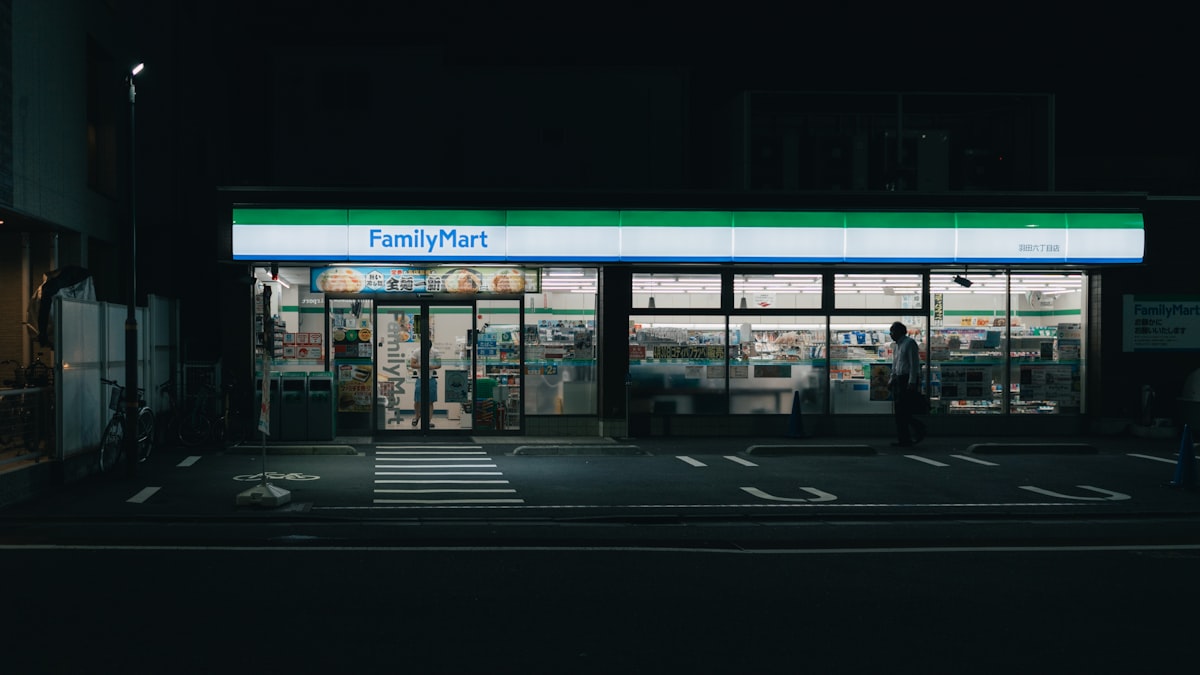
    Japan’s convenience stores (“konbini”) — 7-Eleven, FamilyMart, and Lawson — are a genuine highlight of any trip. The quality is astonishing and prices are low. Here’s what to grab on your first konbini run, from meals to snacks to little life-savers.

    Meals & hot food

    • Onigiri (rice balls) — cheap, delicious, and the wrapper keeps the seaweed crisp; tuna-mayo and salmon are classics.
    • Sandwiches — the egg salad (“tamago sando”) is legendary.
    • Hot counter — FamilyMart’s fried chicken (“Famichiki”) and Lawson’s karaage-kun are must-tries.
    • Oden (winter) and fresh bento boxes — surprisingly good for the price.

    Snacks & sweets

    • Seasonal Kit Kats and chocolate — see our Kit Kat guide.
    • Konbini sweets — the pudding, roll cake, and mochi desserts rival dedicated shops.
    • Umaibo, Jagariko, and regional chips — cheap, fun, and shareable.

    Drinks

    • Bottled green tea and barley tea — unsweetened and refreshing.
    • Canned coffee (hot or cold from the machine) and unique sodas.
    • Chilled dashi/soup and vitamin drinks for when you’re worn out.

    Non-food life-savers

    • ATMs (7-Eleven and Japan Post accept foreign cards), ticket machines, and clean toilets.
    • Umbrellas, phone chargers, socks, toiletries — whatever you forgot.
    • Tax-free at some larger stores if you spend enough — bring your passport.

    Want konbini snacks at home?

    You can recreate the experience abroad with a Japanese snack box, or order specific items via a proxy service. New to Japan? Start with our first-timer tips and 7-day itinerary.

    What things typically cost

    • Onigiri run JPY 130-180 each, sandwiches JPY 250-450, and hot counter items like Famichiki or karaage-kun run JPY 180-250 — a filling konbini meal for one person typically totals JPY 500-800.
    • Bento boxes run JPY 500-900 depending on contents, often discounted 20-50% in the evening as stores mark down items nearing their sell-by time, a genuinely good budget dinner strategy.
    • Drinks (bottled tea, canned coffee) run JPY 120-160, and most konbini stock a wide enough range that a full day’s meals and drinks can realistically run under JPY 2,500 per person.

    Common mistakes to avoid

    • Skipping the hot counter because it looks like ordinary fast food — Famichiki and karaage-kun are genuinely well-regarded, not just convenient; many visitors rank them among their favorite quick meals of the whole trip.
    • Not checking discount timing — many konbini mark down perishable food in the evening (often after 7-8pm), and timing a visit for this window can mean a genuinely good meal at a steep discount.
    • Assuming all three chains are identical — 7-Eleven, FamilyMart, and Lawson each have their own signature items and slightly different strengths (7-Eleven’s onigiri, FamilyMart’s fried chicken, Lawson’s desserts are commonly cited favorites), so trying all three is worth it rather than sticking to whichever is closest.

    Konbini as a genuine meal solution, not just snacks

    For budget-conscious or time-pressed days, building a full breakfast, lunch, or dinner entirely from a konbini run is a completely normal and satisfying choice in Japan, not a compromise — many locals eat this way regularly, and the quality bar is high enough that it holds up to repeated use across a multi-day trip.

    Konbini for practical travel needs

    Beyond food, a konbini run often solves an unexpected travel problem in one stop — a forgotten charger cable, a dead phone needing a portable battery, a sudden rain shower needing an umbrella, or simply needing cash from a reliable ATM — making it worth building a mental habit of “check the nearest konbini first” for small trip hiccups.

  • Best Japanese Kitchen Knives for Beginners (and Where to Buy)

    Best Japanese Kitchen Knives for Beginners (and Where to Buy)

    Some links below are affiliate links. If you buy through them, Japan Trove may earn a small commission at no extra cost to you.

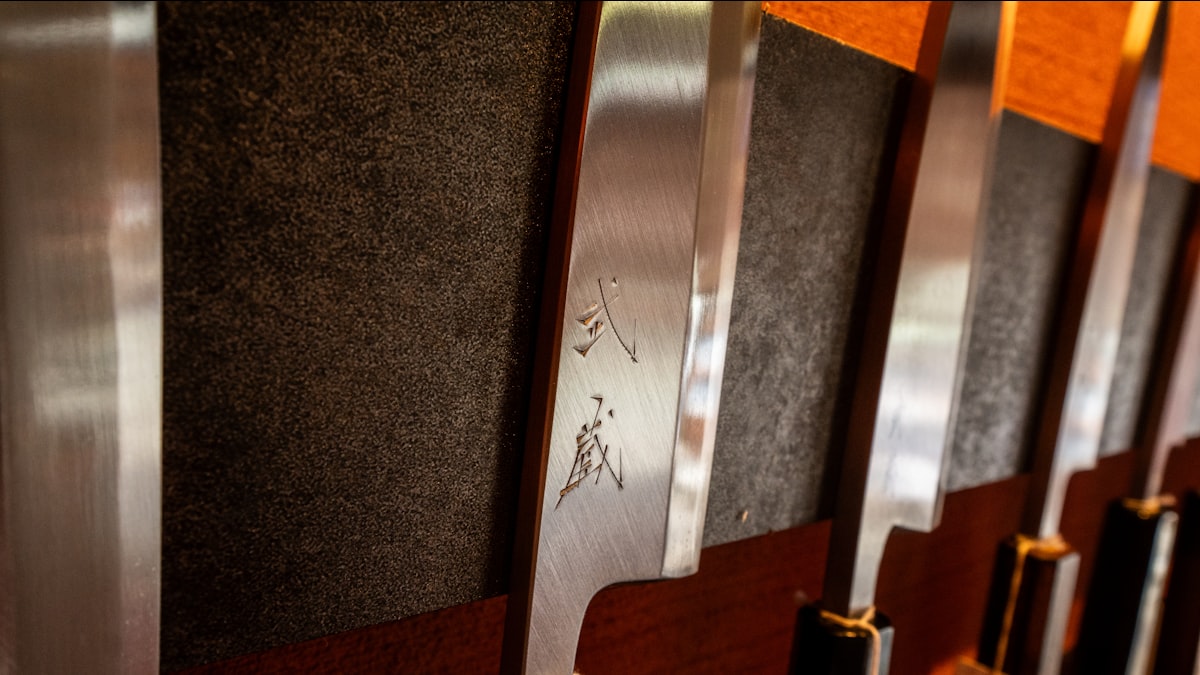
    A Japanese kitchen knife is one of the best things you can bring home — or buy online. They’re prized for razor-sharp edges, light weight, and precision. Here’s a beginner’s guide to the styles worth knowing and how to choose your first one.

    Knife styles to know

    • Santoku — the all-purpose “three virtues” knife; great first choice for meat, fish, and veg.
    • Gyuto — the Japanese take on a Western chef’s knife; longer, versatile.
    • Nakiri — flat blade for vegetables; effortless chopping.
    • Petty — a small utility knife for detail work.
    • Deba / Yanagiba — specialist knives for breaking down and slicing fish (for the more serious).

    Steel & construction (the basics)

    • Stainless — easy care, rust-resistant; best for beginners.
    • Carbon steel — takes a keener edge but needs drying and occasional oiling; it patinas over time.
    • Handle: Western (heavier, bolstered) vs Japanese “wa” (light, wood). Try to hold before buying if you can.

    Choosing your first knife

    For most people: a stainless Santoku or Gyuto around 165–210mm. It covers 90% of home cooking and is forgiving to maintain. Add a Nakiri later if you chop a lot of vegetables.

    Care

    • Hand wash and dry immediately — never the dishwasher.
    • Cut on wood or plastic, not glass or stone.
    • Hone regularly; learn to use a whetstone for sharpening.

    Where to buy

    Reputable knives are available on Amazon (look for established makers) and specialist Japanese knife retailers that ship worldwide. Buying in Japan? Kappabashi in Tokyo and knife shops in Kyoto/Osaka are famous — and you can carry it home in checked luggage. For anything Japan-only, use a proxy service.

    Cooking-curious after your trip? A good knife also makes a memorable present — see our best gifts from Japan.

    What a good knife typically costs

    • A solid entry-level stainless Santoku or Gyuto from a reputable maker runs JPY 8,000-15,000, a genuine step up from mass-market knives without entering premium territory.
    • Mid-range knives with better steel and craftsmanship run JPY 15,000-35,000, often the sweet spot for a serious home cook’s first “real” Japanese knife.
    • Handmade, artisan-forged knives from named smiths can run JPY 40,000-150,000+, priced as much for the maker’s reputation and craftsmanship as for pure cutting performance.

    Common mistakes to avoid

    • Buying carbon steel without understanding the maintenance commitment — carbon steel takes an excellent edge but rusts if left wet even briefly; if you’re not ready to dry and occasionally oil a blade after every use, stainless is the more forgiving, realistic choice.
    • Choosing a knife based on looks alone without holding it — handle shape and knife balance vary significantly between Western and Japanese “wa” handle styles; if you can visit a shop like those in Kappabashi, holding several options before buying makes a real difference to long-term comfort.
    • Skipping a honing rod or whetstone purchase — a great knife dulls without maintenance; budgeting for basic sharpening tools alongside the knife itself is part of the real cost of ownership.

    Bringing a knife home safely

    Kitchen knives must go in checked luggage, never carry-on, and should be wrapped securely (many shops provide a proper blade guard or box) to avoid injury to baggage handlers or damage to the edge — keep the original packaging if possible, since it’s specifically designed for this kind of transport.

    Trying a knife-sharpening class

    Some Kappabashi shops and specialty stores offer short whetstone sharpening demonstrations or beginner classes, sometimes free with a purchase — worth asking about specifically, since learning the correct angle and motion from a demonstration is far more effective than trying to learn from written instructions alone once you’re home.