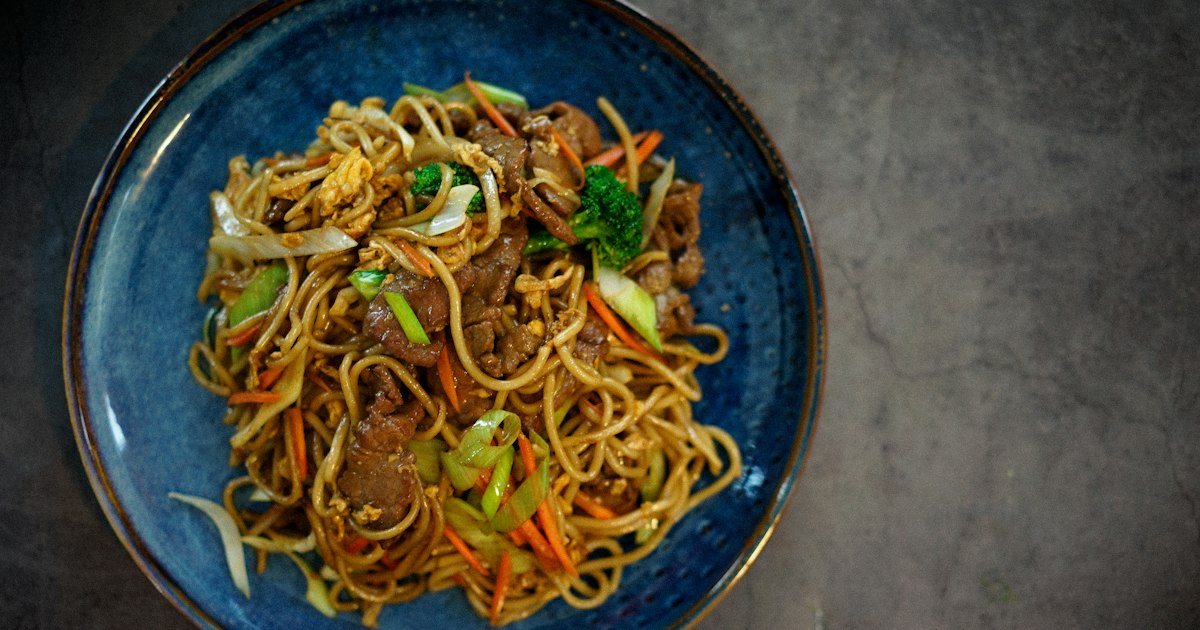
Curry udon looks like a contradiction on paper — a British-by-way-of-India curry sauce ladled over chewy Japanese wheat noodles in a deep, steaming bowl. But one bite explains why it’s been a lunch counter staple for over a century. It’s spicier than standard dashi-based udon, heartier than soba, and messier than almost anything else you’ll eat with chopsticks in Japan. Here’s how to find it, order it properly, and avoid the rookie mistakes that leave curry splattered down your front.
What Is Curry Udon, Exactly?
Curry udon traces back to Meiji-era Tokyo soba shops, which started serving “curry nanban” — curry broth over soba or udon with leek — not long after Japan’s navy adopted British-style curry powder in the late 1800s. Cooks thickened dashi (bonito-and-kelp stock) with curry powder and a wheat-flour or starch slurry, creating a broth that’s thinner than a curry rice sauce but far richer than a typical udon soup. The result clings to the noodles, tastes like curry up front, and finishes with the umami depth of dashi underneath. Pork, chicken, duck, or deep-fried tofu are the usual toppings, sometimes with a raw or soft-boiled egg stirred in to mellow the heat.
Tokyo vs. Kyoto Style: Two Schools of Curry Broth
Two regional approaches dominate. The Tokyo style, best represented by old-guard shops in neighborhoods like Nakano, leans thick, oily, and assertively spiced — closer to a curry stew that happens to have noodles in it. Some of these shops have been making the same recipe since before World War II and hand out plastic bibs or aprons at the door, which tells you everything about the splash factor.
Kyoto’s version, sometimes called kyo-fu (Kyoto-style) curry udon, is lighter and more dashi-forward, thickened with kudzu starch instead of flour so the broth feels silkier and less greasy. A well-known example is the lunch-only counter near Toji Temple that regularly sells out before closing — arrive by noon on weekdays if you want a seat, since once the pot runs dry, that’s it for the day. These shops tend to be small, cash-only, and closed on at least one weekday, so don’t plan a special trip without checking current hours locally first.
Where to Order: Budget, Mid-Range, and Splurge
You don’t need to hunt down a historic shop to get a decent bowl — but it helps to know the price tiers.
- Budget (¥690–¥990): National udon chains like Marugame Seimen and Hanamaru Udon offer curry udon as a standing menu item nationwide, available for lunch or dinner, with self-serve tempura sides to build out the meal cheaply.
- Mid-range (¥1,000–¥1,600): Specialty udon restaurants and regional chains like Tsurutonkin serve thicker, more developed broths with a choice of pork, duck, or seafood toppings, often as part of a set with rice or a side of inarizushi — a classic, inexpensive pairing you’ll see on udon-shop menus across the country.
- Splurge (¥1,800–¥3,000+): A handful of destination shops use wagyu beef, slow-cooked curry bases, or handmade thick-cut udon, and are worth seeking out if you’re already building a food-focused day around a specific neighborhood.
If you’re deciding where to eat on the fly, pulling up Tabelog is the fastest way to check real photos, current hours, and recent reviews before you commit — our guide on restaurant reservations and the Tabelog and OMAKASE apps covers how to read the app and when (rarely, for curry udon counters) a booking is actually needed.
How to Order (and Eat) Without Making a Mess
Most shops list curry udon simply as “カレーうどん” (karē udon) on a ticket machine or paper menu — point and pay, no small talk required. Toppings are usually add-ons: pork (豚肉, butaniku), chicken (鶏肉, toriniku), or deep-fried tofu (きつね, kitsune) are the common choices, and a raw egg (生卵, namatama) for ¥100–¥150 extra cools the spice and enriches the broth.
The real skill is eating it. Curry broth is thicker and more prone to splashing than standard udon soup, and the classic slurping technique that works fine with clear broth will absolutely flick curry onto your shirt. Use the provided spoon to drink the broth rather than lifting the bowl, lower your face closer to the bowl than feels natural, and if the shop hands you a bib or paper apron, use it — it’s not a novelty, it’s a genuine admission that this dish is hard to eat cleanly.
Best Time of Year and Day to Go
Curry udon is sold year-round, but it peaks as comfort food from late autumn through winter, when a spicy, starch-thickened broth is exactly what you want after being outside in the cold. It’s also a popular hangover and rainy-day lunch, which is why you’ll often see it surge in popularity during Japan’s rainy season in June. For the single-pot specialty shops that sell out daily, lunch means lunch — go between 11:30am and 1pm for the best chance of a full topping selection before ingredients run low.
Common Mistakes Foreign Visitors Make
The biggest one is wearing something you care about — dark, loose clothing is the practical choice. The second is confusing curry udon with katsu curry (curry rice with a fried pork cutlet); they share a sauce base but are completely different dishes, so double-check the menu photo if you’re not confident reading the kanji. The third is assuming every udon shop serves it — plenty of traditional sanuki-style udon specialists in Kagawa Prefecture, for instance, stick to clear or soy-based broths and don’t offer a curry version at all, so check the menu board outside before you sit down. Finally, don’t bite into whole slices of raw leek or chili expecting them to be garnish only — they’re meant to be eaten and carry real heat.
Bringing the Flavor Home
If you want to recreate curry udon after your trip, Japanese supermarkets and convenience stores sell boxed curry udon sauce mixes (just add dashi or water and noodles) for a few hundred yen, and they travel well in a suitcase since they’re shelf-stable. It’s also a genuinely good last meal if you’re flying out of Tokyo — the restaurant floors at Haneda Airport Terminal 3 include udon counters where you can get a proper hot bowl before boarding instead of settling for lounge snacks. And if you’re curious how curry udon compares to Japan’s other noodle fusion dishes, Nagoya’s Taiwan mazesoba is a newer, drier, garlic-forward cousin worth trying on the same trip — both prove that Japan’s noodle culture is far more experimental than the stereotype of plain soba and ramen suggests.