Photo by Johnny Ho on Unsplash
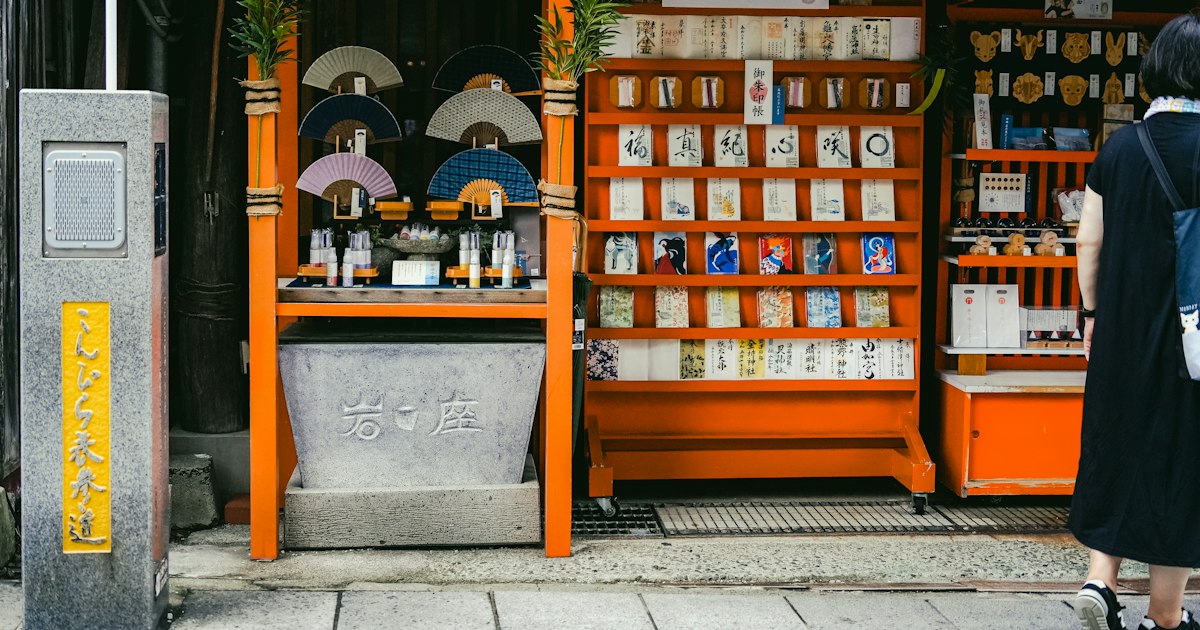
Walk up to any shrine or temple counter in Japan and you’ll see rows of small brocade pouches hanging on pegs — pink for love, blue for travel, gold for money. These are omamori, and they’re one of the easiest, most meaningful souvenirs a visitor can bring home, as long as you understand what you’re actually buying and how to treat it. Here’s what the pouches mean, where to get ones that feel authentic to your trip, and the etiquette mistakes most tourists don’t realize they’re making.
What an Omamori Actually Is
Omamori (お守り) are small cloth-wrapped amulets sold at both Shinto shrines and Buddhist temples in Japan. Inside the sealed pouch is a paper or wooden talisman inscribed with a prayer, blessed by the shrine or temple’s priests. The pouch itself is never meant to be opened — doing so is considered to release or “spend” the blessing, which is the single most common mistake visitors make. You’re supposed to carry it with you (in a bag, on a keychain, in a car) or keep it somewhere meaningful at home, not display the contents.
Unlike a generic souvenir, an omamori is technically only “real” if it comes from an actual shrine or temple’s sales counter (called a juyosho), not a gift shop or train station kiosk selling look-alikes. That distinction matters if you want the genuine article rather than a novelty item.
The Main Types and What They’re For
Most shrines and temples stock a similar core lineup, and the kanji on the front usually tells you the purpose even if you can’t read them fluently:
- Kotsu-anzen (交通安全) — traffic and travel safety, popular for rental car keychains
- En-musubi (縁結び) — love and good relationships
- Gakugyo-joju (学業成就) — academic success, big with students before exam season (January–February)
- Kanai-anzen (家内安全) — family and household safety
- Shobai-hanjo (商売繁盛) — business prosperity
- Anzan (安産) — safe childbirth
- Byoki-heiyu (病気平癒) — health and recovery from illness
Many shrines now also sell novelty and collaboration omamori — Hello Kitty, Studio Ghibli tie-ins, or ones shaped like Wi-Fi symbols for “IT security” (Kanda Myojin in Tokyo is famous for this, reflecting its location near Akihabara’s electronics and gaming district).
Where to Buy Them
You don’t need to seek out anything obscure — omamori are sold at essentially every shrine and temple in the country, from tiny neighborhood shrines to major pilgrimage sites. What changes the experience is context. Visiting a temple with real pilgrimage history, like Zenko-ji in Nagano, and picking up an omamori there afterward gives the object a story that a random shrine near your hotel won’t. Similarly, shrines tied to a specific purpose are worth a small detour: Suitengu in Tokyo for safe childbirth charms, Dazaifu Tenmangu near Fukuoka or Yushima Tenjin in Tokyo for academic success (both dedicated to Sugawara no Michizane, Japan’s deity of scholarship), and Kanda Myojin for the tech-themed ones mentioned above.
Sales counters typically open around 9:00am and close by 5:00pm, even at shrines whose grounds are accessible 24 hours. If you’re visiting a famous site during a busy season, get there earlier in the day — popular limited-edition or seasonal designs can sell out.
How Much They Cost
Budget (500–1,000 yen): The standard cloth omamori at almost any shrine or temple falls in this range. This is the normal price — if you see one costing far less at a souvenir shop, it isn’t a real blessed amulet.
Mid-range (1,000–2,000 yen): Character collaborations, larger or more elaborately embroidered designs, and omamori from famous shrines with high foot traffic (Meiji Jingu, Senso-ji, Fushimi Inari) often sit here.
Splurge (2,000–5,000 yen): Special hand-tied or gold-thread editions, larger household charms meant to be hung at home rather than carried, and omamori from major shrines like Ise Jingu or Izumo Taisha that involve more elaborate blessing rituals.
There’s no cost benefit to buying multiples of the same type “just in case” — one omamori per purpose is standard, and stacking several for the same wish isn’t believed to multiply the effect.
Etiquette: What to Do (and Not Do)
- Don’t open the pouch. The talisman inside isn’t meant to be seen once it leaves the shrine.
- Don’t throw an old one in the trash. Omamori are traditionally good for about one year. When you’re ready to retire one, the respectful way is to return it to a shrine or temple’s collection box (labeled something like 古札納め所, kofuda osamedokoro), where it will be ritually burned rather than discarded as garbage.
- Return it to the same tradition, if not the same place. Shrine-bought omamori should ideally go back to a Shinto shrine, and temple-bought ones to a Buddhist temple, though most sites are relaxed about accepting either from travelers who can’t make it back to the exact location.
- Hatsumode (New Year, roughly Jan 1–3) is the traditional swap point — many Japanese people buy a fresh omamori and return last year’s model during the same shrine visit, and shrines are well set up for it then, though it does mean bigger crowds.
- Taking one out of Japan is completely fine — omamori aren’t restricted for export or import, unlike some other categories of goods travelers ask about (if you’re also researching what you can and can’t bring in and out of the country, see this guide on bringing medicine into and out of Japan).
Making It Part of a Bigger Souvenir Haul
Omamori pack flat and cost little, which makes them an easy add-on to a shopping day rather than a destination in themselves. If you’re building out a small collection to bring home as gifts, a Hakone yosegi zaiku puzzle box makes a nice display case for a set of amulets once you’re home, and if the idea of objects carrying protective meaning appeals to you, the mended indigo textiles covered in this guide to sashiko and boro come from a similar cultural instinct — reinforcing and protecting something worn close to daily life.
Best Timing for a Visit
Any time of year works, since shrines and temples sell omamori year-round, but two windows are worth knowing. Early January (Hatsumode) is the liveliest time to see omamori culture in action, with long lines and fresh stock, though it’s also the most crowded period at major shrines. Late January through early February is exam season in Japan, so academic-success charms at places like Yushima Tenjin see a real spike in local visitors — an interesting time to visit if you want to see the amulet’s purpose playing out in real time rather than just reading about it.