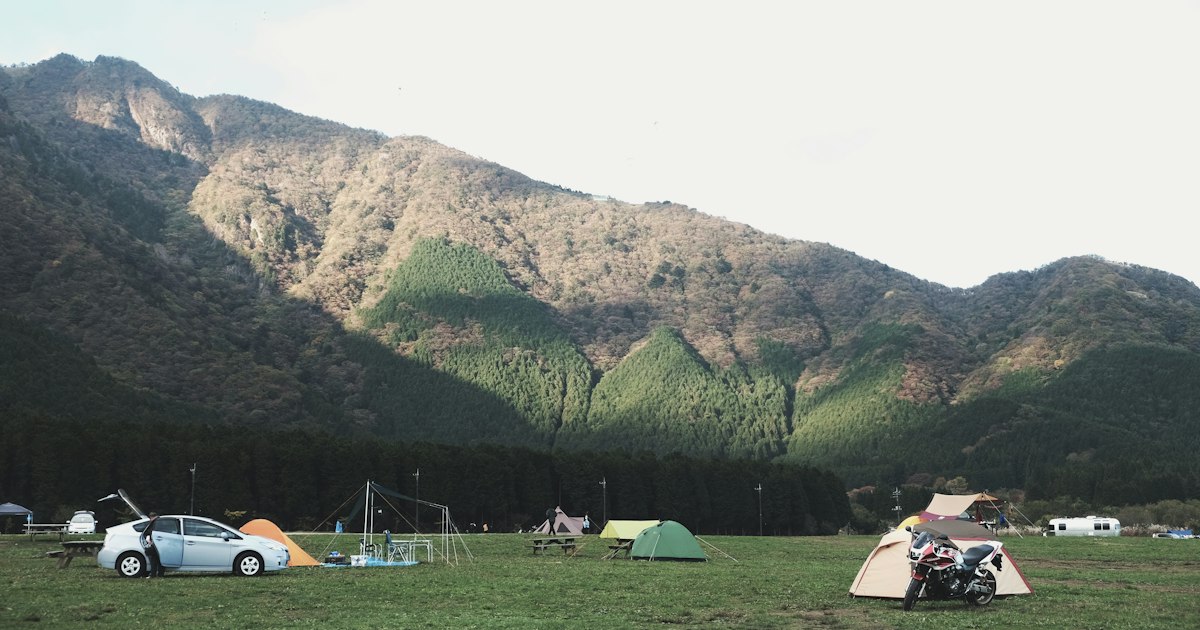
Photo by Lex Sirikiat on Unsplash
Japan’s outdoor gear scene punches way above its weight. Snow Peak, Mont-bell, Captain Stag, and a handful of smaller cult brands have spent decades building a reputation for obsessive engineering, clever space-saving design, and build quality that holdover visitors still talk about years later. If you’re planning any time outdoors in Japan — a weekend camp, a day hike, or a river trip — or you just want to bring home gear you can’t easily get elsewhere, here’s where to actually buy it, what it costs, and how to avoid the mistakes most tourists make.
Why Shop for Outdoor Gear in Japan
Snow Peak, founded in 1958 in Sanjo, Niigata, built its name on titanium cookware, modular “system” camping furniture, and the Takibi fire pit — a stackable steel fireplace that’s become a status symbol among Japanese campers. Mont-bell, founded in 1975 in Osaka by former competitive climber Isamu Tatsuno, leans harder into technical mountaineering and ultralight hiking gear, with down jackets and rain shells that rival anything from Patagonia or Arc’teryx at a noticeably lower price. Both brands design and manufacture gear specifically suited to Japan’s humid summers, wet shoulder seasons, and genuinely cold, snowy winters — which is exactly the kind of weather many visitors underestimate when packing for trips to places like Minakami or up into the mountains around Niigata.
Snow Peak Headquarters Campfield: The Pilgrimage Option
For serious fans, the real destination is Snow Peak Headquarters Campfield in Sanjo, Niigata — the company’s home campground, store, and museum-like showroom rolled into one site. You can pitch a tent on the grounds (sites run roughly ¥4,000–¥7,000 per night depending on season and plot size), browse an on-site shop that stocks the full current lineup, and sometimes pick up seconds or discontinued items at a discount that you won’t find in Tokyo stores.
Getting there takes a bit of planning: take the Joetsu Shinkansen to Tsubame-Sanjo Station (about 1.5–2 hours from Tokyo), then a roughly 15–20 minute taxi ride to the campground, since there’s no direct bus route. If you’re unfamiliar with how taxi fares and apps work outside major cities, it’s worth reading up on taking a taxi in Japan before you go — drivers in smaller cities like Sanjo are less likely to speak English than in Tokyo. This part of Niigata is also snow country in winter, so if you’re combining the trip with a snow season visit, our guide to Niigata as Japan’s sake country and snow gateway covers the regional logistics.
Tokyo and Osaka Flagship Stores
You don’t need to go to Niigata to get the full Snow Peak experience. Snow Peak Harajuku, near Omotesando, is the brand’s flagship Tokyo store (typically open around 11:00–20:00 daily), stocking everything from the Takibi fire pit (roughly ¥30,000–¥45,000 depending on size) to titanium mugs (around ¥3,000–¥4,500) and the popular Entry Pack TT tent (roughly ¥55,000–¥65,000). Mont-bell’s flagship is in Nihonbashi, a short walk from Tokyo Station, with similar hours; it’s by far the best single stop for technical hiking and mountaineering gear, including down jackets (around ¥20,000–¥30,000) and rain shells (¥15,000–¥25,000) that are genuinely competitive with Western premium brands.
In Osaka, Mont-bell’s roots run deep — the brand was founded there, and the city has several stores plus an outlet location. If you’re day-tripping to a hiking spot like Mount Takao from Tokyo, it’s worth stopping at a Mont-bell or Snow Peak store beforehand — both brands sell excellent rain gear, which Takao’s humid, often misty trail conditions make genuinely useful rather than optional.
Budget and Mid-Range Japanese Brands
Snow Peak and Mont-bell sit at the premium end. If you want functional gear without the price tag, look for these names at sporting goods chains like Alpen, Sports Depo, or Victoria, and at general stores like Don Quijote or home improvement centers (Cainz, Kohnan, Viva Home):
- Captain Stag — Japan’s budget workhorse brand, based in Higashiosaka, Osaka. Folding chairs run about ¥2,000–¥4,000, cookware sets from ¥1,500. Reliable, unglamorous, and everywhere.
- Logos — family-camping focused, strong on tents and coolers in the ¥8,000–¥25,000 range, widely stocked at the same sporting goods chains.
- DOD — a Fukuoka-based brand known for playful, animal-themed tents and quirky product names, sitting in the mid-range (tents often ¥20,000–¥40,000). Popular with younger Japanese campers and worth seeking out if you want something a little different from the minimalist Snow Peak aesthetic.
Tax-Free Shopping and Common Mistakes
Most Snow Peak and Mont-bell flagship stores participate in Japan’s tax-free program for foreign visitors: spend over ¥5,000 (pre-tax) on general goods in a single transaction, show your passport at the register or a dedicated tax-free counter, and the 10% consumption tax is deducted on the spot or refunded. Keep the sealed receipt and purchased items accessible, as customs can check them on departure.
The most common mistake visitors make is buying a Snow Peak tent or stove assuming it’ll be light enough for flight baggage — the brand’s signature cast-iron and solid-steel pieces (like the Takibi fire pit) are built for car camping, not backpacking, and are genuinely heavy. If you’re flying home, check luggage weight limits before committing to anything in cast iron. The second mistake is skipping Mont-bell entirely because the name sounds less famous outside Japan — within Japan it’s considered a serious technical brand, and its prices are often 20–30% below equivalent Western gear of similar quality.
Best Time to Shop and Camp
Spring (April–May) and autumn (late September–November) are the best windows for camping trips, with mild weather and most campgrounds — including Snow Peak’s own sites — fully open. Store stock of seasonal gear (down jackets, winter tents) is deepest just before each season starts: look for new down jackets and cold-weather gear from late September, and lightweight hiking and rain gear from March. If you’re shopping specifically for a winter trip up toward snow country, buy insulated layers in Tokyo or Osaka before heading north — mountain-town stores tend to have thinner selections and higher prices than the big-city flagships.