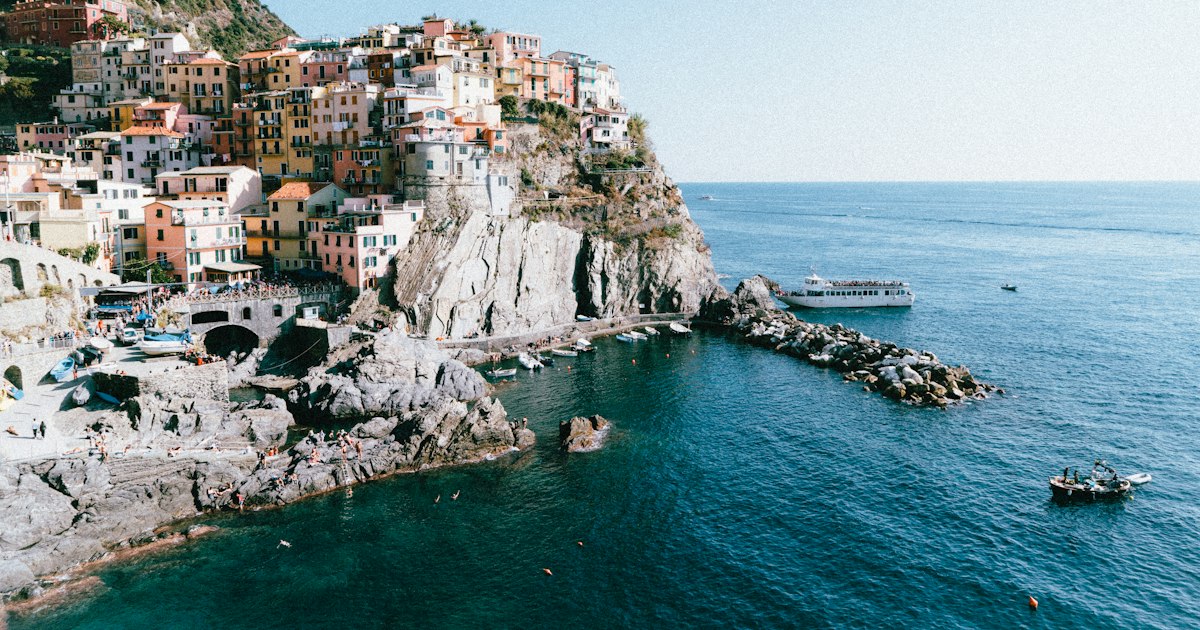
Photo by Alexander Ramsey on Unsplash
Most visitors to the Seto Inland Sea beeline for Naoshima’s art museums and never look at the much larger island sitting just across the water. That’s Shodoshima, Japan’s olive-growing capital, a place of terraced groves, century-old soy sauce breweries, and more udon shops per capita than almost anywhere outside Kagawa’s mainland. It pairs naturally with an art-island itinerary but is worth a full day or two on its own merits — slower, greener, and a lot less crowded than its famous neighbor.
Getting There: From Naoshima, Takamatsu, or Okayama
Shodoshima sits in the Seto Inland Sea between Honshu and Shikoku, and there’s no single “correct” gateway — your best route depends on where you’re coming from.
- From Naoshima: A direct ferry runs between Naoshima’s Miyanoura port and Shodoshima (routed via Teshima), operated by local ferry companies rather than the Shikoku Kisen boats you’d use for Naoshima–Takamatsu. Sailings are limited — often just one or two a day outside the Setouchi Triennale art festival — and the crossing takes roughly an hour. Check the current timetable before building your day around it, since missing the one afternoon return boat means an unplanned overnight stay.
- From Takamatsu: The most frequent and reliable option. Regular car ferries to Tonosho port take about an hour; a faster jet-powered boat does it in roughly 35 minutes. Boats run close to hourly during the day, so this is the safer bet if your schedule is tight.
- From Okayama (Uno port): Another frequent ferry link, useful if you’re coming from the Honshu side rather than Shikoku, with a crossing time of around an hour.
- From Himeji: A longer ferry (about 1.5–2 hours) that’s convenient if you’re combining Shodoshima with Himeji Castle.
If your route into the region goes through Okayama or Himeji on the Shinkansen, it’s worth reading up on reserved vs non-reserved seating before you book — non-reserved cars can save money on the Okayama leg if you’re flexible on timing.
Olive Groves and Mediterranean Scenery
Shodoshima has been Japan’s center for olive cultivation since 1908, when early trials elsewhere in the country failed and this island’s dry, Mediterranean-like climate turned out to be the exception. The terraced groves on the island’s south-facing slopes are the main reason people come.
The easiest place to see them up close is Shodoshima Olive Park, a hillside park with a Greek-style windmill, rows of olive trees running down to the sea, and a gift shop selling olive oil, olive soap, and olive-fed “olive beef” and “olive hamachi” products you won’t find on the mainland. Entry to the grounds is free; a few individual attractions (like a small observation facility) charge a modest fee. It’s open roughly 8:30am–5pm daily, and the view down to the Seto Inland Sea from the windmill terrace is one of the better photo spots on the island, especially at sunset. Note that the park gets genuinely crowded on weekends in spring and autumn, so arrive early if you want quiet photos.
Olive harvest season runs October through November, when some farms open for picking experiences — worth timing a visit around if you want to see the trees fruiting rather than just decorative.
Soy Sauce Row and the Udon Highway
Shodoshima’s other culinary claim to fame is soy sauce. The Marukin and Yamaroku breweries cluster in the island’s “Soy Sauce District,” where wooden kioke barrels — some over a century old — are still used for slow fermentation. Yamaroku Shoyu runs short self-guided tours of its barrel warehouse for a small fee (around ¥100), and you can buy small bottles of its aged soy sauce directly on site, which make far more interesting souvenirs than anything in a Tonosho gift shop. It’s generally open daily except Wednesdays, roughly 9am–5pm, but tour availability can vary, so don’t make it your only reason for visiting that corner of the island.
Then there’s the udon. Shodoshima udon is a lesser-known cousin of Kagawa’s famous Sanuki udon, made with the same local wheat and — fittingly — the island’s own olive oil worked into the dough on some recipes. A strip of small, family-run udon shops runs along the roads near Tonosho and Sakate, where a simple bowl runs about ¥400–700. If you want a topping comparison point from elsewhere in Japan, it’s worth reading up on how to order tempura, since a crisp tempura topping is one of the most common additions to a bowl here.
Angel Road and the Rest of the Island
Near Tonosho, a sandbar called Angel Road (Enkeru no Michi) connects the mainland to a string of small islets, but only at low tide — the path emerges roughly an hour before and after low water and submerges the rest of the time. Local lore says couples who cross it together holding hands will stay together, which makes it a popular, if slightly touristy, stop. Check tide tables before you go; showing up at high tide means staring at open water instead of a walkable path.
Beyond that, Shodoshima has sea-kayaking outfits, the dramatic Kankakei Gorge (reachable by ropeway, spectacular for autumn foliage in November), and a handful of small art installations left over from past Setouchi Triennale festivals, scattered quietly through fishing villages.
Getting Around the Island
This is the part that trips people up: Shodoshima is big — roughly 150 square kilometers — and public transport is sparse. A rental car or scooter from Tonosho port is genuinely the easiest way to see the olive groves, Kankakei Gorge, and the soy sauce district in one day, since they’re spread across different parts of the island. Local buses exist but run infrequently and aren’t built around tourist stops. Taxis are available at the port but get expensive fast over island-wide distances; if you do rely on them, it’s worth knowing how fares and etiquette work in Japan before you flag one down for a half-day hire.
Best Time to Visit and Where to Stay
Spring (April–May) and autumn (October–November) are the sweet spots — mild temperatures, olive harvest season in the fall, and Kankakei Gorge foliage peaking in mid-to-late November. Summer is hot and humid like the rest of Setouchi but fine for the sea-kayaking crowd. Winter is quiet and mild by Japanese standards, with fewer crowds at Olive Park.
For lodging, Tonosho has a few budget guesthouses and small business-style hotels near the port; if none of those appeal and you’d rather stay in Takamatsu or Okayama and day-trip in, the usual business hotel chains like Toyoko Inn or APA have branches in both cities at predictable rates. On the splurge end, a handful of small boutique ryokan and olive-themed resorts on Shodoshima itself offer sea views and kaiseki dinners, generally in the ¥15,000–30,000 per person range with meals.
Common Mistakes to Avoid
- Underestimating ferry frequency. Shodoshima isn’t served by trains, and some routes (especially the direct Naoshima link) run only once or twice daily. Build your day around the return boat, not the other way around.
- Assuming you can walk between sights. Olive Park, the soy sauce district, Angel Road, and Kankakei Gorge are each a 15–30 minute drive apart. Without a rental car, plan on seeing one or two areas, not the whole island, in a single day.
- Visiting Angel Road at the wrong tide. Check a tide chart, not just the clock — low tide shifts by the day.
- Treating it as a half-day add-on to Naoshima. The groves and gorge genuinely reward a full day; rushing through to catch the last boat back usually means skipping the best parts.