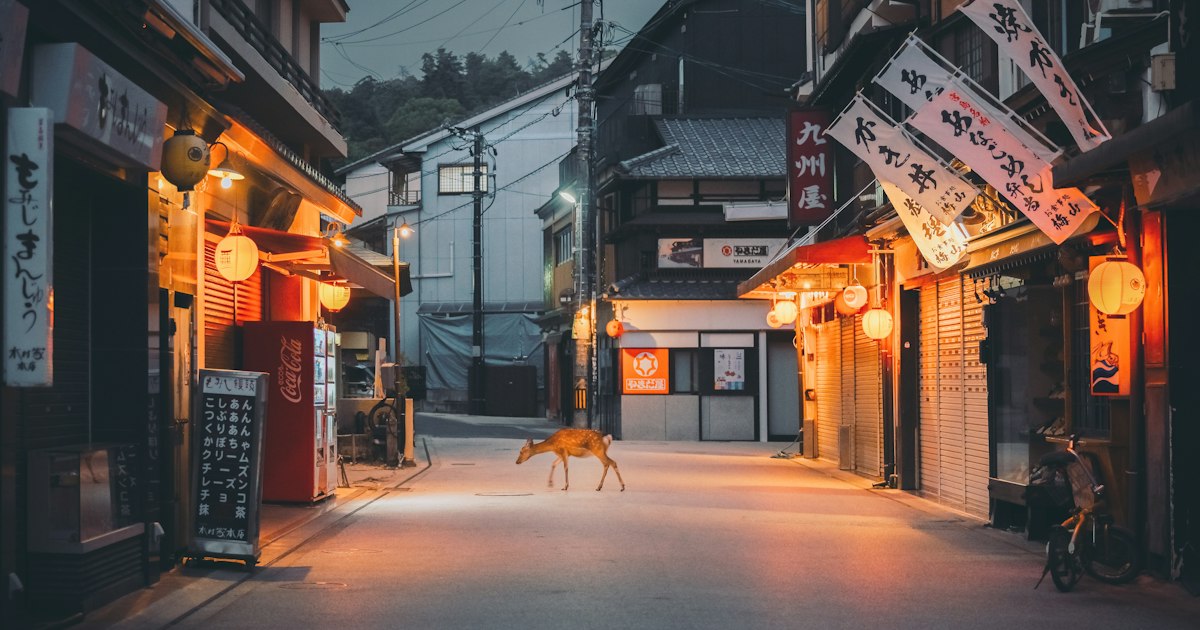
Photo by Ken Cheung on Unsplash
Tucked into the mountains of Shimane Prefecture, Iwami Ginzan is one of Japan’s least crowded UNESCO World Heritage Sites — and that’s precisely its appeal. Instead of a reconstructed castle or a roped-off ruin, you get a living town of weathered wooden merchant houses, a mine tunnel you can actually walk into, and roads so narrow that cars are banned from the center. It takes effort to reach, which is exactly why it still feels like a real discovery.
What Iwami Ginzan Is and Why It’s a UNESCO Site
Iwami Ginzan was one of the largest silver mines in the world during the 16th and 17th centuries, producing ore that flowed into Japan’s economy and, via trade routes, into global silver markets. UNESCO inscribed it as a World Heritage Site in 2007 — notably as an industrial heritage site, recognized not for a single monument but for the entire mining landscape: the mountainside tunnels, the processing sites, the shipping routes to the coast, and the town that grew up to support it all. Mining stopped in the early 20th century, and because later industrial redevelopment never came, the valley preserved an unusually complete picture of pre-modern mining life.
Getting to Iwami Ginzan
This is the part that keeps crowds away, so plan ahead. The nearest airport is Izumo Airport (IZO), with direct flights from Tokyo Haneda (about 1 hour 20 minutes). From the airport, it’s roughly 50–60 minutes by car to Omori, the preserved townscape area. Matsue, Shimane’s main city, is about 60–70 minutes away by car.
Without a car, take the JR San-in Line to Oda-shi Station (around 40 minutes from Izumoshi Station, closer to an hour from Matsue), then transfer to the community bus bound for Omori/Ginzan, which takes about 30 minutes. Buses run on a limited schedule — often just every hour or two — so check times before you leave rather than assuming you can wing it. If you’re already road-tripping around Shimane or Tottori, a rental car gives you far more flexibility for a destination this remote; our guide to renting an EV in Japan is useful if you’re considering an electric rental and want to check charging coverage in rural Shimane before you commit.
Once you arrive, note that private cars aren’t allowed into the heart of Omori’s preserved street. You’ll park at a lot near the Iwami Ginzan World Heritage Center (around ¥500 for the day) and then walk or cycle in — more on that below.
Walking the Omori Townscape
Omori is the town’s Important Preservation District for Groups of Historic Buildings, a roughly 1-kilometer street of Edo-period merchant houses, former magistrate’s offices, and temples, many still lived in rather than museum-ified. There are no convenience stores or ATMs along the main street, and the pace is unhurried — small shops sell local crafts, silver accessories, and Iwami-ware pottery out of homes that have stood for centuries. Give yourself at least an hour just to walk the street slowly, and budget extra time to detour into side lanes and shrine grounds.
Because the walk from the parking area to the mine shaft entrance is close to 2.5 km round trip, rental bicycles (including electric-assist models) are available near the World Heritage Center for a few hundred yen per hour — a worthwhile shortcut if you’re short on time or the weather is hot. If you do rent, check the rules first: our rundown on Japan’s bicycle helmet law for tourists explains what’s required and what rental shops typically provide.
Ryugenji Mabu: The Mine Shaft You Can Walk Into
The main attraction for most visitors is Ryugenji Mabu, one of only a handful of the area’s roughly 600 mine shafts open to the public. A walkway lets you go into the tunnel for about 270 meters, past rough pick-marks still visible in the rock walls from miners working by hand centuries ago. It’s cool, slightly damp, and genuinely atmospheric rather than staged.
Entrance costs around ¥500 for adults and ¥250 for children, with the site generally open from 9:00 to 17:00 (last entry around 16:30). Hours can shift seasonally and the site occasionally closes for maintenance in winter, so confirm before making a special trip in the colder months. The walk from Omori’s main street to the mine entrance takes about 20–30 minutes on foot.
Beyond the Mine: Rakanji and Washibara Hachimangu
If you have extra time, Rakanji Temple is worth the detour — its grounds include two stone caves carved into the hillside, lined with around 500 small rakan (Buddhist disciple) statues, each with a distinct face. Washibara Hachimangu Shrine, a short walk from the main street, has a striking thatched-roof gate and is far quieter than the shrines you’ll find in Kyoto or Nara. Neither site takes more than 20–30 minutes to visit, but both reward people willing to wander off the main drag.
Best Time to Visit and How Much Time to Budget
Spring (cherry blossoms, generally early April) and autumn (fall colors, peaking mid-to-late November) are the most rewarding times visually, and temperatures make the walking comfortable. Summer is doable but humid, and the lack of shade on parts of the main street makes a hat and water essential. Winter is quiet and atmospheric but some facilities reduce hours, and mountain roads can be affected by snow.
Most visitors need a half-day to see Omori’s street, the World Heritage Center exhibits, and Ryugenji Mabu. If you want to add Rakanji and Washibara Hachimangu, or simply enjoy a slower pace, plan for a full day. Because of the limited bus schedule, many travelers base themselves in Matsue or Izumo and treat Iwami Ginzan as a day trip rather than an overnight stop — though a handful of traditional inns do operate in and around Omori for those who want to stay longer.
Common Mistakes to Avoid
- Underestimating the bus schedule. Missing the last bus back to Oda-shi Station from Omori can strand you for over an hour. Screenshot the timetable before you lose signal.
- Not bringing cash. Many shops, the mine entrance fee, and bicycle rentals are cash-only or cash-preferred, and there are no ATMs on the main street.
- Driving into the preserved street itself. Signage restricts cars from the core area during the day; use the designated parking lots even if GPS tries to route you further in.
- Treating it as a quick photo stop. The value here is in walking slowly — rushing through in 45 minutes misses most of what makes the site worth the long trip out.
Iwami Ginzan rewards travelers willing to go out of their way for something quieter and more textured than Japan’s headline destinations. If remote, slow-paced corners of Japan appeal to you, it’s worth pairing this trip with a similar detour, like the volcanic shrine country and hot spring villages covered in our Kirishima guide — proof that some of the best travel in Japan happens well outside the main train lines.