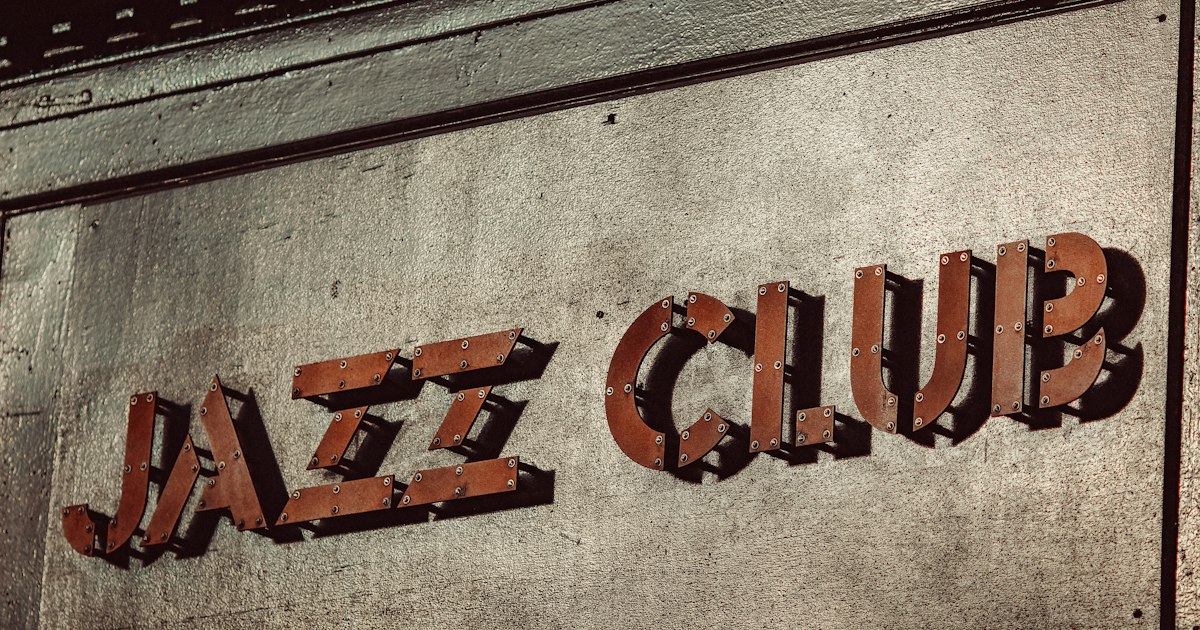
Photo by Jon Tyson on Unsplash
Tucked into basements and narrow upper-floor walk-ups across Tokyo, jazz kissa (ジャズ喫茶) are cafes built around a single ritual: sitting quietly while a towering pair of vacuum-tube amplified speakers plays a vinyl record from start to finish. There’s no background chatter, no small talk with the barista, and often no wifi. For first-time visitors this can feel baffling or even unwelcoming — but once you understand the etiquette, a jazz kissa is one of the most atmospheric, least touristy hours you can spend in Tokyo.
What Exactly Is a Jazz Kissa?
“Kissa” is short for kissaten, the old-school Japanese coffee shop format that predates the espresso-bar era (the same lineage that produced chains like Komeda Coffee). Jazz kissa emerged after World War II, when imported jazz records were expensive and rare, and fans who couldn’t afford a personal collection or a decent sound system paid for coffee as a way to rent time in front of someone else’s. The owner — usually a serious collector — built the shop around the sound: hand-wired tube amps, huge horn-loaded speakers (brands like JBL, Altec, and Tannoy show up constantly), and shelves holding anywhere from a few thousand to tens of thousands of original pressings.
The format survived because the experience it offers — deep, loud, uninterrupted listening on equipment far better than anything in a typical home — never became obsolete. Many shops that opened in the 1950s–70s are still run by the founder or their successor, with decor, menus, and playlists that haven’t changed much in decades.
The Unwritten Rules: How to Behave Inside
This is the part that trips up most first-timers. Rules vary slightly shop to shop, but these hold almost everywhere:
- Keep your voice at a whisper, if you talk at all. Some kissa are near-silent by design — talking during a track can draw a direct “shhh” from the owner or other patrons. Others (especially ones that double as bars at night) are more relaxed. Watch the room for a minute before you decide how much you can get away with.
- Don’t request songs unless the shop explicitly invites it. A few jazz kissa keep a request notebook or chalkboard; most do not, and the owner’s chosen sequence for the day/evening is part of the craft. Walking up to ask “can you play Coltrane?” at a shop that doesn’t take requests is a common, visible faux pas.
- One drink buys you a seat, not a table for work. Laptops, video calls, and loud typing are generally unwelcome — this isn’t a coworking cafe. A notebook or book is fine.
- Don’t photograph the equipment or other customers without asking. Owners are often proud to show off a rare speaker or amp if you ask politely; sneaking a photo is not appreciated.
- Stay for at least a side or a full track before leaving. Ducking in and out quickly disrupts the room’s rhythm.
- Cash is often the only option. Many of these shops are one- or two-person operations that never upgraded to card readers. Keep coins and small bills on hand — the 7-Bank ATMs inside 7-Eleven are the easiest way to top up before you go.
- Smoking is sometimes still allowed inside. A number of older jazz kissa predate Japan’s 2020 indoor smoking law changes and are registered as small, existing smoking-permitted establishments — if that matters to you either way, ask at the door, or check the city’s designated smoking area rules for outdoor alternatives nearby.
Where to Find Them in Tokyo
Jazz kissa are scattered across the city rather than clustered in one obvious tourist zone, which is part of their charm.
- Shinjuku has the highest concentration, much of it tied to the area’s postwar jazz-cafe boom. DUG, a half-basement shop near Shinjuku’s east side associated with Haruki Murakami’s old haunts, is one of the better-known entry points — it also serves food and curry rice, so it’s an easier first visit than a listening-only shop.
- Koenji, a few stops west on the JR Chuo Line, has a reputation among jazz fans for shops with unusually serious vintage speaker setups and a stricter, quieter atmosphere — this is where the “silence” half of this guide’s title applies most literally.
- Shibuya has several small jazz kissa and jazz-bar hybrids tucked into side streets and upper floors away from the main crossing crowds.
- Kichijoji, a laid-back neighborhood popular with musicians and students, has a cluster of cozy, independently run kissa with deep vinyl collections and a slightly friendlier, less austere vibe than the Shinjuku originals.
Because many of these shops are one-owner operations, hours and even survival can change without notice — a quick search on a Japanese map app (searching “ジャズ喫茶” plus the neighborhood name) the morning of your visit is worth doing before you walk over.
Budget, Mid-Range, and Splurge Options
Jazz kissa pricing is simple and the entry cost is low across the board:
- Budget: A coffee at most jazz kissa runs roughly ¥700–1,000, and that single order is your ticket to sit as long as you like through multiple records. This is genuinely one of the cheapest multi-hour experiences in central Tokyo.
- Mid-range: Shops like DUG that also serve light food — curry, sandwiches, pasta — typically add another ¥900–1,500 for a meal, making it easy to turn an afternoon coffee stop into an early dinner without moving.
- Splurge: Several jazz kissa convert into jazz bars after dark, switching the drink menu to whisky, highballs, and cocktails in the ¥900–1,800 range. Staying for a couple of evening drinks while the owner plays a deeper, more adventurous set than the daytime rotation is the closest thing to a “premium” version of the experience — still modest by any international nightlife standard.
Best Time to Go
Afternoons, roughly 1–5pm, are the classic jazz kissa hours — most shops open around midday and the room tends to be at its quietest and most contemplative then, with just a handful of regulars reading or staring at the speakers. Early evening is busier and slightly more social. Rainy or cold days are, by local consensus, the best possible weather for a jazz kissa visit — there’s no view to miss, and the shops feel more atmospheric when the street outside is grim. Avoid treating a jazz kissa as a quick 15-minute stop between sightseeing stops; the whole point is slowing down for at least one full album side, which can run 20–25 minutes.
Common Mistakes Foreign Visitors Make
- Treating it like a themed photo-op cafe. Jazz kissa are living institutions with regulars, not museums — loud comments, flash photography, or groups filming each other for social media will get cold stares fast.
- Showing up in a large group. Most jazz kissa seat well under 20 people total. A group of four or more talking, even quietly, can dominate a small room. Split up or go in pairs.
- Assuming English will work. Many owners are older and speak little English. A polite bow, pointing at the menu, and keeping requests simple goes further than trying to explain what you want in detail.
- Expecting a live performance. A jazz kissa plays recordings, not live music — if you want a live set, look for a “jazz live house” (often written ジャズライブハウス) instead, which is a different kind of venue with a cover charge and a stage.
- Skipping it because it feels intimidating. The silence rule sounds strict on paper, but in practice most owners are happy to see a curious foreign visitor who orders a coffee, sits down, and genuinely listens. That’s the whole deal.
A jazz kissa won’t show up on most quick Tokyo itineraries, but for travelers who’ve already covered the temples, the department store food halls, and the neon crossings, it’s a quiet, inexpensive way to feel the city’s postwar cultural history up close — through a single, perfectly worn record.